Catalan gastronomy is one of the richest and most historic culinary traditions in the Mediterranean, shaped by centuries of cultural influences and a deep connection to both land and sea. As part of Mediterranean cuisine, Catalan food bridges coastal flavours, mountain products and seasonal produce to create a diverse and balanced culinary identity rooted in history and geography.
The origins of Catalan cuisine can be traced back to ancient civilizations. Roman influence brought viticulture, olive oil, and cereal cultivation, laying the foundation for the region’s diet. Later, interactions with Arab, Jewish and medieval Mediterranean trade routes introduced spices, rice and new techniques that enriched local cooking traditions.
A Blend of Sea and Mountain
Catalonia’s geography — nestled between the Mediterranean Sea and inland mountains — allows its cuisine to blend sea and mountain (mar i muntanya) in unique dishes that combine seafood with meats, creating contrasts that define the region’s culinary character. Examples of this fusion include plates where fish or shellfish meet inland meats, showcasing how Catalonia celebrates both environments on the same fork.
Mediterranean Roots and Local Identity
Catalan gastronomy is firmly rooted in Mediterranean principles: seasonal ingredients, local products, and simple yet rich techniques. Fresh vegetables, olive oil, legumes, fish, and meats are staples, while traditional methods such as sofregit (slow-cooked base of tomato, onion and garlic) and picada (ground nuts and herbs to enrich sauces) highlight Catalonia’s culinary craft and history.
Over centuries, Catalan cuisine developed unique recipes that have remained beloved through generations. From rustic peasant dishes to elegant seafood stews and marr i muntanya combinations, each dish tells a story of tradition, culture and place.
Cultural and Historical Significance
Catalan gastronomic traditions have been documented as early as medieval cookbooks like the Llibre de Sent Soví — reflecting the sophistication of local food culture even hundreds of years ago. Today, traditional dishes such as pa amb tomàquet, suquet de peix, and esqueixada continue to illustrate Catalonia’s culinary heritage and its ties to both the fertile interior and the Mediterranean Sea.
Catalonia’s recognition as a World Region of Gastronomy further confirms the global importance of its culinary legacy.
The Legacy Lives On
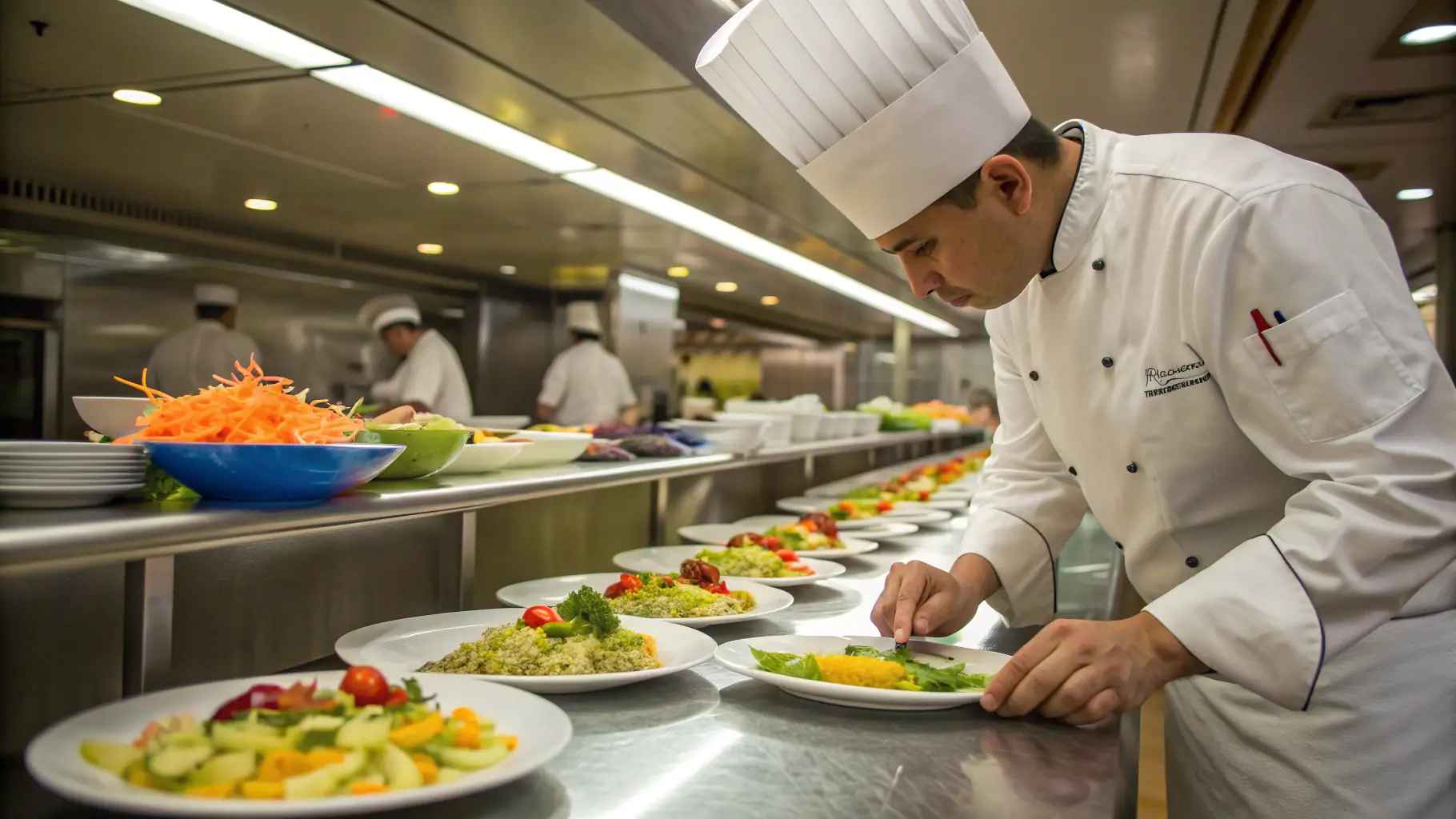
While contemporary techniques and innovative chefs expand the horizons of Catalan cuisine, the heart of its gastronomy remains rooted in tradition — respecting seasonal products, local producers, and the balance between past and present. By understanding these deep-rooted origins, diners experience not just food, but centuries of history on every plate.