Supporting local fishermen in Barcelona is the most direct way to eat fresher seafood, reduce carbon emissions from food transport, and keep coastal communities economically alive. The city’s fishing heritage stretches back centuries, yet today its artisanal fishing sector competes against a global supply chain that ships frozen fish from distant oceans. Choosing locally caught seafood over imported alternatives is not nostalgia. It is a concrete act with measurable consequences for Barcelona’s environment, economy, and culinary identity. This guide explains exactly why that choice matters and how you can make it count.
Why support local fishermen in Barcelona: the core case
The environmental argument is the strongest starting point. Barcelona’s decarbonization is a primary civic priority in 2026, and importing frozen seafood from distant oceans burns significant fuel at every stage of the supply chain. Local artisanal fishing, by contrast, operates close to shore with far lower fuel consumption per kilogram of fish landed. Every time you buy from a Barcelona dock or a market stall sourcing from local boats, you cut that carbon chain short.
The economic argument is equally direct. Purchasing local seafood circulates money within coastal communities, supporting livelihoods and sustaining traditional economic structures like fishermen guilds, known in Catalan as cofradies. These guilds control fishing rights and hold communities together. When that money leaves the city to pay for imported fish instead, the guilds weaken and the fishing families that depend on them lose income.
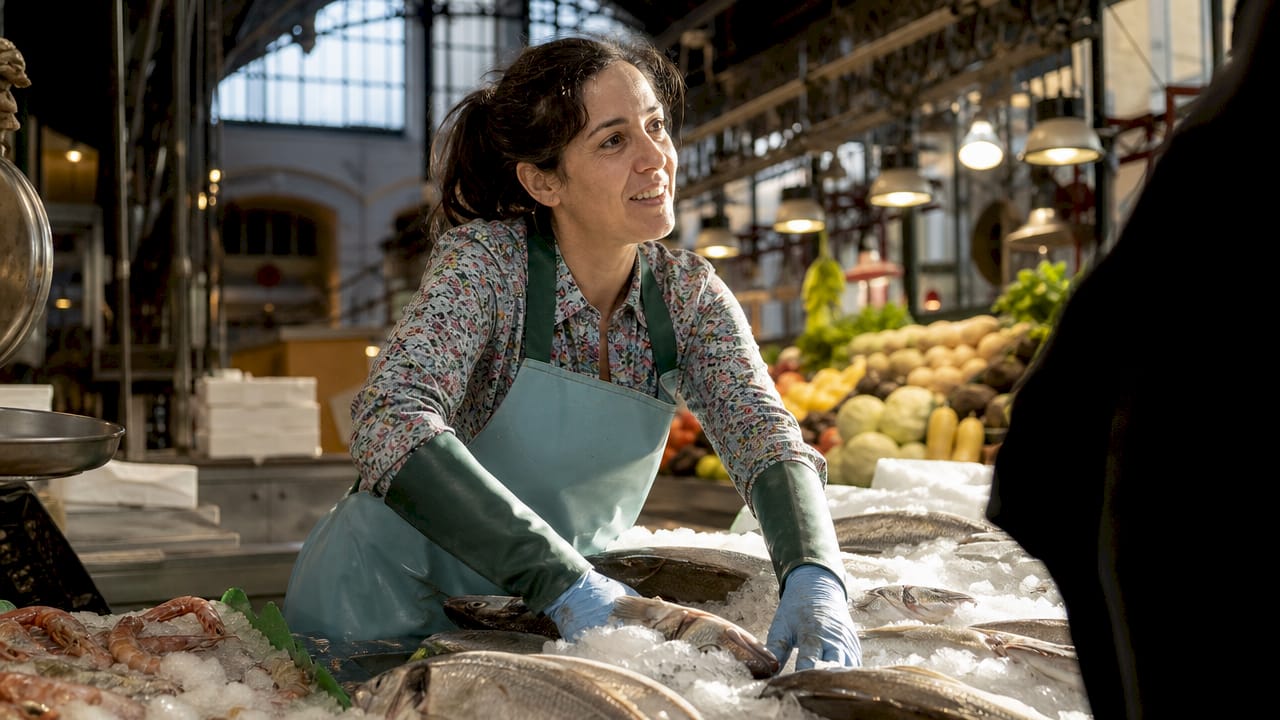
The quality argument closes the case. Barcelona chefs prefer local fish for freshness and diversity, which directly enhances the dining experience. A fish landed that morning at the Barceloneta dock and served the same evening is a fundamentally different product from one frozen at sea weeks earlier.
What are the environmental benefits of supporting local fishermen in Barcelona?
Artisanal fishing in Barcelona uses traditional, low-impact methods that align with the city’s sustainability goals. The contrast with industrial imports is stark.
- Lower fuel emissions. Short-distance fishing trips burn a fraction of the fuel required to ship frozen seafood from Norway, Chile, or Southeast Asia.
- Seasonal fishing practices. Local fishermen respect seasonal cycles, which protects fish populations from collapse and keeps the Mediterranean ecosystem balanced.
- Reduced packaging waste. Fresh local fish reaches the consumer with minimal packaging compared to frozen imports wrapped in plastic and shipped in refrigerated containers.
- No cold-chain dependency. Local catch moves from boat to market without the energy-intensive cold storage that imported seafood requires across thousands of miles.
- Support for regulated fishing zones. Barcelona’s artisanal fleet operates within regulated Mediterranean zones, unlike some distant-water fleets that operate in poorly monitored waters.
Big corporations market imported seafood as eco-friendly while destabilizing artisanal fishing communities in regions like Senegal and The Gambia. This is what food policy researchers call the “fraud of low-cost sustainability.” A certification label on a frozen fillet does not automatically mean the fishing method was less damaging than what a local Barcelona fisherman does every morning.
Pro Tip: When shopping at the Mercat de la Barceloneta or Mercat de Santa Caterina, ask the vendor which fish was landed locally that week. Vendors who source from the Barcelona fish auction, the Llotja del Peix, can tell you exactly which boat brought it in.
How does supporting local fishermen strengthen Barcelona’s economy and preserve cultural traditions?
The economic and cultural case for supporting fishermen in Barcelona runs deeper than most consumers realize. Fishing here is not just an industry. It is a living tradition with roots stretching back over a thousand years.
- Direct income for fishing families. Every purchase from a local source keeps money in the hands of the people who caught the fish, rather than in a corporate distribution chain.
- Jobs beyond the boat. Fishing communities sustain numerous coastal jobs beyond fishing itself, including processing, transportation, and tourism. One active fishing family supports multiple other livelihoods.
- Preservation of cofradies. Barcelona’s fishermen guilds manage fishing rights, provide social support to members, and organize community events. Consumer demand for local fish keeps these institutions financially viable.
- Culinary identity. Catalan maritime cuisine, from suquet de peix to fideuà, depends on specific local species. When those species disappear from local markets, the recipes that define Barcelona’s food culture lose their authenticity.
- Food tourism. Visitors who seek authentic local food experiences generate revenue that reinforces the value of keeping traditional fishing alive.
“Eating seasonal and locally sourced fish is not merely a nostalgic habit of fishermen. It is a civic act that sustains the coastal identity of Barcelona.” — Essencia Barceloneta
The connection between local gastronomy and how you travel is well documented in food tourism research. Destinations that maintain authentic food cultures attract higher-spending visitors who return more often. Barcelona’s fishing heritage is a competitive asset, but only if it survives.
What are the quality and culinary advantages of local Barcelona seafood vs. imports?
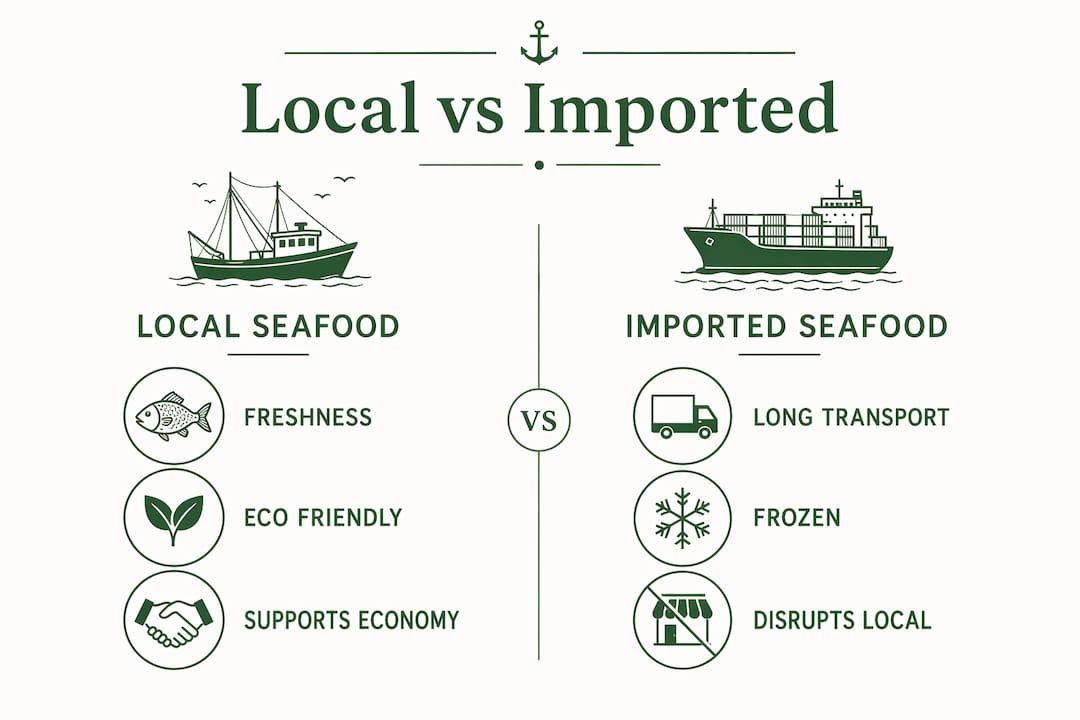
The freshness gap between locally caught and imported frozen seafood is not subtle. It is the difference between a fish that was alive this morning and one that was frozen at sea three weeks ago.
| Quality factor | Local Barcelona seafood | Imported frozen seafood |
|---|---|---|
| Time from catch to plate | Hours to one day | Days to weeks |
| Texture | Firm, natural | Often softened by freezing |
| Flavor depth | Full, species-specific | Muted, standardized |
| Species variety | Seasonal Mediterranean diversity | Limited to high-volume commercial species |
| Transparency | Traceable to specific boat | Often opaque supply chain |
| Environmental footprint | Low, short supply chain | High, long-distance cold chain |
The one degree of separation model describes what happens when diners are only one person away from the harvester. That proximity breaks the myth that frozen equals fresher because it was “flash-frozen at peak freshness.” In practice, local fish landed the same day and sold at the Barceloneta market is fresher than any frozen alternative, regardless of the freezing technology used.
Barcelona’s Mediterranean waters produce species that rarely appear in supermarket imports: red mullet, sea bream, John Dory, cuttlefish, and a rotating cast of seasonal catches. Exploring the seasonal fish available in Barcelona reveals a culinary range that imported fish simply cannot replicate.
Pro Tip: Ask your fishmonger or restaurant which fish is in season right now. Seasonal fish is always the freshest, most affordable, and most sustainably caught option on the menu.
What challenges do local fishermen in Barcelona face?
Local fishermen in Barcelona operate under real pressure. Understanding those pressures explains why consumer support is not optional. It is the difference between a living fishing culture and a disappearing one.
- Competition from cheap imports. Over 80% of seafood consumed in some Western markets is imported, while high-quality local catch is often exported. Barcelona faces a version of this same paradox: local fish goes to high-end export markets while cheaper imports fill supermarket shelves.
- Economic strain on artisanal fleets. Fuel costs, boat maintenance, and regulatory compliance create financial pressure that large industrial fleets absorb easily but that small artisanal operations struggle to manage.
- Regulatory burden. European Union fishing regulations, designed partly to prevent overfishing, impose compliance costs that fall disproportionately on small operators who lack legal and administrative resources.
- Aging workforce. Younger generations in Barcelona are not entering the fishing profession at the rate needed to replace retiring fishermen. The knowledge embedded in artisanal fishing techniques risks being lost within a generation.
- Consumer unawareness. Many Barcelona residents and visitors do not know where to buy locally caught fish or which species are in season. That knowledge gap translates directly into lost sales for local fishermen.
The good news is that more than 40% of consumers are willing to shift purchasing to locally caught species they have not tried before. That appetite for local diversification exists. It just needs to be connected to supply.
How can individuals effectively support local fishermen in Barcelona?
Supporting the local fishing sector does not require a major lifestyle change. It requires a few consistent habits and a willingness to ask questions.
- Buy at the source. Visit the Mercat de la Barceloneta or Mercat de Santa Caterina and ask specifically for fish from the Barcelona Llotja del Peix auction. These markets have vendors who source directly from local boats.
- Eat at restaurants that name their suppliers. Restaurants that specify which fish is local and seasonal on their menus are actively supporting the local fleet. Elspescadors in Poblenou’s Plaça de Prim is built around this principle, sourcing fresh local seafood as the foundation of its Catalan maritime menu.
- Choose seasonal species. Seasonal fish is the most sustainable and the freshest option available. Eating what is in season means eating what local fishermen are actually catching right now.
- Participate in fishing tourism. Barcelona’s city government actively promotes fishing tourism and demonstrations as a way to connect residents and visitors with the fishing community. These experiences build the kind of consumer awareness that translates into purchasing loyalty.
- Spread the word. Recommending a local seafood restaurant or market to a friend is a free act that has real economic consequences. Word of mouth drives foot traffic to local vendors more effectively than most advertising.
- Ask questions at restaurants. When a menu lists “sea bass” or “prawns,” ask where they came from. That question signals demand for transparency and pushes restaurants to source locally.
Local seafood hubs and community events have proven effective in other cities at closing the gap between producer and consumer. Barcelona has the infrastructure. What it needs is consistent consumer engagement to make that infrastructure economically viable.
Key takeaways
Supporting local fishermen in Barcelona delivers simultaneous benefits for the environment, the economy, and the quality of food on your plate.
| Point | Details |
|---|---|
| Environmental impact | Local fishing cuts fuel emissions and cold-chain energy use tied to imported seafood. |
| Economic benefit | Buying local keeps money in fishing families and sustains Barcelona’s cofradies. |
| Freshness advantage | Locally caught fish reaches the plate in hours, not days, with full flavor intact. |
| Consumer power | Over 40% of consumers are open to trying new local species, showing real market potential. |
| Practical action | Buying at local markets, eating at sourcing-focused restaurants, and asking questions all make a difference. |
Why this matters more than most food choices
I have eaten seafood in a lot of cities. The gap between a fish caught that morning off Barcelona’s coast and a frozen fillet shipped from the other side of the world is not a matter of preference. It is a matter of fact. The texture is different. The flavor is different. The story behind it is different.
What strikes me most about Barcelona’s fishing situation is the paradox at its center. The city sits on the Mediterranean, one of the world’s great seafood waters, yet its residents often eat fish that traveled farther than they have. That is not a natural outcome. It is the result of decades of supply chain decisions that prioritized price over proximity.
The encouraging part is that the reversal is already underway. Restaurants like Elspescadors are building their entire identity around local sourcing. Markets are expanding their local vendor sections. The city government is investing in fishing tourism. The infrastructure for a genuine local seafood culture exists. What it needs is consumers who show up and spend money in the right places.
Choosing local seafood in Barcelona is one of the few food decisions where the ethical, environmental, and culinary arguments all point in the same direction. That alignment is rare. When it happens, the right choice is also the most enjoyable one.
— YellowRock
Elspescadors: where local sourcing meets Catalan culinary tradition
Elspescadors sits in Barcelona’s historic Poblenou district, in Plaça de Prim, and its menu is built entirely around what local fishermen bring in. Every dish reflects the Mediterranean’s seasonal rhythms, from the daily fresh catch to the traditional rice preparations that define Catalan maritime cuisine.
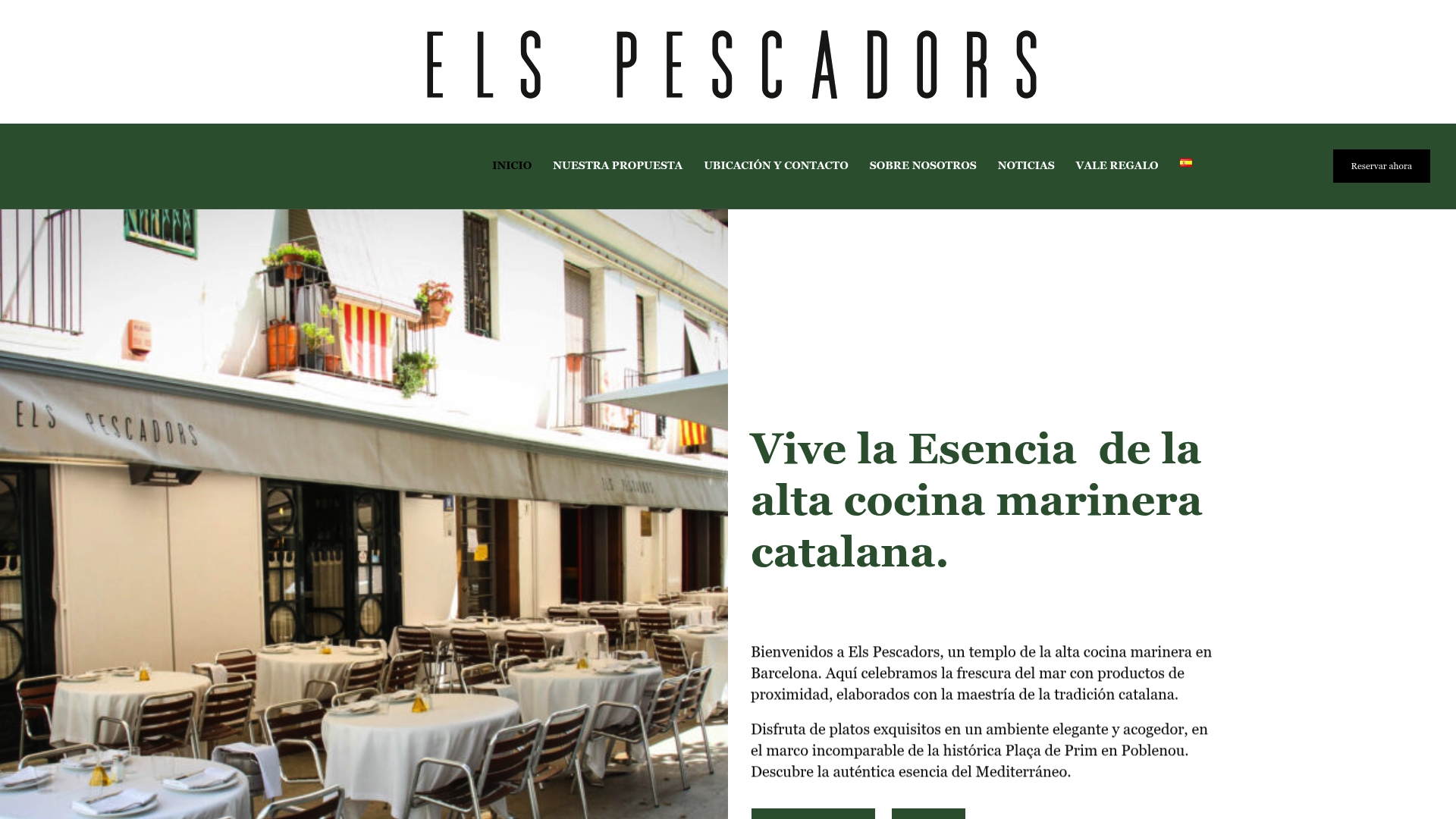
If you want to experience what supporting local fishermen actually tastes like, Elspescadors is the clearest answer in Barcelona. The restaurant’s dining philosophy connects every plate directly to the local fishing community. For groups looking to share that experience, the group seafood dining options make it easy to bring people together around a table that means something.
FAQ
Why does buying local seafood matter in Barcelona?
Buying local seafood in Barcelona reduces carbon emissions from food transport, supports fishing families and cofradies, and delivers fresher fish than any imported alternative can provide.
What is a cofradia and why does it matter?
A cofradia is a traditional fishermen guild that manages fishing rights and community cohesion in Barcelona. Purchasing local seafood keeps these institutions financially viable and preserves centuries of maritime culture.
Is local Barcelona seafood actually fresher than frozen imports?
Yes. Local fish landed at the Barcelona Llotja del Peix auction reaches the market within hours. Imported frozen seafood typically spends days to weeks in cold storage before reaching the consumer.
Where can I buy locally caught fish in Barcelona?
The Mercat de la Barceloneta and Mercat de Santa Caterina both carry fish sourced from local boats. Ask vendors specifically for fish from the Barcelona fish auction to confirm local origin.
Are consumers open to eating more local species?
Research shows that over 40% of consumers are willing to switch to locally caught species they have not tried before. That openness is the foundation for a stronger local seafood market in Barcelona.