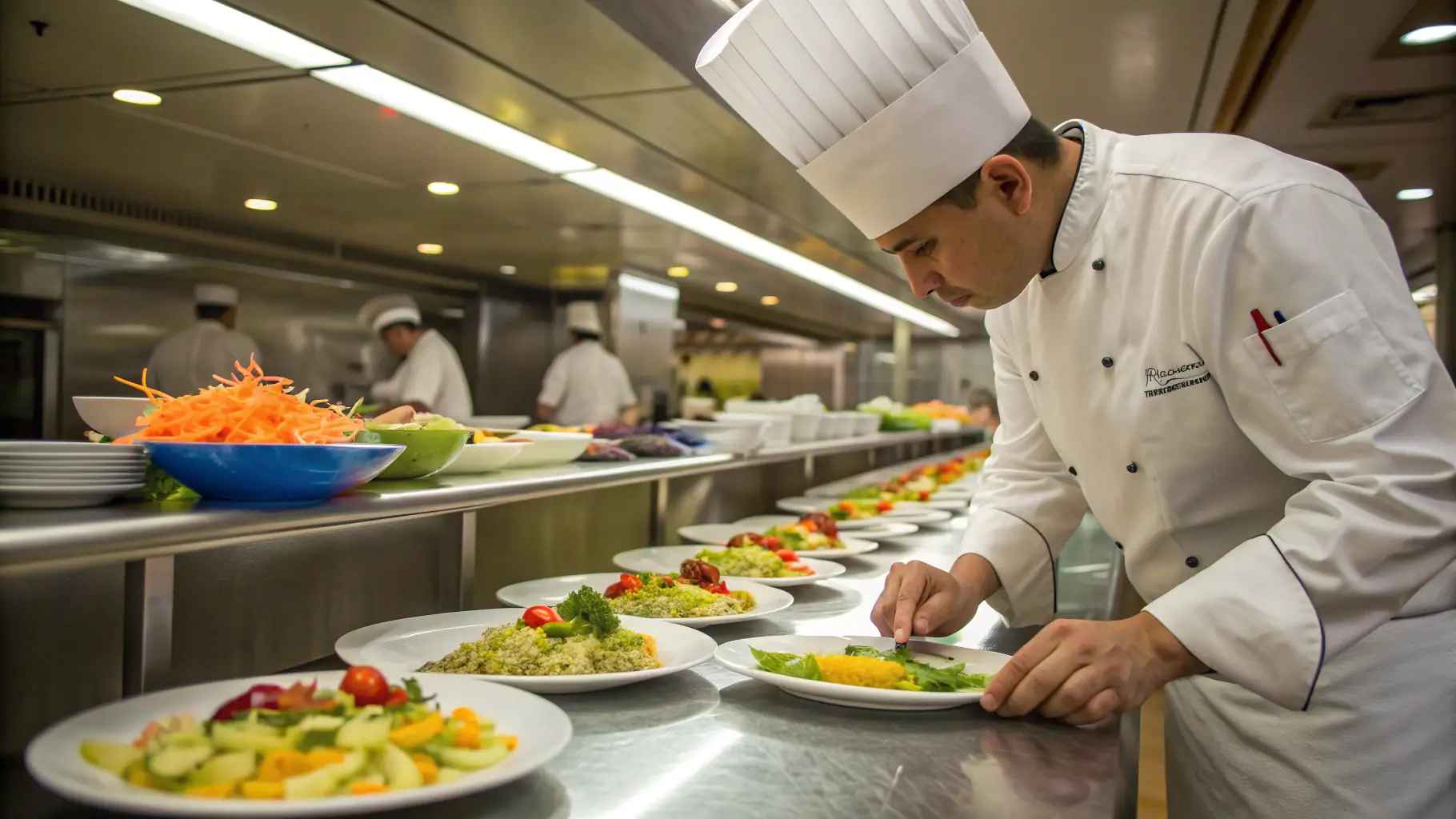
The Lonja fish market in Barcelona is the daily auction site where local fishermen sell their fresh catch directly to buyers, making it the primary source of locally caught seafood for the city’s restaurants and markets. Known formally as the fish auction hall within the Port of Barcelona, the Lonja sits at the heart of Barcelona’s maritime identity and Barceloneta fishing tradition. The role of Lonja fish market Barcelona extends well beyond commerce. It upholds EU traceability standards, sustains the Cofradía de Pescadores cooperative, and feeds the culinary culture that defines Catalan coastal cuisine.
How does the Lonja fish market auction work in Barcelona?
The Lonja auction runs a structured, two-track process that separates trawl fishing catches from light or seine fishing catches. Each track uses different handling methods and buyer engagement styles, reflecting the distinct nature of the fish involved. Separate auction areas for trawl and seine fishing ensure that each catch type receives the right evaluation process.

Trawl catches arrive in large volumes, so the auction uses a sampling method rather than weighing every box. Trawl auction sampling involves weighing 8 boxes out of the first 100, then one additional box per every 100 after that. This balances speed with accuracy when handling hundreds of boxes at once. Seine catches, which are typically smaller and more delicate, receive more direct handling and individual assessment.
Once the catch is weighed and assessed, the system generates an automatic fish label for every lot. That label is not a formality. It contains the fishing zone, vessel name, catch date, weight, extraction method, and buyer identity, all required by EU traceability regulations. Every piece of fish that leaves the Lonja carries a documented history. Buyers can verify exactly where and when it was caught before they commit to a purchase.
Buyers attend the auction in person and have a short negotiation window to place bids or accept prices. The Cofradía de Pescadores manages the entire process, from cooperative governance to the traceability records that satisfy both local and European regulatory requirements.
- Trawl and seine catches enter separate auction areas with different handling procedures.
- Trawl lots are sampled by weight using a standardized box-count method.
- Each lot receives an automatic label with full catch and origin data.
- Buyers review and bid within a defined negotiation window.
- The Cofradía de Pescadores records and manages all traceability documentation.
Pro Tip: If you visit the Port of Barcelona early in the morning, you can sometimes observe the auction activity from designated public viewing areas. The process moves fast, so arriving before 8:00 AM gives you the best chance of seeing the full auction in action.
What is the difference between the Lonja and Mercabarna?
The Lonja and Mercabarna both deal in seafood, but they operate at completely different scales and serve different purposes. Confusing the two is common, but the distinction matters for anyone serious about understanding Barcelona’s seafood supply chain.
The Lonja is a local fish auction. It serves small-scale fishermen who bring in their daily catch from the Mediterranean. Buyers are typically local restaurants, fishmongers, and market traders who want the freshest possible product with full traceability. Volume is modest by design, because the fleet is small and the catch is seasonal.
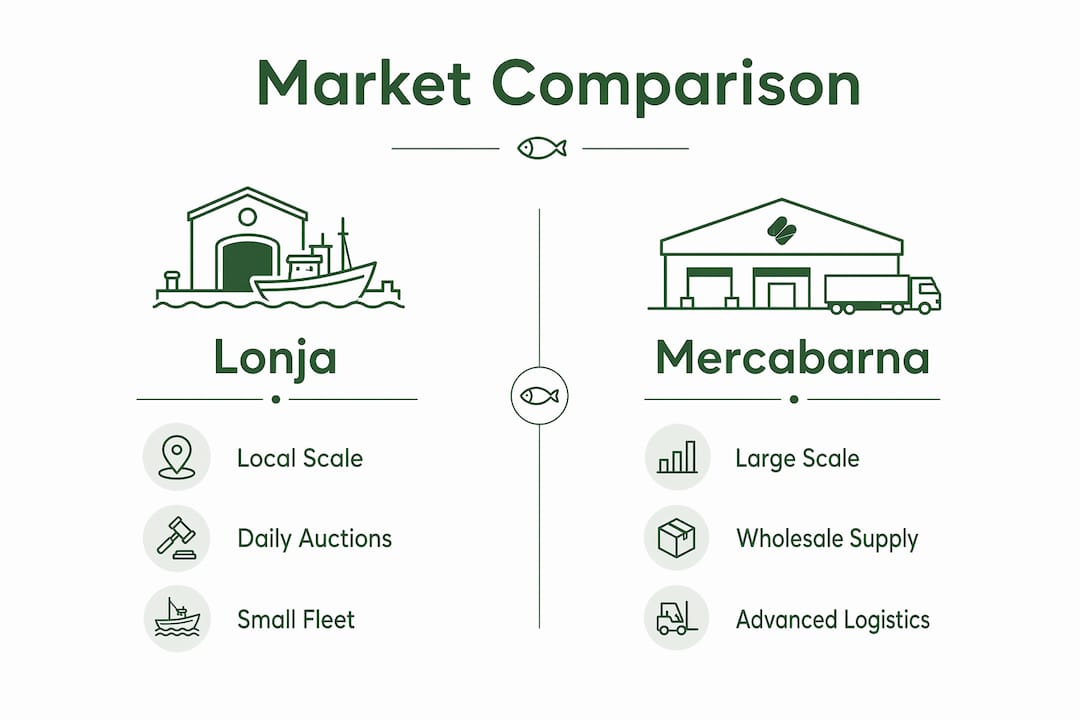
Mercabarna operates on an entirely different level. Mercabarna processes over 100,000 tons of seafood annually and serves more than 3,000 buyers daily, making it Spain’s largest seafood wholesale market. That scale reflects its role as a national and international distribution hub, not a local auction house. Mercabarna handles imports, frozen product, and large-volume orders for supermarket chains and international distributors alongside fresh local fish.
Mercabarna’s cold chain logistics and traceability infrastructure represent modern wholesale benchmarking at a global level. The Lonja, by contrast, represents something the wholesale market cannot replicate: direct connection between the fisherman and the buyer, with catch-to-counter times measured in hours rather than days.
Key differences at a glance:
| Feature | Lonja Fish Market | Mercabarna Seafood Hub |
|---|---|---|
| Primary function | Local daily fish auction | Large-scale seafood wholesale |
| Volume | Small, seasonal, local catch | 100,000+ tons annually |
| Buyer types | Restaurants, local fishmongers | Supermarkets, international distributors |
| Product origin | Barcelona fishing fleet | Imports and national suppliers |
| Traceability model | Cooperative, catch-specific labels | Industrial cold chain systems |
- The Lonja prioritizes freshness and direct producer-to-buyer relationships.
- Mercabarna prioritizes volume, logistics, and price efficiency at scale.
- Both markets serve Barcelona’s food system, but at opposite ends of the supply chain.
How does the Lonja reflect Barcelona’s fishing culture?
Local fishing functions as cultural resistance against urban development pressures, maintaining a symbolic and economic maritime identity for Barcelona that urban growth constantly threatens. The Lonja is not just a market. It is the physical expression of a community that has fished the Mediterranean for centuries and refuses to disappear quietly.
The Cofradía de Pescadores manages the cooperative structure that keeps this community organized. It handles traceability, statistics, and collective negotiation with regulators. Without the Cofradía, individual fishermen would face EU bureaucracy alone, with no institutional voice.
“The small-scale coastal fishery cannot be managed using the same regulations designed for industrial fleets. The cooperative model exists precisely because our fishing is different in scale, method, and impact.”
— Javier Carrasco, Cofradía de Pescadores manager
Barcelona’s local fishing fleet has faced serious pressure from urban expansion, port development, and regulatory burdens. The fleet has shrunk considerably over recent decades, and each boat lost represents not just lost income but lost knowledge, lost tradition, and a weaker supply of genuinely local seafood for the city’s restaurants.
The Lonja has adapted by integrating tourism and value-added services. The new Platjeta facility includes a restaurant-mirador that connects tourism to seafood culture, giving visitors a direct experience of the fishing community’s daily life. This diversification is not a compromise. It is a survival strategy that keeps the cooperative economically viable while sharing its culture with a wider audience.
Pro Tip: Supporting restaurants that source directly from the Lonja is one of the most direct ways to keep Barcelona’s local fishing fleet economically viable. Ask your server where the fish comes from. The answer tells you a great deal about the restaurant’s values.
What challenges are shaping the Lonja fish market in 2026?
The Lonja fish market and Barcelona’s fishing sector face a combination of regulatory pressure, economic strain, and fleet decline that defines the current moment for local fishermen. These are not abstract policy debates. They affect how much locally caught fish reaches Barcelona’s tables each week.
Barcelona’s local fishing fleet has decreased by 25% over three years, leaving approximately 36 active boats. That number is striking. A city of Barcelona’s size and culinary reputation depends on fewer than 40 boats for its genuinely local Mediterranean catch.
The regulatory environment compounds the pressure. Local fishermen have protested against EU regulations they consider unsuitable for small-scale coastal fishing. The core complaint is that rules designed for industrial fleets, including electronic logbooks and pre-landing notifications, impose disproportionate administrative burdens on boats that may carry two or three crew members. Small-scale fishermen use cooperative-managed traceability systems that differ fundamentally from industrial controls, yet regulators often apply the same framework to both.
Recent developments offer some grounds for optimism:
- The new Platjeta fish market facility covers 3,233 m² and uses automated labeling to meet EU traceability standards without slowing the auction.
- The facility’s restaurant-mirador creates new revenue streams for the cooperative through culinary tourism.
- The Cofradía de Pescadores continues to negotiate with regulators to protect the cooperative governance model.
- Fishermen are diversifying into seafood tasting events and guided market experiences to supplement auction income.
The tension between European standardization and local fishing practice is real and unresolved. The Lonja’s future depends on regulators recognizing that a 36-boat cooperative fleet is not a scaled-down version of an industrial fishery. It is a fundamentally different operation that requires a different regulatory approach.
How does the Lonja fish market shape Barcelona’s culinary scene?
The Lonja’s auction determines what appears on Barcelona’s best seafood menus each day. Chefs who source directly from the auction receive fish that was swimming in the Mediterranean hours earlier. That timeline is the foundation of authentic Catalan maritime cuisine.
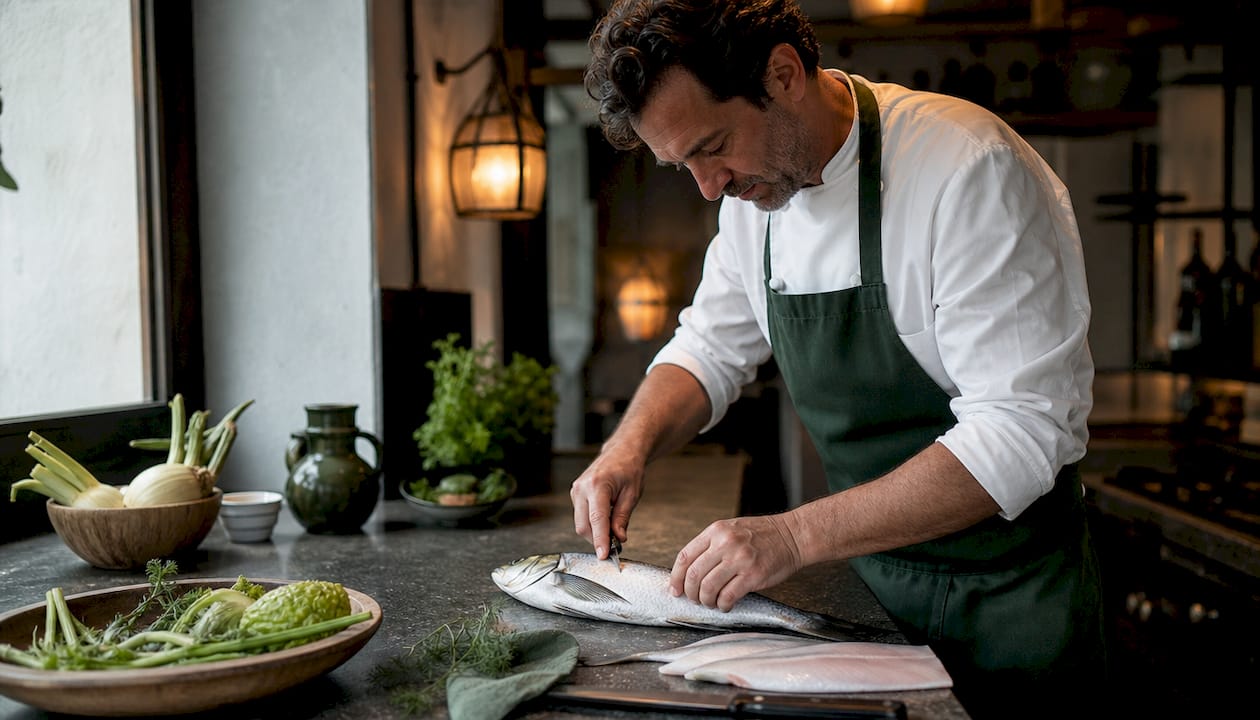
Seasonal fishing in Catalan cuisine depends entirely on what the local fleet brings in. Red mullet in summer, sea bass in autumn, and cuttlefish in winter are not menu decisions. They are responses to what the Lonja has available on a given morning. Restaurants that follow this rhythm serve food that is genuinely connected to place and season.
The connection between market and kitchen produces dishes that cannot be replicated with imported or farmed fish. A traditional Catalan rice dish built around that morning’s catch from the Lonja carries a flavor profile that reflects the specific waters, season, and fishing method involved. That specificity is what separates fresh Mediterranean seafood from generic restaurant fish.
For visitors and locals who want to experience the Lonja’s impact directly:
- Visit the Port of Barcelona in the early morning to observe the auction process.
- Choose restaurants that name their fish suppliers or reference local catch on the menu.
- Ask about the extraction method. Fish caught by small-scale seine or line fishing typically has better texture and flavor than trawl-caught alternatives.
- Look for Catalan seafood dishes built around whatever is in season, not a fixed menu that ignores the market.
Culinary tourism centered on the Lonja supports the fishing community directly. Every meal built around locally caught fish creates economic demand that keeps the fleet viable and the auction running.
Key Takeaways
The Lonja fish market in Barcelona is the city’s most direct link between local fishermen and the restaurants that define Catalan maritime cuisine, making its survival a culinary and cultural priority.
| Point | Details |
|---|---|
| Auction process and traceability | Every lot receives an automated label with fishing zone, vessel, date, and buyer, meeting EU standards. |
| Lonja vs. Mercabarna | The Lonja serves local small-scale fishermen; Mercabarna handles 100,000+ tons annually for wholesale distribution. |
| Fleet decline | Barcelona’s local fleet has shrunk by 25% in three years, leaving approximately 36 active boats. |
| Cultural and cooperative role | The Cofradía de Pescadores manages traceability and advocates for regulations suited to small-scale fishing. |
| Culinary impact | Restaurants sourcing from the Lonja serve fish caught hours earlier, defining the quality of Catalan seafood cuisine. |
Why the Lonja deserves more attention than it gets
Most visitors to Barcelona spend their food energy on La Boqueria, which is a fine market but one built largely for tourists. The Lonja operates in a different register entirely. It is a working institution, not a spectacle, and that is exactly what makes it worth understanding.
What strikes me most about the Lonja is how much it reveals about the tension between European regulatory ambition and local fishing reality. The EU’s traceability requirements are not wrong in principle. Knowing where your fish comes from matters. But applying industrial-fleet logic to a 36-boat cooperative is a category error, and the fishermen protesting in 2026 are right to call it out.
The Lonja also shows something that food culture often misses: authenticity has an economic cost. Keeping a small fleet viable in a major port city, against competition from cheap imports and the administrative weight of EU compliance, requires active support from the restaurants and diners who benefit from it. Choosing a restaurant that sources from the Lonja is not a sentimental gesture. It is a purchasing decision with real consequences for the fleet’s survival.
Visitors who engage with the Lonja’s culture, whether by watching the auction, eating at the Platjeta restaurant-mirador, or simply choosing restaurants that name their suppliers, participate in something genuinely rare: a living maritime tradition in one of Europe’s most visited cities.
— YellowRock
Fresh from the Lonja: dining at Elspescadors
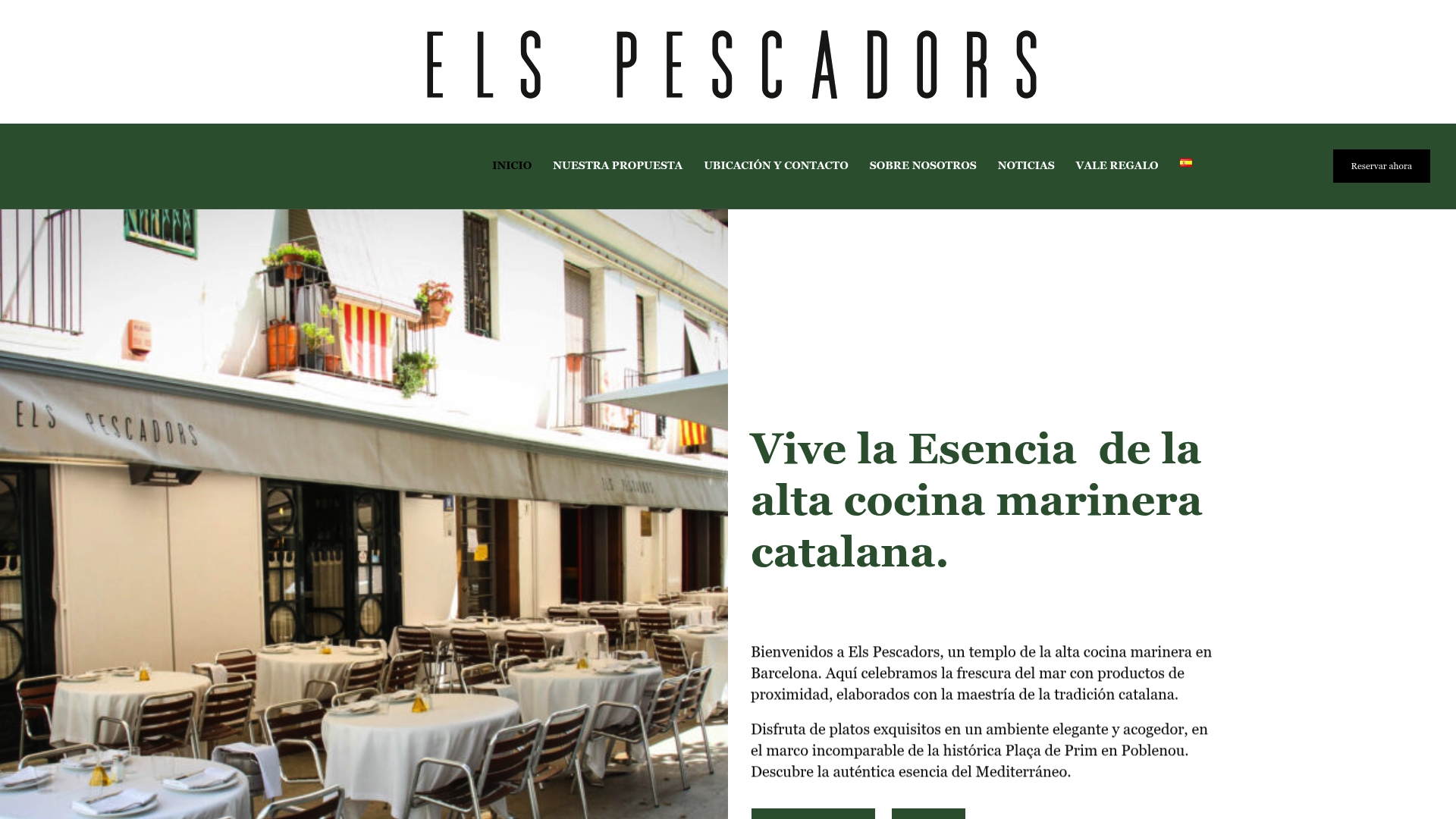
Elspescadors, located in Barcelona’s historic Poblenou district at Plaça de Prim, builds its menu around the same philosophy that drives the Lonja auction: fresh, local, and seasonal. The kitchen works with the Mediterranean’s daily catch, translating what the local fleet brings in into traditional Catalan rice dishes, grilled fish, and refined seafood preparations that change with the season.
For groups looking to share that experience, Elspescadors offers group seafood dining options designed around communal Catalan eating traditions. The tasting menu format lets you move through the season’s best catch in a single sitting. Reservations are available directly through the website, where you can also find fresh fish restaurants that share Elspescadors’ commitment to quality and local sourcing.
FAQ
What is the Lonja fish market in Barcelona?
The Lonja is the daily fish auction hall at the Port of Barcelona where local fishermen sell their Mediterranean catch directly to buyers. It operates under the management of the Cofradía de Pescadores and follows EU traceability regulations.
How does the Lonja fish market ensure seafood freshness?
The auction runs each morning with catch landed the same day, and every lot receives an automated label recording the fishing zone, vessel, catch date, and extraction method. That documentation chain keeps the time from sea to buyer as short as possible.
How many boats supply the Lonja fish market?
Barcelona’s local fishing fleet has approximately 36 active boats after a 25% reduction over three years. That small fleet supplies the Lonja’s daily auction with genuinely local Mediterranean catch.
What is the difference between the Lonja and Mercabarna?
The Lonja is a small-scale local fish auction for Barcelona’s fishing cooperative. Mercabarna is Spain’s largest seafood wholesale market, processing over 100,000 tons annually and serving more than 3,000 buyers per day, including international distributors.
How does the Lonja fish market connect to Barcelona’s restaurants?
Restaurants that source from the Lonja receive fish caught hours before service, which directly shapes the quality and authenticity of Catalan seafood dishes. Seasonal availability from the local fleet determines what appears on menus each day.