Catalan group dining benefits are defined by one core principle: shared food creates shared experience. The communal, shared-plate format of Catalan cuisine turns any meal into a social event, whether your group is celebrating a milestone, onboarding a new team, or hosting a client dinner in Barcelona. Dishes like pa amb tomàquet and mar i muntanya recipes are built for the table, not the individual. Elspescadors, located in the historic Poblenou district, delivers exactly this kind of experience through authentic Catalan maritime cuisine designed for groups who want more than a meal.
1. How the shared-plate format drives social interaction
The shared-plate format keeps conversations lively by eliminating the quiet eating lulls that come with individual entrées. When food arrives continuously and everyone reaches across the table, the meal becomes a conversation in itself.
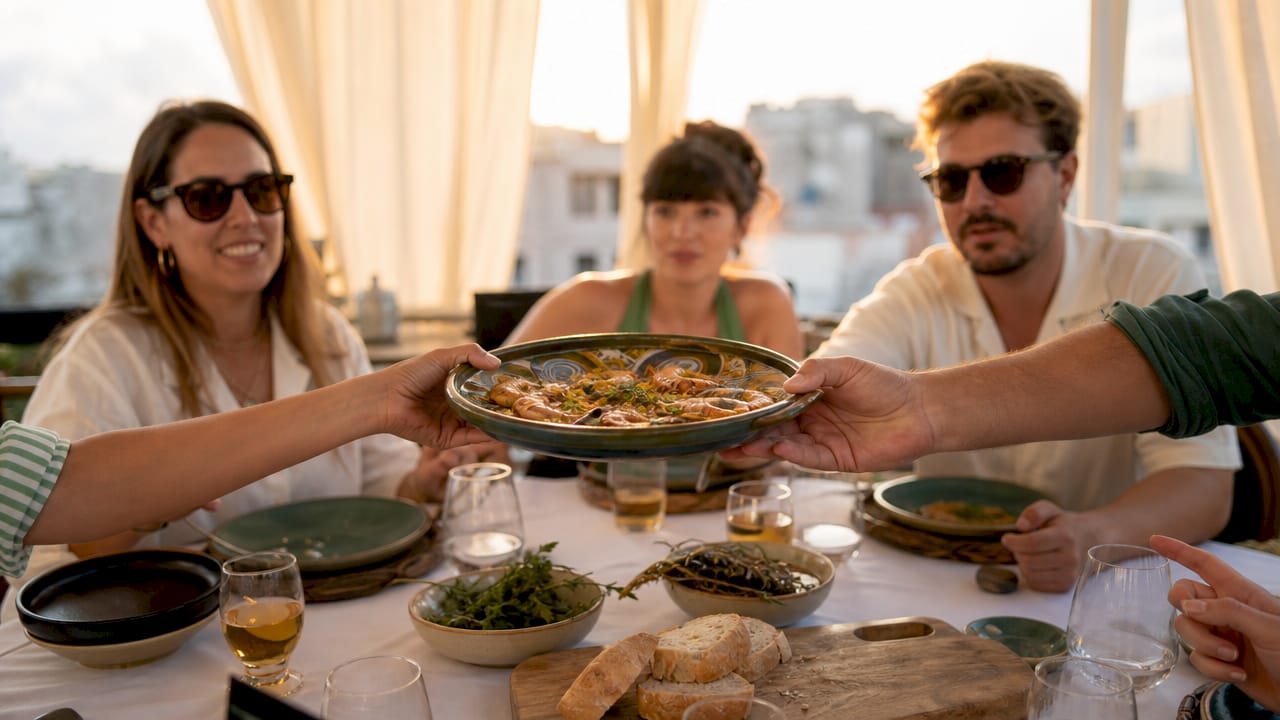
Catalan cuisine is built around this dynamic. Tapas-style service means no one waits alone for their plate. Dishes arrive in waves, giving the group natural moments to pause, react, and talk. That rhythm sustains energy across a two or three-hour meal far better than a fixed three-course format.
Shared plates also handle dietary diversity better than individual orders. Menus built around sharing accommodate dietary restrictions more easily and keep everyone engaged, since there are always multiple dishes in play. No one is stuck with a single choice they cannot change.
- Continuous food arrival keeps energy levels high throughout the meal
- Multiple dishes mean guests with dietary restrictions always have options
- Collective ordering removes the pressure of individual decision-making
- Passing dishes across the table creates physical and social connection
- Fewer ordering bottlenecks mean staff can focus on service quality
Pro Tip: Assign one person per table to coordinate the first round of shared dishes. This prevents duplicate orders and gets food moving faster, which sets the tone for the whole evening.
2. What corporate benefits come from Catalan group dining?
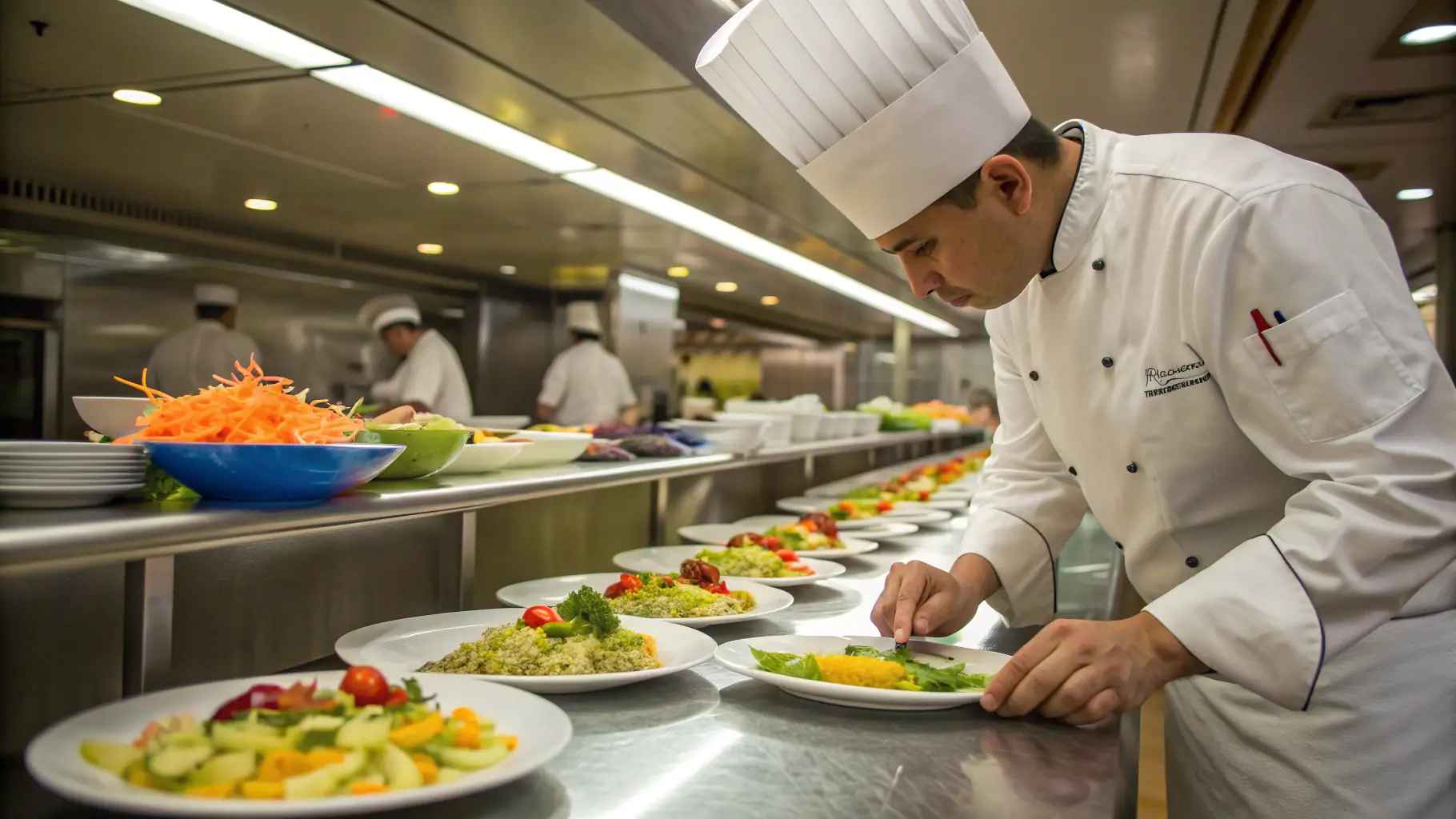
Corporate team-building cooking experiences in Barcelona typically run about 3 hours with a minimum group size of 12 people. That structure is not arbitrary. It reflects how long it takes for a group to move from polite interaction to genuine collaboration.
Catalan culinary events act as a natural way to expose communication styles and foster collaboration in a low-pressure setting. Cooking mar i muntanya or preparing pa amb tomàquet together reveals how individuals lead, delegate, and respond to ambiguity. Those are exactly the dynamics that matter in a workplace.
“Team-building cooking events leverage structured culinary tasks and assigned roles to foster inter-departmental collaboration rarely achieved in traditional dining.”
A 1:10 chef-to-participant ratio maximizes engagement and cross-team collaboration during cooking workshops. That ratio keeps every participant active rather than watching from the sidelines. The result is a session that feels participatory, not performative.
- Structured cooking roles reveal leadership and communication styles
- Low-pressure environment encourages quieter team members to contribute
- Cross-departmental mixing during cooking breaks down workplace silos
- Shared success in preparing a dish builds collective pride and rapport
- The experience generates shared stories that persist long after the event
For groups planning corporate dining in Barcelona, the Catalan format offers something a conference room never can: a reason to work together that feels genuinely enjoyable.
3. What sensory and cultural advantages does Catalan cuisine offer groups?
Catalan cuisine carries a cultural narrative that enriches every group meal. The ingredients, techniques, and dish names all tell a story about the Mediterranean coast, the Pyrenees, and the fishing communities that shaped Barcelona’s food identity. That context turns dinner into an experience worth talking about.
Here are the key sensory and cultural advantages that make Catalan cuisine stand out for group occasions:
- Local ingredient sourcing. Seasonal seafood and products like DO Alella wines connect guests to the region’s agricultural and maritime identity. Guests taste where they are, not just what they ordered.
- The mar i muntanya concept. This Catalan tradition of pairing seafood with meat on a single plate surprises most guests. It sparks conversation and demonstrates the cuisine’s creativity.
- Pa amb tomàquet as a ritual. Rubbing tomato and olive oil onto bread is a communal act. Groups perform it together, which immediately breaks formality.
- Menu customization for event themes. A menu built around local Catalan ingredients can reflect a company’s values, a celebration’s mood, or a client’s regional origin.
- Seasonal freshness as a talking point. When a server explains that the fish arrived that morning, it gives guests something concrete to engage with. Food provenance is a natural conversation starter.
- Storytelling embedded in the menu. Dishes with historical or regional names give staff a reason to narrate, which adds depth to the meal without requiring a formal presentation.
The MICE sector increasingly treats gastronomy as an immersive experience that reinforces emotional connections with local products. That shift reflects what groups already know intuitively: a meal with a story is more memorable than a meal without one.
4. How do venues optimize space and service for large groups?
Venue design is the difference between a group dinner that flows and one that fragments. Dedicated private areas with acoustic design for 90–150 guests enhance productive corporate interactions. Open-plan setups scatter conversation and force guests to shout, which kills the intimacy that makes group dining valuable.
The right venue manages course timing as carefully as it manages the menu. For large groups, staggered service prevents the chaos of 20 plates arriving at once. Experienced group-service staff know how to read a table and adjust pacing without disrupting the conversation.
Seating arrangement matters as much as the room itself. Round or oval tables encourage equal participation. Long banquet tables create natural sub-groups, which works well for larger gatherings where you want clusters of conversation rather than one shared discussion.
| Feature | Why it matters for groups |
|---|---|
| Private room with acoustic control | Reduces noise bleed and keeps conversation focused |
| Staggered course timing | Prevents service bottlenecks for parties over 20 |
| Trained group-service staff | Anticipates needs without interrupting the meal flow |
| Flexible seating layouts | Supports both intimate clusters and full-group interaction |
| Dedicated event coordinator | Handles logistics so the host can focus on guests |
For groups selecting a venue for their celebration, acoustics and service expertise should rank above décor. A beautiful room with poor sound management will undermine even the best menu.
5. Practical tips for maximizing your Catalan group dining experience
Planning is what separates a good group dinner from a great one. Groups of six or more typically require special reservations to ensure proper seating and service flow. Book at least three to four weeks in advance for groups over 15, and six to eight weeks for events over 30.
Menu selection is your most powerful planning tool. Choose a pre-set sharing menu rather than asking everyone to order individually. This speeds up service, reduces kitchen errors, and keeps the meal moving. Ask the venue to flag which dishes are naturally gluten-free, dairy-free, or pescatarian so you can communicate options to your group before the event.
Local wine pairings add depth without requiring expertise. A Catalan white like a DO Penedès Xarel-lo pairs cleanly with seafood dishes and gives guests a regional reference point. Ask your venue’s sommelier for a single pairing recommendation per course rather than an open wine list. This simplifies decisions and keeps the focus on the meal.
- Book early: venues with private rooms fill up weeks in advance for Friday and Saturday evenings
- Share the menu with guests beforehand so dietary needs surface before the night
- Request a dedicated server or event contact for groups over 20
- Build in 15 extra minutes at the start for late arrivals before the first course
- Confirm the final headcount 48 hours before the event to avoid service delays
Pro Tip: Ask the venue to prepare a brief verbal introduction to the menu at the start of the meal. A 90-second explanation of the dishes and their origins gives guests an immediate talking point and sets a cultural tone for the evening.
Engaging with venue staff before the event pays off on the night. Experienced group-dining teams at places like Elspescadors can adjust pacing, swap dishes for dietary needs, and suggest wine pairings that match your group’s preferences. That kind of flexibility is what culinary experiences in Barcelona do better than almost anywhere else.
Key takeaways
Catalan group dining benefits are rooted in the shared-plate format, which drives social bonding, accommodates diverse dietary needs, and creates the conditions for genuine team collaboration.
| Point | Details |
|---|---|
| Shared plates fuel conversation | Continuous food arrival eliminates quiet lulls and keeps group energy high. |
| Corporate events gain from structure | A 3-hour cooking format with a 1:10 chef ratio maximizes team engagement. |
| Cultural narrative adds depth | Dishes like mar i muntanya and pa amb tomàquet give groups a story to share. |
| Venue acoustics determine success | Private rooms with controlled sound outperform open-plan setups for groups. |
| Early booking protects the experience | Groups over six need advance reservations to secure proper seating and service. |
Why Catalan group dining works better than most people expect
I have sat through enough corporate dinners in generic hotel ballrooms to know what a wasted opportunity looks like. The food arrives on individual plates, everyone eats in near silence for 20 minutes, and then the conversation has to restart from scratch. The meal does nothing to help the group connect.
Catalan group dining solves that problem structurally. The food itself creates the interaction. When you are passing a plate of grilled cuttlefish or debating whether to order another round of rice, you are already collaborating. That is not a small thing. It is the difference between a dinner people remember and one they forget by Monday morning.
What surprises most groups is how much the cultural layer adds. Guests who have never heard of mar i muntanya leave with a genuine curiosity about Catalan food history. That curiosity becomes a shared reference point, which is exactly what a good team-building event is supposed to create. You cannot manufacture that with a PowerPoint presentation.
The practical side matters too. Local cuisine in tourism research consistently shows that food experiences are among the most memorable parts of any trip or event. Groups that invest in a well-planned Catalan dinner in Barcelona leave with something more durable than a business card exchange. They leave with a story.
My honest recommendation: skip the set-menu-for-everyone approach and ask the venue to build a sharing menu around what is fresh that week. The seasonal variation is part of the point. It signals that the meal was made for your group, not assembled from a standard template.
— YellowRock
Elspescadors: group dining built around Catalan tradition
Elspescadors brings together everything that makes Catalan group dining work: fresh seasonal seafood, authentic maritime recipes, and a setting in Barcelona’s historic Poblenou district that feels genuinely local rather than tourist-facing. The restaurant’s team designs menus specifically for groups, whether the occasion is a corporate dinner, a birthday celebration, or a client event.
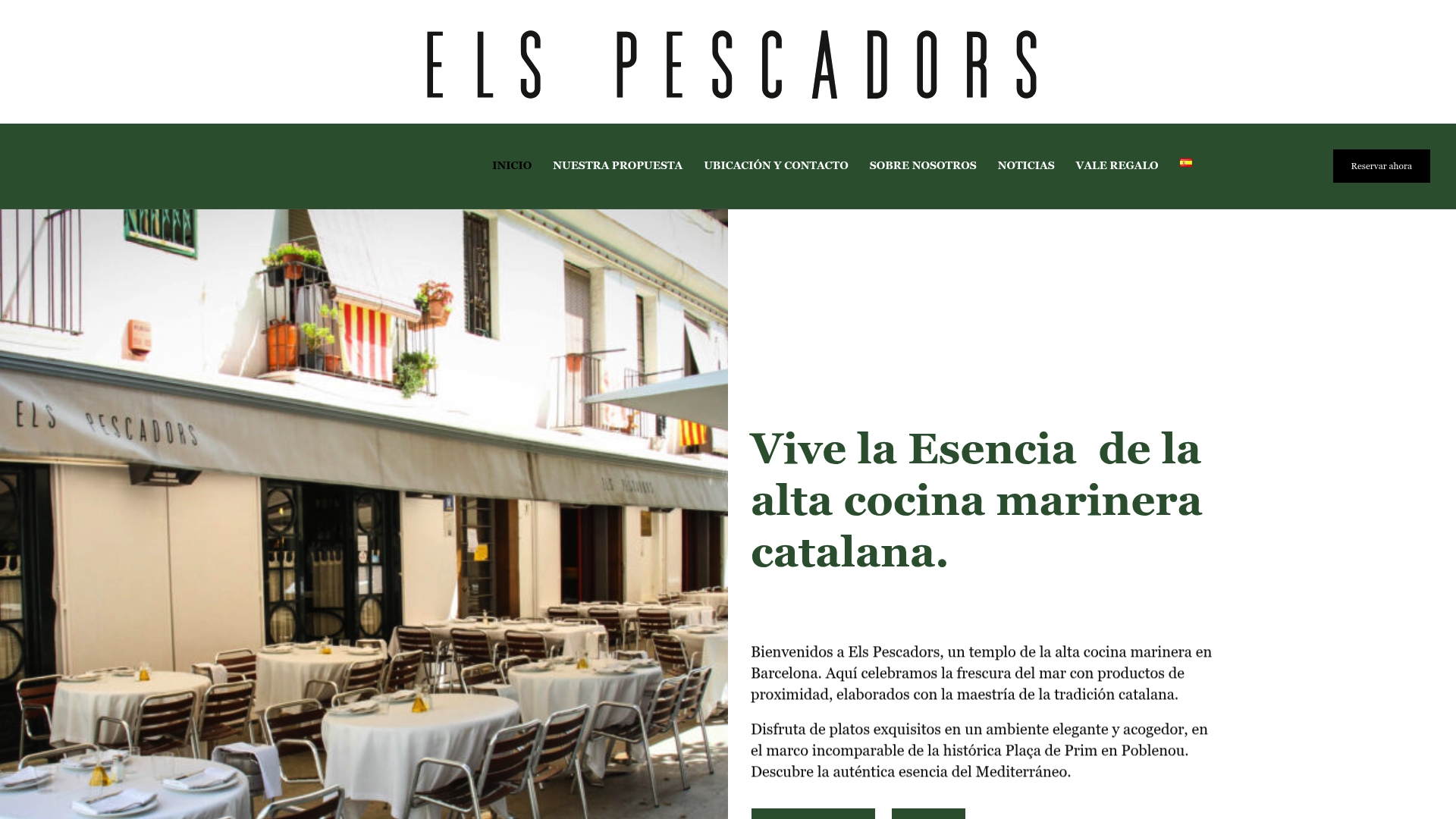
Private dining spaces at Elspescadors are designed for conversation, with service staff experienced in managing the timing and flow that large groups require. The menu draws from daily fresh catch and traditional Catalan techniques, giving every group a meal that reflects where they are. For groups ready to plan a memorable seafood feast in Barcelona, Elspescadors offers tailored menus and dedicated support from the first inquiry to the final course. Reach out directly to discuss your group’s size, dietary needs, and event goals.
FAQ
What makes Catalan cuisine well suited for group dining?
Catalan cuisine’s shared-plate format keeps food arriving continuously, which sustains conversation and eliminates the quiet lulls common in individual-order meals. The format also accommodates dietary restrictions more easily than a fixed individual menu.
How far in advance should a group book a Catalan restaurant in Barcelona?
Groups of six or more typically require special reservations, and groups over 15 should book three to four weeks ahead. For events over 30 guests, six to eight weeks of lead time is recommended to secure private space and customized menus.
Can Catalan group dining work for corporate team-building events?
Yes. Corporate cooking experiences in Barcelona run approximately 3 hours and use a 1:10 chef-to-participant ratio to maximize engagement. The structured format reveals communication styles and builds cross-team rapport in a way that traditional meeting formats do not.
What Catalan dishes work best for large group menus?
Shared dishes like pa amb tomàquet, rice dishes, and seasonal seafood platters work best because they scale easily and give guests multiple options. Mar i muntanya dishes, which pair seafood with meat, are particularly effective conversation starters for groups unfamiliar with Catalan cuisine.
Does venue acoustics really affect group dining outcomes?
Dedicated private areas with acoustic design significantly enhance productive group interactions compared to open-plan restaurant setups. Controlled sound keeps conversations focused and prevents the fatigue that comes from competing with ambient noise across a large dining room.