When dining at a high-end restaurant in Barcelona, one of the most important decisions is choosing between ordering à la carte or opting for a tasting menu.
Both options offer unique advantages, and understanding their differences will help you select the experience that best matches your expectations, the occasion, and your dining style.
What Is an À la Carte Menu?
An à la carte menu allows you to choose individual dishes according to your personal preferences.
This format offers:
- Freedom to select what you want to eat
- Flexibility in portion size and number of courses
- The ability to adapt the meal to your appetite
À la carte dining is ideal for those who want a more personalized and flexible experience, focusing on specific dishes rather than a structured sequence.
In restaurants specializing in seafood cuisine, this often means choosing fresh fish of the day, rice dishes, or seasonal specialties based on availability.
What Is a Tasting Menu?
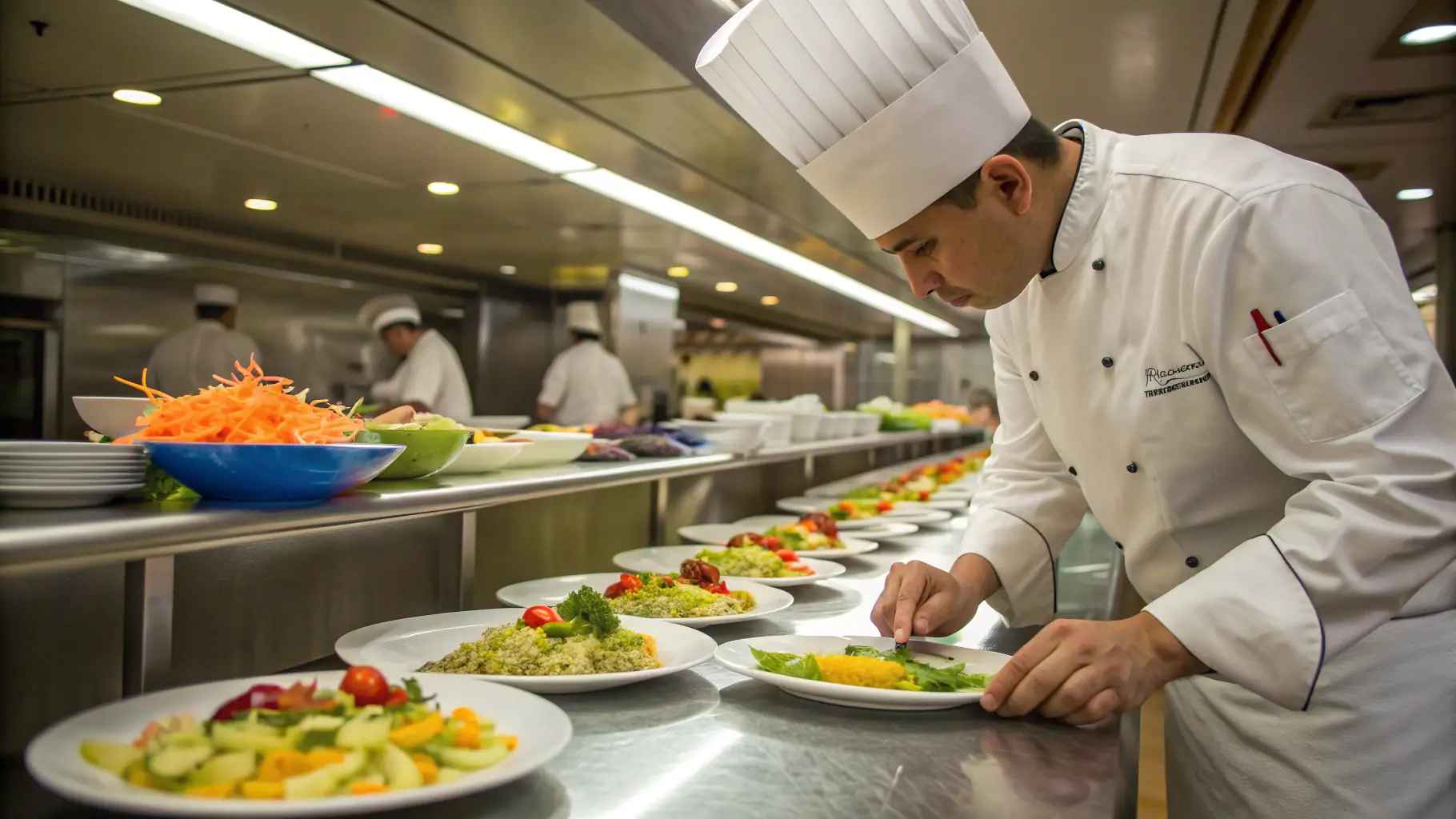
A tasting menu is a curated culinary experience designed by the chef to showcase the essence of the restaurant.
It consists of a sequence of smaller dishes served in a specific order, creating a narrative through flavors, textures, and techniques.
Typically, a tasting menu includes multiple courses—often six or more—carefully structured to guide the diner through a complete gastronomic journey.
This format emphasizes:
- Creativity and technique
- Presentation and storytelling
- A complete and immersive experience
Rather than choosing individual dishes, the diner trusts the chef’s vision.
Key Differences Between À la Carte and Tasting Menu
Understanding the core differences helps you decide which option suits your needs:
Freedom vs Structure
- À la carte offers total freedom of choice
- Tasting menus follow a predefined sequence designed by the chef
Duration of the Experience
- À la carte meals are usually shorter and more flexible
- Tasting menus tend to be longer, as they involve multiple courses
Level of Exploration
- À la carte allows you to focus on specific dishes you already know or prefer
- Tasting menus encourage discovery and experimentation
Price Structure
- À la carte pricing depends on what you order
- Tasting menus have a fixed price that includes the full experience
When to Choose À la Carte
À la carte is the best option if you:
- Prefer flexibility and control over your meal
- Want a quicker dining experience
- Already know what you want to eat
- Are looking for a more casual or relaxed meal
It’s especially suitable for:
- Business lunches
- Informal dinners
- Repeat visits where you want to try specific dishes
When to Choose a Tasting Menu
A tasting menu is ideal if you:
- Want to experience the restaurant at its highest level
- Enjoy discovering new flavors and techniques
- Are celebrating a special occasion
- Have time to enjoy a longer, more immersive meal
This option is perfect for:
- Romantic dinners
- Special celebrations
- Gourmet experiences
A tasting menu represents the chef’s vision and often highlights the best seasonal ingredients available.
The Role of Seasonality and Product Quality
Whether you choose à la carte or a tasting menu, high-quality restaurants in Barcelona base their cuisine on:
- Fresh, seasonal ingredients
- Local sourcing
- Respect for Mediterranean tradition
In seafood-focused restaurants, this means daily catches, seasonal shellfish, and dishes that adapt to what the sea offers at any given time.
Menus—especially tasting menus—often change regularly to reflect this commitment to freshness and authenticity.
Can You Combine Both Experiences?
Many modern restaurants offer both options to adapt to different types of diners.
This flexibility allows guests to:
- Choose à la carte for a lighter meal
- Opt for a tasting menu for a full gastronomic experience
In fact, the trend in contemporary gastronomy is moving toward offering both formats, giving diners more control over their experience while still showcasing the chef’s creativity.
How to Choose the Right Option
To make the best decision, consider:
- The occasion (casual vs special)
- Your available time
- Your level of curiosity and openness to new flavors
- Whether you prefer control or surprise
There is no “better” option—only the one that best fits your expectations.
A Gourmet Experience in Barcelona
Barcelona offers a unique culinary landscape where both à la carte and tasting menus shine.
Restaurants specializing in Mediterranean and seafood cuisine often excel in both formats, combining:
- High-quality ingredients
- Technical precision
- A deep respect for tradition
Choosing between them is simply choosing how you want to experience that excellence.
Final Thoughts
À la carte and tasting menus represent two different ways of enjoying gastronomy:
- One is flexible and personalized
- The other is curated and immersive
Both can offer exceptional experiences when executed with quality and care.
The key is to choose the format that matches your moment—because in Barcelona, great cuisine is not just about what you eat, but how you experience it.