If you want an authentic pescado a la sal experience in Barcelona, book a table at a seafood restaurant in Poblenou and ask about the daily catch before you order — the LOST iN Barcelona City Guide is a helpful resource for planning your visit. The salt-crust technique rewards fresh, well-sourced fish and a kitchen that respects the method, and that combination is what separates a memorable plate from a soggy, over-salted one. Check availability and confirm the fish of the day when you reserve.
TL;DR:
- The quality of the fish is critical, with daily sourced, seasonal catch from local markets like La Boqueria ensuring freshness.
- Proper preparation involves keeping scales intact and judging doneness by eye and touch, not just timing, for optimal crust and flavor.
- Ordering involves confirming the fish’s weight, asking about accompaniments, and sharing the cracked fish directly from the table for an authentic experience.
- Prices vary based on fish size, species, and restaurant category, with a typical seasonal menu costing around 39 euros per person.
- Authentic pescado a la sal is prepared whole and table-cracked, not pre-cut or pre-finished, to preserve the dish’s traditional presentation and flavor.
Table of Contents
- What is pescado a la sal, exactly?
- How chefs cook it and how to tell it is done right
- Why fresh sourcing matters more than technique
- What to expect at Els Pescadors
- How to order and share it properly
- What a pescado a la sal meal actually costs and takes
- Local proof: sourcing and seasonal commitment at Els Pescadors
- Dietary considerations and possible allergens
- How the meal typically unfolds
- Spotting authentic pescado a la sal versus a shortcut version
- Why this dish still matters in Barcelona
- Book your table at Els Pescadors
- FAQ
- Sources
What is pescado a la sal, exactly?
Pescado a la sal means burying a whole fish under a thick layer of coarse salt before baking it. The crust hardens into a sealed, humid shell that works like a mini oven, trapping steam and preserving the fish’s natural juices rather than drying out the flesh. In Barcelona, the two fish you will see most often prepared this way are lubina (sea bass) and dorada (sea bream), both firm enough to hold their shape and flavorful enough to stand up to the crust.
This is a different approach than brining, or salmuera, where thinner cuts like fillets soak briefly in salted water. Salt-crust cooking is built for whole fish with scales and skin intact, since that layer protects the meat from the salt itself. Brining suits delicate pieces that would fall apart under a crust.
How chefs cook it and how to tell it is done right
Professional kitchens follow a fairly consistent formula. Ovens typically run between 180°C and 220°C, and the rule of thumb is about five minutes of cooking time per 100 grams of fish, adjusted for the size and thickness of the catch.
Pro Tip: Ask your server how they judge doneness. A kitchen that mentions the eye and tail test usually knows what it is doing.
A few things separate a well-executed crust from a rushed one:
- The salt is slightly dampened before packing, which creates a denser, more compact seal that traps steam evenly.
- Scales stay on and only the gills and viscera are removed, since the scales act as a natural barrier against over-salting.
- Doneness is judged by sight and touch, not a timer alone: the eye turns white and the tail pulls away easily when the fish is ready.
Chefs sometimes skip the crust entirely for fillets, turning instead to a brine of about 33 to 34 grams of salt per liter of water, a technique associated with chef Jordi Cruz for thinner cuts that would oversalt under a crust.
Why fresh sourcing matters more than technique
The salt-crust method is simple. What makes or breaks the dish is the fish underneath it, and in Barcelona that usually traces back to the city’s markets. La Boqueria and Mercat de la Concepció supply much of the daily catch that ends up on seafood menus across the city, and that market tradition still shapes how restaurants talk about sourcing today.
A few signs tell you a kitchen is sourcing seriously rather than just claiming to:
- The menu names the fish by species and sometimes the catch area, not just “fresh fish of the day.”
- Staff can tell you where the catch came from and whether it changes with the season.
- Portions and pricing shift day to day, a sign the kitchen is buying what the market actually has rather than freezing a standard cut.
Pro Tip: If a server can’t tell you where today’s fish came from, that’s a fair reason to ask more questions before you order.
What to expect at Els Pescadors
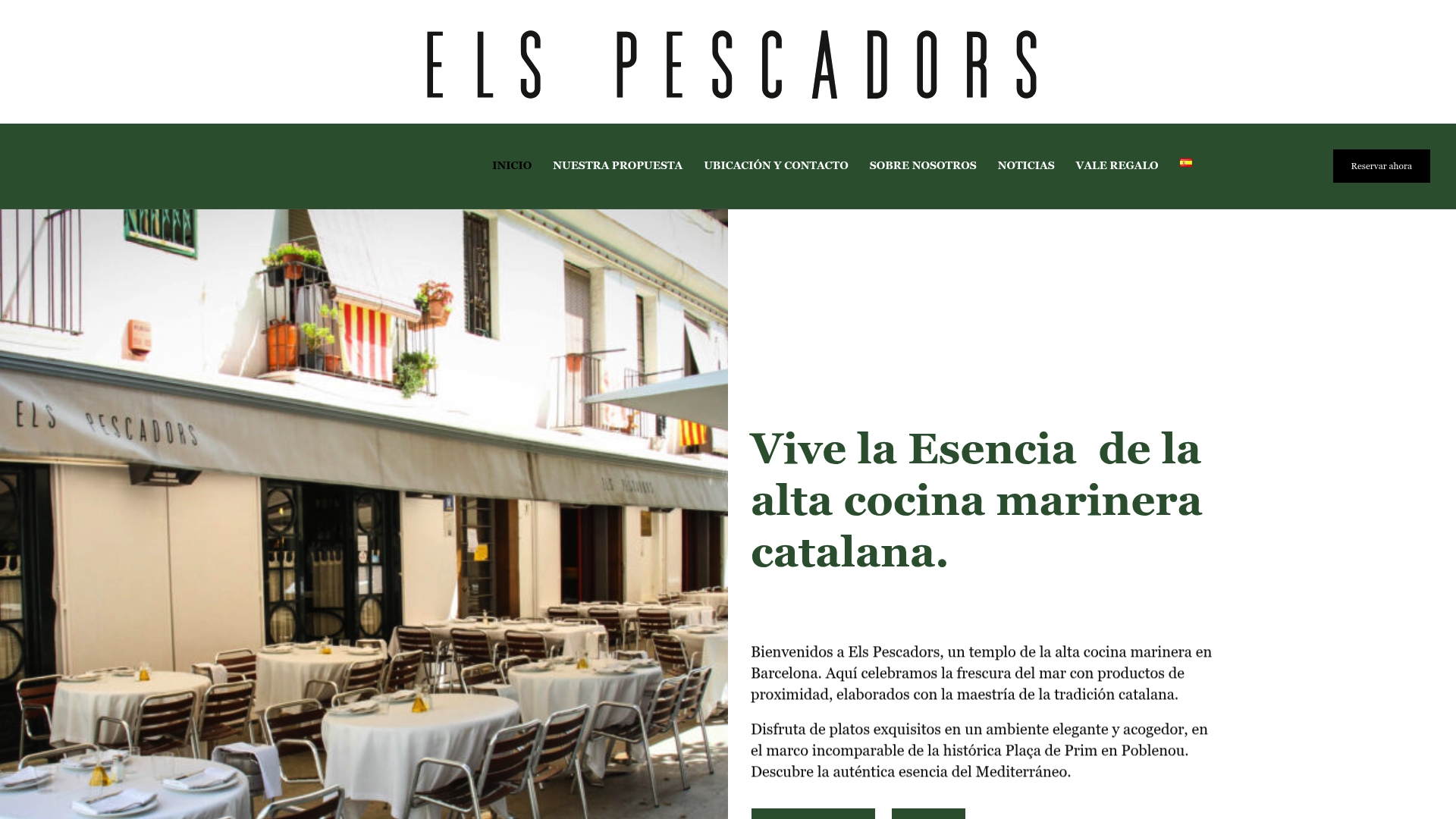
A seafood restaurant sits in Plaça de Prim, in the heart of Poblenou, a neighborhood that still carries its fishing-village character even as the rest of the district has modernized. The approach is built around daily fresh catch and seasonal menus that follow Catalan maritime tradition rather than a fixed, year-round menu designed for convenience.

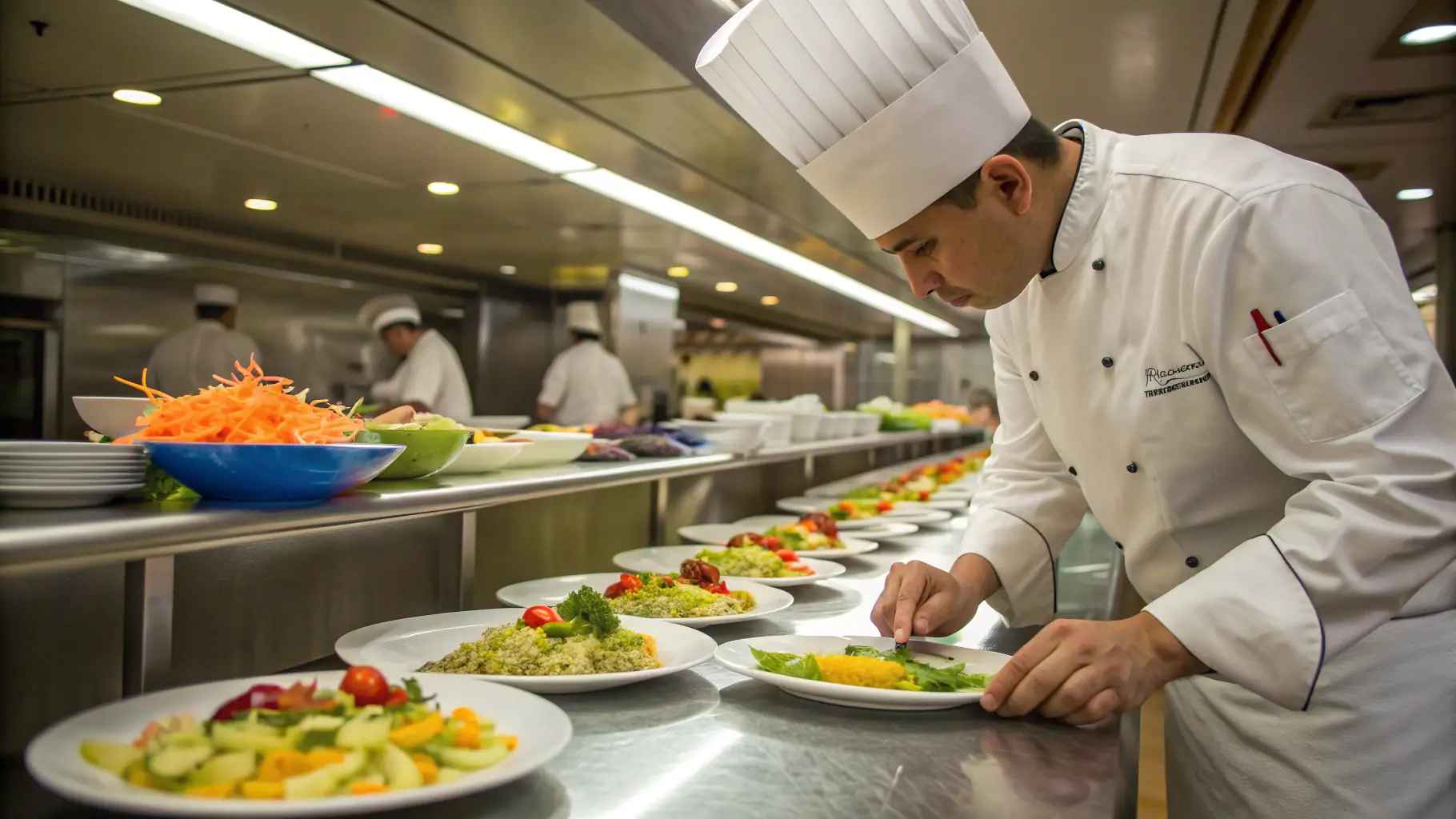
When pescado a la sal is available, it typically arrives whole at the table, crust intact, and gets cracked open and filleted in front of you. The presentation matters almost as much as the cooking: a server who takes a moment to show the fish before breaking the crust is part of the experience, not just service.
Here is what guests can generally expect when ordering fish at such a restaurant:
| What to expect | Detail |
|---|---|
| Sourcing | Daily fresh catch, menu built around seasonal availability |
| Cuisine style | Catalan maritime tradition with a refined, modern approach |
| Setting | Historic Poblenou location in Plaça de Prim |
| Menu formats | A la carte (La Carta), daily proposal, seasonal menu, tasting menu, group menus |
A few practical tips for booking:
- Ask specifically for pescado a la sal or pescado del día when you reserve, since whole-fish preparations depend on what the market delivered that morning.
- Lunch service tends to be less rushed than peak dinner hours if you want more time with the kitchen’s explanation of the dish.
- Larger parties should mention group size when booking, since whole fish may be portioned to serve multiple people.
Our seasonal menu proposal and daily offering both reflect what the market brings in, which is why asking ahead is worth the extra minute on the phone or booking form.
How to order and share it properly
Ordering pescado a la sal well comes down to a few simple moves:
- Confirm the fish’s approximate weight with your server so you know roughly how many people it will serve.
- Ask what accompaniments come with it: olive oil, allioli, and tomato concassé are classic pairings that complement without overpowering the fish.
- Let the server crack and fillet the crust at the table rather than doing it yourself, since the salt shell needs a steady hand to avoid seasoning the flesh unevenly.
- Share directly from the central plate rather than individual portions, which is how the dish is traditionally enjoyed among a table of two or more.
A crisp white wine or a simple cava works well alongside the fish, since the flavor profile is clean and the crust itself does the seasoning.
What a pescado a la sal meal actually costs and takes
Prices for a whole pescado a la sal main in Barcelona vary with the size of the fish, the restaurant’s category, and how the season’s catch is running that week. Several factors push the price up or down:
- Fish size and species: dorada and lubina priced per kilo mean a larger fish for the table costs more.
- Restaurant category: a fine-dining seafood house with daily market sourcing will typically price higher than a casual spot.
- Seasonal catch: scarcer fish in a given week can raise the price temporarily.
A single serving within a seasonal menu, like our Menú de Temporada at 39 euros per person, offers a fixed-cost alternative to ordering a whole fish a la carte.
Expect the cooking itself to take roughly the oven time dictated by the fish’s weight, plus plating and tableside cracking, so budget extra time beyond a quick lunch if pescado a la sal is on your table.
Local proof: sourcing and seasonal commitment at Els Pescadors
Our kitchen builds its approach around daily fresh catch, seasonal menus, and a commitment to sustainable, locally sourced ingredients, following a long-standing Catalan maritime tradition. We combine that sourcing discipline with a refined, modern approach to classic Mediterranean recipes rather than treating tradition and refinement as opposites. Our seasonal proposal page lays out how that sourcing shapes what ends up on the plate month to month.
Dietary considerations and possible allergens
Pescado a la sal is naturally simple from an ingredient standpoint: whole fish, coarse salt, and whatever oil or sauce accompanies it. That simplicity makes it a reasonable option for diners avoiding heavier sauces or dairy-based dishes, since the base preparation itself typically does not include cream, butter, or flour.
Salt content is worth a direct mention. Despite the thick crust, the fish itself does not absorb excessive salt when the scales stay on and the crust is cracked and removed properly, but anyone managing sodium intake closely should flag this to the kitchen before ordering, since total salt exposure can vary by preparation.
Accompaniments carry their own considerations. Allioli typically contains raw egg and garlic, which matters for anyone with an egg allergy or sensitivity. Olive oil and tomato concassé are generally safe for most diets but worth confirming if you are avoiding specific oils or nightshades.
Shellfish cross-contact is a reasonable question to ask in any seafood-forward kitchen, even when the dish itself is a single whole fish, since shared prep areas are common. If you are dining with specific allergies, mentioning them when you book rather than when you arrive gives the kitchen time to plan the dish around your needs.

How the meal typically unfolds
A pescado a la sal dinner tends to follow a natural rhythm rather than a rigid course structure. Many diners start with a lighter seafood starter, something like marinated anchovies or a simple seafood salad, to avoid filling up before the main event arrives.
The fish itself usually comes as a shared centerpiece, cracked and filleted tableside, which naturally slows the meal down and turns it into a communal moment rather than an individually plated course. Rice dishes, when offered alongside, are generally better as a separate course earlier in the meal rather than competing with the fish for attention.
For drinks, a crisp Spanish white like Albariño or a dry cava complements the clean flavor of the salt-baked fish without overpowering it. Dessert tends toward something light after a meal built around fish and salt, such as fresh fruit or a simple citrus-based sweet, rather than anything too rich.
If you are working through a tasting menu format rather than ordering a la carte, the pescado a la sal course, when included, typically arrives mid-meal, positioned between lighter starters and heavier or more complex dishes toward the end.
Spotting authentic pescado a la sal versus a shortcut version
The real version is cooked to order, whole, with the crust built and baked specifically for your table. A few signs separate it from an imitation or shortcut:
Authentic preparations are never pre-portioned before baking. If a restaurant pre-cracks or pre-fillets the fish in the kitchen before bringing it out, some of the tableside drama and the fresh-crack aroma is lost, which can be a sign the kitchen is streamlining rather than preparing it fresh for each order.
A properly made crust holds its shape as a solid shell, not a loose pile of salt scattered over the fish. If the “crust” looks more like seasoning than a sealed shell, it likely was not baked long enough or packed densely enough to actually trap steam.
The fish underneath should show no over-salted edges or dried-out patches near the skin. Over-salting usually means the scales were removed before cooking, stripping away the natural barrier that is supposed to protect the flesh.
Finally, a menu that lists “pescado a la sal” but serves a pre-filleted portion without any tableside presentation is worth a follow-up question. The dish’s entire identity rests on the whole-fish, cracked-at-the-table format, and skipping that step changes what you are actually getting.
Why this dish still matters in Barcelona
Pescado a la sal is not flashy. It depends entirely on the quality of the catch and a kitchen willing to respect a simple method instead of dressing it up. That is exactly why we recommend Els Pescadors: the dish rewards a restaurant built around daily market sourcing in a city whose seafood culture still runs through its markets and its coastline.
— YellowRock
Book your table at Els Pescadors
Booking ahead matters most when you want pescado a la sal specifically, since whole-fish preparations depend on what the market delivered that day. When you reserve, mention that you would like pescado a la sal or whatever pescado del día is available, so the kitchen can confirm it before you arrive.
A few things worth requesting when you book:
- Ask about the seasonal menu if you prefer a fixed format rather than ordering a la carte.
- Mention group size in advance if you are dining with more than two people, since whole fish is typically portioned for sharing.
- Ask about our Menú para Grupos if you are planning a private or corporate event around a seafood-focused meal.
Check our current seasonal proposal or browse La Carta to see what is on offer before you call, then reserve your table directly with us.
FAQ
What is the fish cooked in salt called?
In Spanish it is called pescado a la sal, literally “fish in salt,” referring to the whole-fish salt-crust technique rather than a specific fish species. The name describes the method, not the ingredient, so you will see it applied to lubina, dorada, and other firm white fish.
What is Barcelona’s typical dish?
Barcelona’s food culture centers on Catalan and Mediterranean seafood traditions, with dishes built around market-fresh fish, rice preparations, and simple, technique-driven cooking like salt-crust fish. There is no single “typical dish,” but seafood prepared simply and sourced from local markets defines much of the city’s dining identity.
Which fish works best for pescado a la sal?
Lubina (sea bass) and dorada (sea bream) are the most common choices, since their firm texture holds up under a thick salt crust without falling apart. Other whole white fish with intact scales can work as well, as long as the scales stay on to protect the flesh during cooking.
How far in advance should I reserve a table for this dish?
Because pescado a la sal depends on the day’s catch, booking a day or two ahead and mentioning the dish specifically gives the kitchen time to confirm availability. Peak dinner hours in Barcelona tend to fill faster, so earlier booking matters more on weekends.
Sources
- Cómo se hace la lubina a la sal, paso a paso
- Cómo salar el pescado y por qué deberías hacerlo con el truco de Jordi Cruz
- La tradición culinaria del bacalao en Semana Santa en Cataluña