Planning a seafood dinner at a popular restaurant takes more than picking a date and showing up. The step by step seafood restaurant reservation process involves timing, platform choices, communication, and knowing the fine print before you book. Miss one of those details and you risk losing your table, forfeiting a deposit, or arriving to find nothing available. This guide walks you through every stage, from checking availability to walking through the front door, so your next seafood dining experience goes exactly as planned.
Table of Contents
- Key takeaways
- Step by step seafood restaurant reservation prep
- How to book your reservation step by step
- Pre-arrival communication and day-of best practices
- Troubleshooting reservations and last-minute strategies
- How group seafood reservations work differently
- My take on what actually matters when booking seafood
- Experience Barcelona seafood the right way with Els Pescadors
- FAQ
Key takeaways
| Point | Details |
|---|---|
| Book early and precisely | Most seafood restaurants open reservations 30 days out, so know the release date. |
| Communicate dietary needs upfront | Note allergies and preferences at booking so the kitchen can prepare safely and properly. |
| Understand deposit policies | Refundable deposits typically require 24 to 48 hours notice to avoid losing your payment. |
| Group bookings need extra steps | Parties of 8 or more face higher deposits, pre-ordering requirements, and earlier confirmation timelines. |
| Monitor cancellations for last-minute access | Tables often free up 24 to 48 hours before the reservation date, making that window worth watching. |
Step by step seafood restaurant reservation prep
Before you open any booking platform, get your information organized. Walking into the process unprepared is how people end up with the wrong date, a missed dietary note, or a surprise deposit they didn’t budget for.
Here is what you need ready before you start:
- Date and time preferences. Have a first choice and a backup. Midweek evenings and early seatings (before 7 p.m.) tend to have more availability at high-demand seafood restaurants.
- Party size. Be exact. Booking for 4 when 6 are coming creates problems at the door.
- Dietary restrictions and allergies. Know the difference between a preference and an allergy. Noting shellfish allergies specifically, rather than just “seafood allergy,” helps the kitchen prepare correctly.
- Budget range. Some seafood restaurants require prepayment or deposits for premium tasting menus. Know what you’re committing to.
- Special occasions. Birthdays, anniversaries, and celebrations should be flagged at booking, not mentioned at the table.
Choosing the right platform
Most seafood restaurants offer direct booking through their website, and that’s usually the best starting point. Third-party platforms like OpenTable and Resy are useful for comparing availability across multiple venues, but they sometimes show different slot availability than the restaurant’s own system. When availability looks thin, call the restaurant directly. Phone bookings occasionally surface tables that online systems don’t display.
Pro Tip: Set a calendar reminder for the exact date a restaurant’s reservation window opens. Knowing the release window and being ready at that moment dramatically increases your chances of landing peak-hour tables at popular seafood spots.
The table below shows typical reservation window timelines to help you plan:
| Restaurant Type | Typical Booking Window | Best Day to Book |
|---|---|---|
| Casual seafood bistro | 7 to 14 days out | Any day |
| Mid-range seafood restaurant | 14 to 30 days out | Monday or Tuesday |
| Fine seafood dining | 30 to 90 days out | Day window opens |
| Special occasion / tasting menu | 60 to 90 days out | First available day |
How to book your reservation step by step
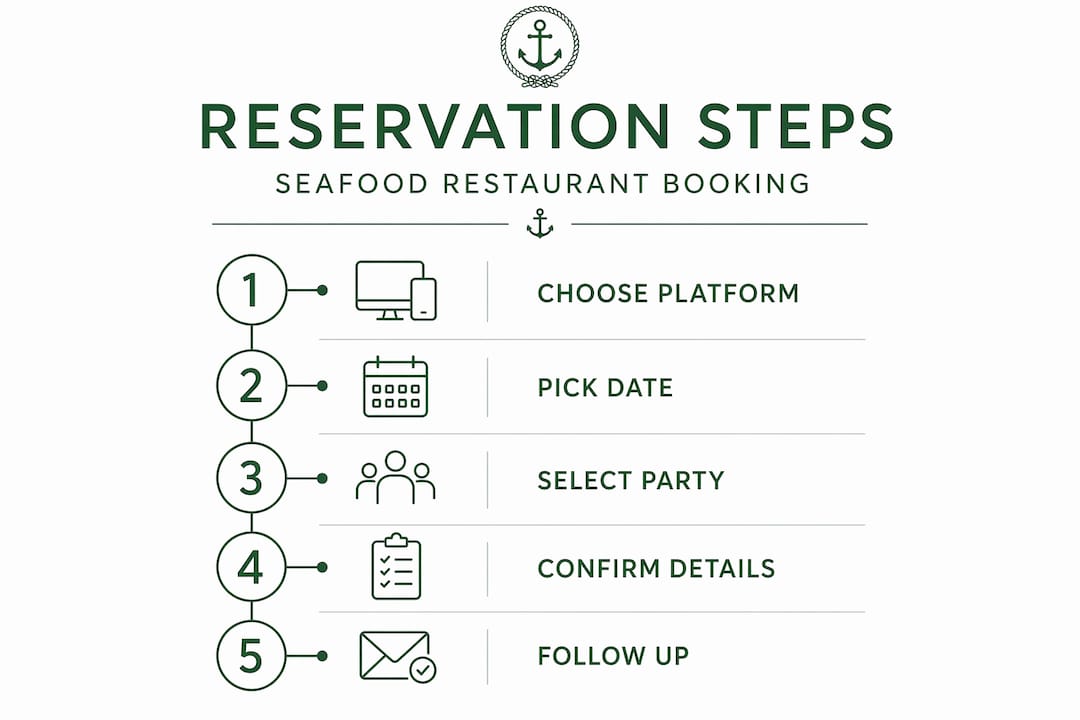
This is the core of the process. Follow each step in order and you’ll avoid the most common mistakes diners make when making a seafood reservation.
-
Check availability on multiple sources. Start with the restaurant’s official website, then cross-reference a platform like OpenTable or Resy. If nothing shows, call directly. Fine dining reservations typically follow a discovery, booking, pre-arrival, and day-of sequence, and this first step sets the tone for everything that follows.
-
Select your date, time, and party size carefully. If your first choice isn’t available, try 30 minutes earlier or later. Many platforms show adjacent slots that are just as good. Choosing a Tuesday instead of a Friday can open up significantly more options.
-
Enter guest details completely. Fill in every field, including dietary restrictions, seating preferences, and special occasion notes. Using the notes field specifically, with details like “nut allergy, not preference” or “window table for anniversary,” prompts the team to act rather than guess.
-
Review deposit and prepayment requirements. Some seafood restaurants, particularly those offering tasting menus or premium seating, require a deposit at booking. Refundable deposits generally require 24 to 48 hours advance cancellation notice to get your money back. Read this before you click confirm.
-
Confirm your booking and note the cancellation deadline. After booking, you’ll receive a confirmation email or SMS. Write down the cancellation deadline immediately. Don’t rely on memory or assume you’ll find the email later.
-
Save your confirmation and set reminders. Store the confirmation number somewhere accessible. Set two calendar reminders: one at the cancellation deadline and one the morning of your reservation.
Pro Tip: For a step by step authentic seafood meal experience, mention any tasting menu interest or specific dish requests in the notes at booking. Restaurants like Els Pescadors use that information to personalize your table setup and kitchen preparation before you arrive.
For special occasions, always follow up with a direct call or email to the restaurant 48 hours before. A confirmation email gets the booking in the system. A follow-up call gets the details in the kitchen.

Pre-arrival communication and day-of best practices
Booking the table is step one. What you do between confirmation and arrival shapes the actual experience more than most diners realize. Pre-arrival communication directly influences how the kitchen and service team prepare for your visit.
Here’s how to handle the days leading up to your reservation:
- Respond to any confirmation calls or texts promptly. Many seafood restaurants send a 24-hour confirmation request. Ignoring it can result in your table being released to the waitlist.
- Reconfirm dietary restrictions if your party has changed. If someone new is joining who has a serious allergy, contact the restaurant at least 24 hours out.
- Arrive 10 to 15 minutes early. This gives you time to check in without rushing and allows the host team to seat you without delay. Late arrivals at full-service restaurants often result in shortened table time.
- Communicate delays immediately. If you’re running late, call the restaurant directly rather than sending a platform message. Most restaurants hold tables for 10 to 15 minutes, and a call buys goodwill and sometimes more time.
- Check in clearly at the host stand. Give your name, party size, and reservation time. If you have specific seating notes on file, a quick mention helps confirm they were received.
Automated reminders sent 24 hours before reduce no-shows by 20 to 30%. If the restaurant sends you one, treat it as a prompt to confirm or cancel, not as spam.
Pro Tip: Some fine seafood restaurants use SMS table-ready notifications when there’s a wait. Opt in to these if offered. They let you explore the area instead of crowding the entrance, and you won’t miss your slot.
Troubleshooting reservations and last-minute strategies
Sold-out reservations are frustrating, but they rarely mean the situation is final. There are several reliable paths to securing a table even when platforms show no availability.
Use cancellations as a real-time channel. Tables typically free up in the 24 to 48 hours before a reservation date. This is the most underused strategy in seafood dining booking. Check the restaurant’s booking page the morning of your target date, or the evening before.
Here’s a comparison of last-minute access strategies ranked by effectiveness:
| Strategy | Effectiveness | Best For |
|---|---|---|
| Call restaurant directly | High | Finding unlisted availability |
| Check platforms daily near date | High | Cancellation monitoring |
| Arrive early for bar or walk-in seating | Medium | Solo diners or couples |
| Join waitlist via platform | Medium | Any party size |
| Social media direct message to venue | Low | Niche or boutique restaurants |
Additional approaches worth knowing:
- Call the restaurant directly. A polite call can reveal tables that aren’t showing in the online system or get you added to a verbal waitlist.
- Ask about bar seating. Some seafood restaurants reserve a section of seats specifically for walk-in guests, including bar positions with full menu access.
- Avoid common mistakes. Misreading the cancellation window, booking the wrong date, or failing to save your confirmation email are the top errors that lead to lost deposits and missed dinners.
How group seafood reservations work differently
A step by step group reservation for 8 or more guests at a seafood restaurant follows a different set of rules. Most fine dining venues treat large parties as a separate booking category entirely.
Key differences to know:
- Higher deposits. Large group bookings typically require larger upfront deposits that scale with party size. This protects the restaurant from significant revenue loss if the group cancels.
- Pre-ordering may be required. Some seafood restaurants ask large parties to select from a set menu or pre-order specific dishes 24 to 72 hours in advance. This allows the kitchen to prepare at the right volume.
- Earlier reconfirmation is expected. Where an individual diner might confirm 24 hours out, a group of 10 or 12 may need to reconfirm 48 to 72 hours before the reservation.
- Collect all dietary information from your group before you book. Don’t wait until the week of the dinner to find out someone has a serious fish allergy.
- Designate one contact person. The restaurant will direct all communication to one number or email. Distribute that role clearly within your group to avoid missed messages.
Pro Tip: When doing a step by step group reservation, create a shared document with the confirmed date, time, deposit amount, cancellation deadline, and each guest’s dietary needs. Send it to your group a week before. It prevents last-minute confusion and makes you look organized to the restaurant.
My take on what actually matters when booking seafood
I’ve worked alongside and studied fine dining operations long enough to have a clear opinion on this: most reservation problems are not booking problems. They’re communication problems.
The single highest-impact thing you can do when planning a step by step seafood tasting or a multi-course dinner is to be specific in every interaction with the restaurant. Don’t write “allergic to seafood” at a seafood restaurant and expect that to help anyone. Write “guest has a shellfish allergy, specifically shrimp and crab, not finfish.” That note changes how the kitchen handles your entire table.
I’ve also noticed that diners who treat the reservation release moment seriously almost always get the tables they want. Knowing that a sought-after restaurant opens its booking window 30 days out and being ready at that exact moment is the difference between a Friday dinner at a top seafood spot and settling for a Tuesday at 9 p.m.
The other thing I’d push back on is the assumption that flexibility is weakness. In my experience, diners who are willing to sit at the bar, take an early seating, or adjust their date by one day get more out of their seafood dining experiences than those who hold out for the perfect slot. Flexibility gets you in the room. Once you’re there, the food does the rest.
Finally, building a rapport with a restaurant over multiple visits genuinely pays off. I’ve seen regulars get called when a cancellation opens up, offered their preferred table without asking, and accommodated on short notice. That kind of relationship is built one clear, respectful reservation at a time.
— YellowRock
Experience Barcelona seafood the right way with Els Pescadors
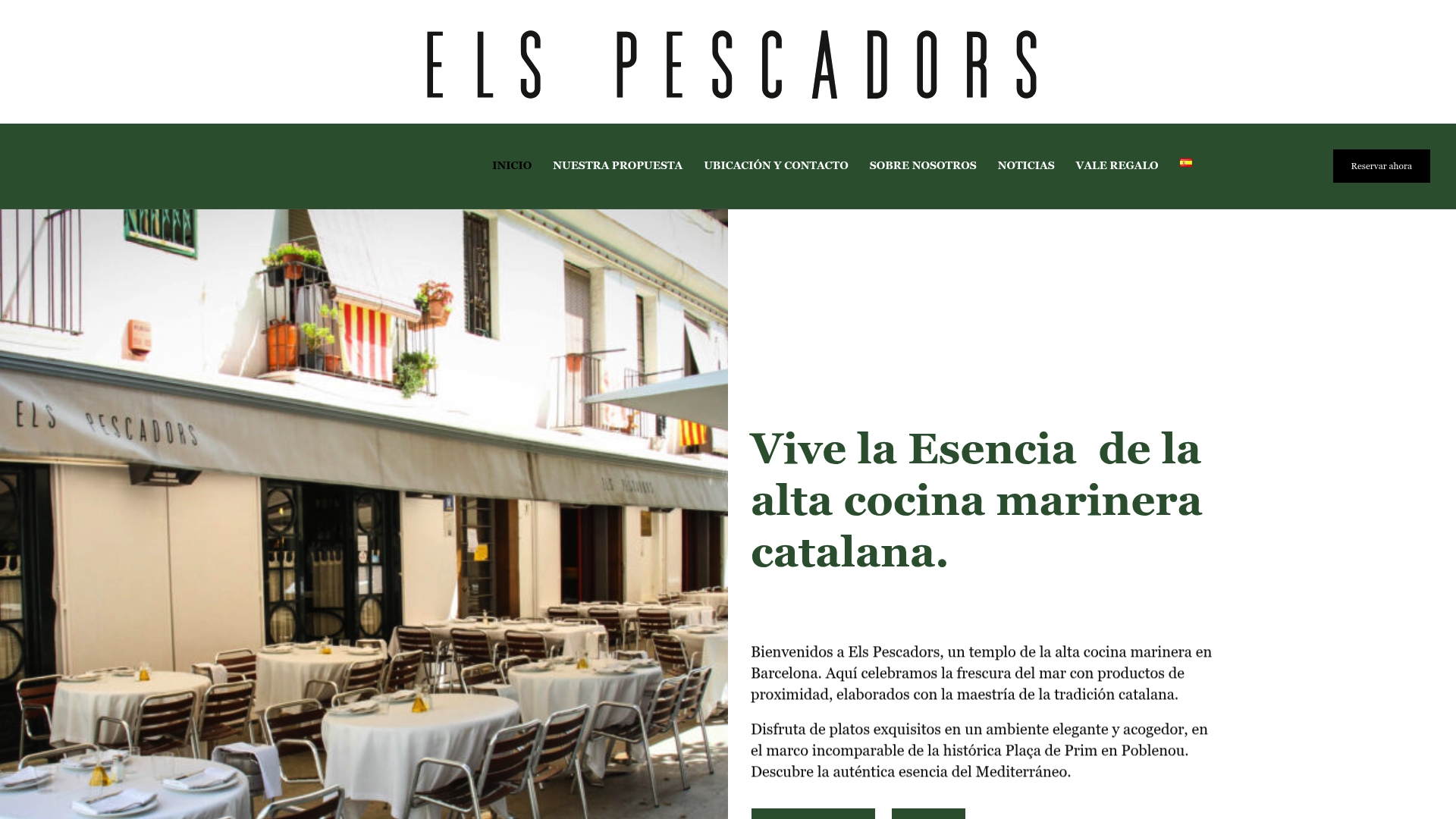
If you’re planning a seafood dinner in Barcelona and want to skip the uncertainty, Els Pescadors makes the reservation process straightforward and the meal worth every step. Located in the historic Poblenou district at Plaça de Prim, Els Pescadors specializes in authentic Catalan maritime cuisine with a daily fresh catch, traditional rice dishes, and curated tasting menus. Explore the restaurant’s concept and proposal to understand what makes it one of the most trusted seafood dining experiences in the city. You can also read about what sets fine seafood apart before your visit, or browse seven traditional Catalan dishes to arrive with context and curiosity. Reservations can be made directly through the Els Pescadors website for the most accurate availability.
FAQ
How far in advance should I book a seafood restaurant?
Most popular seafood restaurants open reservations 30 days in advance, though fine dining venues may require 60 to 90 days for peak times or tasting menus. Book as early as the window opens for the best selection.
What information do I need to make a seafood reservation?
Have your preferred date, time, exact party size, dietary restrictions, and any special occasion details ready before you start. Entering complete information at booking helps the kitchen and service team prepare accurately for your visit.
Can I get a table if the restaurant shows no availability?
Yes. Check platforms again in the 24 to 48 hours before your target date, when cancellations typically free up tables. Calling the restaurant directly can also reveal options not visible online.
What happens if I cancel without enough notice?
Late cancellations typically result in losing your deposit. Most restaurants require 24 to 48 hours advance notice to issue a refund, so read the policy before confirming your booking.
Are group seafood reservations handled differently?
Yes. Parties of 8 or more usually face higher deposits, possible pre-ordering requirements, and earlier reconfirmation deadlines. Contact the restaurant directly for group bookings rather than using standard online platforms.