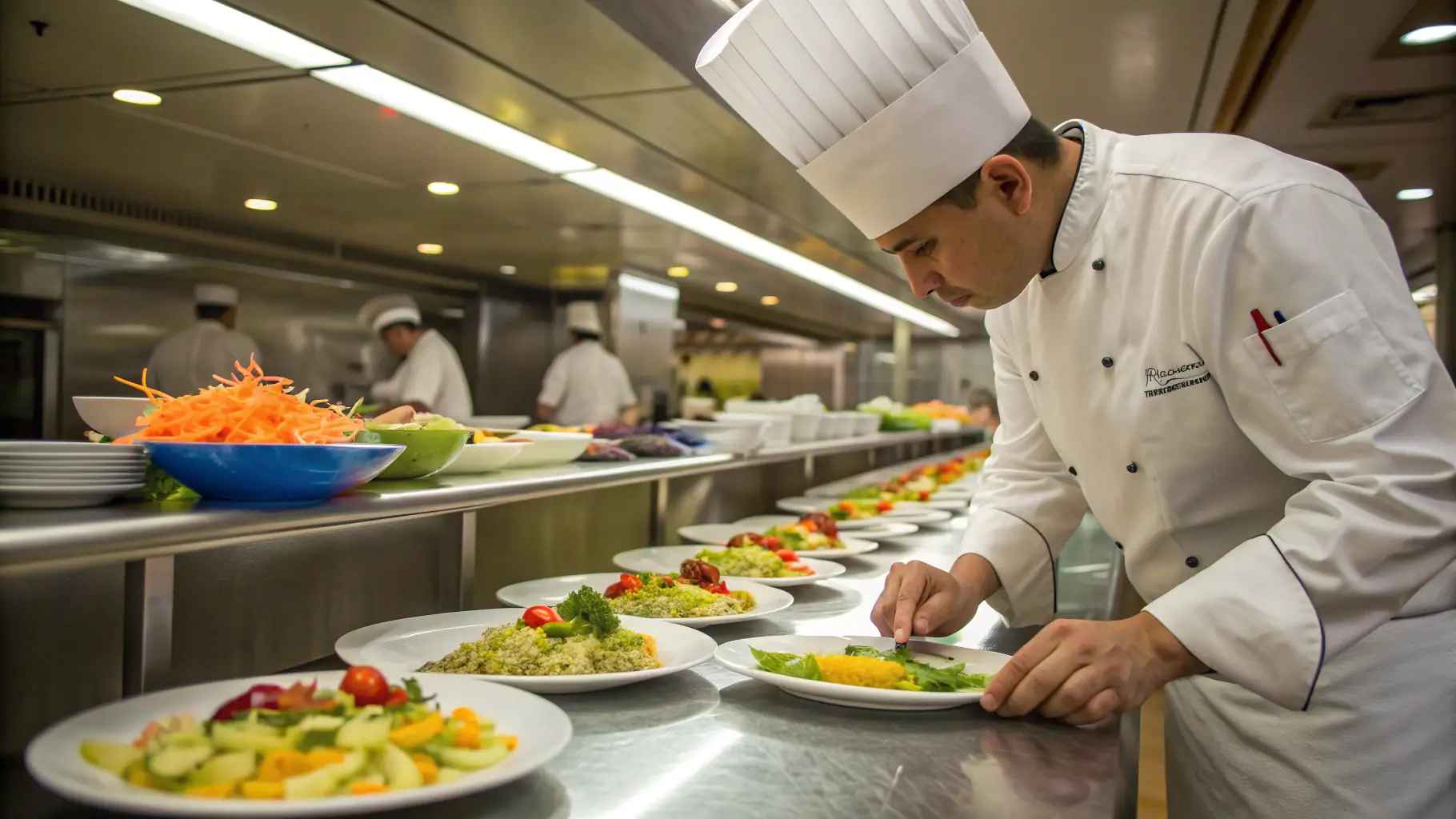
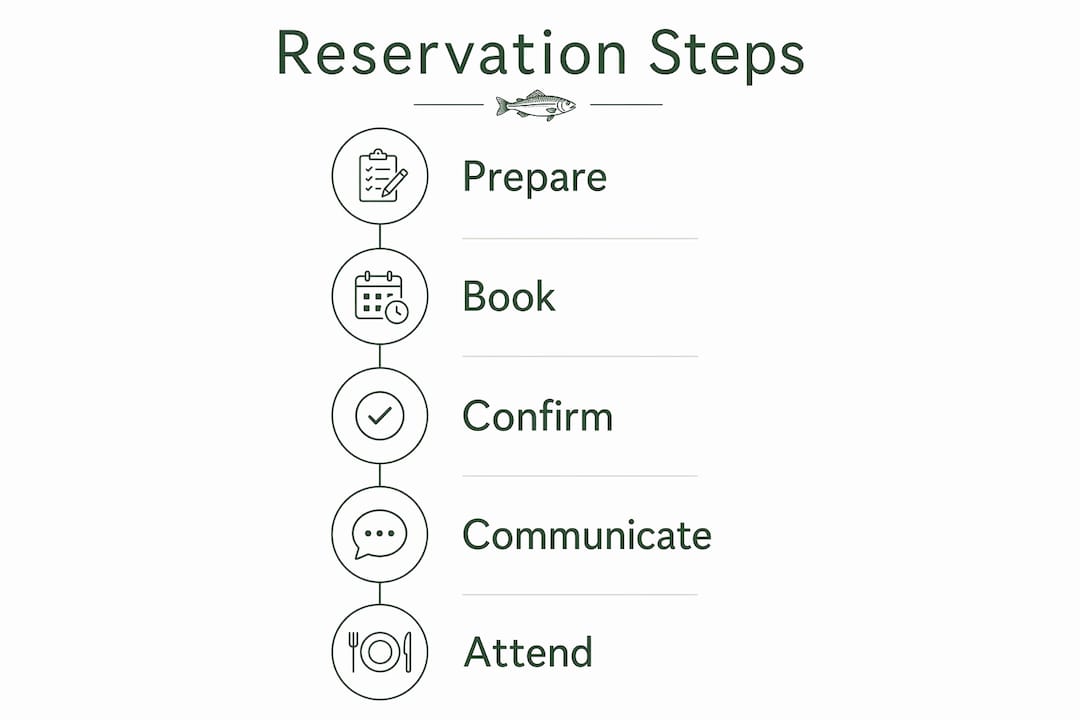
Reserving a fine dining table is a binding social contract, not a casual click. The four-stage reservation process described by Fine Dining Authority covers discovery, booking with a deposit, pre-arrival communication, and day-of arrival management. Platforms like OpenTable, Tock, and Resy have made the booking step faster, but the expectations around deposits, cancellation windows, and punctuality remain strict. Knowing how to reserve a fine dining table correctly protects your money, your time, and the experience you are paying for.
What do you need before booking a fine dining table?
The biggest mistake diners make is opening a booking page unprepared. Fine dining restaurants move fast. A table at a sought-after venue can disappear in minutes after slots open, and fumbling for a credit card or party size wastes the window you waited for.
Gather everything below before you touch the booking form:
- Preferred booking channel. Check the restaurant’s website first. Book directly on the restaurant’s site or on the platform it specifies, such as OpenTable, Resy, or Tock. Third-party mirrors often show stale inventory.
- Login credentials and saved payment info. Create your account on the booking platform before the release date. Save a credit card. Many fine dining venues require a deposit to confirm the reservation, and a slow checkout kills your spot.
- Exact party size. Know your headcount. Changing party size after booking can trigger a cancellation or move you to a different table category.
- Two or three date and time alternatives. Peak slots fill first. Having backup options ready lets you pivot without starting over.
- Dietary restrictions and allergies written out in advance. Type these notes before you open the form. Clear, specific language matters here. “Severe shellfish allergy” is more useful to a kitchen than “no shellfish.”
- Occasion details. If you are celebrating an anniversary or birthday, have that note ready. Restaurants use this information to prepare the table and coordinate with the kitchen.
Pro Tip: Create a short text file on your phone with your party size, dietary notes, and occasion details. Copy and paste it into the reservation notes field instead of typing under pressure.
The goal is to treat the booking moment like a transaction you have already rehearsed. Every second you spend searching for information is a second another diner is confirming their table.

How to time and execute your fine dining reservation
Timing is the single most controllable factor in securing a table at a high-demand restaurant. Knowing the exact release time and booking the moment slots open via the official channel is the discipline that separates diners who get the table from those who do not.
Follow these steps in order:
- Find the release schedule. Call the restaurant or check its website for when reservations open. Many venues release tables 30, 60, or 90 days in advance on a rolling daily basis. Some use a single monthly drop.
- Set a calendar alert for the exact time. Treat it like a ticket sale. If the restaurant releases tables at 9:00 a.m., be logged in at 8:58 a.m.
- Use the restaurant’s preferred platform only. The main booking error is using the wrong inventory source. Third-party aggregators sometimes display tables that are already gone or charge extra fees.
- Select your party size and time before clicking anything else. The system holds a table for a short window while you complete payment. Do not browse menu pages or change your mind mid-checkout.
- Complete payment immediately. Many fine dining venues require a credit card hold or prepaid deposit at checkout. Have your card details saved in the platform so you are not typing numbers manually.
- Screenshot or save the confirmation page. Do not rely solely on a confirmation email. Save the booking reference number separately.
Pro Tip: If the restaurant uses Tock or Resy, enable push notifications so you get alerts when cancellations open up. Cancellation slots at top venues are common, especially 24–48 hours before service.
One detail most diners overlook: booking as a guest instead of a logged-in account user. Guest checkouts are slower and do not save your payment details. Create your account on OpenTable, Resy, or Tock at least a week before you plan to book.
What are the deposit and cancellation policies at fine dining restaurants?
Fine dining deposits are not optional fees. They are the restaurant’s mechanism for managing ingredient orders and table capacity. Cancellation fees at tasting menu restaurants typically range from $50 to $150 per person when cancelled within a 48–72 hour window. That figure reflects the cost of pre-ordered ingredients and allocated staff time.
Here is what to expect across the most common policy structures:
- Prepaid deposit model. You pay the full or partial cost of the meal at booking. Non-refundable deposits per person confirm the reservation. Failure to pay cancels the booking automatically.
- Credit card hold model. The restaurant stores your card and charges a fee only if you cancel late or do not show up. The hold itself does not charge you, but a no-show will.
- Cancellation windows. Most fine dining venues require cancellation 24–72 hours in advance to avoid a fee. Read the policy at the time of booking, not the night before.
- Late arrival grace periods. Arriving 10–15 minutes around your reservation time is standard practice. Some venues allow a 15-minute grace period before releasing the table and forfeiting the deposit.
- No-show consequences. A missed reservation without cancellation typically results in a full per-person charge and a flag on your account with the booking platform.
Prepaid tasting menus function as ingredient and capacity management tools. Missing the cancellation window does not just cost you a fee. It means the kitchen prepared food that will not be served.
The practical takeaway: read the cancellation policy before you confirm, set a reminder to cancel if your plans change, and never assume a restaurant will waive a fee out of goodwill.
How should you communicate special requests before arrival?
Pre-arrival communication shapes the entire service experience. Dietary restrictions and celebration details shared before arrival allow the kitchen and front-of-house team to prepare properly. This is not a courtesy. It is an operational necessity.
Follow these practices to communicate clearly:
- Be specific about allergies. Write “severe tree nut allergy, including cross-contamination risk” rather than “nut allergy.” Vague notes create ambiguity under kitchen pressure.
- Name the occasion explicitly. Precise reservation notes like “25th wedding anniversary” or “birthday for guest of honor” give the team context to personalize the experience.
- State seating preferences clearly. “Window table preferred” or “quiet corner, away from the kitchen” are requests the host team can act on. “Nice table” is not.
- Respond to confirmation requests immediately. Fast responses maintain your reservation when the restaurant is managing a tight schedule. Delayed replies can result in a cancelled table.
- Confirm your reservation the day before. Confirming details just before arrival increases the chance a tightly scheduled restaurant holds your table, especially during peak service periods.
Pro Tip: If you added notes during booking, call the restaurant two days before to verify they received them. Booking platform notes occasionally fail to transfer to the restaurant’s internal system.
Good communication also builds a record with the restaurant. Diners who communicate clearly, show up on time, and respect policies are remembered. That reputation pays off when you call to request a specific table or ask for a last-minute accommodation.
Key takeaways
Securing a fine dining table requires preparation, timing, and clear communication before and after the booking is confirmed.
| Point | Details |
|---|---|
| Prepare before booking | Have party size, payment info, dietary notes, and occasion details ready before the reservation window opens. |
| Use the official channel | Book directly on the restaurant’s website or its specified platform to access the freshest availability. |
| Respect deposit policies | Cancellation fees at tasting menu venues range from $50 to $150 per person within a 48–72 hour window. |
| Arrive on time | Most fine dining venues allow a 15-minute grace period before releasing your table and forfeiting your deposit. |
| Communicate precisely | Specific allergy and occasion notes shared before arrival allow the kitchen and host team to prepare properly. |
What i have learned after years of booking fine dining tables
The hardest part of securing a great fine dining table is not the booking itself. It is the discipline of treating the process seriously before you even open the reservation page.
I have watched diners lose tables at excellent restaurants because they spent three minutes typing notes into the booking form while the last available slot disappeared. The preparation step is not optional. It is the entire game at high-demand venues.
One thing most guides do not tell you: restaurants remember their regulars, and that memory starts with how you behave during the booking process. Diners who cancel within policy, show up on time, and communicate clearly get better treatment over time. Not because the staff is playing favorites, but because trust is built through consistent behavior. A premium dining experience is a two-way relationship.
My honest advice: do not treat the reservation as a transaction you complete and forget. Treat it as the opening act of the meal. Respond to confirmation emails the same day. Call if your party size changes. Show up five minutes early. These habits cost you nothing and signal to the restaurant that you take the experience as seriously as they do.
The process of making fine dining reservations rewards patience and organization. Diners who approach it that way consistently get the tables they want.
— YellowRock
Plan your next fine dining experience with Elspescadors
Elspescadors is a fine seafood restaurant in Barcelona’s historic Poblenou district, specializing in authentic Catalan maritime cuisine with a focus on seasonal, locally sourced ingredients. The restaurant offers tasting menus, fresh daily catch, and traditional rice dishes in a setting that rewards the kind of careful reservation planning this guide covers.
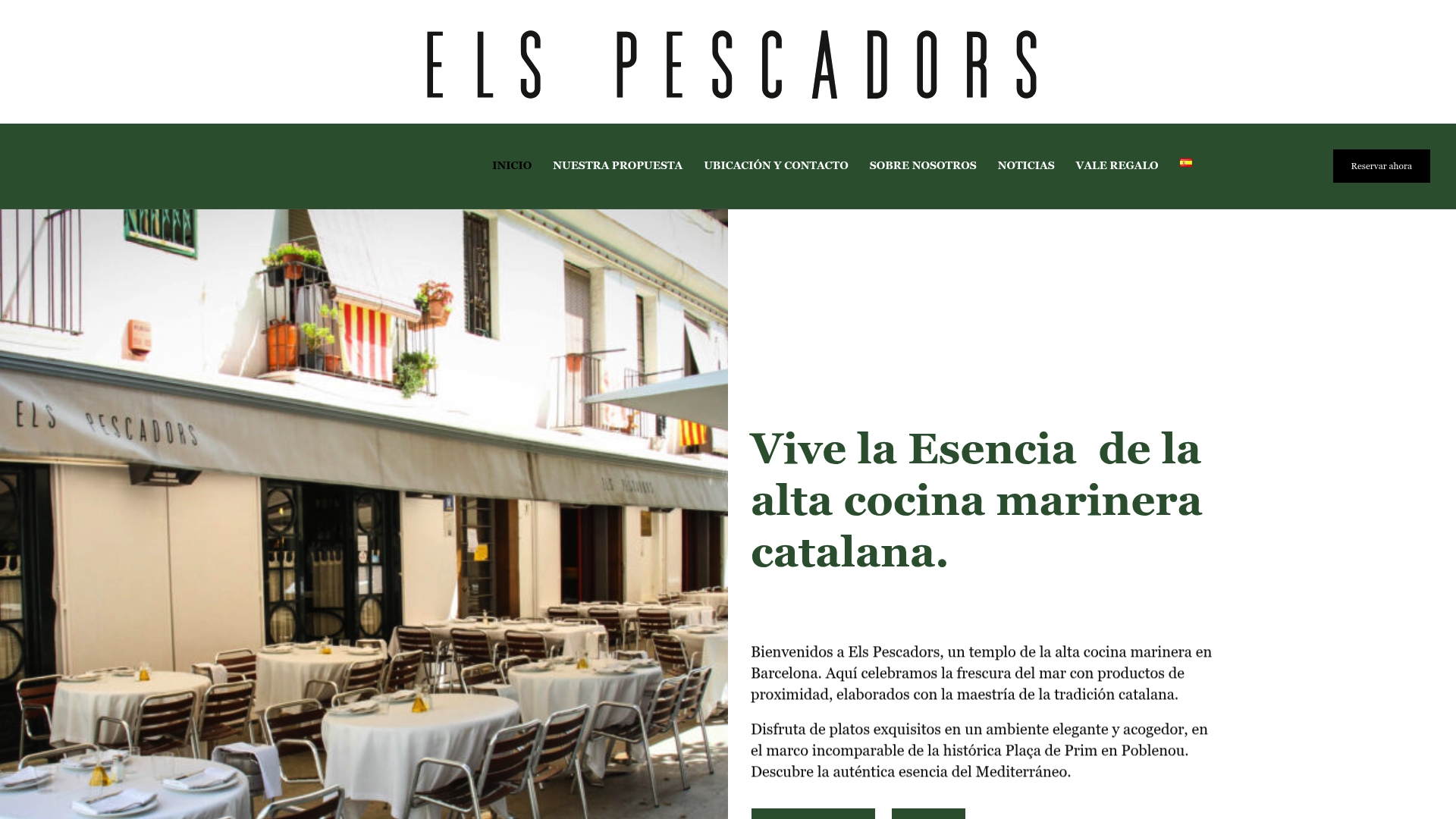
If you are planning a special occasion or a culinary visit to Barcelona, Elspescadors provides a step-by-step reservation guide to help you book correctly and make the most of your visit. For group dining or memorable feasts, explore the group seafood dining ideas page to find the right format for your occasion.
FAQ
How far in advance should you book a fine dining table?
Most fine dining restaurants open reservations 30–90 days in advance. For peak dates like weekends, holidays, or special events, book the moment the reservation window opens.
What happens if you miss a fine dining reservation?
A no-show typically results in a full per-person charge against the credit card on file. Cancellation fees at tasting menu venues range from $50 to $150 per person if cancelled within the policy window.
Is it better to book online or call a fine dining restaurant?
Book through the channel the restaurant specifies, whether that is its website, OpenTable, Resy, or Tock. Calling is best for special requests or when the online system shows no availability.
Can you request a specific table when making a fine dining reservation?
Yes. State your seating preference clearly in the reservation notes, such as “window table” or “quiet corner.” The restaurant cannot guarantee it, but specific requests are far more likely to be honored than vague ones.
What should you include in reservation notes?
List all allergies with specific detail, name the occasion explicitly, and state any seating preferences. Clear, unambiguous notes allow the kitchen and host team to prepare without guessing.