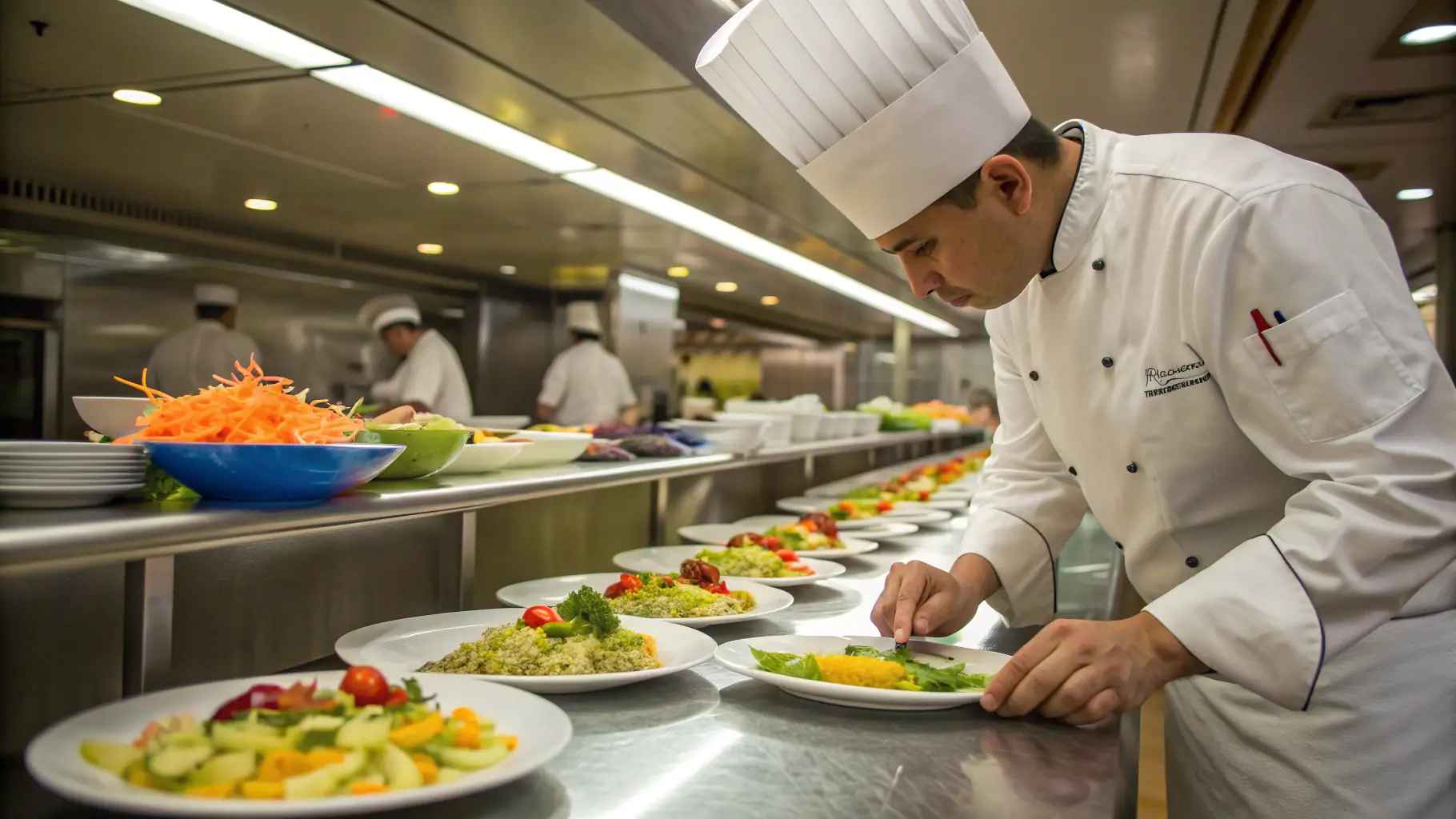
A gastronomic restaurant in Barcelona is defined as a formal dining venue built around a chef-driven tasting menu that delivers Mediterranean cuisine through multiple courses, innovative technique, and seasonal Catalan ingredients. This format sits at the top of Barcelona’s culinary hierarchy, distinct from casual tapas bars and even from the city’s popular gastro-bars. Restaurants like Disfrutar have put Barcelona on the global fine dining map, and the city now holds around 30 Michelin-starred restaurants, including four with three stars. If you want to understand what Barcelona’s food scene is really about, a gastronomic restaurant is where that story begins.
What is a gastronomic restaurant in barcelona?
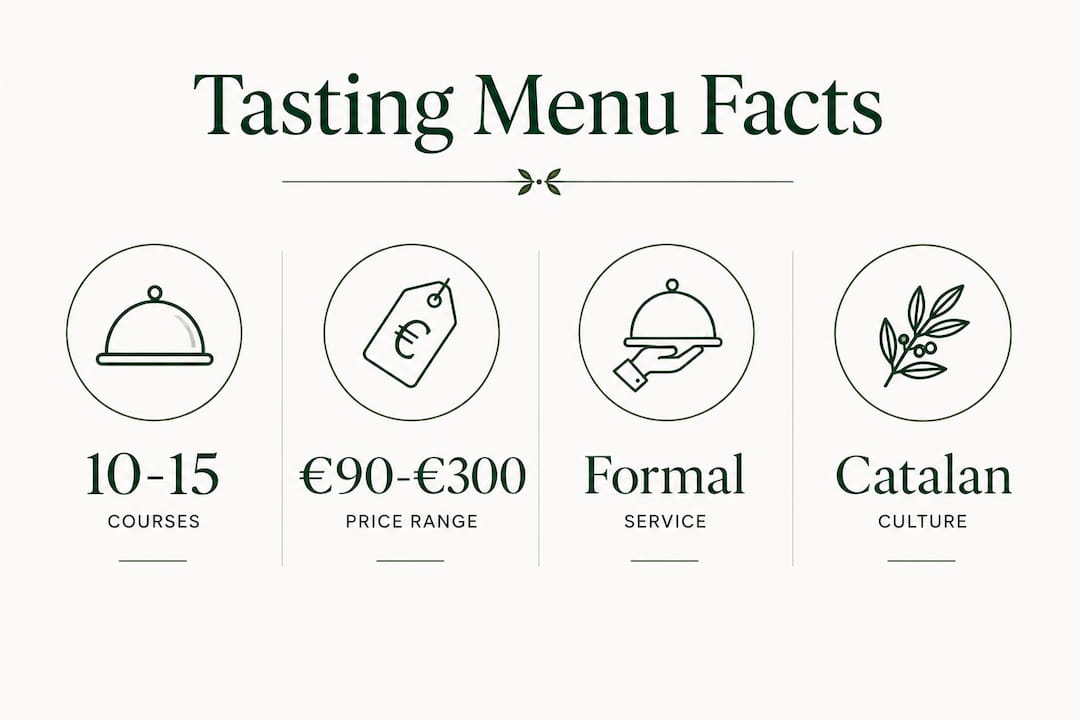
A gastronomic restaurant in Barcelona, known in the industry as a restaurante gastronómico, is a venue where the tasting menu is the main event, not an optional upgrade. The chef controls the experience from start to finish. You do not order à la carte. Instead, you move through a sequence of 8–15 courses designed to express a culinary philosophy, a season, or a regional identity.
Barcelona’s version of this format carries a specific character. The city sits at the intersection of the Mediterranean Sea, the Pyrenees mountains, and the fertile Catalan plains. That geography shows up directly on the plate. Chefs source from local producers, coastal fishermen, and mountain farms, then apply techniques that range from classical French preparation to post-elBulli molecular gastronomy.
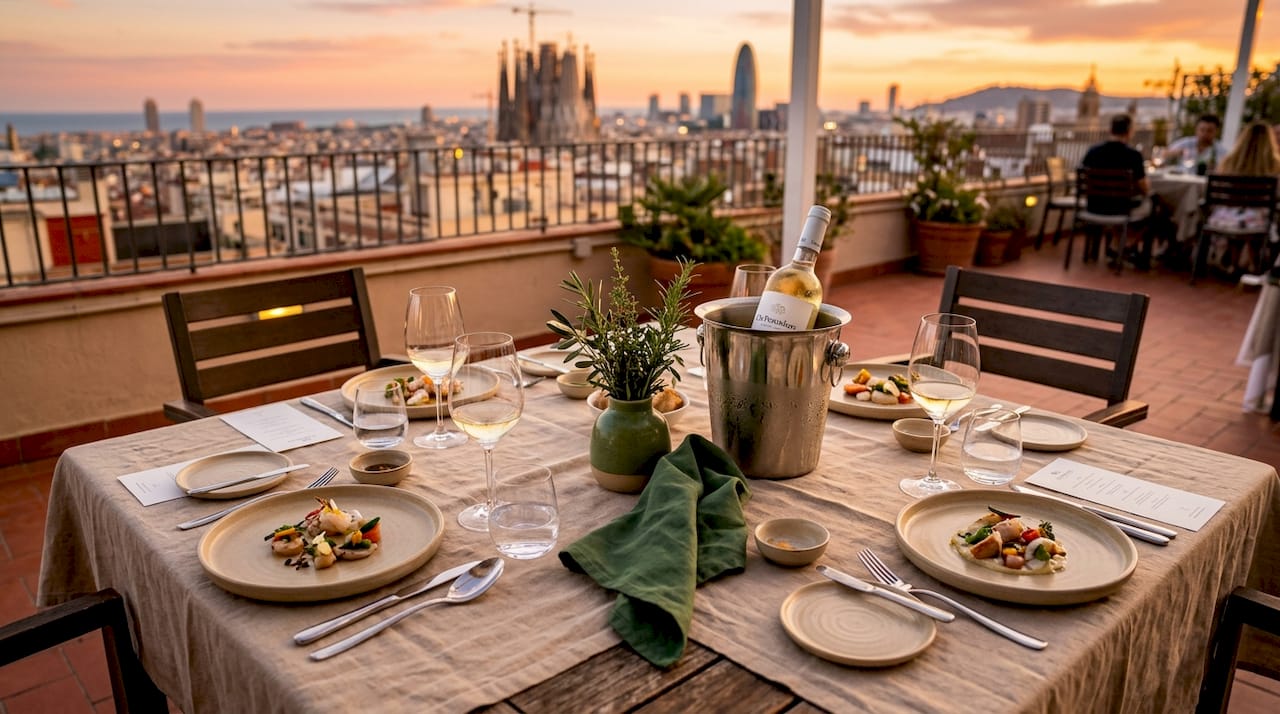
Disfrutar, run by three former elBulli chefs, is the clearest example of what this format looks like at its peak. The restaurant holds three Michelin stars and builds tasting menus around techniques like spherification, multi-texture preparations, and edible illusions. It is not just a meal. It is a structured argument about what Mediterranean food can become.
What separates gastronomic restaurants from gastro-bars:
- Gastronomic restaurants offer formal, tasting-menu-only experiences with full table service, wine pairings, and a structured course progression
- Gastro-bars serve modern cooking in a casual, bar-style setting where you order individual dishes and the atmosphere is relaxed
- Pricing reflects the difference. A gastronomic tasting menu typically runs €90–€200 per person before wine. A gastro-bar meal might cost €25–€50
Pro Tip: Book gastronomic restaurants at least two to three weeks in advance. The most sought-after tables in Barcelona, including Disfrutar, fill months ahead.
How do barcelona’s tasting menus reflect catalan culture?
The structure of a tasting menu at a Barcelona gastronomic restaurant is not arbitrary. Each course sequence follows a narrative logic tied to Catalan geography and seasonal rhythms. A meal might open with snacks inspired by the sea, move through dishes referencing the orchard and mountain, and close with desserts built around local honey or wild herbs.
Teòric Taverna Gastronòmica offers a strong example of this approach. The restaurant presents 10 or 13-course menus that take diners on a literal journey through the Catalan landscape, from coastal flavors to inland produce. Pricing is inclusive, meaning wine pairings and service are folded into one price. That model reflects a growing effort among Barcelona chefs to make high cuisine feel less intimidating.
A typical tasting menu progression at a Barcelona gastronomic restaurant:
- Aperitivo snacks (3–5 bites): playful, technique-driven, often referencing street food or market ingredients
- Cold starters (2–3 courses): raw or lightly prepared seafood, vegetables, or cured products from local producers
- Warm starters (2–3 courses): soups, broths, or composed plates featuring seasonal vegetables and legumes
- Main courses (2–3 courses): fish, shellfish, or meat from Catalan farms and fishing ports
- Pre-dessert and desserts (2–3 courses): often the most technically complex part of the menu
The techniques you encounter in these menus trace directly back to Ferran Adrià’s work at elBulli. Spherification, foams, gels, and temperature contrasts are standard tools in Barcelona’s gastronomic kitchens. These are not gimmicks. They are ways of concentrating flavor and creating sensory surprise within a familiar Mediterranean ingredient set.
Pro Tip: Ask your server to explain the sourcing behind two or three dishes. Most gastronomic restaurants in Barcelona train staff to discuss producers and regions. That conversation adds real depth to the meal.
Pricing varies significantly. Entry-level gastronomic tasting menus start around €90 per person. Top-tier restaurants like Disfrutar charge €250–€300 per person. The value calculation changes when you factor in the number of courses, the quality of ingredients, and the level of craft involved.
| Format | Courses | Price Range | Atmosphere |
|---|---|---|---|
| Gastronomic restaurant | 10–15 | €90–€300 per person | Formal, structured |
| Gastro-bar | 4–8 dishes | €25–€60 per person | Casual, flexible |
| Traditional Catalan restaurant | 3–4 | €30–€70 per person | Relaxed, family-style |
How does barcelona’s food culture shape the dining experience?
Barcelona’s dining customs are not background noise. They directly shape what happens inside a gastronomic restaurant. Catalan food culture treats lunch as the main meal of the day, with sittings running from 2:00 PM to 4:00 PM. Dinner rarely starts before 9:00 PM, and tables at 10:00 PM are completely normal.
This timing matters for travelers. If you show up at a gastronomic restaurant at 7:00 PM expecting a full house, you will often find an empty dining room. The kitchen may not even be at full capacity yet. Aligning with local meal times is not just a cultural courtesy. It changes the quality of your experience because the kitchen is operating at its intended rhythm.
Key cultural factors that shape gastronomic dining in Barcelona:
- La Boqueria and local markets supply many gastronomic restaurants directly. Chefs visit in the morning, and the day’s menu often reflects what was available at the stalls. Markets like La Boqueria are cultural anchors, not just produce hubs.
- The vermouth ritual (pre-lunch aperitivo with olives and small bites) sets the social tone for eating as a leisurely, multi-stage event
- Dress codes at gastronomic restaurants are smart-casual to formal. Shorts and flip-flops are not appropriate, even in summer
- Reservations are non-negotiable at the top tier. Walk-ins do not exist at Michelin-starred venues
- Neighborhood character matters. Poblenou, Eixample, and the Gothic Quarter each have distinct culinary personalities that influence the restaurants within them
The local ingredients that define Catalan cooking, including salt cod, Calçot onions, Piquillo peppers, and fresh seafood from the Costa Daurada, appear across gastronomic menus as anchors of authenticity. Innovation in Barcelona’s top restaurants always starts from this ingredient base, not from abstract technique.
How is gastronomic tourism reshaping barcelona’s restaurant scene?
Barcelona’s culinary tourism is one of the most economically significant in Europe. Gastronomic tourists spend more than €140 per day on food alone, with total stay expenditures averaging €341 per night per person. That level of spending shapes what restaurants build, how they price, and how they communicate with international visitors.
The profile of the typical gastronomic tourist in Barcelona is specific. Six out of ten enogastronomy tourists visit primarily for leisure, with an average stay of 4.8 days and an average age of 38.2 years. This is not a casual visitor grabbing tapas. This is a food-focused traveler who plans their itinerary around restaurant reservations.
That demand has pushed Barcelona’s gastronomic scene in two directions simultaneously. On one side, restaurants continue to push technical and creative boundaries to attract international attention and maintain Michelin recognition. On the other, chefs are embracing inclusive pricing and more accessible formats to bring high cuisine to a wider audience.
Gastronomic tourism in Barcelona is also evolving toward hands-on experiences. Market tours, cooking classes, and producer visits are now standard offerings alongside restaurant reservations. Travelers want to understand where the food comes from, not just consume it. This shift has made Barcelona’s culinary tourism one of the most layered in Europe.
The city’s Michelin-starred restaurant count reflects the legacy of Ferran Adrià and elBulli directly. That single restaurant, which closed in 2011, trained a generation of chefs who now run many of Barcelona’s top gastronomic venues. The ripple effect on the city’s dining scene is still expanding.
Key takeaways
Barcelona’s gastronomic restaurants define the city’s culinary identity through tasting menus that combine Catalan ingredients, post-elBulli technique, and a deep respect for seasonal, local sourcing.
| Point | Details |
|---|---|
| Gastronomic restaurants are tasting-menu venues | Expect 10–15 courses, formal service, and a chef-driven narrative, not à la carte ordering. |
| elBulli’s legacy shapes every menu | Techniques like spherification and deconstruction trace directly to Ferran Adrià’s influence on Barcelona’s chefs. |
| Dining timing is non-negotiable | Dinner starts after 9:00 PM in Barcelona. Arriving earlier means missing the full kitchen experience. |
| Gastronomic tourists drive the scene | Visitors spending €140+ daily on food push restaurants to innovate and expand accessible formats. |
| Markets anchor ingredient quality | La Boqueria and local producers supply gastronomic kitchens daily, making freshness a structural feature, not a marketing claim. |
Why i think most travelers miss the point of barcelona’s gastronomic scene
Most visitors treat a Michelin-starred meal in Barcelona as a bucket-list checkbox. They book Disfrutar, take photos of every course, and move on. That approach misses what makes the city’s gastronomic culture genuinely different from Paris or Tokyo.
Barcelona’s best meals are conversations between a chef and a landscape. When you eat a dish at a gastronomic restaurant here, you are tasting a specific coastline, a particular season, a producer’s decision about how to raise an animal or harvest a vegetable. The technique is the vehicle. The place is the point.
My honest recommendation: pair one formal gastronomic experience with a visit to a neighborhood market and at least one meal at a place with no Michelin stars at all. The contrast teaches you more about Catalan culinary tradition than any single tasting menu can. The gastronomic restaurants are extraordinary. But they make the most sense when you understand the food culture they grew out of.
Do not overlook seafood-focused restaurants in neighborhoods like Poblenou, either. The maritime tradition in Catalan cooking is as technically sophisticated as anything happening in the avant-garde kitchens, and it often costs significantly less.
— YellowRock
Experience authentic mediterranean gastronomy at Elspescadors
Elspescadors sits in the historic Poblenou district of Barcelona, at Plaça de Prim, and represents exactly the kind of gastronomic dining experience this article describes: seasonal, local, and rooted in Catalan maritime tradition.
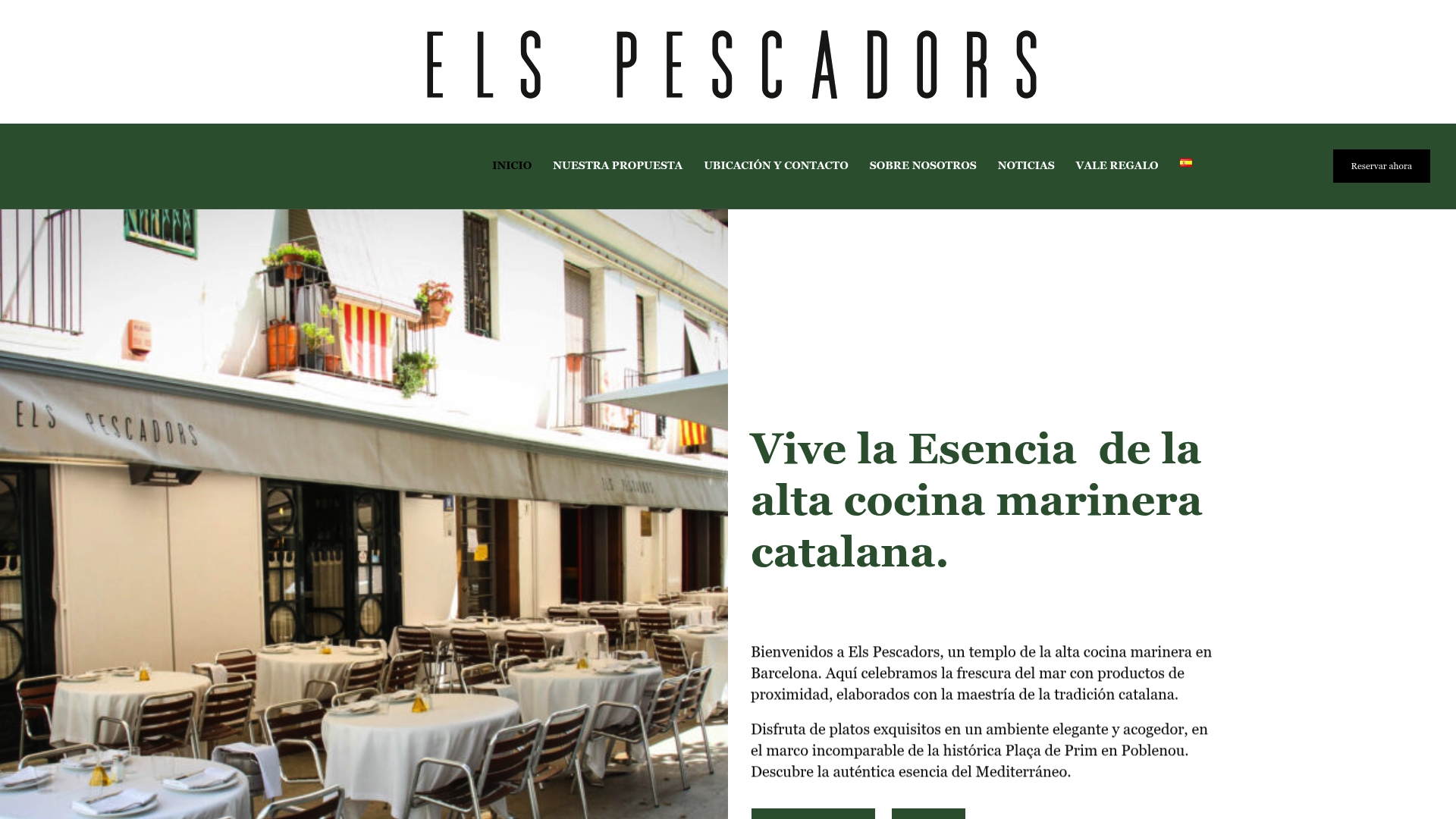
The restaurant specializes in fresh fish, shellfish, and traditional rice dishes sourced daily from local fishermen and regional producers. Every menu reflects what is available that morning, not what was ordered from a distributor a week ago. That commitment to freshness is what separates Elspescadors from the broader Barcelona dining scene.
Whether you are planning a private dinner or a group seafood feast, Elspescadors offers a dining proposal built around your preferences. Explore the full dining proposal and reserve your table directly through the website.
FAQ
What is a gastronomic restaurant in barcelona?
A gastronomic restaurant in Barcelona is a formal dining venue that serves chef-driven tasting menus built around Mediterranean and Catalan ingredients, typically featuring 10–15 courses with innovative technique and seasonal sourcing.
How much does a tasting menu cost in barcelona?
Tasting menus at Barcelona’s gastronomic restaurants range from approximately €90 per person at accessible venues to €250–€300 per person at three-Michelin-star restaurants like Disfrutar.
What is the difference between a gastronomic restaurant and a gastro-bar?
Gastronomic restaurants offer formal tasting-menu-only experiences with full table service, while gastro-bars serve modern dishes in a casual, bar-style setting where guests order individually.
When should i eat dinner at a gastronomic restaurant in barcelona?
Dinner in Barcelona starts after 9:00 PM. Booking a table between 9:00 PM and 10:00 PM aligns with local custom and means the kitchen is operating at full capacity.
How many michelin-starred restaurants does barcelona have?
Barcelona holds approximately 30 Michelin-starred restaurants, including four with the top three-star rating, reflecting the city’s position as one of Europe’s leading fine dining destinations.