
A local seafood market guide is the essential tool for home cooks and culinary enthusiasts who want fresh, high-quality, and sustainably sourced seafood from trusted community sources. The best places to buy fresh seafood locally include dockside direct-from-fisherman sales, Community Supported Fisheries (CSFs), dedicated local fish markets, specialty grocery seafood counters, and modern markets offering value-added services. Each source offers a different balance of freshness, price, convenience, and sustainability. This guide covers all five, plus the practical seafood shopping tips you need to get the most out of every visit.
1. What are the best venues for a local seafood market guide?
The top four reliable sources for fresh local seafood, ranked by freshness, are dockside direct sales, CSFs, local fish markets, and specialty grocery seafood counters. Each one suits a different type of buyer. Understanding how each works saves you time and money.
- Dockside markets: You buy directly from the boat. Dockside fish markets often operate on limited schedules, such as Saturday mornings, where shoppers can purchase live or whole catch straight from the vessel. The fish is as fresh as it gets.
- Community Supported Fisheries (CSFs): You subscribe to a weekly or biweekly share of the local catch. CSFs provide catch that is often within 1–2 days old, balancing convenience and freshness. You support local fishermen directly.
- Dedicated local fish markets: These are staffed by trained fishmongers who know their product. Knowledgeable staff can prepare fillets, scale, and gut fish to order, adding real convenience and value.
- Specialty grocery seafood counters: These are the most convenient option but typically the least fresh. Fish passes through more hands and more time before it reaches the counter.
- Value-added market services: Modern local seafood markets sometimes offer steamed and boil-ready platters for home cooks who want fresh seafood without the prep work. Sea & Sea Fish Market in Harlem is one example of this trend.
2. How to identify freshness and quality at local seafood markets
Fresh seafood has clear, objective signs. You do not need to be an expert to spot them. You just need to know what to look for.
Smell first. Fresh seafood should smell like the ocean or have almost no odor at all. A strong fishy or ammonia smell means the fish has started to spoil. This is the single fastest quality check you can make.
Check the eyes and gills on whole fish. Clear eyes and bright red or pink gills indicate a fish that is only a few hours old. Cloudy eyes and brown or gray gills signal several days of age or the beginning of spoilage. These two indicators are what professional fish traders rely on to verify catch age.
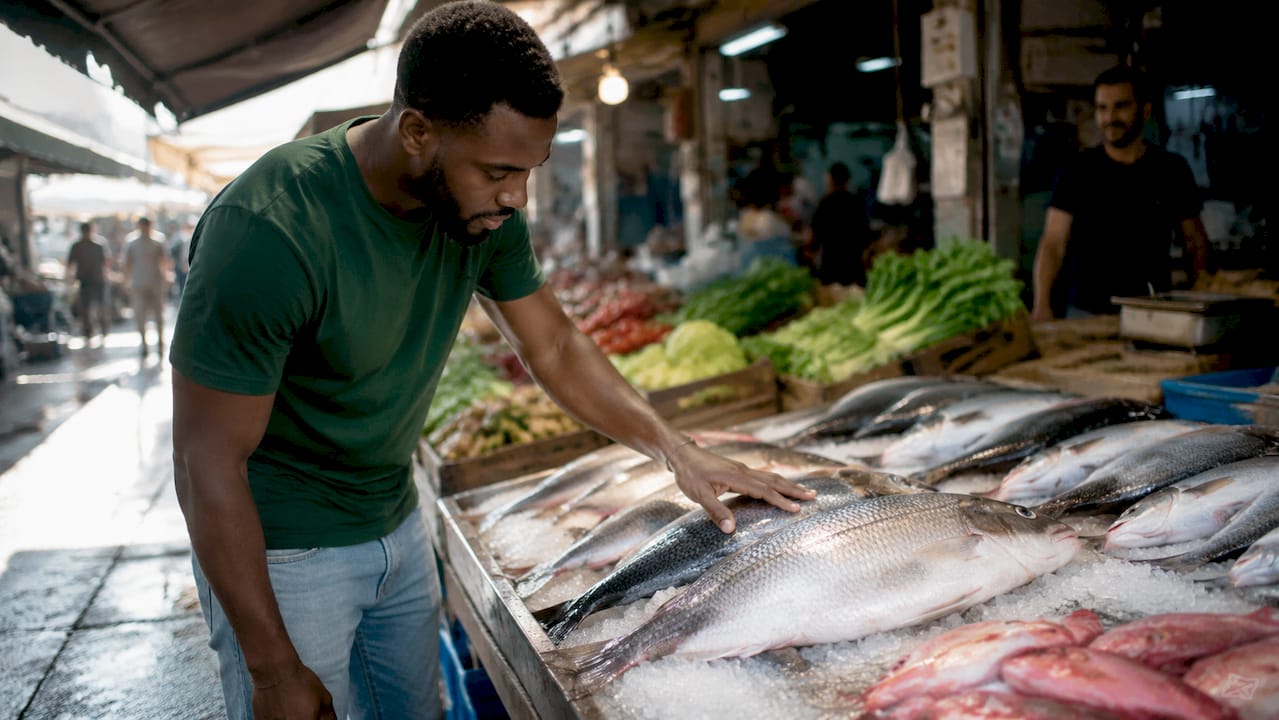
Assess texture. Fresh fish flesh is firm and springs back when pressed. Soft, mushy flesh that leaves an indentation is a sign of age.
Here is a quick freshness checklist to run through at any fish counter:
- Smell: briny or neutral, never ammonia-like
- Eyes: clear and slightly bulging, not sunken or cloudy
- Gills: bright red or pink, not brown or gray
- Flesh: firm and moist, not soft or slimy
- Skin: shiny and metallic, not dull or dry
Use your fishmonger. A high-quality fishmonger acts as a consultant, identifying the freshest catch, explaining what is in season, and suggesting preparation methods. This expertise is one of the biggest advantages of a dedicated local fish market over a grocery store counter. Ask questions. They expect it.
Pro Tip: When buying dockside, bring a cooler packed with ice. Boats typically lack retail packaging and cooling equipment, so your fish will sit at ambient temperature until you get home. A good cooler keeps your catch in peak condition for hours.
3. Best timing for visiting local fish markets
Timing your visit to a local fish market is one of the most underrated seafood shopping tips. The difference between a morning visit and an afternoon visit can be the difference between fish caught yesterday and fish caught four days ago.
- Go early in the week. Visiting seafood markets early in the week or during weekday mornings gives you access to fresh deliveries and the widest selection. Weekend crowds deplete the best stock fast.
- Arrive before noon. Markets typically receive deliveries early in the morning, and the best fish is available before noon. After that, the premium cuts are often gone.
- Check dockside schedules in advance. Dockside markets often open only on specific days. Call ahead or check the market’s website before making the trip. Showing up on the wrong day means no fish at all.
- Plan around seafood seasons. Availability and variety shift with the seasons. Seasonal seafood is fresher, more affordable, and more sustainable than out-of-season imports. Knowing what is in season before you shop makes you a far better buyer.
- Prepare for post-purchase storage. Bring insulated bags or a cooler for any market visit, not just dockside trips. Fish quality degrades quickly at room temperature. Ice or gel packs extend freshness significantly on the drive home.
4. Comparing local seafood market options: which one suits your needs?
The right seafood source depends on your priorities. The table below compares the five main options across the factors that matter most to home cooks and culinary enthusiasts.
| Source | Freshness | Price | Variety | Convenience | Sustainability |
|---|---|---|---|---|---|
| Dockside direct | Highest | Low to moderate | Limited to daily catch | Low (limited hours) | Very high |
| CSF subscription | Very high | Moderate | Seasonal, varied | Moderate | Very high |
| Dedicated fish market | High | Moderate | Wide | High | High |
| Specialty grocery counter | Moderate | Moderate to high | Wide | Very high | Variable |
| Value-added market | High | Moderate to high | Moderate | Very high | High |
For home cooks who want convenience without sacrificing quality, a dedicated local fish market is the best starting point. You get expert advice, preparation services, and reliably fresh product on a predictable schedule.
For culinary enthusiasts who want the absolute freshest fish and enjoy the experience of buying direct, dockside markets are unbeatable. The local freshness advantage of buying straight from the boat is something no grocery store can replicate.
For budget-conscious shoppers who also care about sustainability, a CSF subscription delivers strong value. CSF participation supports local fishing communities and encourages trying more diverse and sustainable seafood species. The trade-off is less control over what you receive each week.
The smartest approach is to use multiple sources. Buy your everyday fish at a dedicated local market, subscribe to a CSF for variety and sustainability, and visit dockside markets when you want something special.
Key takeaways
The most effective way to buy fresh seafood locally is to match your source to your priorities: dockside for peak freshness, CSFs for sustainability, and dedicated fish markets for consistent quality and expert guidance.
| Point | Details |
|---|---|
| Freshest source is dockside | Buying direct from the boat gives you fish that is hours old, not days. |
| Smell is your fastest quality check | Fresh fish smells like the ocean. Ammonia or strong fishy odor means spoilage. |
| Eyes and gills reveal fish age | Clear eyes and bright red gills confirm a fish caught within hours. |
| Shop early for best selection | Weekday mornings before noon give you access to fresh deliveries and top cuts. |
| CSFs balance sustainability and variety | Subscriptions support local fishermen and introduce you to seasonal species you would not normally buy. |
My honest take on navigating local fish markets
The single biggest mistake I see home cooks make at a fish market is treating it like a grocery store. You walk in, you point at something, and you leave. That approach wastes the most valuable resource in the building: the fishmonger.
Every time I visit a dedicated fish market, I ask two questions before I buy anything. First: “What came in this morning?” Second: “How would you cook it?” Those two questions have introduced me to species I never would have chosen on my own, from whole branzino to fresh razor clams. The answers also tell you immediately whether the person behind the counter actually knows their product.
Building a relationship with a good fishmonger changes how you cook. They will call you when something exceptional comes in. They will set aside the best piece of the day’s catch. That kind of access does not happen at a supermarket counter. It takes a few visits and a genuine conversation, but the payoff is real.
My other strong advice: be adventurous with seasonal and underused species. The fish that nobody else is buying is often the freshest and the best value. Mackerel, sardines, and whole porgy are consistently overlooked. They are also consistently delicious when cooked simply with good olive oil and salt.
— YellowRock
Experience the best of fresh seafood at Elspescadors
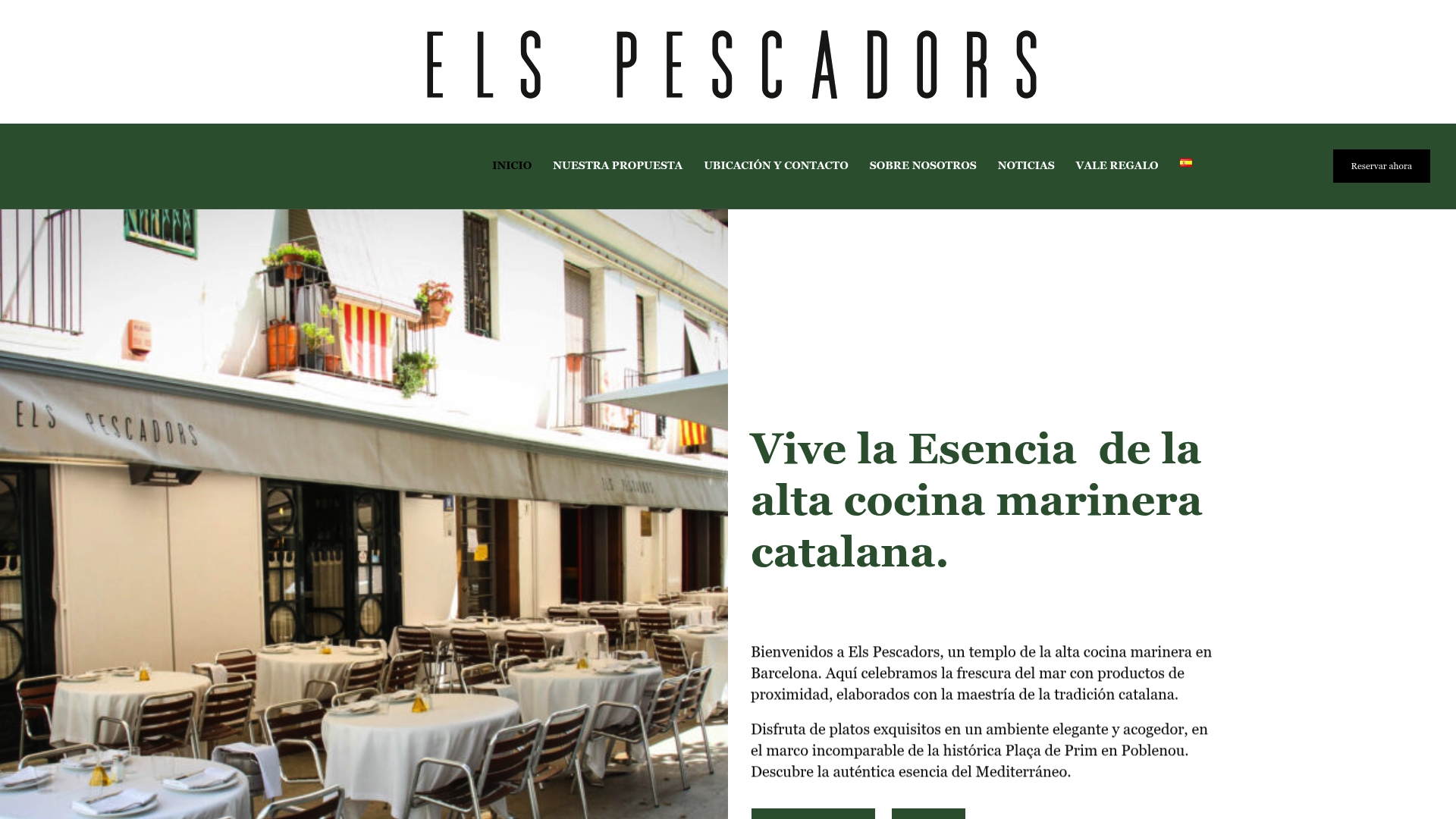
Elspescadors brings the same commitment to freshness and seasonality that defines the best local seafood markets to a full dining experience in Barcelona’s historic Poblenou district. The kitchen sources daily fresh catch and builds its menu around what is best that morning, exactly the way a great fish market operates. If you want to taste what truly fresh catch cooking looks like on the plate, Elspescadors is the place. For groups looking to celebrate around exceptional seafood, explore group seafood dining options and plan a meal worth remembering.
FAQ
What is the freshest way to buy seafood locally?
Buying directly from a fisherman at a dockside market is the freshest option available. Fish sold dockside is often only a few hours out of the water.
How do I know if fish at a market is fresh?
Fresh fish smells like the ocean, not ammonia. Whole fish should have clear eyes, bright red or pink gills, and firm flesh that springs back when pressed.
What is a Community Supported Fishery (CSF)?
A CSF is a subscription model where you receive a regular share of the local catch. It supports local fishermen and delivers fish that is typically 1–2 days old.
When is the best time to visit a local fish market?
Early weekday mornings before noon are the best time to shop. Markets receive fresh deliveries early, and the best cuts sell out before the afternoon.
Are dedicated fish markets better than grocery store seafood counters?
Dedicated fish markets offer higher freshness, expert fishmonger advice, and on-site preparation services that grocery counters rarely match. For quality and guidance, a local fish market is the stronger choice.