Here are the easiest, most affordable Cuaresma comidas you can cook this Lent, organized by category with prep times, cost estimates, and simple substitutions: bacalao al horno with potatoes, chickpea-and-spinach stew (potaje de vigilia), tuna empanadas, vegetable fideuà, and buñuelos del Empordà for dessert. This guide covers everything you need to cook through the full 40 days, including a ready-to-use A sample meal plan covering a full week of Cuaresma, a bacalao rehydration how-to, pantry staples, dietary swaps, and batch-cooking shortcuts.
Top picks at a glance:
- Bacalao al horno with potatoes — 15 min prep, oven does the work, under €2 per serving
- Potaje de vigilia (chickpea-and-spinach stew) — one pot, freezes perfectly, about €1 per serving
- Tuna empanadas — great for meal prep, uses pantry staples, budget-friendly
- Vegetable fideuà — naturally meatless, ready in 30 minutes, crowd-pleasing
- Buñuelos del Empordà — traditional Lenten dessert, simple dough, anise-scented
Key Takeaways
Bacalao, legumes, and seasonal vegetables are the backbone of Cuaresma cooking, and with the right pantry and a simple meal plan covering a full week of Cuaresma, you can cook through all of Lent affordably and without stress.
| Point | Details |
|---|---|
| Bacalao is the anchor | Desalt salted cod 24–48 hours in the fridge; frozen pre-desalted cod skips that step entirely. |
| Pantry first | Olive oil, canned tuna, dried legumes, eggs, and potatoes cover most Cuaresma recipes cheaply. |
| Batch cook legumes | Cook chickpeas or white beans on Sunday; they cover stews, salads, and fritters all week. |
| Friday rule applies | Abstinence from meat on Fridays during Lent; fasting on Ash Wednesday and Good Friday. |
| Elspescadors for dining | Book the group menu at Elspescadors in Barcelona for a refined Catalan Cuaresma tasting experience. |
Table of Contents
- What are the best Cuaresma comidas to cook at home?
- What pantry staples do you need for Cuaresma cooking?
- How do you prepare salted cod (bacalao) for Cuaresma recipes?
- A sample meal plan covering a full week of Cuaresma for one week of Cuaresma
- How to adapt Cuaresma recipes for vegetarian, vegan, and gluten-free diets
- Practical tips to save time and money during Cuaresma
- Where to taste authentic Catalan Cuaresma dishes in Barcelona
- Why Cuaresma cooking still matters beyond the religious calendar
- Taste Cuaresma at Elspescadors in Barcelona
- Sources
- FAQ
What are the best Cuaresma comidas to cook at home?
Cuaresma (Lent) runs from Ash Wednesday through Holy Week, and the traditional dietary rule is straightforward: abstinence from meat on Fridays, plus fasting on Ash Wednesday and Good Friday. That framework, set by the Spanish Episcopal Conference, is what shapes the entire Lenten kitchen: fish, legumes, eggs, and vegetables take center stage.
What makes Catalan Cuaresma cooking particularly rich is its reliance on preserved fish, especially salted cod. Bacalao became the star of Cuaresma because salt preservation made it available far inland, long before refrigeration existed. That history created dozens of recipes still cooked today. Below, the recipes are grouped by category so you can mix and match across the weeks.
Fish and seafood
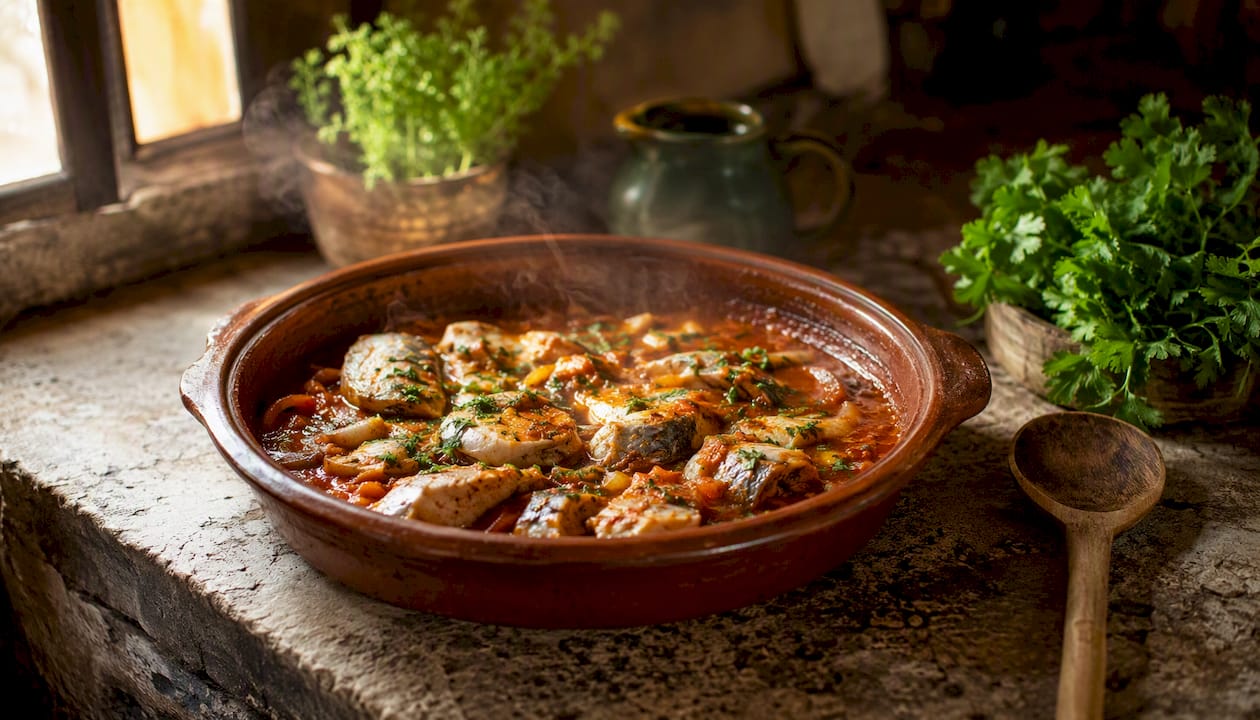
Conger eel (congrio) has a long history in Catalan Lenten cooking, appearing in traditional cazuelas alongside tomato, onion, and herbs. It is less common in Central European markets, but frozen monkfish makes a reliable stand-in.
Vegetarian
Legumes and stews
Soups
Simple desserts
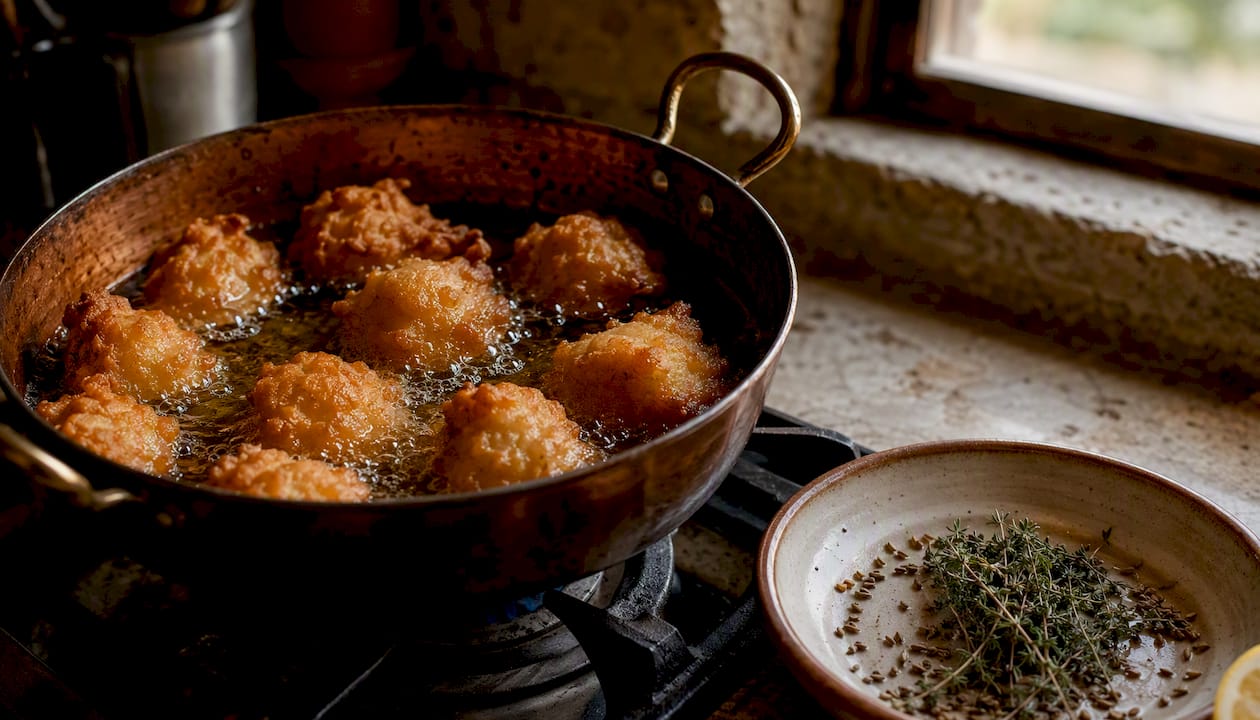
Buñuelos del Empordà are traditionally eaten on Wednesdays and Fridays during Lent, flavored with anise, lemon zest, and matalahúga (aniseed). They are one of the most enduring Catalan Lenten traditions, and the dough takes about 15 minutes to mix.
What pantry staples do you need for Cuaresma cooking?
Stock these once and you can execute most of the recipes above without a special trip to the market every day.
Core pantry list:
- Extra-virgin olive oil (buy a 3-liter tin for economy)
- Canned whole tomatoes and tomato paste
- Short-grain or paella rice; fideos (thin pasta noodles)
- Dried chickpeas, white beans, and lentils (bulk bins are cheapest)
- Canned tuna in olive oil, canned mussels, canned sardines
- Salted bacalao or frozen white fish fillets (cod, hake, pollock)
- Potatoes, onions, and garlic (buy in bags)
- Eggs (a dozen lasts a week of Lenten cooking)
- Smoked paprika, cumin, bay leaves, dried thyme
- Preserved lemon or fresh lemons
- Breadcrumbs (or chickpea flour for gluten-free)
The Mediterranean diet’s foundation of cereals, legumes, vegetables, and olive oil maps almost perfectly onto a Cuaresma pantry, which is why these recipes feel light and satisfying at the same time.
Budget shopping tips for Central Europe:
- Buy dried legumes in bulk from Turkish or South Asian grocery stores; they cost a fraction of canned.
- Frozen white fish (pollock, hake, cod) from supermarket freezer sections works in every recipe that calls for fresh fish.
- Canned mussels and sardines are genuine substitutes for fresh shellfish in stews and rice dishes.
- Shop at weekly outdoor markets for seasonal vegetables; prices drop significantly compared to supermarkets.
Substitution table:
| Expensive ingredient | Budget swap | Dietary note |
|---|---|---|
| Fresh cod fillets | Frozen pollock or hake | Gluten-free, same texture |
| Salted bacalao | Frozen cod + 1 tsp salt in soak | Easier to find in Central Europe |
| Fresh shellfish | Canned mussels or clams | Gluten-free |
| Fresh spinach | Frozen spinach (thawed, squeezed) | Vegan |
| Eggs (binder) | Flax egg (1 tbsp ground flax + 3 tbsp water) | Vegan |
Storage notes: Desalted bacalao keeps refrigerated for up to 3 days after soaking. Cooked legumes keep in the fridge for 4 days or freeze for 3 months. Fried buñuelos are best eaten the same day; the dough can be refrigerated overnight and fried fresh.
How do you prepare salted cod (bacalao) for Cuaresma recipes?
Bacalao’s prominence in Catalan Lenten cuisine comes directly from its preservability. Salt-cured cod could travel inland and last months, which is why it became the default Lenten protein across Catalonia and why it still anchors so many Semana Santa menus today.
Step-by-step desalting process:
- Rinse the salted cod under cold running water to remove surface salt.
- Place the pieces skin-side up in a large bowl and cover completely with cold water.
- Refrigerate and change the water every 8 hours. Thin pieces (under 2 cm) need 24 hours total; thick loins (over 3 cm) need 48 hours.
- After the final soak, taste a small flake. It should be pleasantly salty, not harsh. If still very salty, soak another 8 hours.
- Pat dry before cooking. The fish is now ready for any recipe.
Buying tips for Central Europe: Look for salted bacalao at Spanish or Portuguese delicatessens, Middle Eastern grocery stores, or the international aisle of larger supermarkets. Frozen pre-desalted cod fillets (labeled “desalted cod” or “bacalao desalado”) are sold in many Central European supermarkets and skip the soaking step entirely. Check the local seafood market guide for sourcing tips in your area.
Simple cooking methods after desalting:
- Oven-bake with potatoes: Layer sliced potatoes, onion, and desalted cod in a baking dish. Drizzle with olive oil and smoked paprika. Bake at 180°C for 35–40 minutes. This is the classic bacalao al horno that Barcelona’s municipal markets recommend for Semana Santa.
- Chickpea and spinach stew: Add flaked desalted cod to a sofrito base with canned chickpeas and frozen spinach. Simmer 15 minutes.
- Fritters (buñuelos de bacalao): Mix shredded desalted cod into a simple batter of flour, egg, garlic, and parsley. Fry in olive oil until golden.
Safety note: Always desalt bacalao in the refrigerator, never at room temperature. Bacteria multiply quickly in salt-soaked fish left on the counter.
Pro Tip: Don’t discard the final soaking water if it is only mildly salty. Strain it and use it as a base for fish stock or to cook the potatoes in your bacalao al horno — it adds subtle depth without extra cost.
A sample meal plan covering a full week of Cuaresma for one week of Cuaresma
This plan covers one full week and respects the Friday abstinence rule. Cook double portions on Sunday and Wednesday to save time midweek.
- Sunday: Potaje de vigilia (chickpea, spinach, and bacalao stew) — cook a double batch; freeze half for week two.
- Monday: Tortilla española with roasted peppers on the side — uses leftover potatoes from Sunday’s prep.
- Tuesday: Lentil soup with cumin and lemon — quick 30-minute meal; bread on the side.
- Wednesday: Buñuelos del Empordà as a light supper or dessert after vegetable fideuà — traditional Wednesday Lenten treat.
- Thursday: White bean and vegetable stew — make a large pot; leftovers become Thursday’s lunch.
- Friday: Bacalao al horno with potatoes — start desalting the cod Wednesday night.
- Saturday: Tuna empanadas using leftover stew filling or canned tuna — bake a batch and refrigerate for the following week’s lunches.
Two quick leftover reuses: Sunday’s potaje becomes filling for Monday’s empanadas if you drain it slightly. Leftover roasted fish from Friday flakes beautifully over a green salad with olives and capers.
Make-ahead batching tip: Cook all your legumes on Sunday. One large pot of chickpeas covers the potaje and can be repurposed into a quick chickpea salad or fritters later in the week.
One-line shopping checklist for this menu: Salted or frozen cod, canned chickpeas, dried lentils, white beans, eggs, potatoes, onions, garlic, canned tuna, frozen spinach, fideos, flour, olive oil, smoked paprika, anise, lemon.
How to adapt Cuaresma recipes for vegetarian, vegan, and gluten-free diets
Most traditional Lenten dishes are already halfway there. Fish is the main animal protein, and swapping it out is simpler than it sounds.
Vegetarian swaps:
- Replace bacalao in potaje with smoked tofu (cut into cubes, add in the last 10 minutes).
- Use hearty mushrooms (portobello or dried porcini) in fish stews for umami depth.
- Chickpea fritters replace buñuelos de bacalao with zero loss of texture.
Vegan swaps:
- Replace eggs in tortilla española with a chickpea flour batter (3 tbsp chickpea flour + 4 tbsp water per egg).
- Use plant-based milk in arroz con leche; add a strip of lemon peel and cinnamon stick as usual.
- Olive oil and legumes together provide complete protein across a Lenten week without any animal products.
Gluten-free notes:
- Sopa de ajo works with gluten-free bread or is simply skipped.
- Buñuelos dough works with a 1:1 gluten-free flour blend; chickpea flour also produces a denser, nuttier fritter.
- Potaje de vigilia, lentil soup, white bean stew, bacalao al horno, and tortilla española are all naturally gluten-free.
Vegan potaje de vigilia (2-line adaptation): Omit the bacalao entirely. Add one teaspoon of smoked paprika and a sheet of dried kombu seaweed to the sofrito base; the kombu gives the broth a subtle oceanic quality that replaces the fish’s depth. Remove the kombu before serving.
Practical tips to save time and money during Cuaresma
Batch cooking is the single biggest lever here. Legume stews and fish stews both freeze well; pan-fried fish does not, so cook that fresh and plan it for a Friday when you have 30 minutes.
Batch cooking priorities:
- Cook a large pot of chickpeas or white beans on Sunday. Refrigerate for 4 days or freeze in portions.
- Make a double batch of sofrito (onion, garlic, tomato cooked in olive oil) and freeze in ice cube trays. Drop two cubes into any stew base.
- Potaje de vigilia and lentil soup both improve after a day in the fridge and freeze for up to 3 months.
Smart shortcuts:
- Canned tuna in olive oil is a legitimate substitute for fresh fish in empanadas, rice dishes, and salads.
- Frozen vegetables (spinach, peas, artichoke hearts) cut prep time without sacrificing nutrition.
- Ready-made sofrito in jars is sold in most Central European supermarkets with a Spanish food section; it saves 15 minutes per dish.
- Quick-cook rice or pre-soaked lentils (red lentils need no soaking) cut 20–30 minutes from weeknight cooking.
Cost-saving rules of thumb:
- Bulk dried legumes cost roughly one-quarter the price of canned; soak overnight and cook a large batch.
- Use fish bones and the mild bacalao soaking water for stocks instead of buying cartons.
- Seasonal produce (leeks, cabbage, carrots, spinach) is cheapest during Lent’s February–April window in Central Europe.
Time-saving tools: A pressure cooker reduces dried chickpea cooking time from 90 minutes to 20. A sheet pan lets you roast a full tray of vegetables and fish simultaneously, cutting active cooking time to almost nothing.
Where to taste authentic Catalan Cuaresma dishes in Barcelona
If you want to experience what these dishes taste like when executed at their best, Elspescadors in Barcelona’s Poblenou district is the reference point for refined Catalan maritime cuisine. The restaurant sits in the historic Plaça de Prim and builds its menus around daily fresh catch and seasonal, locally sourced ingredients — exactly the philosophy that defines Cuaresma cooking at its finest.
Dishes worth ordering during Lent:
- Bacalao preparations: Elspescadors presents salted cod in ways that show the full range of the ingredient, from delicate oven preparations to richer stew formats. Explore their unique fish preparations for a sense of what’s possible beyond the home kitchen.
- Seasonal rice dishes: The restaurant’s rice dishes use the same paella-rice base as a home fideuà but with a precision of technique and ingredient sourcing that is hard to replicate at home.
- Fresh catch of the day: Lent falls during a productive season for Mediterranean fish; the daily catch at Elspescadors reflects what is genuinely in season, which aligns with the seasonal sourcing philosophy the restaurant follows.
- Traditional desserts: Ask about seasonal dessert options during Lent; the kitchen draws on the same Catalan confectionery tradition that produces buñuelos.
Regional initiatives across Catalonia and the Balearic Islands are actively working to revive local Cuaresma culinary traditions, emphasizing seasonal vegetables and locally available fish. Elspescadors embodies that same commitment year-round.
Practical visitor notes: Reservations are recommended, especially during Holy Week when demand peaks. Groups can explore the group menu options for a shared Cuaresma tasting experience. Book through the restaurant’s proposal page for private or event dining.
Why Cuaresma cooking still matters beyond the religious calendar
Lenten food traditions turned necessity into culinary creativity. Simple, preserved, and seasonal ingredients were elevated into regional specialties rather than seen only as deprivation. That is the insight worth holding onto: the recipes in this guide are not compromises. They are the result of centuries of cooks making the most of what they had, and they happen to be cheap, healthy, and genuinely delicious.
The Spanish Episcopal Conference’s fasting and abstinence rules give the season its structure: no meat on Fridays, fasting on Ash Wednesday and Good Friday. But the recipes that grew from those rules belong to everyone. You don’t need to observe Lent religiously to benefit from a week of chickpea stew, oven-baked cod, and anise-scented buñuelos. Adapt the recipes to whatever seasonal produce and fish are available near you, keep the pantry stocked, and the cooking stays easy.
Taste Cuaresma at Elspescadors in Barcelona
Cooking at home is rewarding, but sometimes you want someone else to do it right. Elspescadors offers a refined version of the same Catalan maritime tradition these recipes come from: fresh catch, seasonal ingredients, and dishes that reflect what Cuaresma cooking looks like when it has decades of technique behind it.
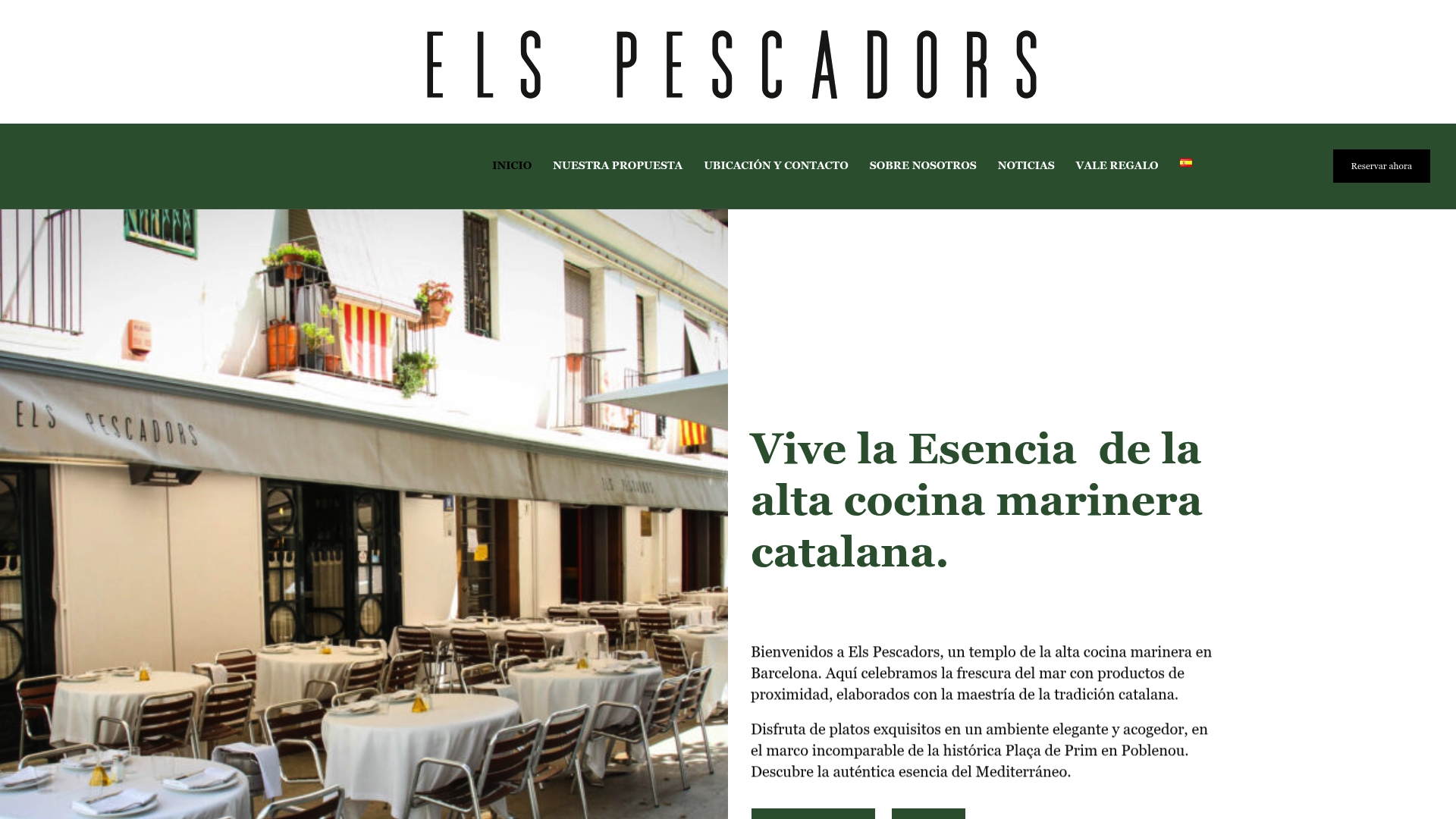
For groups, the group seafood dining experience at Elspescadors is a natural fit for a Lenten gathering or Holy Week dinner with family. The menu rotates with the season, so what you eat in March or April reflects exactly what is fresh in the Mediterranean. Reserve through the group menu page or explore the full restaurant proposal for tasting menus and event options. Home cooks can absolutely keep using the recipes above — dining at Elspescadors is an alternative, not a requirement.
Sources
- El bacallà, l’estrella de la cuina quaresmal | Barcelona Ciutat Refugi
- El bacallà, l’estrella de la cuina quaresmal | Barcelona Ciutat Refugi
- Tradiciones y gastronomía de la Cuaresma en Cataluña (Los buñuelos del Empordà) – Converses a Catalunya
- La oración y ayuno en Cuaresma | Conferencia Episcopal Española
- Una mirada a las tradiciones gastronómicas de la Semana Santa | Mercats de Barcelona | Ajuntament de Barcelona
FAQ
What are the most traditional Cuaresma dishes?
The most traditional Cuaresma dishes in the Catalan and Spanish tradition are bacalao al horno with potatoes, potaje de vigilia (chickpea, spinach, and salted cod stew), buñuelos de bacalao, and buñuelos del Empordà as a dessert. Bacalao appears in the widest range of preparations because its salt-preservation made it the most reliable Lenten protein historically.
What foods are eaten during Semana Santa?
During Semana Santa (Holy Week), the traditional foods are the same as those eaten throughout Cuaresma: salted cod in various preparations, legume stews, fish soups, tortilla española, and sweet buñuelos. Meat is avoided on Good Friday specifically, and many families cook bacalao al horno or potaje de vigilia as the centerpiece meal.
What are the three rules of Cuaresma?
The Spanish Episcopal Conference mandates abstinence from meat on Fridays during Lent, and fasting on Ash Wednesday and Good Friday, shaping the Lenten dietary framework. These three practices structure the Lenten dietary calendar and explain why fish, legumes, and egg-based dishes dominate Cuaresma menus.
What are seven traditional dishes for Semana Santa?
Seven classic dishes for Holy Week are: bacalao al horno with potatoes, potaje de vigilia, bacalao a la llauna, tuna empanadas, vegetable fideuà, sopa de ajo, and buñuelos del Empordà. All are meatless, most are budget-friendly, and each reflects a different corner of the Mediterranean and Catalan Lenten tradition.
Can you make Cuaresma recipes without salted cod?
Yes. Frozen white fish fillets (pollock, hake, or cod) substitute directly for desalted bacalao in every recipe. For fully plant-based versions, smoked tofu or chickpea fritters replace the fish protein, and a strip of dried kombu seaweed added to the stew base replicates the oceanic depth that bacalao provides.