Barcelona’s public squares, known locally as plaças, are the foundational stage for the city’s dining culture, where food and social connection are inseparable. The role of plaça in Barcelona dining culture goes far beyond providing outdoor seating. These open spaces define how residents eat, gather, and build neighborhood identity through shared meals. Catalan gastronomy retains deep heritage while constantly evolving, and the plaça is the living room where that tradition plays out every evening. From Plaça Reial in the Gothic Quarter to the quieter squares of Gràcia, each plaza shapes a distinct dining atmosphere that no indoor restaurant can fully replicate.
How do Barcelona’s plaças shape social dining and community bonds?
Barcelona’s dining culture centers on social connection, and plaças are the primary stage for reinforcing communal values through shared meals. The philosophy at work is conviviality, a Catalan concept that prizes togetherness above speed or efficiency. You do not eat quickly in a plaza. You linger.
Authentic neighborhood plaza meals often last several hours, with 3–4 rounds of dishes arriving across the table. That rhythm is not accidental. It reflects a cultural agreement between diners and the space itself: the plaza invites you to stay. Tapas, the small plates priced between €4–€12 per dish with 3–5 recommended per person, are perfectly designed for this format. Ordering in rounds keeps conversation alive and the table active.
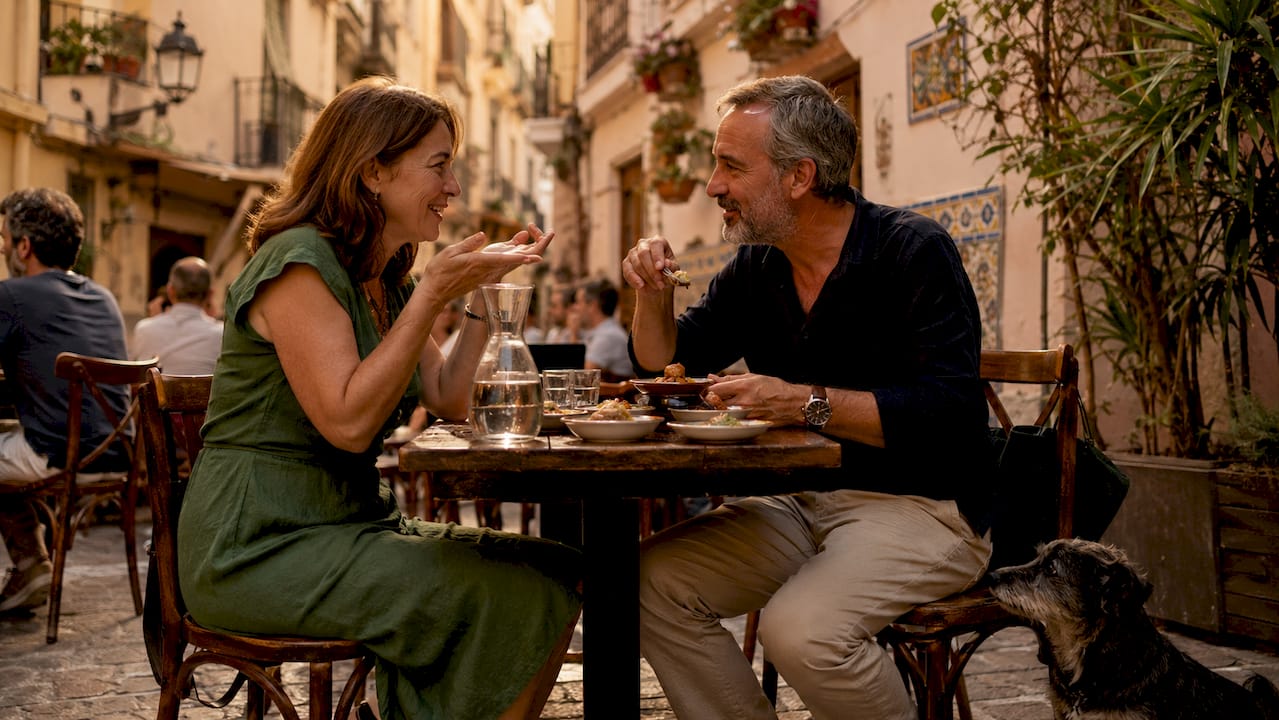
The social dynamics in neighborhood plazas span generations. On any given evening in a Gràcia square, you will find elderly neighbors playing cards at one table, young couples sharing wine at another, and families with children occupying the center. That mix is not coincidence. It is the result of decades of community life organized around a shared outdoor space.
The contrast with tourist-heavy central areas is sharp. Restaurants near major transit hubs prioritize table turnover. Neighborhood plazas reward patience. Locals prefer neighborhood plazas precisely because the slower dining pace preserves the social energy that defines authentic Barcelona dining experiences.
- Arrive after 9 PM. The local crowd fills neighborhood plazas well into the evening.
- Order in rounds. Tapas are meant to be shared progressively, not all at once.
- Choose perimeter bars. The small bars ringing a plaza often serve better food at lower prices than the central terrace restaurants.
- Bring cash. Many local plaza bars operate cash only, especially in Gràcia.
- Stay for multiple drinks. Moving from wine to cava to digestif is standard practice, not excess.
Pro Tip: If you want to eat where residents actually eat, look for the plaza bar with handwritten menus on a chalkboard. That is almost always the most authentic option in the square.
What are the price and atmosphere differences across Barcelona’s plazas?
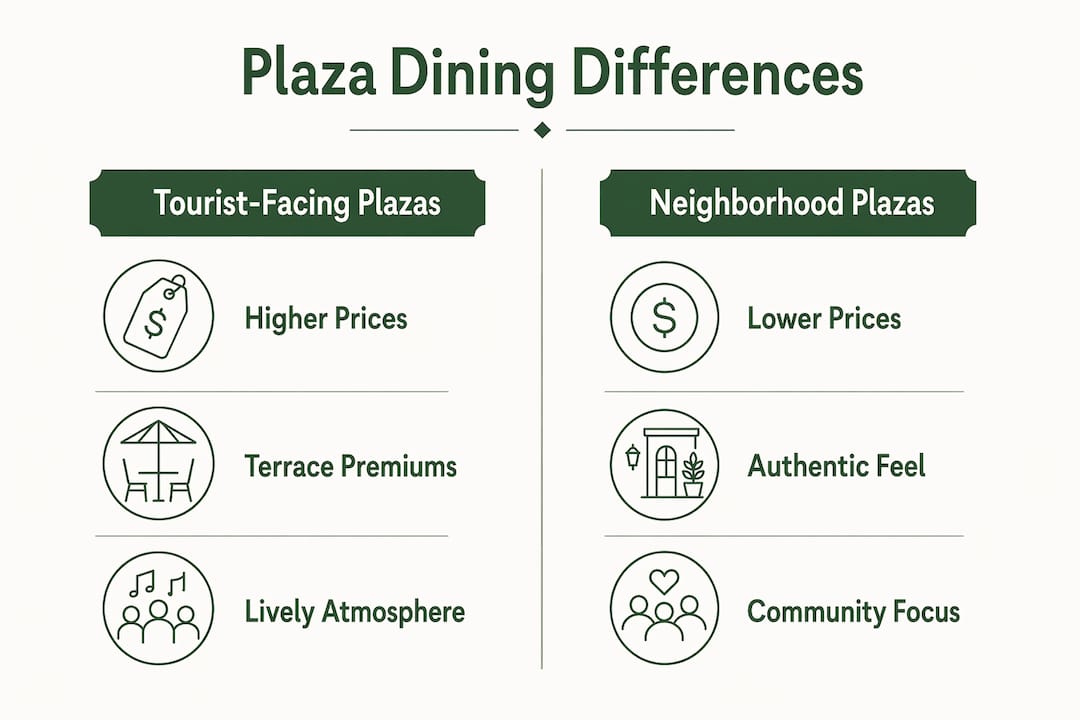
Not every plaza delivers the same experience or the same bill. The importance of plazas in dining varies significantly depending on whether you are sitting in a tourist-facing square or a neighborhood one.
Restaurants on prominent plazas like Plaça Reial charge a visible premium compared to eateries on adjacent side streets serving the same local crowd. The view of the fountain and the palm trees carries a price. That premium is real, and savvy diners know to walk one block off the main square to find the same quality at a noticeably lower cost.
Plaça Reial itself shifts dramatically by time of day. Early mornings are quiet and almost meditative. By afternoon, tourist groups fill the terraces. After 8:30 PM, the square transforms into a live music and dining hub that stays active past midnight. The energy peaks between 10 PM and midnight, which is when the experience justifies the price premium for many visitors.
Neighborhood plazas in Gràcia operate on entirely different terms. The Plaça de la Vila de Gràcia and the smaller squares surrounding it offer a slower pace, lower prices, and a crowd that is almost entirely local. Neighborhood plazas encourage slow dining and often rely on cash transactions, which signals their orientation toward residents rather than visitors.
| Feature | Tourist-facing plazas | Neighborhood plazas |
|---|---|---|
| Pricing | Higher, with terrace premiums | Lower, closer to street pricing |
| Crowd | Mixed tourists and locals | Predominantly local residents |
| Dining pace | Faster table turnover | Extended, multi-round meals |
| Payment | Cards widely accepted | Often cash only |
| Peak hours | Afternoon through late evening | 10 PM to midnight |
Pro Tip: To get the best of both worlds, have a drink on Plaça Reial to absorb the atmosphere, then walk two blocks to eat your actual meal. You will spend less and eat better.
How does plaza spatial design influence the Barcelona dining experience?
The physical design of a plaça is not decorative. It is functional, and it directly shapes how people eat, stay, and talk about the experience afterward. Gratification and aesthetics are among the strongest predictors of whether a diner will recommend a venue to others. Open plazas score high on both.
Spatial openness creates a sense of freedom that enclosed restaurants cannot offer. When you sit in a plaza, you are not contained. The sky is overhead, the street life moves around you, and the architecture frames the scene. That combination produces a satisfaction that diners carry with them and share with others. It is why plaza dining generates strong word of mouth and repeat visits.
Urban planners in Barcelona have long recognized this. Successful food precinct planning deliberately places casual dining adjacent to plazas while separating nightlife venues to preserve the square’s social balance. The result is a layered environment where families, couples, and groups can coexist without one crowd overwhelming another.
The cultural significance of plazas also shows up in how restaurants position themselves. Venues that open directly onto a square invest heavily in terrace presentation because the plaza view is part of the product. Restaurants one street back compete on food quality and price. Both strategies work, but they serve different diners with different priorities.
| Design element | Effect on dining experience |
|---|---|
| Open sky and natural light | Increases perceived space and comfort |
| Surrounding architecture | Creates visual identity and sense of place |
| Central fountain or landmark | Provides focal point, encourages longer stays |
| Perimeter bar layout | Supports casual, low-commitment dining |
| Pedestrian access | Drives foot traffic and spontaneous visits |
Where to eat in Barcelona’s plazas and what to expect
The best plazas for dining in Barcelona are not always the most famous ones. Knowing where to go and when to arrive separates a memorable meal from a mediocre tourist experience.
Plaça Reial is the most photographed square in Barcelona and worth visiting for the atmosphere alone. The colonnaded arcades, the Gaudí lamp posts, and the central fountain create a setting that feels theatrical. Arrive early morning for quiet coffee, or after 9 PM for the full evening energy. Expect to pay more here than anywhere else in the Gothic Quarter.
Gràcia’s neighborhood squares offer something closer to daily Barcelona life. The Plaça de la Vila de Gràcia and Plaça del Sol are where residents actually spend their evenings. The bars here serve vermouth, grilled anchovies, and patatas bravas at prices that reflect a local economy rather than a tourist one. Evening dining peaks between 10 PM and midnight in these squares. Arriving at 7 PM means eating alone.
For food lovers who want to connect authentic plaza dining ethos with refined Catalan seafood, Elspescadors sits in Plaça de Prim in the Poblenou district. The restaurant brings the communal spirit of plaza dining indoors and onto its terrace, with Plaça de Prim cuisine rooted in fresh catch, traditional rice dishes, and seasonal ingredients. It represents what happens when plaza culture meets culinary precision.
- Plaça Reial: Best for atmosphere and evening energy. Budget for premium terrace pricing.
- Plaça de la Vila de Gràcia: Best for authentic local pace. Bring cash and arrive late.
- Plaça del Sol (Gràcia): Strong vermouth culture, excellent for pre-dinner drinks and small plates.
- Plaça de Prim (Poblenou): Home to Elspescadors. Quieter, neighborhood-scale, focused on quality seafood.
- Plaça de la Barceloneta: Seafront energy with a mix of casual and quality dining options.
Pro Tip: Ask bar staff which dish they made that morning. In neighborhood plazas, the answer tells you exactly what to order.
Key Takeaways
Barcelona’s plaças are not just settings for dining. They are the social infrastructure that gives the city’s food culture its rhythm, identity, and depth.
| Point | Details |
|---|---|
| Plaças define dining rhythm | Meals in neighborhood plazas last hours, with multiple rounds of shared tapas. |
| Pricing varies by plaza type | Tourist-facing squares charge premiums; neighborhood plazas offer better value. |
| Timing changes everything | Authentic local energy in neighborhood plazas peaks between 10 PM and midnight. |
| Spatial design drives satisfaction | Open plaza layouts increase gratification and generate strong word of mouth. |
| Elspescadors bridges both worlds | Located in Plaça de Prim, it combines plaza community spirit with refined Catalan seafood. |
Why I think most visitors misread Barcelona’s plaza dining culture
Most travel guides treat Barcelona’s plazas as scenic backdrops. They are not. They are the actual mechanism through which the city’s food culture operates. I have spent enough time in these squares to know that the difference between a tourist meal and a local one is almost never about the food itself. It is about the timing, the pace, and the willingness to stay.
The uncomfortable truth is that the most photogenic plazas are often the least authentic dining destinations. Plaça Reial is genuinely beautiful. It is also genuinely expensive, and the restaurants there know their audience is rotating every 45 minutes. The real dining culture lives in the smaller squares of Gràcia, in Poblenou, and in the neighborhoods that tourists rarely reach before their third day in the city.
What strikes me most is how resistant this culture is to modernization. Barcelona has absorbed enormous tourism pressure over the past two decades. The neighborhood plazas have not surrendered their character. Residents still show up at 10 PM, still order in rounds, still stay until midnight. That persistence is not nostalgia. It is a deliberate choice to protect a way of eating that the city genuinely values.
The lesson for any food lover visiting Barcelona is simple: slow down. The plaza will do the rest.
— YellowRock
Elspescadors: where plaza dining spirit meets Catalan seafood
Elspescadors sits in Plaça de Prim in the Poblenou district, a location that reflects everything this article describes. The restaurant carries the communal values of Barcelona’s plaza culture into every service, from the shared group seafood dining format to the seasonal tasting menus built around the daily fresh catch.
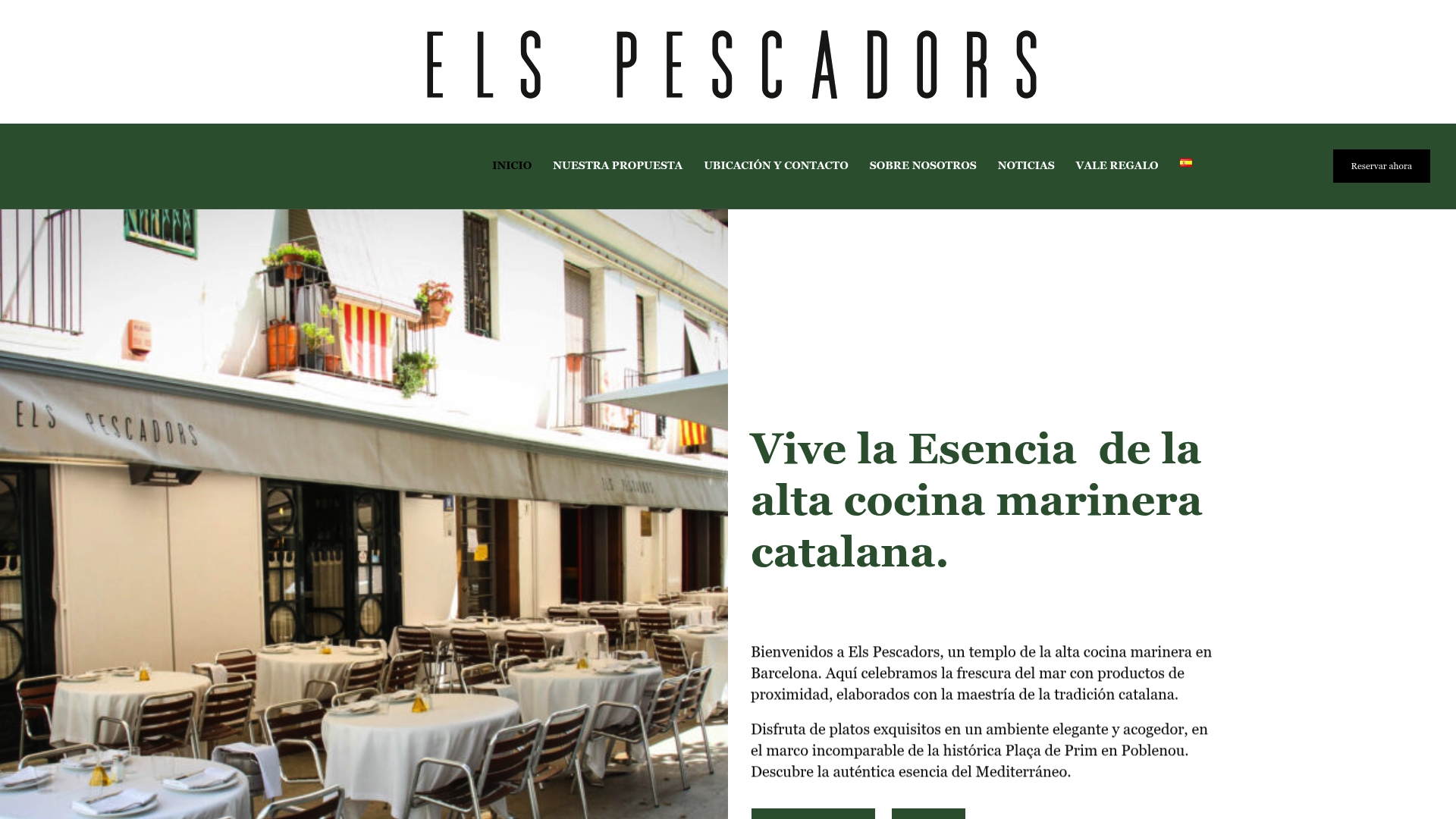
The menu draws from Catalan maritime tradition, with rice dishes, grilled fish, and seafood specialties prepared from locally sourced ingredients. The setting in a historic neighborhood square gives the experience a texture that central Barcelona restaurants rarely achieve. Reservations are recommended, particularly for evening sittings when the plaza atmosphere is at its fullest. You can review the full dining proposal and book directly through the Elspescadors website.
FAQ
What is the role of plaça in Barcelona’s dining culture?
A plaça is the social center of Barcelona dining, where shared meals, multi-round tapas, and extended communal gatherings define the local food experience. These public squares shape neighborhood identity and dining rhythm in ways that indoor restaurants cannot replicate.
What time should I eat in Barcelona’s neighborhood plazas?
Evening dining in neighborhood plazas peaks between 10 PM and midnight. Arriving earlier means missing the authentic local crowd and the full social energy of the square.
Are plaza restaurants in Barcelona expensive?
Pricing depends on the plaza. Restaurants on major tourist squares like Plaça Reial charge a visible premium, while neighborhood plazas in Gràcia offer lower prices and more authentic food.
What dishes are typical in Barcelona plaza dining?
Tapas are the standard format, with small plates like patatas bravas, grilled anchovies, and croquetas ordered in rounds. Catalan cuisine also features rice dishes and fresh seafood, especially in coastal neighborhoods like Poblenou.
How does plaza design affect the dining experience?
Spatial openness and aesthetics are top predictors of customer satisfaction and word of mouth in dining venues. Open plazas create a sense of freedom and visual richness that drives both repeat visits and recommendations.