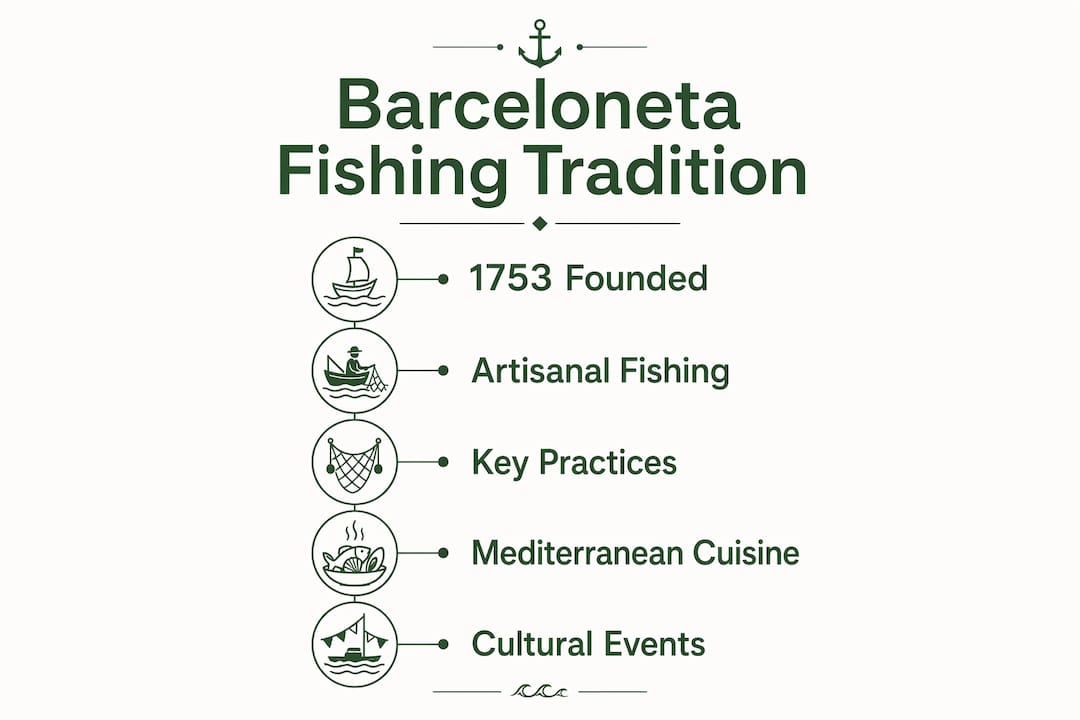
The Barceloneta fishing tradition is the living cultural heritage of artisanal Mediterranean fishing that has defined Barcelona’s historic fishermen’s quarter for over 270 years. What is Barceloneta fishing tradition, at its core? It is a complete way of life: the daily rhythms of fishermen, sustainable techniques passed down through generations, seafood cooking customs, and annual sea celebrations that still shape the neighborhood’s identity today. This tradition connects directly to Catalan maritime cuisine, making Barceloneta one of the most culturally rich food destinations on the Mediterranean coast.
How did Barceloneta’s fishing tradition originate?
Barceloneta was founded in 1753 as a planned fishing quarter, purpose-built to house the artisanal fishermen displaced from the Ribera district. That single fact explains almost everything about the neighborhood’s character. The urban grid was not designed for commerce or tourism. It was designed for fishing families who needed to live close to the sea, close to each other, and close to their boats.
The architecture tells the story directly. Fishing families lived in compact housing units called “quart de casa,” typically around 30 square meters. That is roughly the size of a large hotel room. The constraint was not accidental. It reflected both the economic reality of fishing families and a deliberate urban policy that kept the community dense, self-reliant, and tightly knit.
The neighborhood’s layout reinforced that social structure in several ways:
- Narrow streets ran perpendicular to the beach, allowing fishermen to carry nets and equipment directly from home to shore.
- Shared courtyards became informal gathering spaces where families repaired gear, dried fish, and exchanged knowledge about the sea.
- Proximity to Port Vell placed the historic fishing harbor within walking distance of every home, making the daily auction a natural extension of domestic life.
- Community identity formed around maritime trade rather than land-based commerce, creating a culture that looked outward to the sea rather than inward to the city.
This was not a neighborhood that happened to have fishermen. It was a neighborhood built from the ground up to sustain a fishing culture. That distinction matters when you try to understand why the tradition has lasted as long as it has.
What are the key fishing practices and techniques in Barceloneta?
Barceloneta’s fishing culture is defined by artisanal methods, not industrial ones. The fishermen here have historically used small boats, targeted specific species, and worked within the natural rhythms of the Mediterranean rather than against them. That approach is now recognized as a model of sustainable artisanal fishing in a region where industrial fleets have depleted stocks elsewhere.
The core practices that define local fishing techniques include:
- Line fishing and small-net methods targeting specific species rather than sweeping the seabed indiscriminately.
- Seasonal rotation following the natural availability of fish like red mullet, sea bass, and cuttlefish across different months of the year.
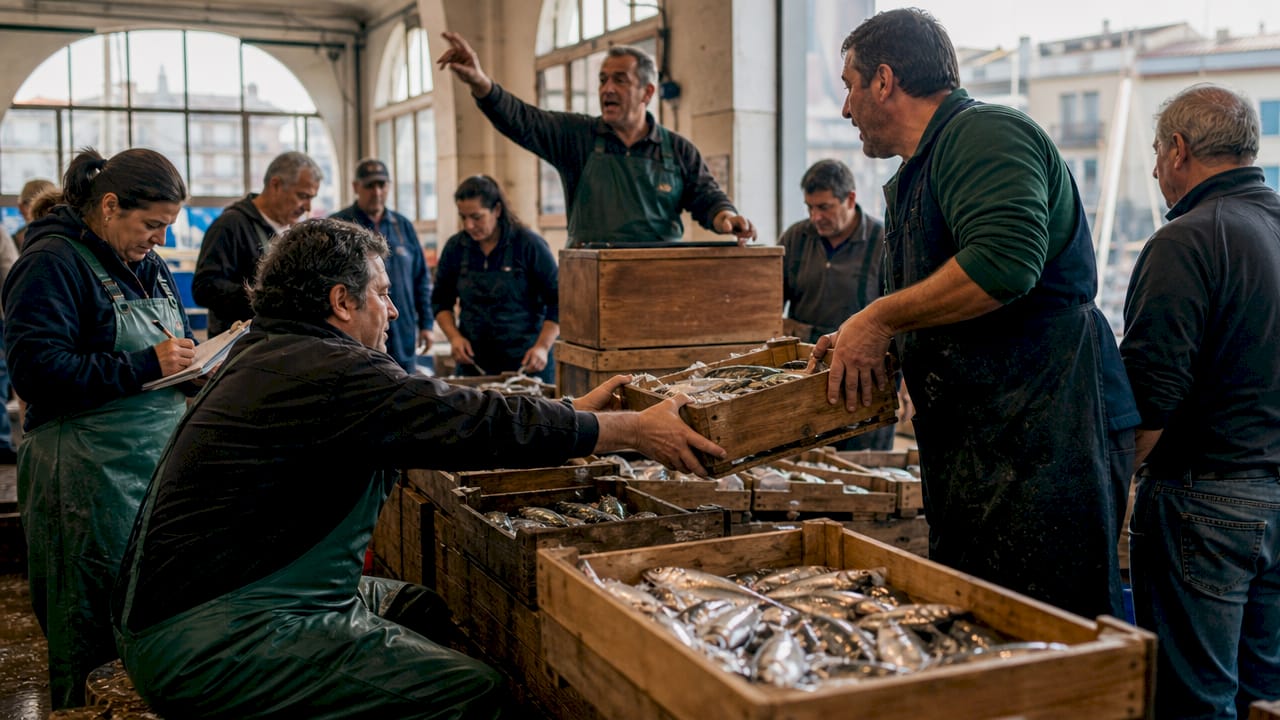
- Daily fish auctions at Port Vell, where the morning catch goes directly from boat to buyer, preserving the direct link between fisherman and table.
- Ecological knowledge transfer, where experienced fishermen pass down detailed understanding of local currents, spawning seasons, and species behavior to younger generations.
Port Vell serves as the primary hub of Barcelona’s fishing heritage, connecting past and present community identity. The dusk fish auction at Port Vell is a living continuity between historical and modern fishing practices. Watching it is one of the most direct ways to understand what this tradition actually looks like in practice.
Pro Tip: If you want to see the auction firsthand, arrive at Port Vell in the late afternoon. The process is fast, loud, and genuinely fascinating. Buyers bid in real time as crates of fresh fish move along the floor.
Seasonality is the discipline that holds the whole system together. Eating seasonal local catches is a cultural practice that resists the grocery store model of continuous availability. A fisherman who respects the season is also protecting next year’s catch. That logic is both ecological and economic, and it has been understood in Barceloneta for generations.
How does Barceloneta’s fishing tradition influence Mediterranean cuisine today?
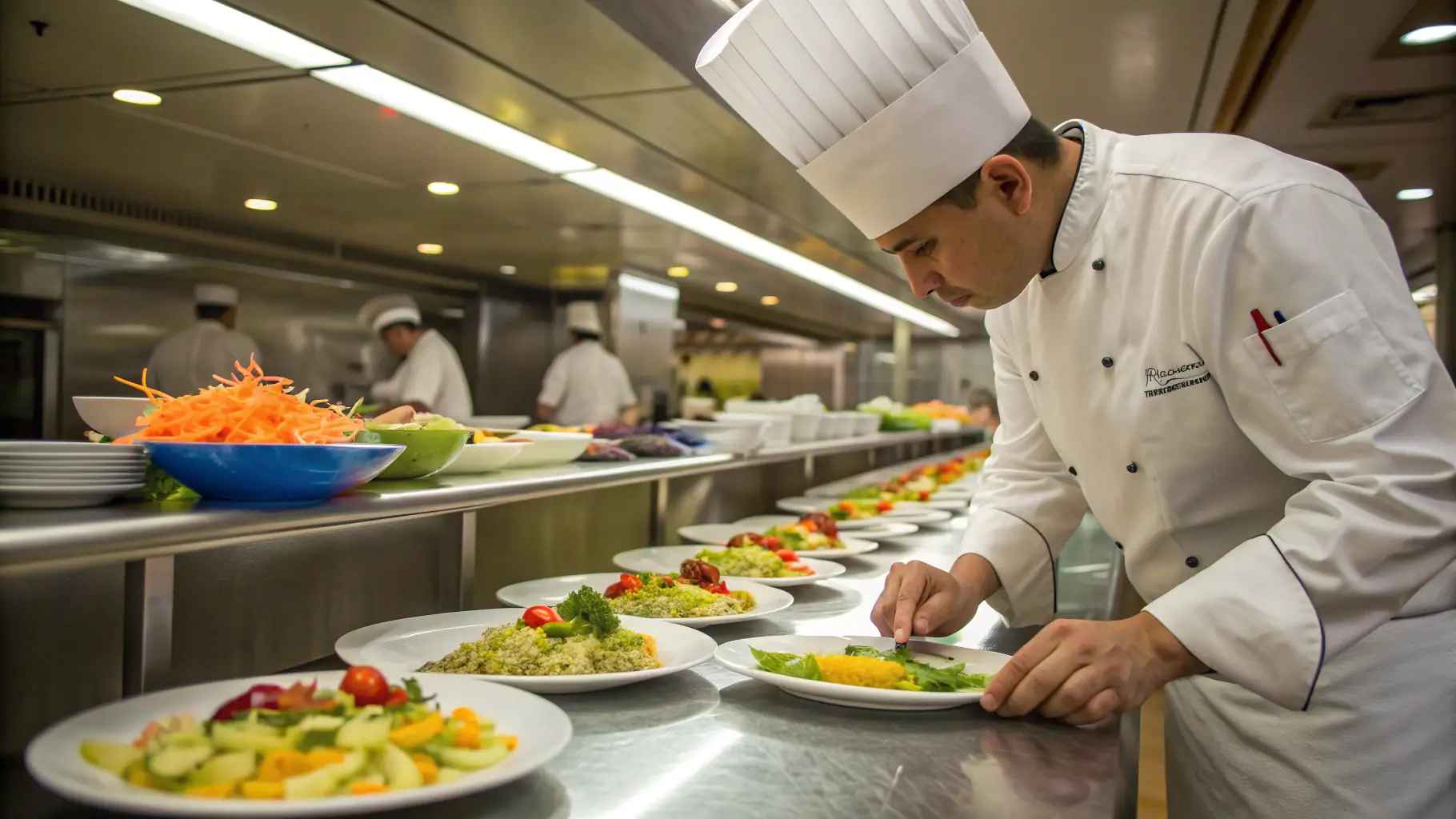
The fishing tradition shapes what ends up on the plate in ways that go far beyond fresh ingredients. The specific species caught, the methods used to prepare them, and the cultural value placed on simplicity all trace directly back to the fishermen’s kitchen. Traditional Catalan seafood dishes like suquet de peix (a fisherman’s stew) and fideuà (noodle paella with seafood) were not invented by chefs. They were invented by fishing families making the most of what came off the boat that day.
Several culinary customs define the connection between fishing heritage and Barceloneta’s food culture:
- Whole fish cooking: Fishermen historically used every part of the catch, including heads and bones for stock, a practice that produces deeper flavor and less waste.
- Underutilized species: Local cooks have always worked with fish that markets overlook, such as gurnard, weever, and small cephalopods. These species are often more flavorful than popular choices and far more sustainable.
- Minimal seasoning: The Mediterranean tradition favors olive oil, garlic, and fresh herbs over heavy sauces, letting the quality of the fish speak for itself.
- Communal eating: Large shared platters of mixed seafood reflect the social structure of fishing communities, where meals were collective rather than individual.
Cap a Mar runs specialized workshops on traditional fishermen’s cooking, held quarterly at the Barceloneta Community Center. The courses focus on local fish and sustainable techniques, including hands-on preparation of lesser-known species that most home cooks never encounter. That kind of direct knowledge transfer is rare, and it is exactly what keeps a culinary tradition alive rather than just documented.
Pro Tip: When ordering seafood in Barcelona, ask which fish came in that morning. A restaurant that can answer that question specifically is one that sources with intention. The answer also tells you what is genuinely in season.
The connection between seasonal fishing and Catalan cuisine is not a marketing concept. It is a practical reality that shapes menus, pricing, and flavor throughout the year. A dish built around red mullet in september tastes different from the same dish in february, and that difference is the point.
What cultural events celebrate Barceloneta’s fishing heritage?
The tradition is not only preserved in kitchens and boats. It surfaces publicly in festivals, community programs, and tourism experiences that bring the fishing culture into direct contact with visitors and residents alike.
| Event or Initiative | When | What It Involves |
|---|---|---|
| Virgen del Carmen festival | annually, saturday closest to july 16 | Sea procession blessing the port waters, honoring the patron saint of seafarers |
| Cap a Mar cooking workshops | quarterly | Hands-on fishermen’s cooking classes at Barceloneta Community Center |
| Port Vell fish auction | daily | Live auction of the morning catch, open to public observation |
| Fishing boat excursions | seasonal | Guided trips with local fishermen explaining traditional methods |
The Virgen del Carmen festival is the most visible annual celebration of Barceloneta’s maritime identity. Held on the saturday closest to july 16, the festival includes a sea procession that blesses the port waters. Fishing boats decorated with flowers carry the statue of the Virgin out into the harbor. The ceremony is not a tourist performance. It is a genuine act of community faith that has been repeated for generations.
Cap a Mar is the organization doing the most sustained work to preserve and share this heritage. Run by fishing families, it re-educates the public on maritime heritage and sustainable fishing values. Its workshops, boat trips, and community programs create direct experiences that no museum exhibit can replicate. Preservation of Barceloneta’s fishing tradition is, as Cap a Mar frames it, a matter of both cultural identity and sustainable urban development.
Key Takeaways
The Barceloneta fishing tradition is a 270-year-old artisanal culture that connects neighborhood history, sustainable Mediterranean fishing techniques, and Catalan seafood cuisine into a single living heritage.
| Point | Details |
|---|---|
| Founded for fishing in 1753 | Barceloneta was purpose-built as a fishing quarter, shaping its tight-knit community and urban layout. |
| Artisanal methods define the practice | Small-boat fishing, seasonal rotation, and daily Port Vell auctions distinguish this tradition from industrial fishing. |
| Cuisine traces directly to fishermen | Dishes like suquet de peix and the use of underutilized species originate in the fishing family kitchen, not restaurant invention. |
| Cap a Mar leads preservation | This fishing-family organization runs quarterly cooking workshops and community programs to keep the tradition active. |
| Virgen del Carmen anchors the calendar | The annual july sea procession is the most visible public expression of Barceloneta’s maritime identity. |
Why this tradition deserves more than a postcard
Most travelers visit Barceloneta for the beach. A smaller number visit for the seafood. Very few visit with any awareness that the neighborhood was built specifically to house a fishing community, and that this community’s practices still shape what ends up on the plate at the best restaurants in Barcelona.
That gap bothers me. The Barceloneta fishing tradition is one of the clearest examples I know of a living urban food culture. It is not reconstructed for tourists. It is not a heritage trail with plaques. It is fishermen going out in the morning, selling their catch in the afternoon, and watching their grandchildren learn to clean a gurnard in a community center workshop. That continuity is genuinely rare.
The pressure on this tradition is real. Sustainable artisanal fishing faces constant pressure from modern food markets that favor continuous availability over seasonality. Tourism has also changed the neighborhood’s economic mix, pushing rents up and making it harder for fishing families to stay. The risk is not that the tradition disappears overnight. The risk is that it slowly becomes decorative, a story told about the past rather than a practice happening in the present.
The answer is not to keep tourists out. The answer is to direct tourist attention toward the real thing. Attend the Virgen del Carmen procession. Take a Cap a Mar workshop. Order the fish that came in this morning, not the one that is always on the menu. These choices support the tradition rather than just consuming its image.
— YellowRock
Taste Barceloneta’s tradition at Elspescadors
Elspescadors brings the fishing heritage of Barcelona’s coast directly to the table at its historic Poblenou location in Plaça de Prim. The menu is built around daily fresh catch, seasonal seafood, and traditional Catalan recipes that trace their roots to the same fishing culture described here.
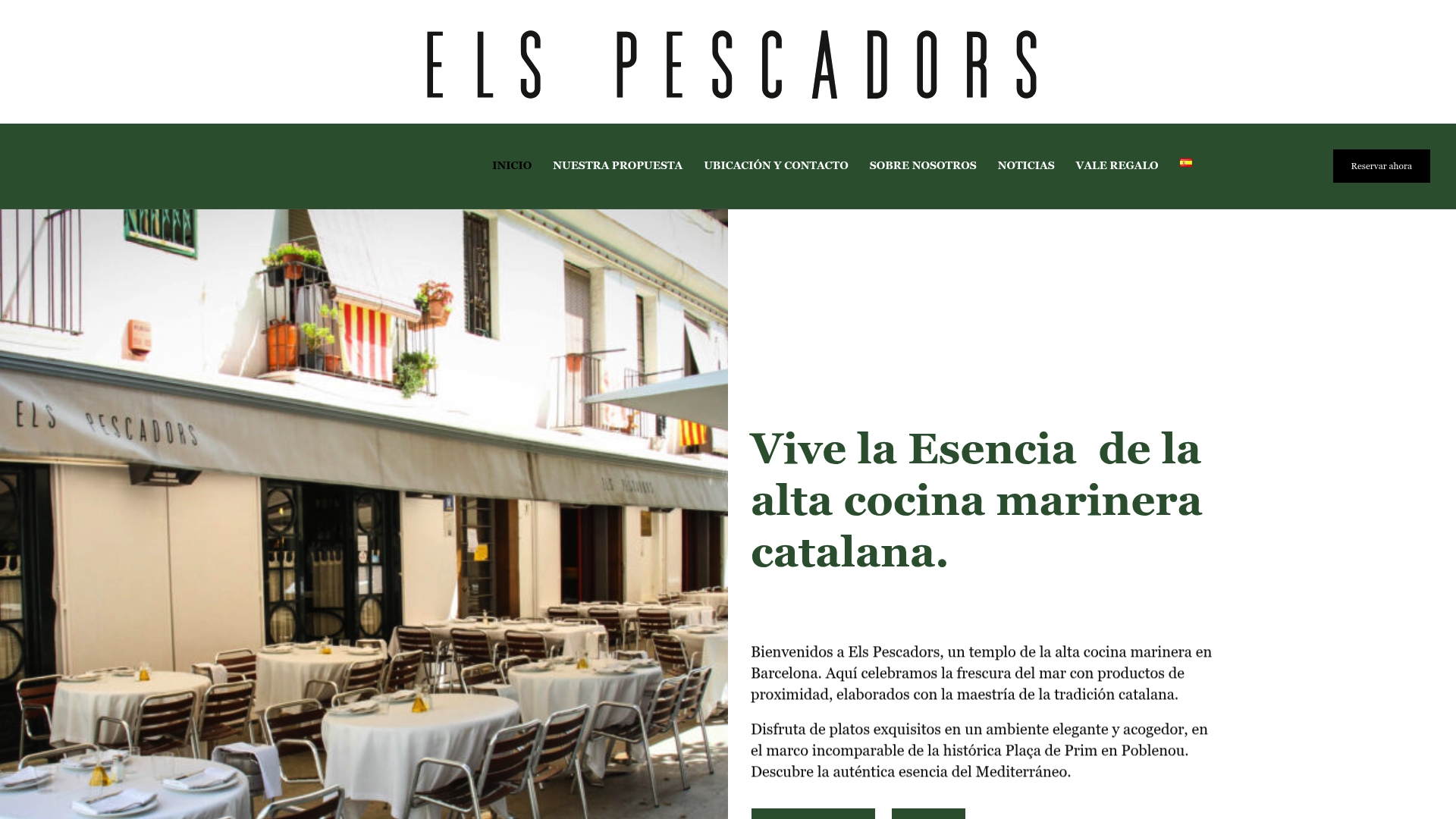
Whether you are planning a private celebration or a shared feast with friends, Elspescadors offers group seafood dining experiences that reflect the communal spirit of Barceloneta’s fishing tradition. Every dish connects to the seasonal rhythms and artisanal values that have defined Mediterranean seafood for centuries. If you want to understand what Barceloneta’s fishing culture tastes like, this is where to start.
FAQ
What is the Barceloneta fishing tradition?
The Barceloneta fishing tradition is the artisanal Mediterranean fishing culture that has shaped Barcelona’s historic fishermen’s quarter since 1753. It encompasses small-boat fishing techniques, seasonal catches, daily fish auctions at Port Vell, and seafood cooking customs rooted in the fishing family kitchen.
When was Barceloneta built as a fishing quarter?
Barceloneta was founded in 1753 as a planned district for artisanal fishing families, making it over 270 years old. The neighborhood’s narrow streets and compact housing were designed specifically to support maritime life.
What is the Virgen del Carmen festival in Barceloneta?
The Virgen del Carmen festival is an annual maritime celebration held on the saturday closest to july 16, honoring the patron saint of seafarers. It features a sea procession of decorated fishing boats that bless the port waters, and it remains one of the most authentic expressions of Barceloneta’s fishing identity.
How can travelers experience Barceloneta’s fishing culture firsthand?
Travelers can attend the Port Vell fish auction in the late afternoon, join a Cap a Mar cooking workshop focused on traditional fishermen’s recipes, or take a guided fishing boat excursion with local fishermen. Each experience offers direct contact with the living tradition rather than a museum version of it.
How does Barceloneta’s fishing tradition connect to Catalan cuisine?
The tradition directly shaped dishes like suquet de peix and the widespread use of underutilized fish species in Catalan seafood gastronomy. Fishermen’s cooking principles, including whole-fish preparation, minimal seasoning, and seasonal sourcing, remain the foundation of authentic Mediterranean seafood cuisine in Barcelona.