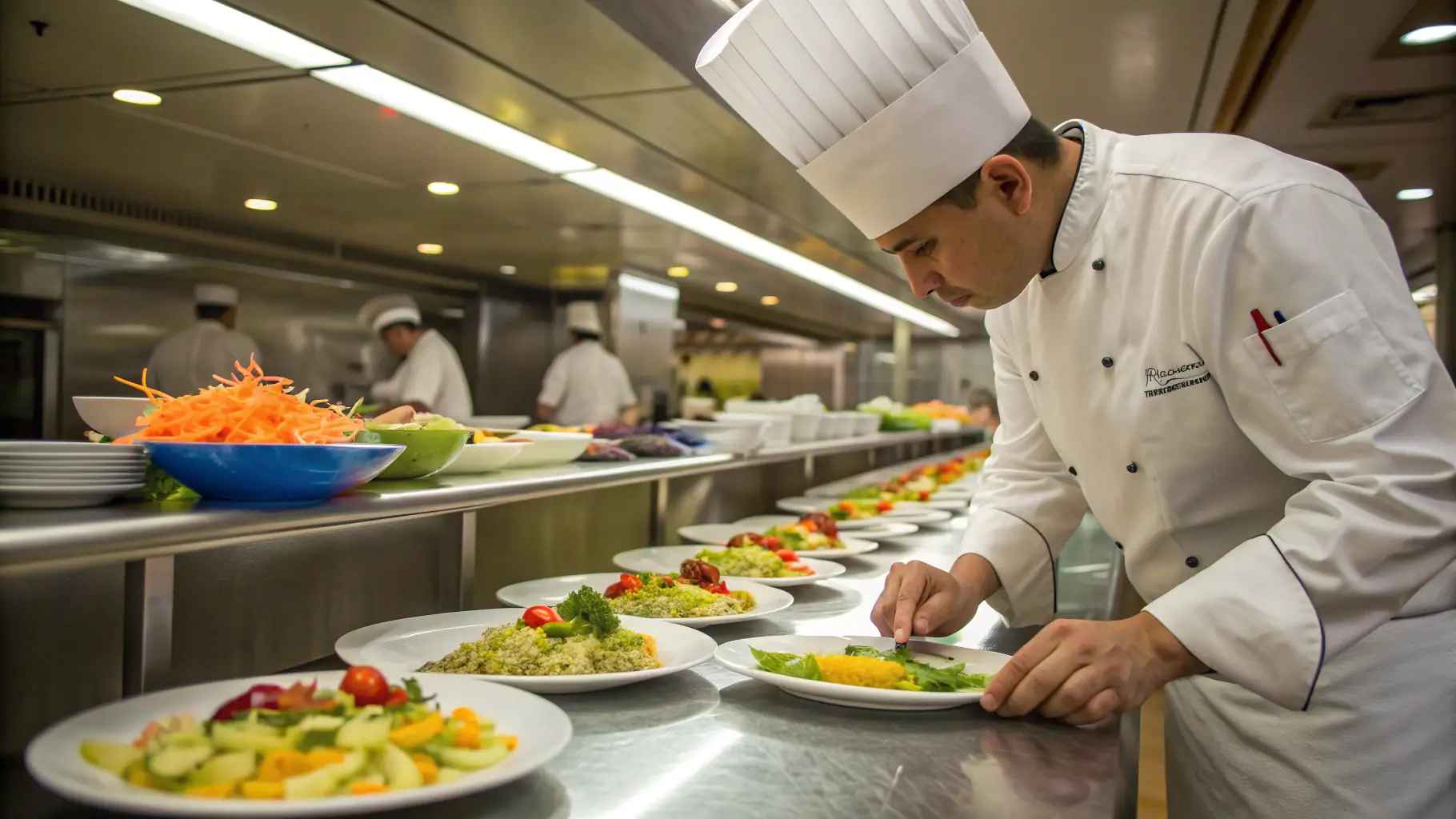
Luxury seafood dining experiences are defined as curated, multi-course encounters built around premium, market-fresh seafood, prepared with artisanal technique and served in settings that honor the sea’s cultural significance. The finest examples draw from Mediterranean culinary traditions, where restraint in seasoning, respect for seasonality, and deep ecological awareness shape every plate. These are not simply expensive meals. They are immersive expressions of place, craft, and trust between chef and guest. For the discerning gourmet traveler, understanding what separates a truly exceptional experience from a merely costly one is the first step to choosing well.
1. What defines luxury seafood dining experiences at their best
The gold standard of fine dining seafood is the tasting menu format, also known as a degustation menu. Top-tier tasting menus typically run 13 to 17 courses, with pricing at premier chef’s table venues reaching S$550 per person before service charges. That price reflects far more than ingredient cost. It pays for the pacing, the sourcing relationships, and the years of technique behind each course.
The culinary philosophy at this level centers on restraint. Chefs avoid heavy sauces, letting the natural umami and texture of each ingredient carry the dish. A perfectly handled piece of turbot needs nothing more than a clean fumet and precise heat. The goal is clarity, not complexity.
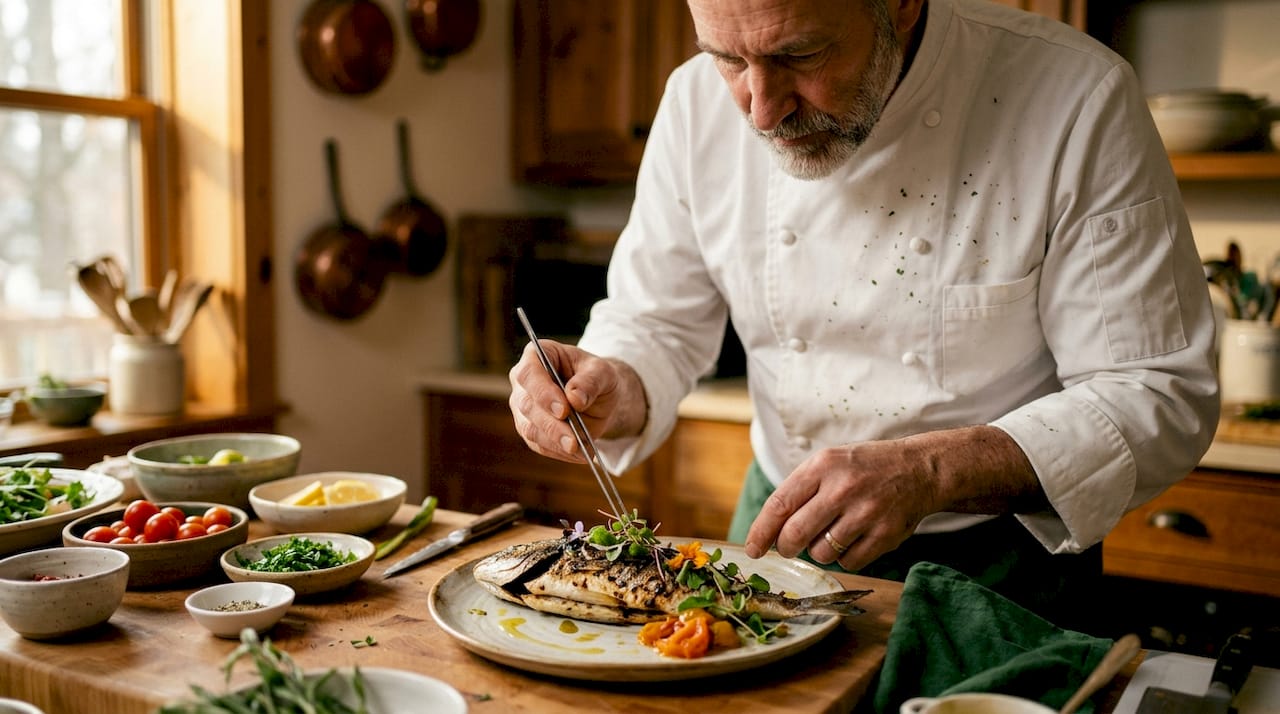
Sourcing is the foundation. The best gourmet seafood restaurants build menus around what arrived at the dock that morning, not what was ordered from a distributor a week ago. Some venues invite guests to observe or even select from the day’s catch before service begins. That interaction transforms a meal into a conversation about the sea.
Pro Tip: When booking a premium tasting menu, ask the restaurant whether the menu changes daily or weekly. A menu that shifts with the catch is a reliable signal of genuine freshness standards.
2. Artisanal techniques that separate good from exceptional
Two techniques appear consistently at the highest level of seafood fine dining: ikejime and artisanal fumet. Ikejime is a Japanese method of humanely dispatching fish that prevents lactic acid buildup in the muscle, preserving texture and extending the window of peak flavor. Most diners never see it mentioned on the menu. Its effect shows up entirely on the palate.
Artisanal fumet, a concentrated fish stock built from bones and aromatics, forms the backbone of many Mediterranean sauces and rice dishes. A properly made fumet takes hours and requires bones from the same species being served. Shortcuts are immediately detectable. These invisible techniques are what separate a technically excellent kitchen from one that merely sources well.
The combination of Japanese precision and Mediterranean warmth is not accidental. Binchotan charcoal grilling alongside traditional Mediterranean seafood preparation has become a defining approach at several leading venues. The charcoal adds a clean, mineral smoke that complements rather than overwhelms delicate fish.
3. Signature venues defining exclusive seafood menus in 2026
The global map of curated seafood dining experiences has several anchor points worth knowing.
-
Barcelona, Spain. The Catalan coast produces some of Europe’s finest shellfish and fish. Elspescadors, located in the historic Poblenou district at Plaça de Prim, centers its menu on daily fresh catch, traditional rice dishes, and authentic Catalan seafood prepared with seasonal, locally sourced ingredients. The setting in a charming historic square adds a layer of cultural texture that purpose-built luxury venues rarely achieve.
-
El Puerto de Santa María, Spain. Chef Ángel León’s Aponiente operates from a restored tidal mill surrounded by salt marshes. León’s philosophy holds that luxury dining should reflect the ecosystem from which the seafood is sourced. The result is a menu that reads like a map of the Bay of Cádiz.
-
Singapore. Waku Ghin at Marina Bay Sands offers a Japanese-European omakase format with menus priced from S$128 to S$550 per person. The format features live seafood selected tableside and prepared with precision over a live counter. The exclusivity is structural: the dining room holds fewer than 25 guests per seating.
-
Tokyo, Japan. The city’s omakase culture produces some of the world’s most technically demanding seafood experiences. Intimate counters with fewer than 12 seats allow chefs to adjust pacing and portion based on real-time diner reactions. The experience depends entirely on trust between chef and guest.
-
Mallorca, Spain. The Balearic Islands have developed a distinct style blending Japanese technique with Mediterranean ingredients. Venues here use binchotan grilling and sharing-based formats that encourage social engagement without sacrificing precision.
4. How seasonality and sustainability shape exclusive seafood menus
Seasonality is not a marketing term in serious seafood kitchens. It is a hard constraint. Stone crab seasons in the US, for example, run october 15 through may 1, and regulated harvest windows directly determine what appears on menus. Chefs who build around these cycles produce more coherent menus than those who source globally to maintain year-round consistency.
Mediterranean seasonality follows its own rhythms. Red shrimp from Palamós peak in late spring. Sea urchin is best in winter when cold water concentrates its flavor. A kitchen that tracks these cycles and builds menus accordingly demonstrates a level of ecological literacy that elevates the entire dining experience.
Sustainability practices at the top end go beyond certification labels. They include relationships with specific fishing boats, knowledge of individual fishing grounds, and decisions about which species to remove from the menu entirely during vulnerable periods. The best culinary experiences involve diners understanding seasonal cycles and the ecological context behind their food choices. That knowledge makes the meal more meaningful, not just more ethical.
Pro Tip: Ask your server which items on the menu reflect the current season’s peak. A knowledgeable answer signals a kitchen that genuinely tracks its sources. A vague answer tells you something equally useful.
| Season | Mediterranean seafood at peak |
|---|---|
| Winter | Sea urchin, oysters, clams |
| Spring | Red shrimp, anchovies, squid |
| Summer | Octopus, sea bass, gilt-head bream |
| Autumn | Cuttlefish, mussels, spider crab |
5. What to expect from the atmosphere and service at luxury seafood venues
The physical setting of a luxury seafood experience carries as much weight as the food itself. The best venues understand this and design every element of the room to reinforce the culinary narrative.
- Intimate scale. The most memorable experiences happen in small rooms. A dining room with 20 to 30 covers allows the kitchen to maintain quality and gives the service team space to deliver genuinely personalized attention.
- Chef’s counter access. Sitting at a counter facing the kitchen transforms the meal from passive consumption to active participation. You watch the ikejime technique applied, see the fumet reduced, and understand the sequence of the menu in real time.
- Flexible pacing. Luxury omakase experiences depend on multi-sensory pacing, with chefs adjusting based on diner reactions rather than a fixed clock. A two-hour meal and a four-hour meal can cover the same number of courses. The difference is how much space the kitchen gives each dish to land.
- Cultural storytelling. The finest venues connect each course to a place, a season, or a tradition. Chef Ángel León’s Aponiente tells the story of the Bay of Cádiz through every plate. Elspescadors tells the story of the Catalan coast and the Poblenou fishing community. That narrative context is what separates a memorable meal from a merely excellent one.
- Social dining formats. Luxury dining is shifting toward sharing-based formats that blend precision with warmth. Dishes arrive at the table for the group to divide, encouraging conversation and extending the pleasure of each course.
6. How to prepare for a gourmet seafood tasting menu
Preparation makes a measurable difference in how much you enjoy a premium tasting experience. Diners who specify dietary preferences in advance allow chefs to build personalized selections that maintain the menu’s internal harmony. A last-minute allergy disclosure forces substitutions that can disrupt the sequence the chef designed.
Read the restaurant’s sourcing philosophy before you arrive. If the kitchen publishes information about its fishing partners or seasonal approach, that context enriches every course. You will taste the difference between a fish caught that morning and one held for two days. Knowing the story behind it sharpens your perception.
Arrive with time to spare and without a hard departure constraint. Tasting menus at the highest level are not compatible with catching a 10:00 PM flight. The kitchen sets the pace. Your job is to follow it. For practical guidance on booking top seafood venues in Barcelona, planning ahead by several weeks is standard for the most sought-after tables.
Key Takeaways
The finest luxury seafood dining experiences combine artisanal technique, genuine seasonality, and intimate settings where chef-diner trust replaces rigid menus.
| Point | Details |
|---|---|
| Course count and pricing | Top tasting menus run 13–17 courses, with premier venues pricing up to S$550 per person. |
| Technique matters invisibly | Ikejime and artisanal fumet define quality at the plate level without appearing on the menu. |
| Seasonality is structural | Mediterranean seafood peaks vary by species and season; the best kitchens build menus around these cycles. |
| Intimate scale drives quality | Rooms with fewer than 30 covers allow personalized pacing and genuine chef-diner interaction. |
| Preparation improves the experience | Communicating dietary preferences in advance lets chefs maintain menu harmony and maximize enjoyment. |
Why the best seafood meals feel like a place, not just a plate
The most striking thing I have noticed across years of eating at serious seafood tables is how rarely the food alone explains the experience. The meals I remember most clearly are the ones where the setting, the sourcing story, and the chef’s evident relationship with a specific coastline all converged on the plate at once.
Chef Ángel León’s work at Aponiente is the clearest example I know. The restaurant sits inside a working tidal mill. The salt marshes outside the window are the same ecosystem that produces the seafood on your plate. That coherence between landscape and dish is not a design choice. It is a philosophical commitment. Most luxury venues gesture toward it. Aponiente actually achieves it.
The shift I find most significant in 2026 is the move away from technical showmanship toward ecological honesty. The chefs earning the most serious attention right now are the ones who can explain exactly where their fish came from, why that species is on the menu this week and not last week, and what they are doing to ensure it will still be available in ten years. That kind of transparency requires real relationships with fishermen and real knowledge of marine biology. It cannot be faked.
For the discerning gourmet traveler, this shift is good news. It means the best experiences are becoming more specific, more rooted, and more genuinely connected to the places that produce them. A meal at Elspescadors in Poblenou tells you something true about the Catalan coast. That is worth more than any number of theatrical presentations.
— YellowRock
Elspescadors: authentic Mediterranean seafood in Barcelona
Elspescadors brings together everything that defines serious Mediterranean seafood dining. Located in Plaça de Prim in the historic Poblenou district, the restaurant builds its menu around daily fresh catch, traditional Catalan rice dishes, and seasonal ingredients sourced from trusted local suppliers.
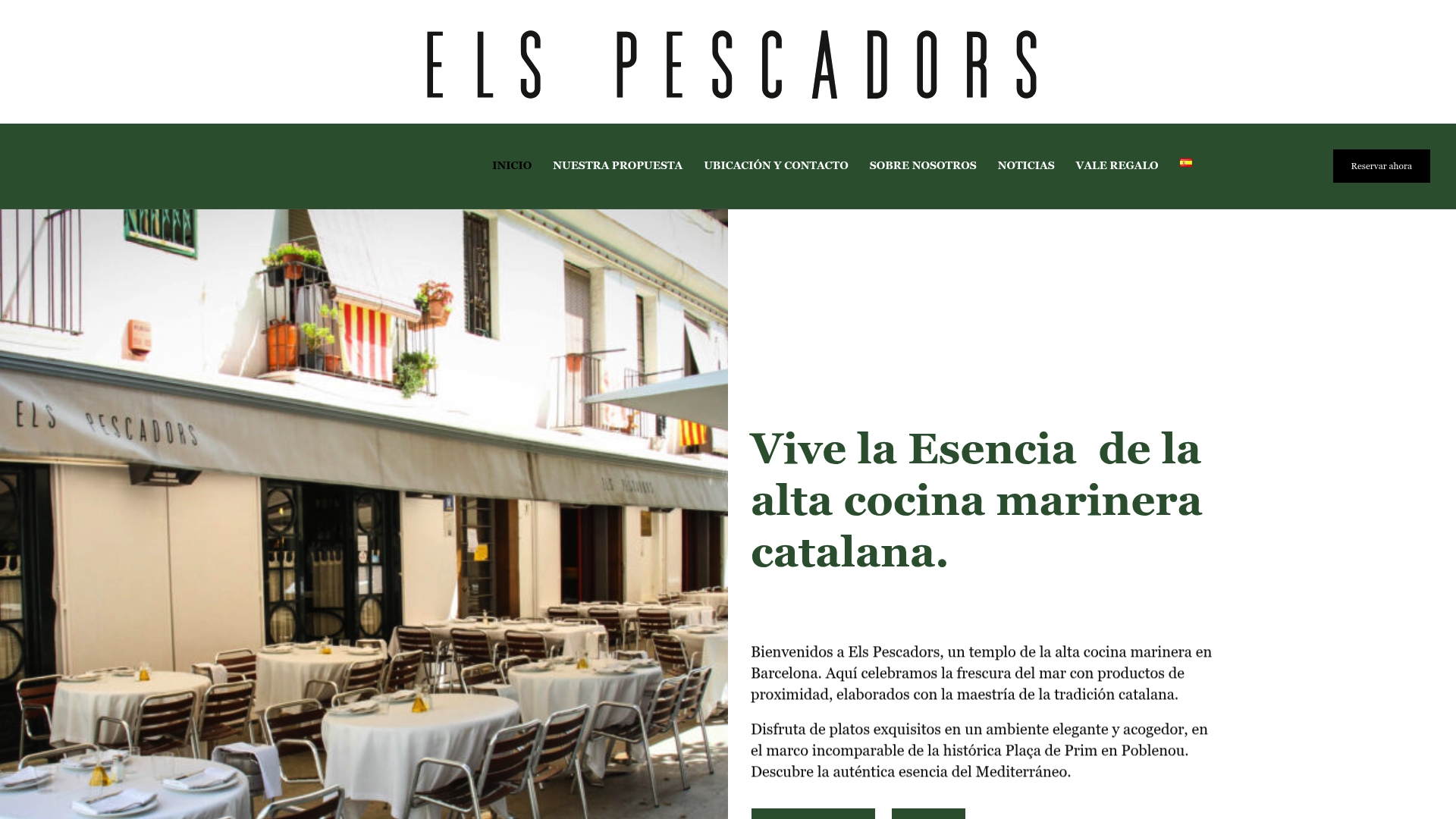
The tasting menu at Elspescadors reflects the rhythms of the Catalan coast, changing with the season and the catch. For groups, the restaurant offers curated group dining options designed for memorable shared experiences. Reservations are recommended well in advance, particularly for weekend evenings and special occasions.
FAQ
What is luxury seafood dining?
Luxury seafood dining is a curated, multi-course experience built around premium, market-fresh seafood prepared with artisanal technique in an intimate, high-service setting. It differs from standard fine dining through its emphasis on daily sourcing, ecological awareness, and direct chef-diner interaction.
How many courses does a luxury seafood tasting menu typically include?
Top-tier seafood tasting menus typically feature 13 to 17 courses, with premier venues pricing up to S$550 per person. Course count alone does not define quality; pacing and ingredient sourcing matter equally.
Why does seasonality matter in fine dining seafood?
Seasonality determines peak flavor and ethical availability. Mediterranean species like red shrimp and sea urchin reach their best quality at specific times of year, and responsible kitchens build menus around these natural cycles rather than sourcing globally year-round.
What is ikejime and why does it matter?
Ikejime is a Japanese technique for humanely dispatching fish that prevents lactic acid buildup in the muscle, preserving texture and extending peak flavor. It is one of the most important invisible techniques in high-end seafood preparation.
How far in advance should you book a luxury seafood restaurant?
For the most sought-after tables in cities like Barcelona, booking several weeks in advance is standard. Communicating dietary preferences at the time of reservation allows the kitchen to prepare a fully personalized menu.