Dining locally in Barcelona is the single most direct way to experience authentic Catalan culture, support neighborhood economies, and eat better food. The question of why dine locally in Barcelona 2026 has a clear answer: local eateries operate on cultural rhythms, fair pricing, and seasonal ingredients that tourist-focused restaurants simply cannot match. The traditional menú del día sits at the center of this experience, a two or three course lunch served between 1:30 PM and 3:30 PM for €12–€16, offering genuine value and a window into how Barcelona actually eats. Choosing neighborhood restaurants over tourist traps is not just a lifestyle preference. It is a decision with real economic, cultural, and environmental consequences.
Why dine locally in Barcelona 2026: culture, rhythm, and real food
Barcelona’s dining culture runs on unwritten rules that most visitors never learn. Meal timing and dish appropriateness reflect deep culinary traditions that separate authentic experiences from manufactured ones. Understanding these patterns is the fastest way to eat like a local, regardless of whether you live here or arrived last week.
The most telling example is rice. Rice dishes are eaten at lunch, not dinner in authentic Catalan practice. A restaurant serving paella or arrós at 9:00 PM is almost certainly catering to tourists who do not know the difference. Locals order rice at midday because the kitchen has had time to source and prepare it properly. Ordering it at night signals that the dish was likely prepared hours earlier and reheated.
Authentic establishments also look different from tourist traps. You can read a room quickly with these signals:
- Handwritten chalkboard menus instead of laminated, photo-heavy boards
- Staff speaking Catalan or Spanish rather than leading with English
- Packed tables between 2:00 PM and 3:30 PM on weekdays, filled with office workers and regulars
- No photos of dishes on the menu or outside the door
- Short, seasonal menus that change weekly or daily
Pro Tip: If a restaurant’s menu has not changed in months and lists 40+ dishes, it is almost certainly running on frozen or pre-prepared ingredients. Authentic local kitchens keep menus tight because they cook what is fresh.
The contrast between tourist zones and local neighborhoods is stark. The Gothic Quarter and Las Ramblas operate on a different economic logic than Gràcia or Poblenou. Authentic dining experiences require following the cultural pattern of meal timing and language cues. When you do, the food quality difference is immediate and obvious.
How does supporting local restaurants benefit Barcelona’s communities?
Local restaurants are economic anchors for their neighborhoods. A neighborhood restaurant that serves regulars every weekday lunch sustains a supply chain that reaches far beyond its kitchen. Local dining supports fishermen, farmers, and artisans whose livelihoods depend on consistent, fair-priced orders from trusted buyers.
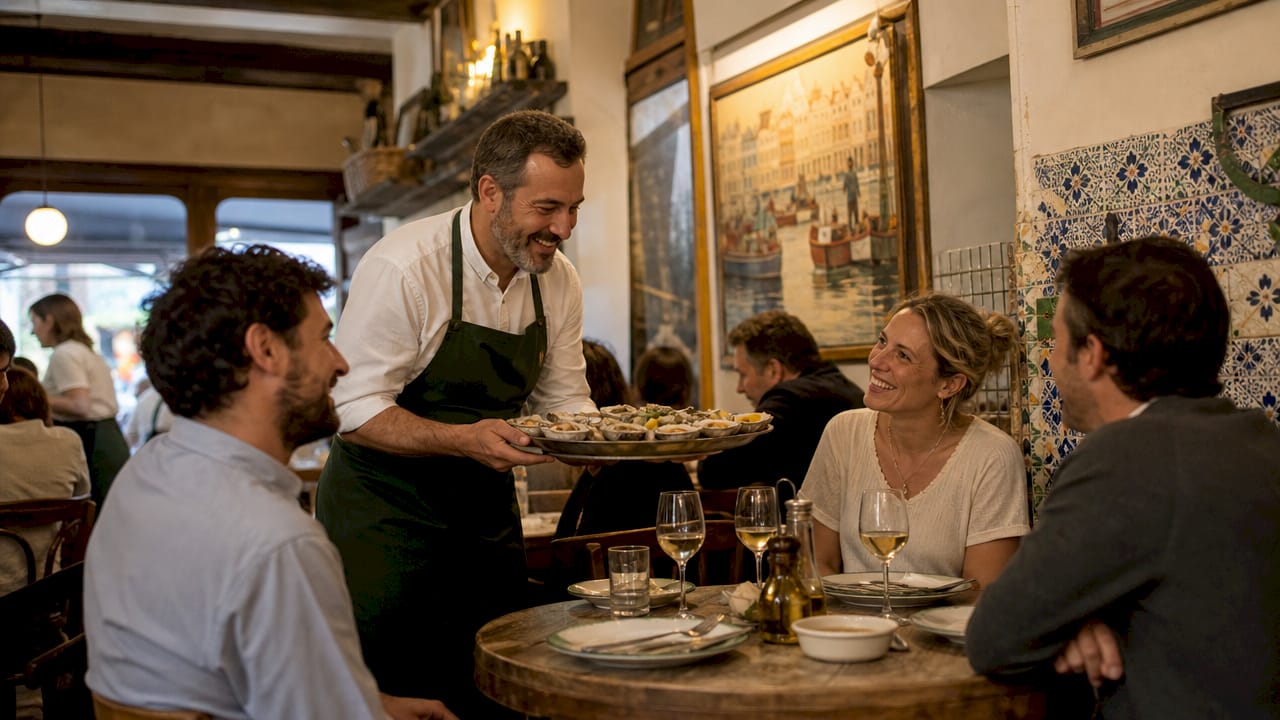
The economic recirculation effect is concrete. When you spend €15 at a neighborhood restaurant in Poble Sec, a portion of that money pays a local fish supplier, a vegetable farmer from the Maresme coast, and a baker from the next street over. That money stays in Barcelona. Tourist-focused restaurants often rely on centralized distribution networks that move revenue out of the neighborhood entirely.
Here is how the community benefit breaks down in practice:
- Artisan suppliers stay viable. Local restaurants buy smaller, more frequent orders from independent producers. This keeps small-scale farming and fishing economically sustainable.
- Neighborhood pricing stays fair. Restaurants thriving on local patronage maintain consistent quality and pricing because their regulars will not tolerate drops in either.
- Local jobs remain stable. A neighborhood restaurant employs people who live nearby, spend locally, and reinvest in the same community.
- Overtourism pressure decreases. When visitors spread across authentic neighborhoods instead of concentrating in tourist zones, the social and economic strain on those zones reduces.
- Cultural identity survives. Restaurants that serve locals preserve recipes, techniques, and dining customs that disappear when replaced by generic tourist menus.
“The neighborhoods where locals eat daily are the ones that maintain the highest food quality and the most consistent pricing. That is not a coincidence. It is the direct result of a customer base that knows what good food costs and will not accept less.”
Supporting local restaurant economies is one of the most direct ways travelers can reduce their negative impact on a city while improving their own experience.
How to find the best local dining experiences in Barcelona

The best local restaurants in Barcelona 2026 are concentrated in specific neighborhoods. Knowing where to look cuts the search time dramatically.
Neighborhoods with strong local dining scenes:
- Gràcia: Dense with family-run restaurants and wine bars that have served the same regulars for decades
- Poble Sec: One of the most authentic dining corridors in the city, with strong local patronage on Carrer de Blai and surrounding streets
- Sant Antoni: A neighborhood in transition but still anchored by local bars and traditional lunch spots near the Sant Antoni Market
- Poblenou: Neighborhood restaurants here maintain quality and fair pricing because the local residential population is large and loyal
What to look for when you arrive:
- Menus written in Catalan or Spanish first, with no English translation
- A prix fixe lunch menu priced between €12 and €16
- Tables filling up between 1:30 PM and 3:00 PM with people who are clearly not tourists
- A short wine list featuring local Catalan producers
Pro Tip: La Boqueria market is worth visiting, but the first 20 meters are tourist-priced stalls. Walk deeper into the market to find where local chefs actually shop. The produce quality and pricing difference is significant.
| Signal | Tourist restaurant | Local restaurant |
|---|---|---|
| Menu format | Laminated, photos, 5+ languages | Chalkboard or single sheet, Catalan/Spanish |
| Lunch timing | Open all day | Packed 1:30–3:30 PM, quieter otherwise |
| Rice dishes | Available at dinner | Lunch only |
| Pricing | €20+ per main | €12–€16 menú del día |
| Clientele | Mostly visitors | Mix of regulars and neighbors |
Understanding how Barcelona restaurants differ by district helps you make faster, better decisions when choosing where to eat.
What is the environmental impact of eating locally in Barcelona?
Local dining reduces environmental impact in ways that scale quickly across a city the size of Barcelona. Local sourcing directly lowers carbon footprint by cutting transportation distances and reducing packaging waste. A fish caught off the Catalan coast and served the same day travels a fraction of the distance of imported seafood.
The sustainability benefits of local dining include:
- Shorter supply chains mean less refrigeration, less fuel, and less packaging at every step
- Support for sustainable fishing practices by local fishermen who operate under Mediterranean fishing regulations
- Reduced reliance on industrial food networks that prioritize volume over quality and freshness
- Seasonal menus that follow natural availability cycles instead of importing out-of-season ingredients
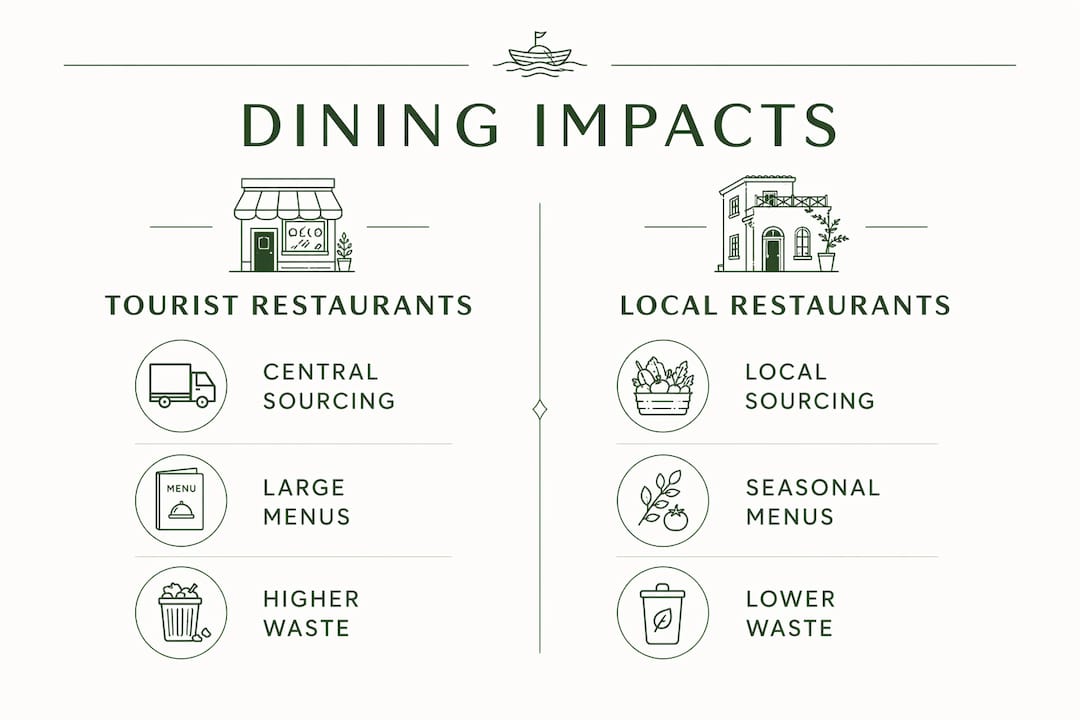
| Practice | Tourist-focused restaurant | Local neighborhood restaurant |
|---|---|---|
| Ingredient sourcing | Centralized distributors, often imported | Local markets, regional farms, coastal fishermen |
| Food miles | High | Low |
| Packaging waste | Higher (bulk distribution) | Lower (direct supplier relationships) |
| Menu seasonality | Fixed year-round | Changes with seasonal availability |
Choosing local seafood over imported alternatives also supports the fishing communities along the Catalan coast, where sustainable practices are tied directly to economic survival. When local fishermen have consistent buyers, they have less incentive to overfish. The connection between your lunch choice and the health of the Mediterranean is more direct than most people realize.
Key Takeaways
Dining locally in Barcelona delivers better food, stronger community support, and lower environmental impact than eating at tourist-focused establishments.
| Point | Details |
|---|---|
| Cultural authenticity | Follow meal timing and dish customs, like rice at lunch only, to identify genuine local restaurants. |
| Economic recirculation | Local spending supports fishermen, farmers, and artisans, keeping money inside Barcelona’s neighborhoods. |
| Neighborhood identification | Gràcia, Poble Sec, Sant Antoni, and Poblenou offer the strongest local dining scenes in 2026. |
| Sustainability impact | Local sourcing cuts food miles, reduces packaging waste, and supports sustainable Catalan fishing. |
| Value benchmark | The menú del día at €12–€16 is the clearest signal of an authentic, locally oriented restaurant. |
Barcelona’s dining culture is worth protecting
I have spent enough time eating across this city to say this plainly: the gap between a tourist restaurant and a real neighborhood spot is not subtle. It shows up in the first bite. The fish is fresher. The rice has texture. The bread arrived without being asked for.
What concerns me about 2026 is the pace of displacement. Neighborhoods that were genuinely local five years ago are now seeing their best lunch spots replaced by brunch cafes targeting digital nomads and weekend visitors. Gràcia is holding on. Parts of Poblenou still feel real. But the pressure is constant, and it moves fast.
The uncomfortable truth is that travelers have more power here than they think. Every time you choose a restaurant with a handwritten menu and a €14 lunch over a place with a QR code and €22 pasta, you are casting a vote for the version of Barcelona worth keeping. That is not a small thing. Restaurants run on thin margins, and local patronage, even from visitors who understand the culture, makes a measurable difference.
My honest recommendation: eat lunch, not dinner, as your main meal. Order the menú del día. Sit next to the people who eat there every Tuesday. That is the Barcelona dining experience that no amount of money can manufacture at a tourist-zone restaurant. You will spend less, eat better, and leave with something worth remembering.
— YellowRock
Elspescadors: authentic Catalan seafood in Poblenou
Elspescadors sits in Plaça de Prim in the Poblenou district, one of Barcelona’s most authentic residential neighborhoods. The restaurant embodies the values this article covers: fresh, locally sourced fish and seafood, traditional Catalan rice dishes served at lunch, and a menu built around what is seasonal and available from local suppliers.
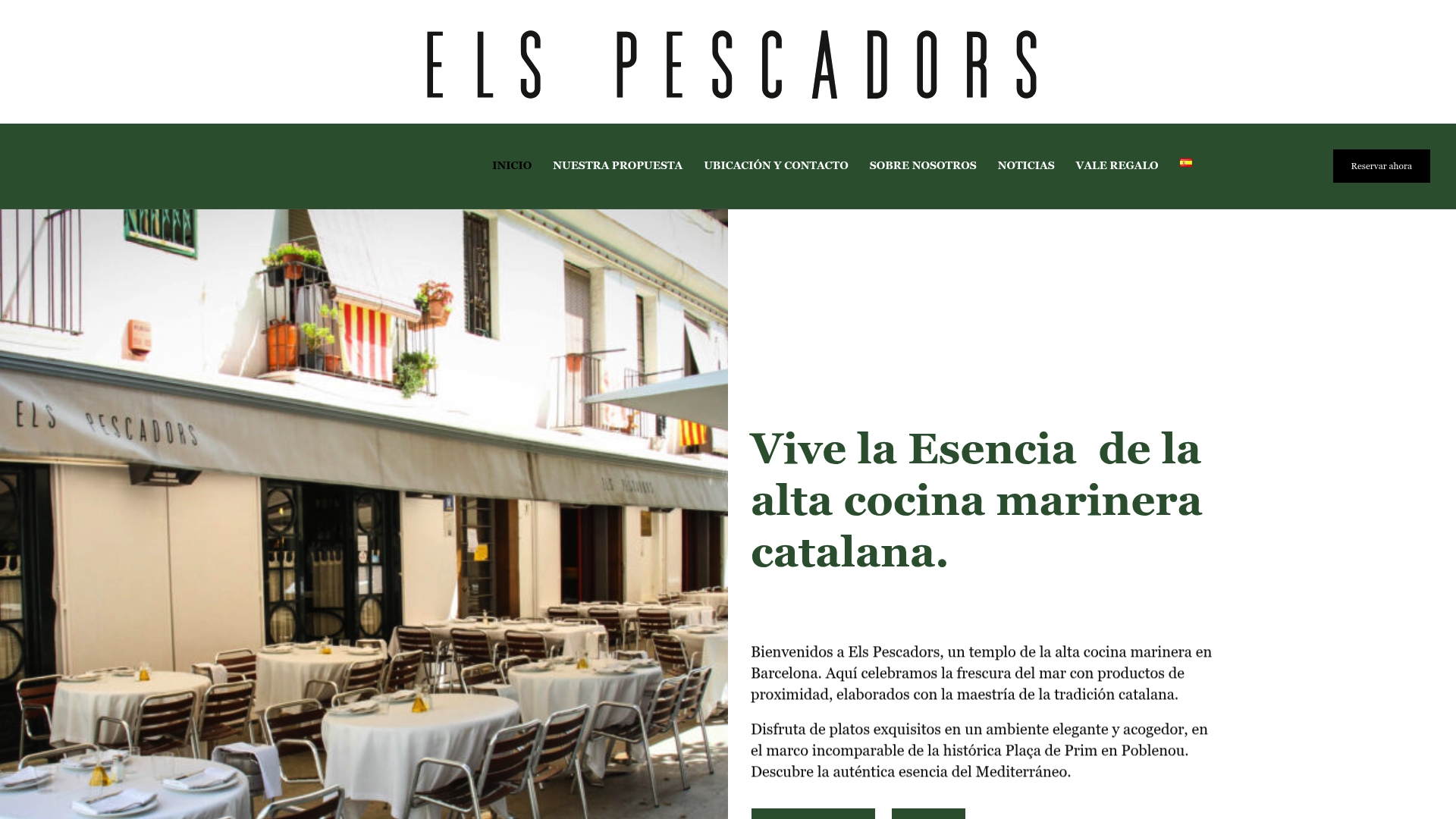
The kitchen at Elspescadors works directly with local fishermen and regional producers, which means the daily fresh catch reflects what the Mediterranean actually offers that morning. For groups looking for a memorable seafood feast rooted in Catalan tradition, Elspescadors offers dedicated group menus designed around shared plates and the best of the season. You can also review the full dining proposal to understand the restaurant’s approach before you book.
FAQ
What is the menú del día and why does it matter?
The menú del día is a fixed-price lunch menu served between 1:30 PM and 3:30 PM, typically costing €12–€16. It is the clearest indicator of an authentic, locally oriented restaurant in Barcelona.
Which Barcelona neighborhoods have the best local dining in 2026?
Gràcia, Poble Sec, Sant Antoni, and Poblenou offer the strongest local dining scenes, with restaurants that serve regulars and maintain consistent quality and fair pricing.
Why are rice dishes only served at lunch in Barcelona?
Rice dishes like paella are a lunchtime tradition in Catalan cuisine because they require fresh ingredients and proper preparation time. A restaurant serving rice at dinner is almost always catering to tourists rather than following local custom.
How does local dining support sustainability in Barcelona?
Local restaurants source ingredients from nearby farms and coastal fishermen, which cuts transportation distances, reduces packaging waste, and supports sustainable fishing practices along the Catalan coast.
How do I spot a tourist trap restaurant in Barcelona?
Look for laminated menus with photos, dishes available in five or more languages, rice served at dinner, and prices well above €20 per main course. Authentic local spots use chalkboard menus, short seasonal offerings, and fill up with regulars at midday.