Barcelona’s outdoor terraces are defined as immersive dining environments where sensory experience, social performance, and urban design combine to elevate a meal far beyond what any indoor room can offer. This is why Barcelona outdoor terraces enhance dining in ways that go deeper than fresh air and a pleasant view. Research shows 69% of adults value outdoor dining options, and Barcelona’s terrace culture gives that preference a specific, irreplaceable shape. The city’s 2026 regulatory framework, biophilic design principles, and centuries of Mediterranean social ritual all converge on the terrace. The result is a dining format that feeds all five senses at once.
Why Barcelona outdoor terraces enhance dining through sensory design
The sensory case for terrace dining starts with biophilic design, the practice of connecting built environments to natural elements like light, greenery, and airflow. Biophilic design elements in terraces reduce stress, improve air quality, and increase customer satisfaction by creating restorative dining experiences. That means diners stay longer, spend more, and leave feeling better than they would after an equivalent meal indoors.
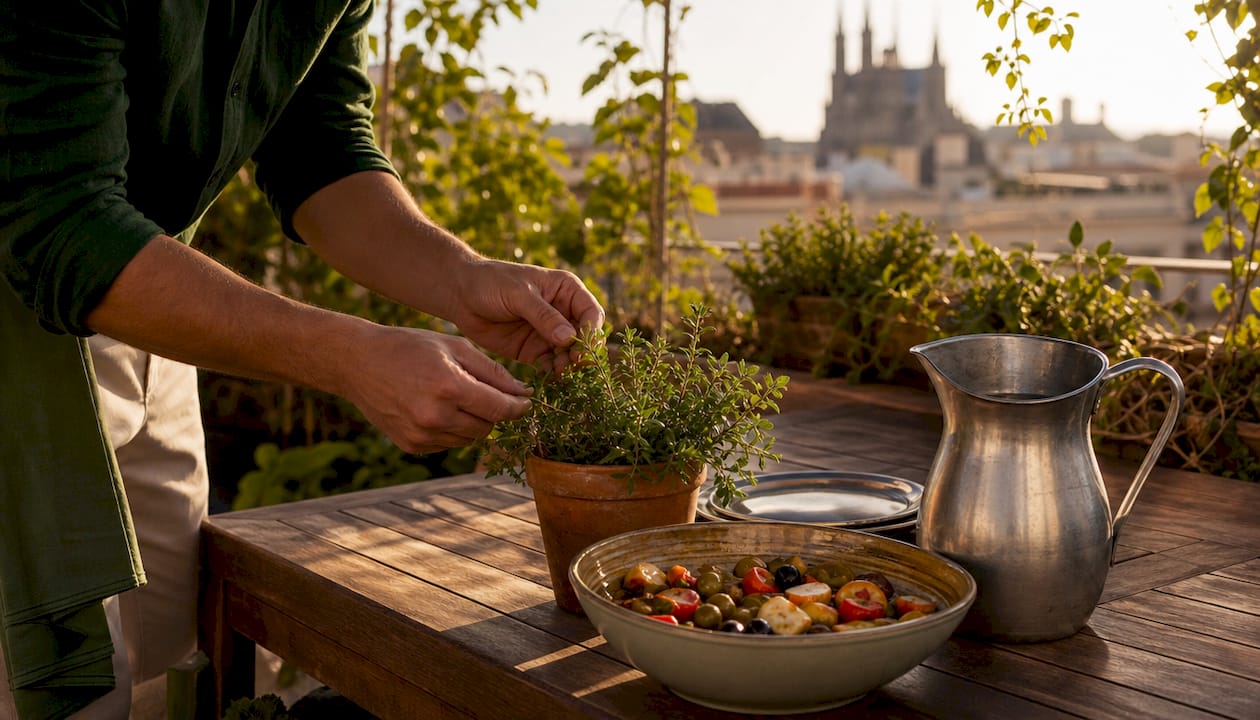
Barcelona’s climate amplifies every one of those benefits. Natural light shifts the color of food on the plate. Sea breezes carry salt and citrus into the air. The ambient sounds of a neighborhood, cobblestones, children, distant music, give a meal a living soundtrack that no interior speaker system can fake. These are not incidental pleasures. Multisensory restorative experiences on terraces go beyond aesthetics, enhancing both social and environmental satisfaction in measurable ways.
Terrace designers in Barcelona use specific elements to activate these responses:
- Natural light exposure through open or semi-shaded layouts that shift with the sun across the day
- Greenery and planters placed at table height to create visual softness and filter street noise
- Organic materials such as rattan, stone, and reclaimed wood that signal warmth and authenticity
- Airflow corridors created by positioning tables away from solid walls, letting Mediterranean breezes circulate
Pro Tip: Arrive for lunch between 1:30 PM and 2:30 PM when Barcelona’s terraces catch the best natural light and the midday heat is moderated by shade structures. This window also aligns with local dining rhythms, so the social energy around you is at its peak.
The culinary experience on a well-designed terrace is fundamentally different from indoor dining. Every sensory channel is open, and the food arrives in a context that makes it taste like more.
How do outdoor terraces create a unique social atmosphere in Barcelona?
Barcelona terraces function as public stages. The choice of where you sit, and how you face, carries social meaning that most diners absorb without realizing it. Sitting facing the street exposes diners to the proxemic gaze, turning them into public actors in the neighborhood’s daily theater. Sitting with your back to the street signals a preference for privacy. These are not random choices. They are quiet social codes embedded in terrace culture.
The social dynamics of terrace dining in Barcelona follow a recognizable pattern:
- Arrival and positioning. Diners choose tables based on visibility, shade, and proximity to foot traffic, each decision broadcasting social intent.
- Observation and interaction. Facing the street invites eye contact, nods, and spontaneous conversation with passersby, reinforcing a sense of belonging to the neighborhood.
- Temporal layering. Diverse demographic and temporal factors shift terrace atmosphere dynamically across the day, from morning coffee regulars to late-night groups sharing wine.
- Coexistence rituals. Long meals, shared plates, and unhurried service reflect Catalan customs that terraces physically support by giving tables room to breathe.
- Identity expression. The restaurant’s terrace design, its furniture, its clientele, communicates who belongs there and what kind of evening is on offer.
Dining on a Barcelona terrace is a public performance of coexistence. Diner behavior contributes to the evolving identity of the neighborhood itself, making every meal part of a larger, ongoing social story.
Ground-floor commercial spaces in Barcelona, especially terraces, are critical to resilient urban environments by fostering sustainable social engagement. That finding from urban planning research confirms what any regular terrace diner already feels. The table on the sidewalk is not just a seat. It is a node in the city’s social network.
In what ways do Barcelona’s terraces integrate with the urban environment?
Barcelona’s urban grid, particularly the Eixample district’s chamfered street junctions, creates natural social hubs at every corner. Chamfered street junctions act as vibrant social connectors, and terraces placed at these intersections pull diners directly into the city’s visual and pedestrian flow. The geometry of the city is designed for exactly this kind of outdoor life.
Barcelona terraces are also physically distinct from those in other European cities. Terraces here are placed away from building facades toward the curb, rather than hugging the wall as in Paris. That placement forces waiters to navigate crowded sidewalks, adding a lively theatricality to service that becomes part of the dining experience itself. In Paris, the terrace is an extension of the interior. In Barcelona, it is a claim on the street.
| Feature | Barcelona terrace model | Generic urban terrace |
|---|---|---|
| Table placement | Near curb, away from facade | Against building wall |
| Pedestrian interaction | High, tables within foot traffic | Low, separated from flow |
| Service style | Dynamic, cross-sidewalk navigation | Standard indoor extension |
| Social visibility | Maximum street exposure | Partial or screened |
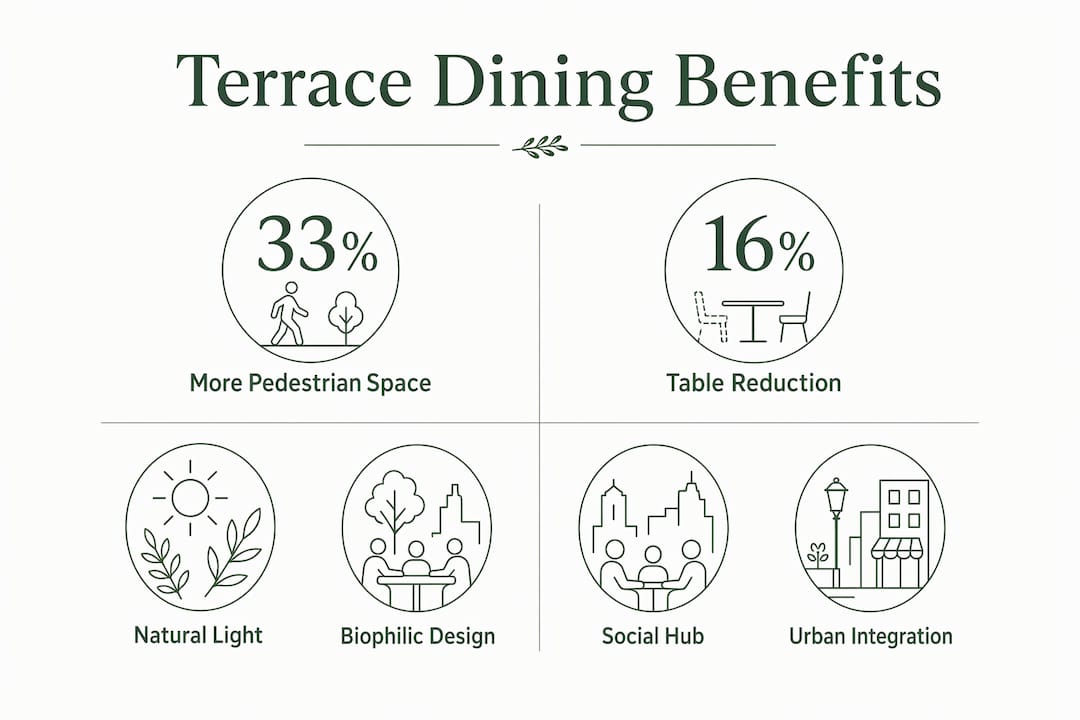
The 2026 regulatory framework from Barcelona City Council is reshaping this model further. The new rules reduce terrace tables by 16% and increase pedestrian space by 33% along La Rambla, with full implementation by early 2027. That is a deliberate trade: fewer tables in exchange for a better experience at each one.
Pro Tip: Seek out terraces on Barcelona’s side streets rather than main tourist corridors. The 2026 regulations are tightening quality standards citywide, but neighborhood terraces in districts like Poblenou or Gràcia already offer the authentic urban integration that La Rambla is only now being pushed toward.
Recent municipal regulations also standardize terrace design with neutral tones and uniform parasol heights to create cohesive urban aesthetics. Branding and advertising are tightly controlled to reduce tourist clutter and emphasize local character. The city is actively curating the terrace experience, not just permitting it.
What practical advantages do outdoor terraces offer diners in Barcelona?
The practical benefits of terrace dining extend to both the diner and the restaurant. For diners, the advantages are concrete and immediate:
- Ambiance choice. You select your level of sun, shade, street exposure, and noise before you sit down. Indoor dining offers no equivalent control.
- Scenic context. Barcelona’s architecture, plazas, and street life provide a visual backdrop that changes every hour. The dining experience in iconic Barcelona squares is enriched by architecture, local sounds, and social rhythm in ways that are genuinely irreplicable.
- Seasonal range. Barcelona’s Mediterranean climate supports terrace dining for most of the year. Spring and fall evenings on a well-positioned terrace are among the best dining conditions in Europe.
- Social energy. The open environment creates a relaxed pace that encourages longer meals, more conversation, and a stronger sense of occasion.
- Connection to place. Eating outdoors in a specific neighborhood ties the meal to a location in a way that indoor dining rarely achieves.
For restaurants, indoor-outdoor layouts serve as free advertising that attracts passersby and communicates brand identity without a single word. A well-dressed terrace full of satisfied diners is the most persuasive marketing a restaurant can deploy. The terrace is simultaneously a product and a billboard.
The 2026 regulatory changes do introduce real challenges. Restaurants on La Rambla face a direct reduction in covers, which affects revenue per service. The response from quality-focused operators is to invest in the experience at each table rather than maximize table count. That shift benefits diners directly. Fewer tables means better service, more space, and a calmer atmosphere.
Key Takeaways
Barcelona’s outdoor terraces enhance dining by combining biophilic sensory design, social performance culture, and urban integration into a single experience that indoor spaces cannot replicate.
| Point | Details |
|---|---|
| Sensory design drives satisfaction | Biophilic elements like natural light, greenery, and airflow reduce stress and extend diner stays. |
| Terraces are social stages | Seating choices signal identity, and facing the street turns diners into active participants in neighborhood life. |
| Urban placement is intentional | Barcelona positions terraces near curbs, not walls, maximizing pedestrian interaction and dining theatricality. |
| 2026 regulations raise the bar | Fewer tables and stricter design standards mean a higher-quality experience at each remaining seat. |
| Neighborhood terraces outperform tourist corridors | Districts like Poblenou and Gràcia offer authentic terrace culture with less commercial pressure and more local character. |
What I’ve learned from years of eating on Barcelona terraces
The conventional wisdom says terraces are popular because the weather is good. That explanation misses almost everything that matters. Weather is the condition, not the cause. The cause is that Barcelona has built a city where the street is genuinely interesting, and the terrace is the best seat to watch it from.
What strikes me most is how the role of public plazas in Barcelona’s dining culture shapes the terrace experience in ways visitors rarely articulate. You are not just eating outside. You are participating in a neighborhood’s daily rhythm. The family at the next table, the waiter crossing the sidewalk with three plates balanced on one arm, the couple arguing quietly two tables over. These are not distractions. They are the experience.
The 2026 regulatory changes are, in my view, genuinely good news for diners. The instinct to pack more tables onto every available square meter has been the enemy of quality terrace dining for years. Reducing table density and standardizing aesthetics will make Barcelona’s terraces feel less like outdoor cafeterias and more like the social spaces they were always meant to be. The city is correcting a drift toward volume over quality, and that correction is long overdue.
My advice to anyone planning a terrace meal in Barcelona: check the best timing for terrace dining before you book. The difference between a terrace at 8:00 PM in july and the same terrace at 9:30 PM is not just temperature. It is the entire social composition of the space. Terrace dining rewards the diner who pays attention to when, not just where.
— YellowRock
Elspescadors’ terrace in Poblenou: where Barcelona’s outdoor dining culture lives
Elspescadors sits in Plaça de Prim in the Poblenou district, one of the neighborhoods the 2026 regulations point toward as a model for authentic, quality-focused terrace culture. The restaurant’s outdoor terrace opens onto a quiet historic square, placing diners inside the social and architectural fabric of old Barcelona rather than on a tourist corridor.
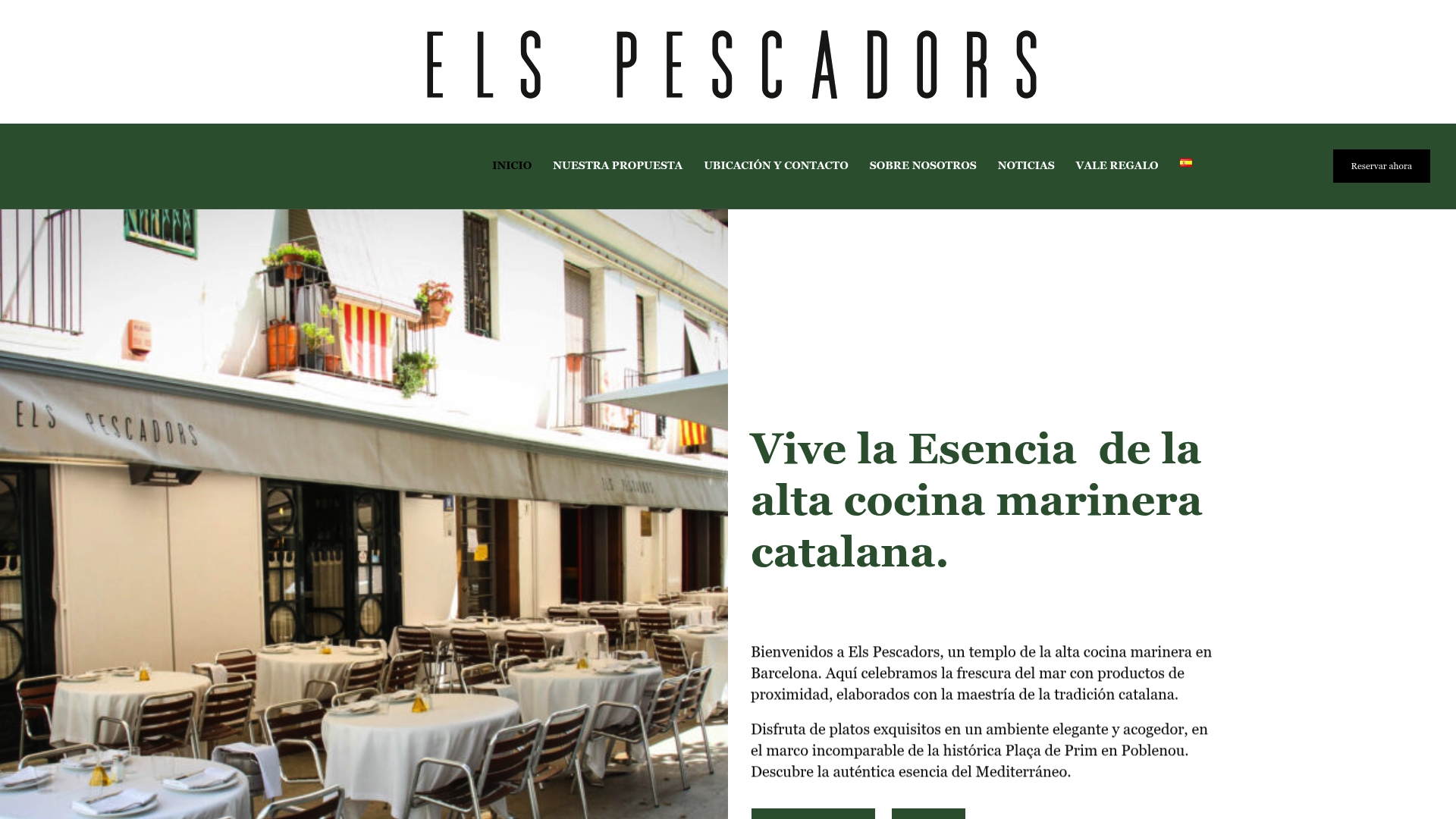
The terrace at Elspescadors reflects everything this article describes. Natural light, open air, a plaza that functions as a genuine neighborhood gathering point, and a menu of fresh Catalan seafood that earns its setting. For groups looking to make the most of Barcelona’s outdoor dining culture, the group seafood dining options at Elspescadors offer a terrace experience that combines all the sensory and social advantages described here with the depth of a serious kitchen. Reserve your table and let the plaza do the rest.
FAQ
Why do Barcelona terraces feel different from other cities?
Barcelona positions terraces near the curb rather than against building walls, maximizing street exposure and creating a dynamic service style that is unique to the city. This placement turns every meal into an active part of neighborhood life.
What makes outdoor terrace dining better for the overall experience?
Biophilic design elements like natural light, fresh air, and greenery reduce stress and increase satisfaction, making diners stay longer and enjoy meals more deeply than in enclosed spaces.
How do the 2026 Barcelona terrace regulations affect diners?
The new rules reduce table counts by 16% and increase pedestrian space by 33% along La Rambla, with standardized aesthetics that reduce clutter. For diners, this means more space, better service, and a higher-quality atmosphere at each seat.
What is the best time to dine on a Barcelona terrace?
Late afternoon through early evening, roughly 7:00 PM to 10:00 PM, captures the best light, comfortable temperatures, and the peak of Barcelona’s social dining rhythm, particularly in spring and fall.
How do terraces reflect Barcelona’s local culture?
Terraces are temporary public spaces where diners become part of the neighborhood’s social fabric. Seating choices, meal pace, and interaction with passersby all reflect Catalan customs around communal, unhurried dining outdoors.