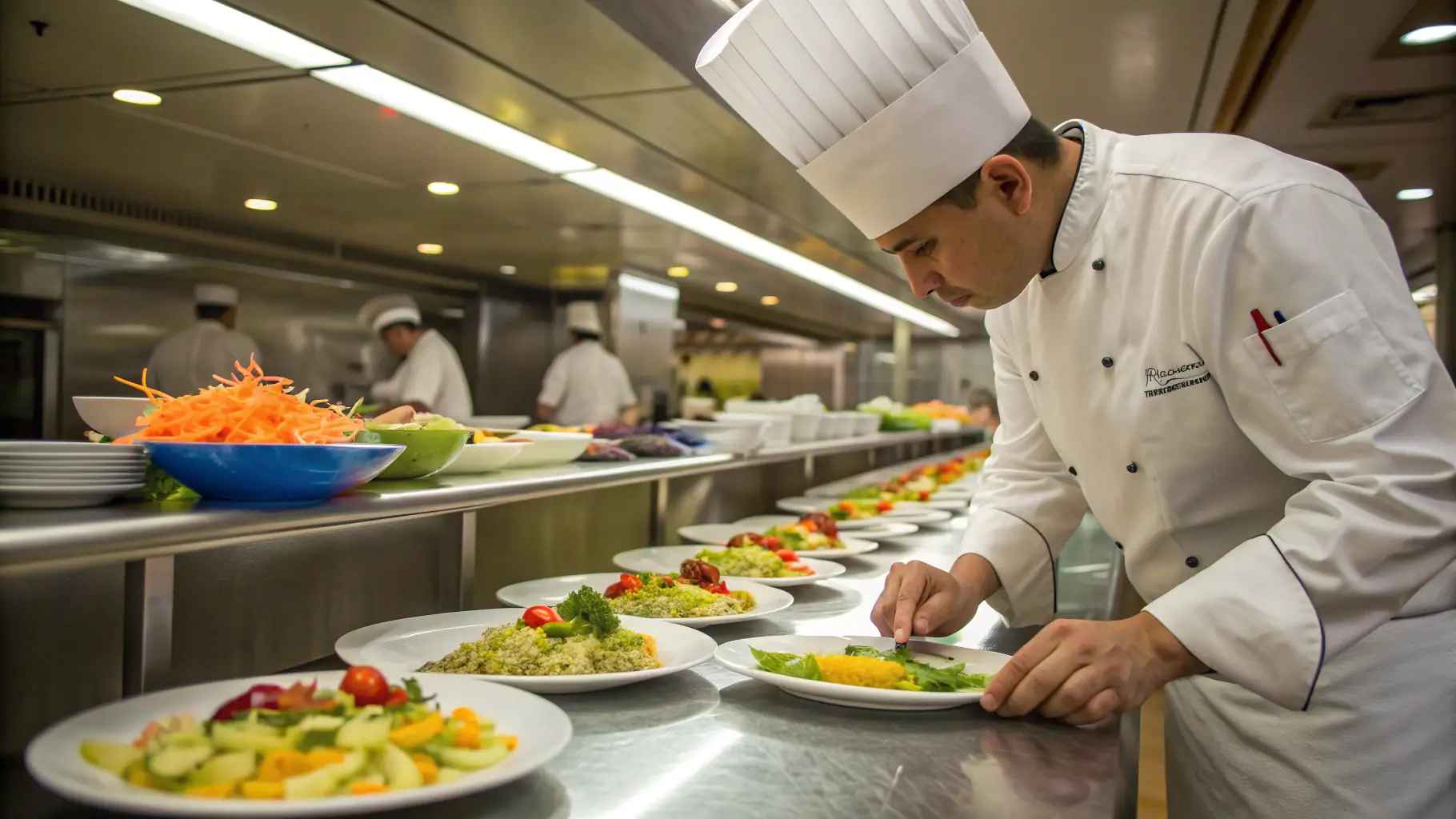
Menu variety in seafood dining is defined as the deliberate range of species, preparations, and culinary traditions offered on a restaurant’s menu to serve diverse guests and honor maritime heritage. The industry term for this practice is menu breadth, and it shapes every aspect of the dining experience, from first impressions to lasting memories. Culinary enthusiasts and travelers who seek authentic coastal cuisine understand that the role of menu variety in seafood dining goes far beyond simply listing more dishes. A well-constructed seafood menu reflects local fishing rhythms, cultural identity, and a kitchen’s genuine command of the sea.
How does seafood menu variety satisfy diverse group preferences?
A seafood menu that covers multiple textures, flavors, and preparations serves groups far better than a narrow list of crowd-pleasers. Diners within any group split predictably: some want the comfort of a classic grilled fish, others seek raw preparations like ceviche or tartare, and a growing number require plant-based options. A menu that addresses all three keeps every guest engaged from the moment they sit down.

The benefits of seafood menu variety for group dining are concrete. When one person at the table cannot find a suitable dish, the entire group’s experience suffers. Restaurants that accommodate diverse group preferences report stronger repeat bookings and higher table satisfaction scores.
Key drivers of preference diversity in seafood dining include:
- Texture: Some diners favor the firm bite of grilled octopus; others prefer the delicate flake of steamed white fish.
- Flavor intensity: Briny, smoky, and mild preparations each attract a distinct palate.
- Preparation method: Raw, cured, fried, and slow-cooked options signal kitchen range and skill.
- Dietary needs: Plant-based seafood options have shifted from trend to standard across European menus as of Q2 2026, driven by health-conscious diners. That shift means restaurants without these options now actively exclude a portion of every group.
- Cultural familiarity: Guests from different backgrounds recognize and trust dishes rooted in their own culinary traditions.
Pro Tip: When dining with a mixed group, scan the menu for at least three distinct preparation styles. A menu that offers raw, grilled, and braised options signals a kitchen confident enough to serve every guest at the table.
How does menu diversity preserve culinary traditions and support sustainability?
Menu diversity in seafood restaurants is the most direct way a kitchen honors the fishing communities and culinary lineages behind each dish. A menu that rotates with the season does not just taste better. It tells an honest story about where the food comes from and who caught it.
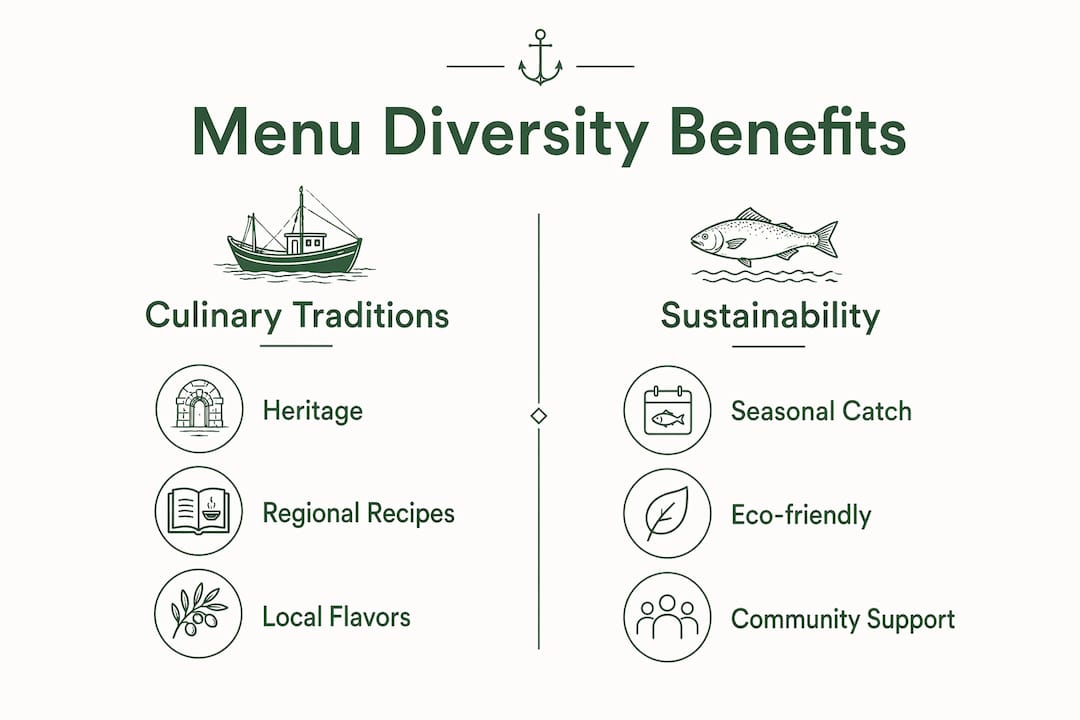
The connection between maritime gastronomy traditions and menu variety is structural. Coastal cuisines evolved because fishermen brought in different species at different times of year. A static menu that ignores seasonality breaks that chain. Smaller, rotating menus aligned with catch and seasonality are perceived as higher quality and more sustainable than large, multi-page menus that never change. That perception reflects reality: a kitchen sourcing daily from local boats cannot maintain a 60-dish menu without compromising freshness.
Sustainable variety in seafood menus follows a clear logic:
- Source locally and seasonally. Menus built around what local fishermen land each morning reflect genuine maritime culture and reduce supply chain distance.
- Apply regional techniques. Smoking, fermentation, salt-curing, and open-fire grilling are not decorative. They are the technical vocabulary of a specific coast and signal authentic culinary identity.
- Tell the story of each dish. A dish labeled “local sea bass, wood-fired, Poblenou fishermen” carries more meaning than “grilled sea bass.” Provenance language connects the diner to the source.
- Incorporate underutilized species. Rotating lesser-known fish onto the menu reduces pressure on overfished stocks and introduces diners to flavors they would not encounter elsewhere.
- Certify where possible. Sustainability certifications from bodies like the Marine Stewardship Council give diners a verifiable signal that the kitchen’s sourcing claims are real.
“Authenticity arises when menus reflect local rhythms and culinary techniques, emphasizing ingredient provenance rather than excessive garnishes. A restaurant that knows its fishermen by name and can name the port where each catch landed earns trust that no amount of decoration can manufacture.”
Understanding local gastronomy’s role in shaping menu variety helps explain why the best seafood restaurants feel rooted rather than generic.
How does diverse seafood menu variety enhance the overall dining experience?
A well-varied seafood menu creates a sensory arc across the meal. Guests move from lighter raw preparations through richer braised or rice-based dishes, building flavor and satisfaction with each course. That progression is not accidental. It reflects deliberate menu architecture.
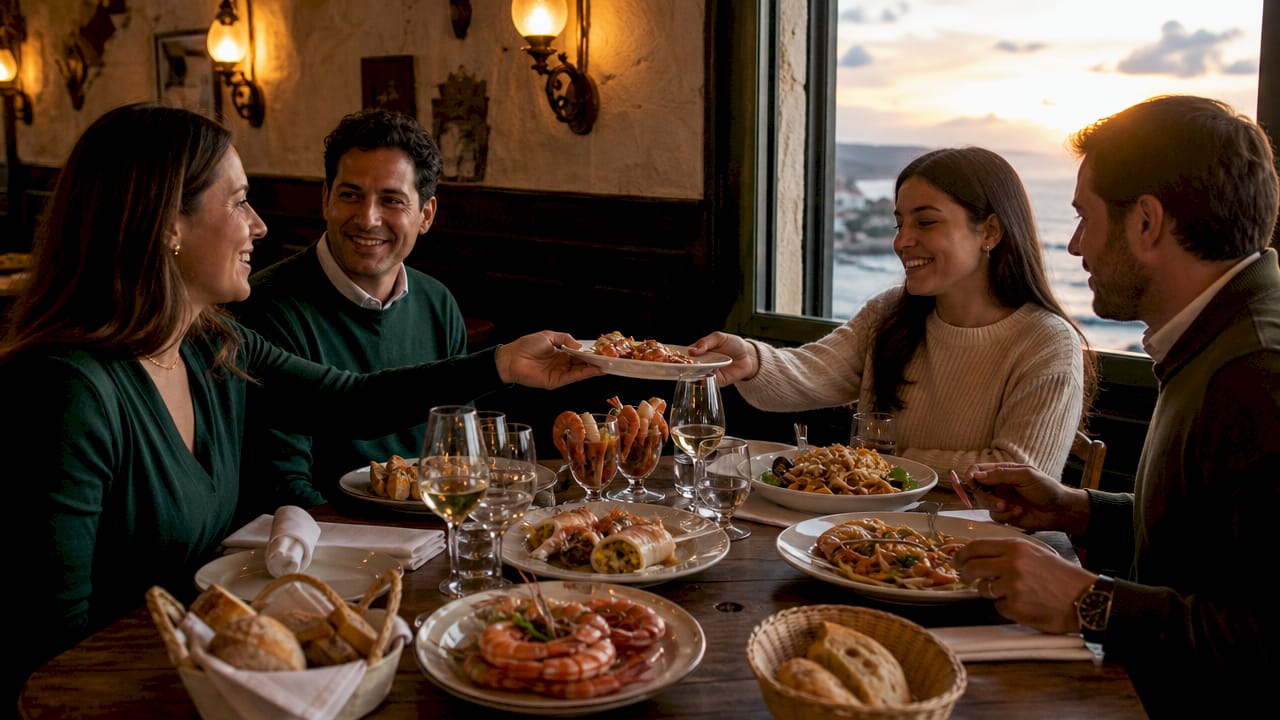
The balance between classic dishes and subtle innovation is the defining skill of strong seafood menu design. Reliable classic dishes alongside sustainable modern choices maintain the community feel that turns first-time visitors into regulars. A menu that abandons its signature dishes in pursuit of novelty loses the anchor that loyal guests return for.
Staff knowledge amplifies menu variety’s impact. Diners increasingly expect servers to explain specific catch methods and sources. Provenance storytelling by staff increases guest trust and perceived authenticity beyond what any menu description alone can achieve. A server who can say “this turbot was line-caught yesterday off the Costa Brava” transforms a dish from a product into an experience.
The table below shows how different menu elements contribute to the overall dining experience:
| Menu element | Contribution to dining experience |
|---|---|
| Seasonal daily catch | Signals freshness and local sourcing; builds trust |
| Signature classic dish | Provides comfort and a reason to return |
| Innovative preparation | Demonstrates kitchen skill and culinary curiosity |
| Plant-based option | Includes health-conscious and flexitarian diners |
| Provenance descriptions | Connects the diner emotionally to the source |
Menu bloat is the primary risk of pursuing variety without discipline. A menu with 80 dishes signals a kitchen that cannot commit to quality across all of them. Top seafood menus avoid this by balancing conservative signature dishes with subtle innovations, keeping diners comfortable yet curious. The goal is not maximum choice. It is the right choice, executed with full command.
Pro Tip: Judge a seafood restaurant’s menu quality by its shortest section, not its longest. A kitchen that offers six exceptional fish preparations shows more confidence than one that lists twenty with no clear identity.
What trends and innovations are shaping seafood menu variety in 2026?
Seafood menu innovation in 2026 centers on cultural connectivity, ecological responsibility, and the creative use of species that were previously ignored. These trends are not aesthetic. They reflect real shifts in how diners think about what they eat and where it comes from.
The most influential currents shaping menu diversity in seafood restaurants right now include:
- Fusion with historical roots. Nikkei cuisine, which links Peruvian acidity with Japanese raw-fish technique, succeeds because it maintains historical connectivity and shared flavor pillars. Fusion that lacks that cultural grounding reads as gimmick rather than cuisine.
- Invasive species as menu ingredients. Progressive European seafood dining now incorporates invasive species to expand variety sustainably. The octopus döner, priced at 14 euros in Vienna, is one example of hybrid concepts attracting attention while addressing ecological pressure. Greece had identified over 240 invasive species by mid-2026, creating a genuine sourcing opportunity for creative kitchens.
- Plant-based seafood as a standard category. European seafood menus now treat plant-based options as a permanent section rather than a rotating special. Seaweed-based preparations and plant-derived seafood analogs appear alongside traditional catches.
- Hyper-local sourcing with named provenance. Menus that name the port, the fisherman, or the boat build a direct emotional link between the diner and the catch. This practice is growing fastest in coastal cities with strong fishing identities.
- Sustainability certifications as menu signals. Marine Stewardship Council and Aquaculture Stewardship Council labels on menus give diners verifiable proof rather than marketing language. Restaurants that carry these certifications attract diners who treat sourcing as a deciding factor.
The advantages of sustainable seafood sourcing extend beyond ethics. They shape menu variety by directing kitchens toward species and seasons that are genuinely available rather than artificially maintained.
Key Takeaways
Menu variety in seafood dining builds guest trust, honors culinary tradition, and creates memorable experiences when it is grounded in seasonal sourcing, staff knowledge, and disciplined menu architecture.
| Point | Details |
|---|---|
| Seasonal rotation signals quality | Smaller menus tied to local catch are perceived as fresher and more sustainable than large static menus. |
| Staff provenance knowledge matters | Servers who explain catch methods and sources increase guest trust beyond what menu descriptions alone achieve. |
| Balance classic and innovative dishes | Signature staples anchor loyalty while subtle innovations like invasive species dishes keep menus alive. |
| Plant-based options are now standard | European seafood menus treat plant-based preparations as a permanent category as of Q2 2026. |
| Fusion requires cultural grounding | Successful fusion concepts like Nikkei succeed through historical connectivity, not superficial ingredient mixing. |
Why intentional variety is the real mark of a serious seafood kitchen
The restaurants I respect most are not the ones with the longest menus. They are the ones where every dish has a clear reason to exist. Intentional variety means the kitchen has made a choice: this species, this technique, this season, this story. That discipline is harder than it looks, and most diners never consciously notice it. They just feel it in the quality of the meal.
What I find consistently undervalued is the role of restraint. A menu of 12 dishes, each sourced within 50 kilometers and prepared with a technique rooted in the region, tells a more compelling story than a 40-dish menu assembled from global suppliers. The former requires conviction. The latter requires only a distributor catalog.
Authenticity is also not a marketing term. It is a structural quality. When a kitchen’s menu reflects the actual rhythms of local fishing, the actual techniques of the regional tradition, and the actual knowledge of the people serving it, guests sense that coherence even if they cannot name it. That coherence is what separates a memorable meal from a forgettable one. Travelers who seek out places like Elspescadors in Barcelona’s Poblenou district are not just looking for good fish. They are looking for a kitchen that knows exactly who it is.
— YellowRock
Elspescadors: where menu variety meets Catalan maritime tradition
Elspescadors, located in Plaça de Prim in Barcelona’s historic Poblenou district, builds its menu around exactly the principles this article describes: seasonal sourcing, regional technique, and the kind of variety that serves every guest at the table without sacrificing coherence.
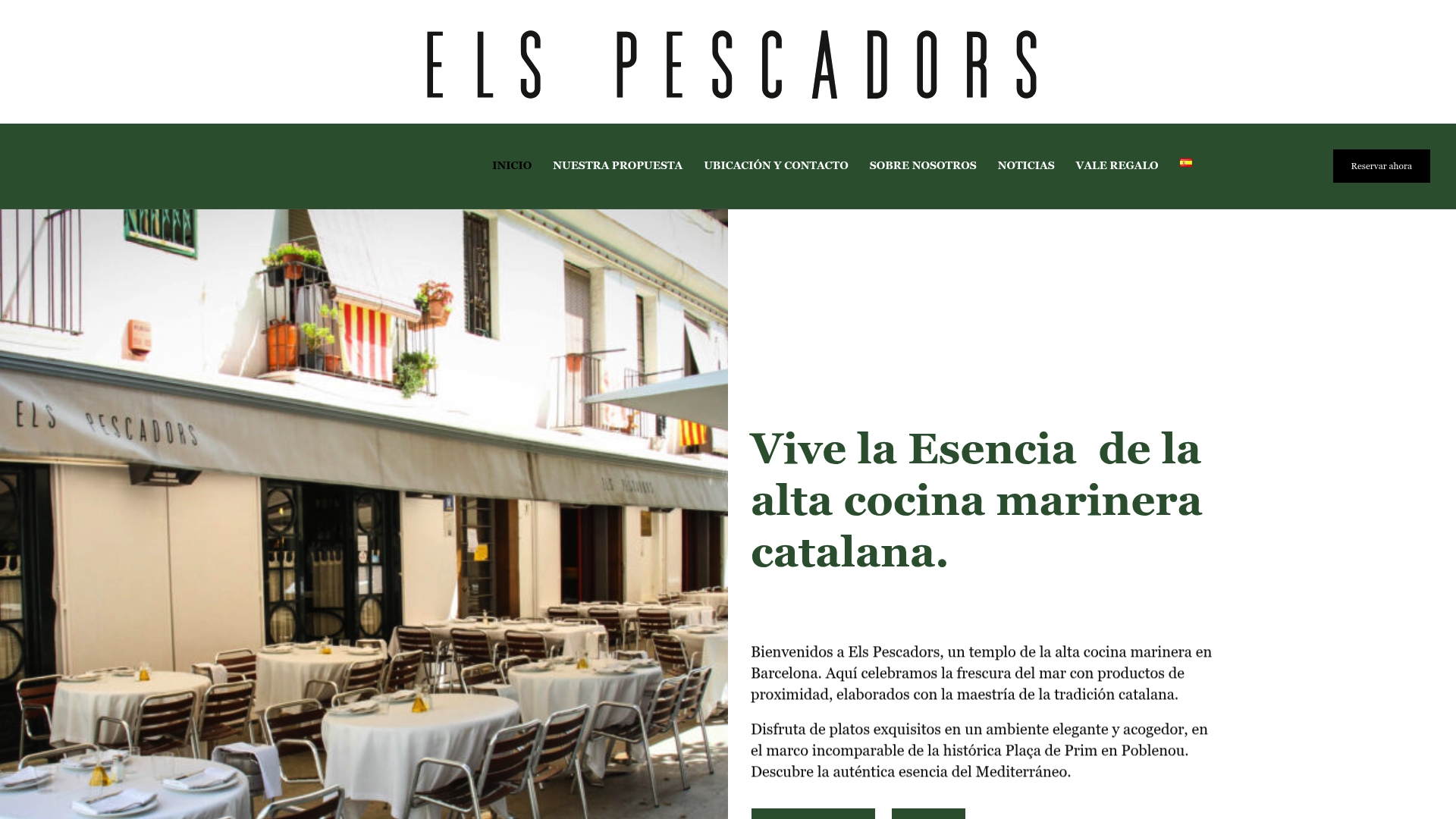
The kitchen at Elspescadors rotates its offerings around the daily fresh catch, traditional Catalan rice dishes, and seafood preparations that reflect the Mediterranean’s genuine seasonal rhythms. For groups looking to share that experience, the group seafood dining options at Elspescadors are built for communal feasting, with menus that give every guest something to remember. To understand the full culinary philosophy behind the menu, the restaurant’s proposal lays out what makes this approach to Catalan maritime cuisine distinct.
FAQ
What is the role of menu variety in seafood dining?
Menu variety in seafood dining defines the range of species, preparations, and culinary traditions a restaurant offers to serve diverse guests and reflect local maritime heritage. It shapes guest satisfaction, perceived quality, and the restaurant’s cultural identity.
Why do seafood menus need to be diverse for group preferences?
Groups contain diners with different texture preferences, dietary needs, and cultural expectations. A menu that covers raw, grilled, braised, and plant-based options keeps every guest engaged and prevents any one person from feeling excluded.
How does seasonal sourcing improve seafood menu variety?
Smaller menus tied to local seasonal catch are perceived as higher quality and more sustainable than large static menus. Rotating dishes with the catch also introduces diners to species they would not encounter on a fixed menu.
What makes fusion seafood cuisine succeed on a menu?
Fusion seafood concepts succeed when they maintain historical connectivity and shared flavor pillars, as Nikkei does by linking Peruvian acidity with Japanese raw-fish technique. Fusion built on cultural depth reads as cuisine; fusion built on novelty alone reads as gimmick.
How does staff knowledge enhance the impact of menu variety?
Servers who can explain specific catch methods and sources increase guest trust and perceived authenticity beyond what menu descriptions achieve alone. Provenance storytelling turns a dish into an experience.