
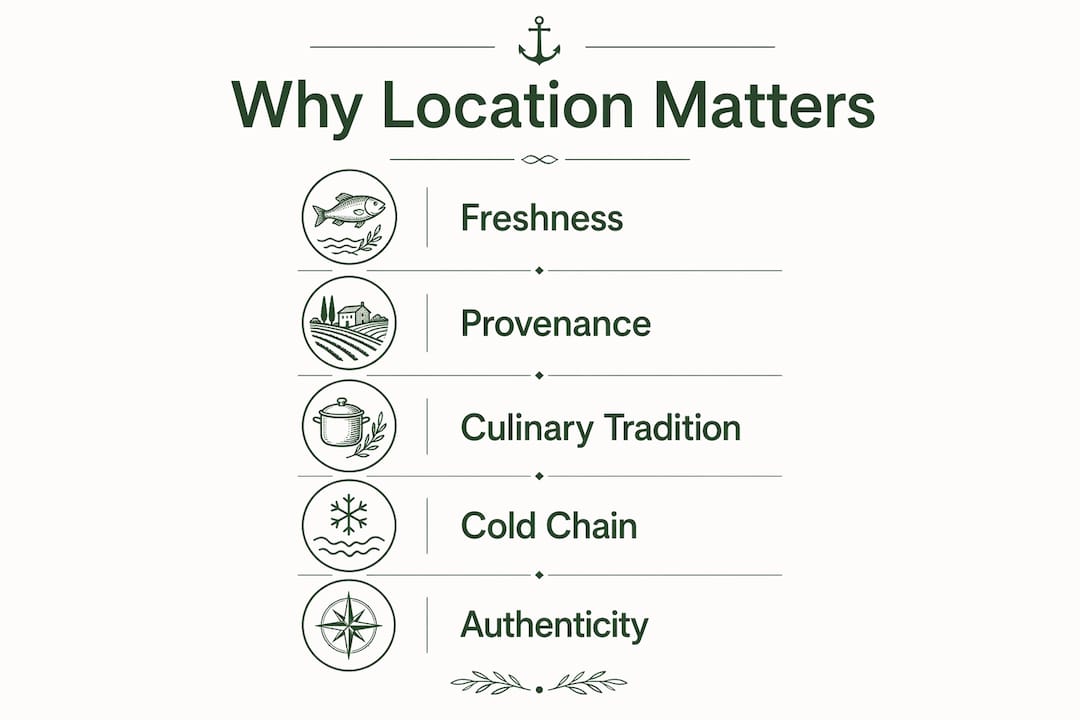
Location is the single most important factor when choosing a seafood restaurant because it determines how fresh, authentic, and culturally grounded the seafood on your plate actually is. Why location matters in seafood restaurant choice goes far beyond convenience or scenery. Restaurants close to active fishing ports receive catches within hours, not days. That gap in time is the difference between fish that tastes alive and fish that merely looks acceptable. Elemental fingerprinting science and HACCP cold chain standards both confirm that geographic origin shapes quality in ways no amount of kitchen skill can fully compensate for.
Why does location matter in seafood restaurant choice?
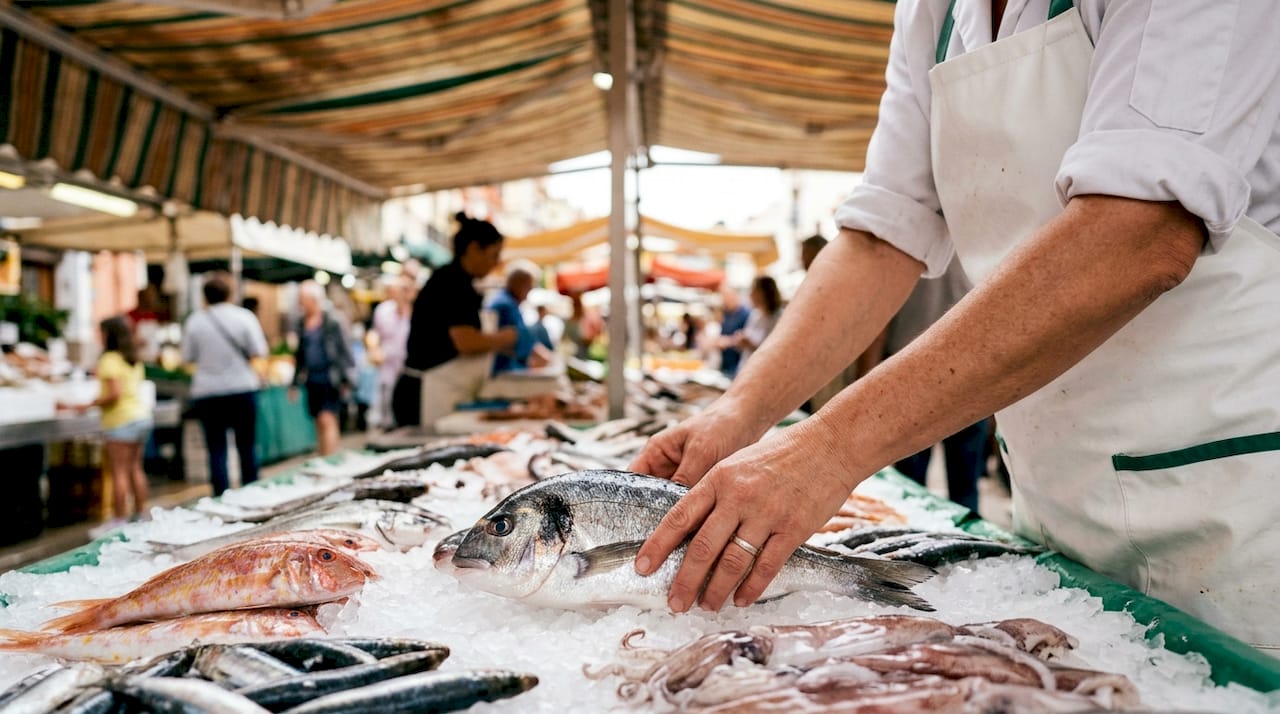
Freshness is the primary quality indicator in seafood dining, and location is its most reliable guarantor. A restaurant situated near a working harbor or coastal fishing community has a structural advantage over any inland venue. Fish deteriorates fast. Fresh fish must be held at 0°C to +2°C with a safe shelf life of just 1–2 days under HACCP 2026 standards. Every hour of transport at the wrong temperature chips away at that window.
Coastal restaurants also benefit from local culinary traditions built around what the sea provides each season. These traditions are not decorative. They shape menus, cooking techniques, and ingredient combinations that inland venues simply cannot replicate with the same authenticity. A Catalan rice dish made with that morning’s catch from the Mediterranean is a fundamentally different product from the same recipe made with fish shipped two days inland.
The concept of terroir, borrowed from wine, applies equally to seafood. Just as a wine reflects its soil and climate, a great seafood dish reflects the specific waters, seasons, and fishing practices of its region. Location encodes all of that into the ingredient before the chef ever touches it.
How does proximity to seafood sources influence freshness and safety?
The science of cold chain management explains why proximity matters so concretely. Seafood begins to degrade the moment it leaves the water. Bacterial growth accelerates above 3°C, and deviations above that threshold trigger commercial rejection of entire shipments under HACCP protocols. A restaurant two miles from the dock faces far fewer cold chain risks than one receiving fish after a 500-mile refrigerated truck journey.
Temperature stability during transport matters more than raw distance. Research on Mediterranean mussels confirms that short transport at improper temperatures causes more quality degradation than transport distance itself. That finding reframes the conversation. A well-managed inland restaurant with a disciplined cold chain can outperform a coastal restaurant that handles fish carelessly. But the coastal restaurant starts with a shorter, simpler chain to manage.
Emerging technologies are extending what’s possible for both coastal and inland venues:
- AI-driven cold chain monitoring tracks temperature in real time from catch to kitchen, flagging deviations before they reach the plate.
- Blockchain traceability creates an immutable record of where fish was caught, when it was processed, and how it traveled. Transparency tech like blockchain is now considered the next evolution in freshness assurance by food safety experts.
- Digital data loggers and cloud systems allow restaurants to monitor temperature remotely and reduce spoilage waste in real time.
These tools help, but they do not eliminate the advantage of proximity. They reduce risk. Proximity reduces the problem itself.
Pro Tip: Ask your server where the fish was caught and when it arrived. A restaurant with genuine freshness controls will answer without hesitation. Vague answers or “fresh daily” without specifics are a warning sign.
What role does location play in seafood provenance and authenticity?
Provenance is the documented story of where a food came from. For seafood, that story is increasingly verifiable through science. Elemental fingerprinting identifies the geographic origin of European sardines with 95.3% accuracy. That level of precision means a restaurant claiming to serve locally caught fish can now be held to a verifiable standard.
This matters because seafood mislabeling is a documented industry problem. Fish sold as one species or origin is sometimes a cheaper substitute. Restaurants located near their sourcing waters have less incentive and less opportunity to mislabel. Their supply chain is shorter, their supplier relationships are direct, and their reputation in the local community depends on honesty.
The table below shows how location-linked traceability methods compare in what they verify and how they work:
| Method | What it verifies | How it works |
|---|---|---|
| Elemental fingerprinting | Geographic origin of catch | Analyzes mineral composition of fish tissue |
| Blockchain traceability | Full supply chain record | Immutable digital log from catch to kitchen |
| HACCP cold chain logs | Temperature compliance | Continuous monitoring from source to service |
| Direct supplier relationships | Species and catch date | Personal accountability between fisher and chef |
Restaurants near active fishing communities, like those in coastal Mediterranean districts, tend to use direct supplier relationships as their primary traceability tool. That relationship is harder to fake than a label. Understanding the benefits of local sourcing in food service makes clear why geographic proximity creates accountability that distant supply chains cannot replicate.
How do local culinary traditions tied to location enrich the dining experience?
Regional cooking traditions are not just cultural flavor. They are practical systems developed over generations to make the best use of what local waters produce at each time of year. A chef trained in Catalan maritime cuisine knows which fish are running in which month, which preparations suit each species, and which combinations reflect the actual flavor profile of Mediterranean waters. That knowledge is inseparable from place.
Menus built around local traditions signal freshness in a specific, measurable way. Restaurants with focused, daily-updated menus indicate a high-turnover sourcing model, which means fresher fish. Extensive menus with dozens of seafood options year-round often signal frozen or long-distance product. A short menu that changes with the season is a better freshness indicator than any marketing claim.
The local culinary tradition also shapes what you taste beyond the fish itself. Consider what location-linked dining delivers:
- Seasonal specialties that reflect what the sea actually offers, not what a distributor has in stock.
- Regional preparation techniques developed to highlight local species, such as the Catalan tradition of cooking rice dishes with fresh shellfish and fish stock.
- Cultural context that makes a meal a story rather than just a transaction. Knowing that a dish has been prepared the same way in the same fishing community for generations adds a dimension that no imported ingredient can provide.
- Ingredient combinations built around local produce alongside local seafood, creating flavor profiles that are genuinely of a place.
Elspescadors in Barcelona’s Poblenou district embodies this connection. The restaurant’s menu reflects authentic Catalan maritime cuisine, with fresh ingredients shaping flavor in ways that only a location-rooted approach makes possible. Poblenou’s historic identity as a fishing and working-class neighborhood gives the restaurant a genuine cultural anchor, not a manufactured one.
Can seafood quality be maintained in inland restaurants?
Inland restaurants can serve excellent seafood. The key variable is not distance but temperature discipline. Temperature stability during logistics is more critical than physical distance, since temperature fluctuations cause fatty acid remodeling and oxidative stress in fish tissue. An inland restaurant that maintains a perfect cold chain from a reliable coastal supplier can outperform a coastal restaurant with poor handling practices.
Flash freezing changes the calculus further. Professionally flash-frozen fish can preserve seafood quality better than fish rested on ice for two days, and it kills parasites that make raw consumption risky. For certain preparations, particularly raw fish dishes, a well-frozen product from a reputable source is safer and sometimes fresher-tasting than “fresh” fish that has been sitting in transit.
That said, inland restaurants face structural risks that coastal ones do not. Every additional link in the supply chain is a point of potential failure. More handlers, more vehicles, more temperature transitions all add risk. Diners evaluating inland seafood restaurants should look for specific signals:
- Fish displayed in open, refrigerated cases where you can see the product before it reaches your plate.
- A neutral ocean scent rather than a strong fishy smell. Neutral scent is a reliable freshness indicator that diners can assess without any technical knowledge.
- A focused menu with daily specials rather than a broad, static seafood selection.
- Staff who can name the supplier and the catch date when asked.
Pro Tip: When evaluating any seafood restaurant, ask to see the fish display before ordering. Transparent storage practices are a stronger freshness signal than online ratings or marketing language.
Local food service choices consistently deliver better freshness outcomes because they shorten the chain between source and plate, regardless of whether the restaurant is coastal or inland.
Key Takeaways
Location is the most reliable predictor of seafood freshness, provenance, and culinary authenticity because it shortens the cold chain, enables direct supplier accountability, and grounds menus in genuine regional tradition.
| Point | Details |
|---|---|
| Freshness depends on cold chain length | HACCP standards give fresh fish a 1–2 day shelf life at 0°C to +2°C, making proximity critical. |
| Temperature beats distance | Temperature stability during transport matters more than miles traveled, per Mediterranean mussel research. |
| Provenance is now verifiable | Elemental fingerprinting identifies fish geographic origin with 95.3% accuracy, making mislabeling harder to hide. |
| Menu focus signals freshness | Daily-updated, focused menus indicate high-turnover sourcing and fresher fish than broad static menus. |
| Inland quality is possible but harder | Flash freezing and disciplined cold chains can compensate for distance, but add supply chain complexity. |
Location will always matter more than diners realize
I have eaten at seafood restaurants on three continents, and the pattern is consistent. The best meals almost always happen within a short distance of the water. Not because coastal chefs are more talented, but because they start with a better ingredient. A fish that arrived at the kitchen four hours after it was caught does not need much help. A fish that traveled two days in a refrigerated truck needs a chef to rescue it.
What surprises most diners is how much the cultural layer adds on top of the freshness layer. When you eat a dish that has been prepared the same way in the same community for generations, you taste something that no amount of technique can manufacture elsewhere. That is why I always look for restaurants with a genuine geographic identity, not just a coastal address, but a real connection to local fishing traditions and seasonal rhythms.
Traceability technology will make it easier to verify sourcing claims in the coming years. Blockchain records and AI monitoring will reduce the information gap between what restaurants claim and what they actually serve. But technology verifies. It does not replace the structural advantage of a restaurant that sources from the water it can see from its dining room. For travelers choosing where to eat, location remains the single most reliable proxy for quality. Choose the restaurant that is of its place, not just near it.
— YellowRock
Elspescadors: where location and freshness meet in Barcelona
Elspescadors sits in Poblenou, one of Barcelona’s oldest maritime neighborhoods, and that address is not incidental. The restaurant’s entire menu is built around what the Mediterranean provides each season, with daily fresh catch sourced through direct supplier relationships that prioritize accountability over convenience.
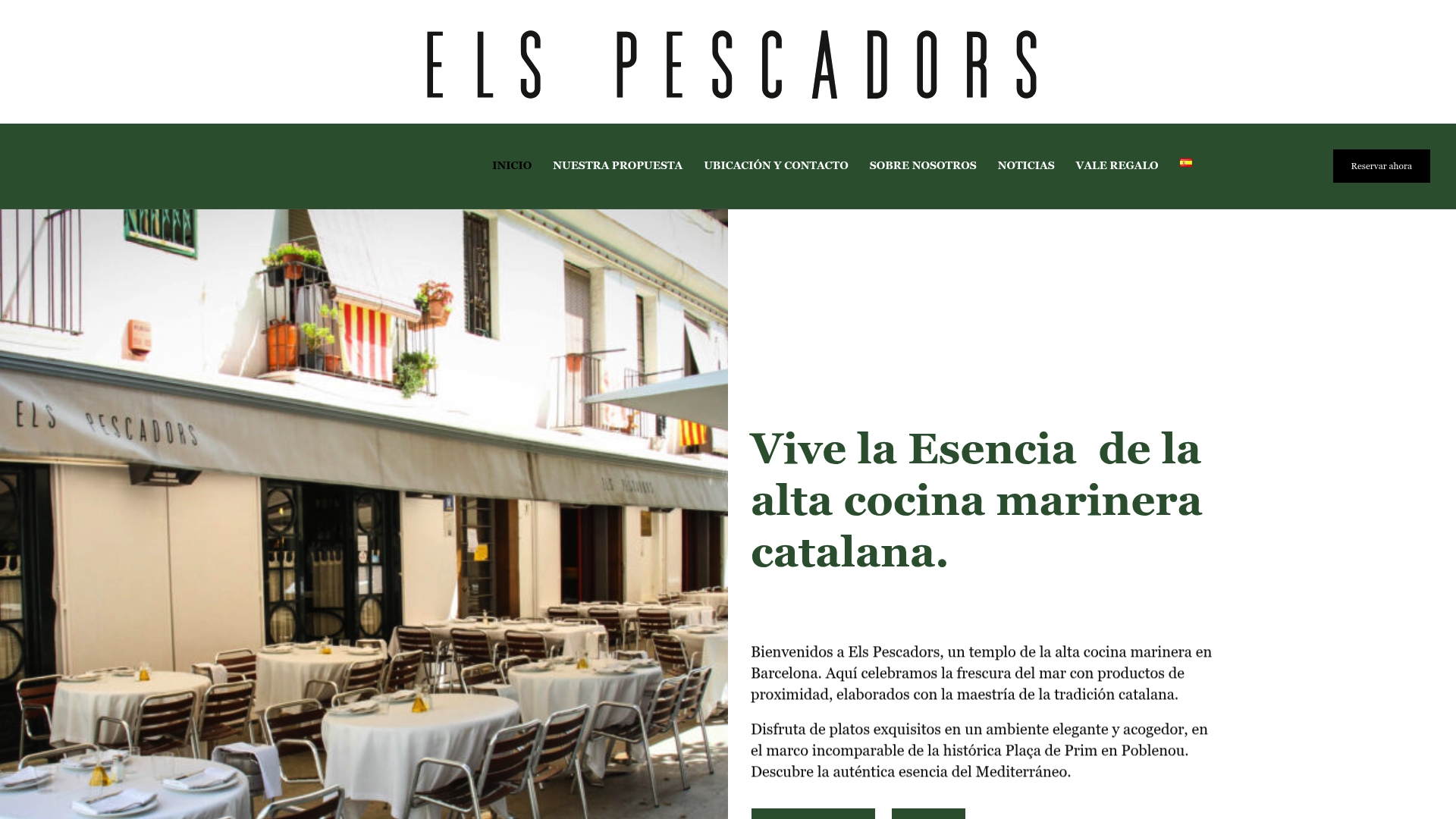
The kitchen at Elspescadors applies authentic Catalan maritime techniques to ingredients that reflect genuine local sourcing. Every rice dish, every grilled fish, and every seafood specialty on the menu reflects the restaurant’s commitment to its proposal of quality, transparency, and culinary tradition. Whether you are planning a private dinner or a group seafood feast with friends, the experience is grounded in the same principle: the best seafood comes from knowing exactly where it came from and getting it to the table fast.
FAQ
Why does location matter when choosing a seafood restaurant?
Location determines how quickly fish travels from catch to kitchen, which directly controls freshness. HACCP standards give fresh fish a safe shelf life of just 1–2 days at 0°C to +2°C, so proximity to fishing sources is the most reliable freshness guarantee.
How can I tell if a seafood restaurant sources locally?
Ask staff where the fish was caught and when it arrived. A focused, daily-changing menu is a strong indirect signal of local high-turnover sourcing, while a broad static menu often indicates long-distance or frozen product.
Can inland seafood restaurants serve fresh fish?
Yes, but it requires strict temperature discipline throughout the supply chain. Research shows that temperature stability matters more than distance, and professionally flash-frozen fish can outperform poorly handled “fresh” fish in both safety and quality.
What is elemental fingerprinting and why does it matter?
Elemental fingerprinting analyzes the mineral composition of fish tissue to identify its geographic origin with up to 95.3% accuracy. It gives diners and regulators a scientific tool to verify whether a restaurant’s sourcing claims are accurate.
What should I look for when choosing a seafood restaurant?
Prioritize restaurants with a focused seasonal menu, visible refrigerated fish displays, staff who can name their suppliers, and a genuine connection to local fishing traditions. These factors predict freshness and authenticity more reliably than online ratings alone.