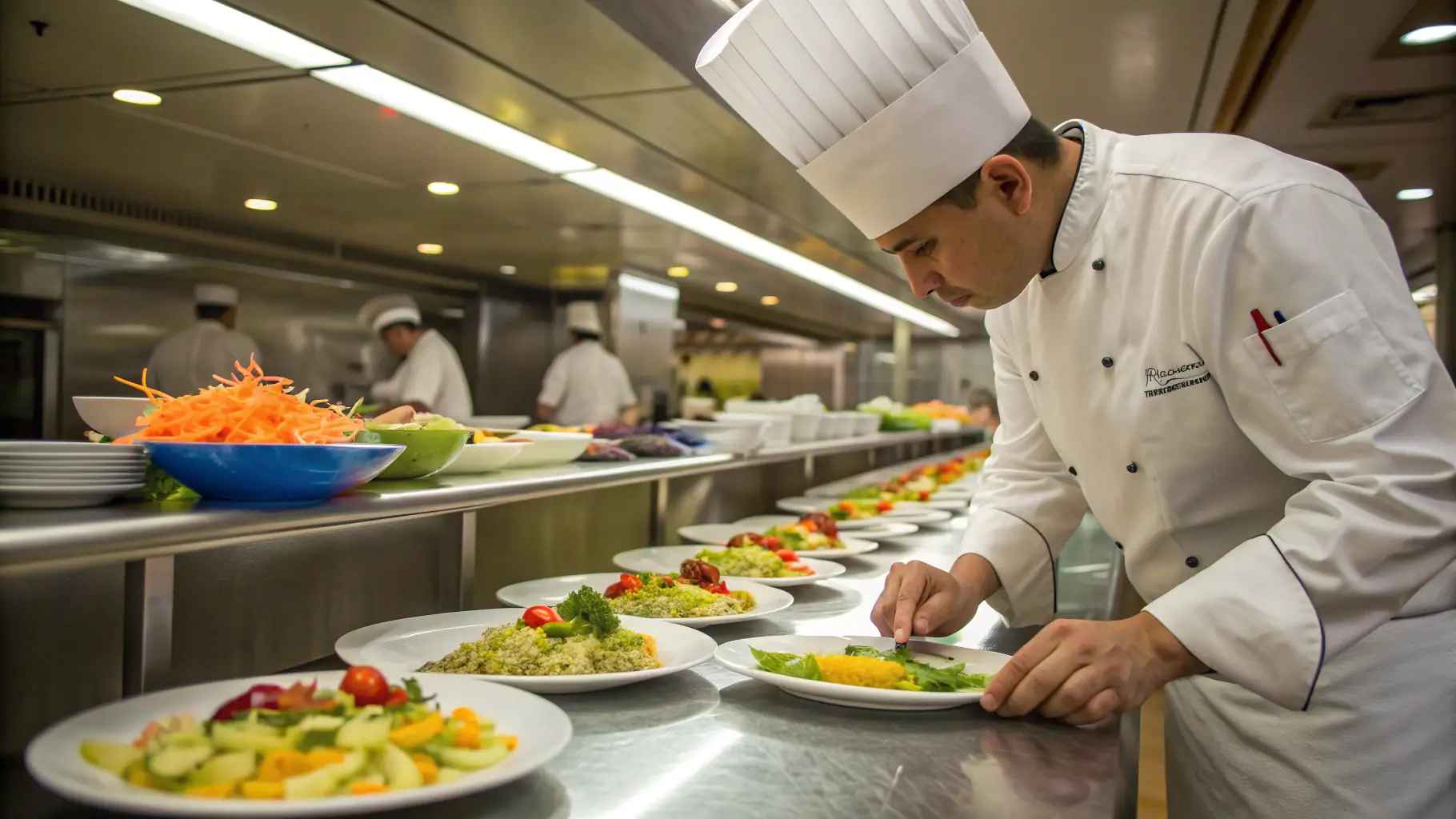
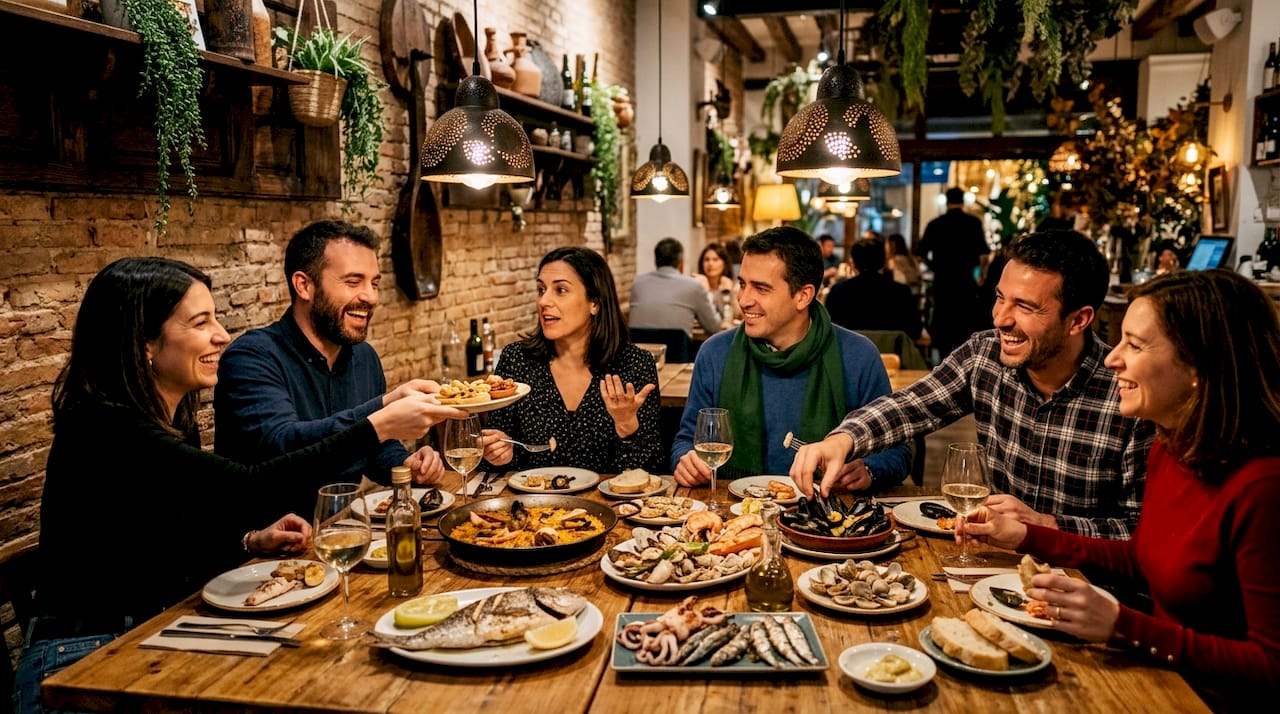
Seafood restaurants are the most effective venue category for corporate team dinners because their communal dining format directly drives the social interaction that builds workplace trust. The shared platter tradition common in Mediterranean and Catalan seafood cuisine removes the transactional feel of formal corporate dining and replaces it with genuine conversation. Research confirms that individuals who share meals report significantly higher levels of positive emotion compared to those dining alone. That finding alone explains why event planners increasingly choose seafood restaurants over standard banquet halls. Elspescadors, located in Barcelona’s historic Poblenou district, is built around exactly this kind of shared, social dining experience.
Why seafood restaurants suit team dinners: the social science behind it
The core reason seafood restaurants work for team dinners is commensality. Commensality is the practice of eating together at the same table, and it is one of the oldest social bonding mechanisms humans use. Seafood restaurants, particularly those rooted in Mediterranean tradition, are designed around this principle. Large shared platters of grilled fish, shellfish towers, and rice dishes served family style make individual isolation at the table nearly impossible.
Shared seafood dishes reduce decision fatigue and encourage real-time collaboration during the meal itself. When everyone at the table reaches for the same dish, conversation starts naturally. No one is waiting for their individual order or staring at a menu. The group moves together, and that physical synchrony translates into psychological alignment.
The social benefits go beyond comfort. Culinary team-building events centered on seafood showed that 92% of participants reported an improved workplace climate afterward, and 78% noted increased communication across departments. Those numbers reflect a real shift in how colleagues perceive each other after a shared meal.
- Shared platters remove the formality of individual ordering and open the table to group decision-making.
- Communal service styles common in seafood restaurants naturally prompt passing, tasting, and commenting, all of which spark conversation.
- Interactive formats like seafood cooking workshops reveal hidden leadership and break down hierarchies through humor and shared effort.
- Low-agenda dining creates what researchers call “restorative infrastructure,” reducing stress and building cross-departmental trust.
Pro Tip: When booking a seafood restaurant for your team, ask specifically for a shared menu rather than individual à la carte options. The act of choosing dishes together before the meal starts the bonding process before anyone takes a bite.
How does seafood dining support employee well-being?
The health dimension of seafood dining is an underrated advantage for corporate event planners. A Mediterranean diet rich in seafood correlates with greater psychological wellbeing and a measurably smaller decline in mental health under stress. That is not a minor footnote. It means the food itself contributes to the emotional tone of the evening.
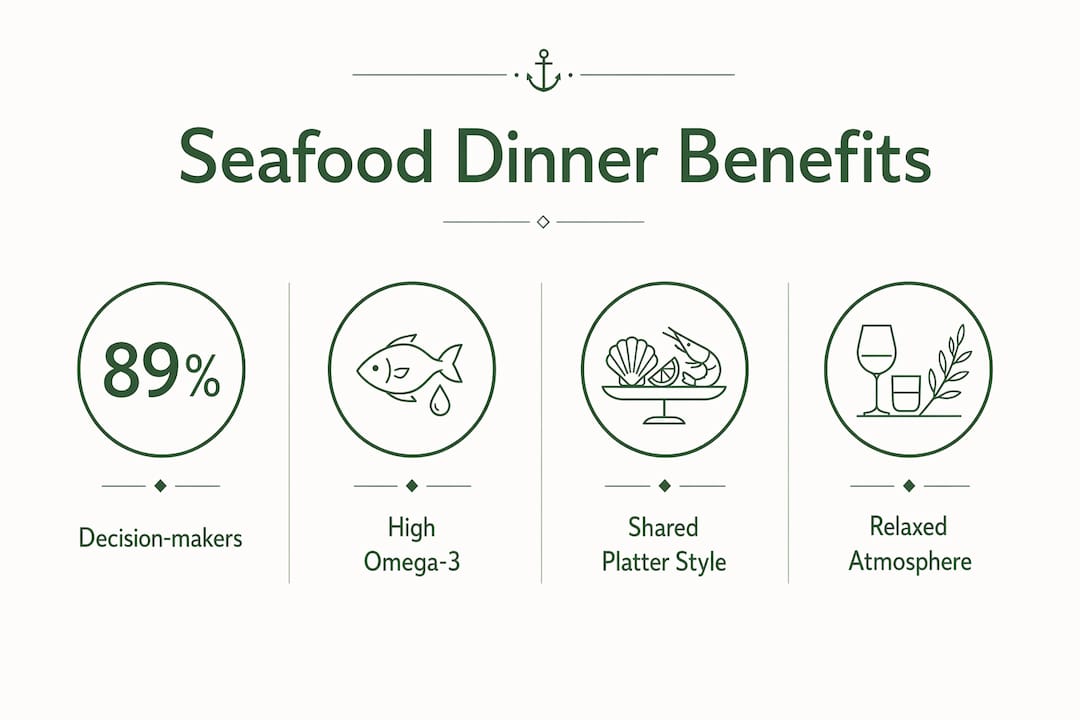
Fresh fish and shellfish are high in omega-3 fatty acids, lean protein, and micronutrients that support sustained energy and mood stability. Compare that to the heavy, carbohydrate-dense menus typical of standard corporate banquet dining, which often leave attendees sluggish by the end of the night. A seafood-centered dinner keeps energy levels steady and conversation active well into the evening.
Corporate decision-makers are paying attention to this. 89% of corporate decision-makers believe shared food helps employees feel valued, and 78% use food choices strategically to increase office attendance and engagement. Choosing a seafood menu signals to your team that their health and enjoyment matter, not just their productivity.
| Dining format | Energy impact | Social dynamic | Health profile |
|---|---|---|---|
| Standard banquet | Often heavy, post-meal fatigue | Formal, seat-assigned | High in refined carbs |
| Seafood shared platters | Light, sustained energy | Informal, conversational | High in lean protein and omega-3s |
| Interactive seafood workshop | Energizing, participatory | Collaborative, hierarchy-free | Fresh, seasonal ingredients |
The table above reflects why seafood dining consistently outperforms generic corporate catering when the goal is team engagement rather than simple caloric provision.
What makes a seafood restaurant atmosphere work for groups?
Atmosphere is not decoration. It is a functional element that determines how quickly a group relaxes and opens up. Seafood restaurants, especially those with coastal or Mediterranean themes, create an immediate mood shift the moment guests walk in. Maritime ambiance helps attendees mentally leave the office behind, which is the first condition for genuine interaction.
Barcelona’s seafood dining scene is a strong example of this principle in practice. Restaurants in neighborhoods like Poblenou combine historic architecture, open plazas, and the sensory cues of fresh seafood preparation to create an environment that feels both special and relaxed. Elspescadors sits in Plaça de Prim, a quiet square that immediately signals to guests that the evening is different from a standard work meeting.
The physical environment shapes group behavior in measurable ways. Soft lighting, natural textures, and the sounds of a working kitchen lower social guard and encourage openness. For a team dinner, that environmental priming is worth more than any icebreaker activity.
Here is a practical sequence for using venue atmosphere to your advantage:
- Arrive before your team. Walk the space and confirm the table layout encourages conversation across the full group, not just between neighbors.
- Choose a venue with an open or visible kitchen. The activity and aromas of seafood preparation give guests something to talk about immediately.
- Prioritize natural light or warm artificial lighting. Harsh overhead lighting raises alertness but reduces relaxation. Warm light does the opposite.
- Select a location with cultural or historical character. A venue with a story gives your team a shared reference point that outlasts the dinner itself.
Pro Tip: Request a site visit before your team dinner booking. Experiencing the space alone lets you assess noise levels, table spacing, and kitchen visibility, all of which affect how well your group will connect.
How to plan a seafood team dinner that actually works
Planning a successful seafood team dinner requires more than picking a restaurant with good reviews. The format, menu structure, and logistics all determine whether the evening produces real connection or just a pleasant meal that everyone forgets by Monday.
Start with menu design. Shared platters are the foundation of a productive team dinner. Work with the restaurant to build a menu of three to five shared dishes that arrive in sequence. This pacing creates natural conversation breaks and gives the group something to anticipate together. Avoid menus that require every guest to make complex individual choices. That process fragments attention and slows the social momentum.
Group size matters more than most planners realize. For genuine interaction, the ideal seafood team dinner seats between eight and sixteen people at a single table or a cluster of connected tables. Groups larger than twenty should be divided into sub-tables of eight, each with a shared menu. Assigning seats deliberately, mixing departments and seniority levels, accelerates the cross-team connection that makes these dinners valuable.
Dietary accommodations are non-negotiable. Confirm allergies and preferences at least one week in advance and communicate them directly to the kitchen. A well-run seafood restaurant will offer alternatives for guests who cannot eat shellfish or fish. Elspescadors, for example, builds its menus around seasonal Catalan ingredients, which gives the kitchen flexibility to accommodate most dietary needs without disrupting the shared format.
Timing shapes the experience as much as the food does. A team dinner that starts at 8:00 PM and ends at 10:30 PM gives the group enough time to relax without running so late that energy drops. Build in a pre-dinner drink period of thirty minutes to allow late arrivals and let the group settle before the first course. For group seafood dining that includes an interactive element like a cooking demonstration, add forty-five minutes to your timeline.
Consider adding a facilitated element for teams that do not know each other well. A brief introduction from the chef about the evening’s menu, or a guided tasting of a signature dish, gives the group a shared focal point that breaks the initial awkwardness. Culinary experiences that include hands-on participation, such as seafood market tours or paella workshops, consistently produce stronger team outcomes than passive dining alone.
Key Takeaways
Seafood restaurants suit team dinners because their shared dining format, health-positive menus, and relaxed Mediterranean atmospheres combine to produce the social conditions that build genuine workplace trust.
| Point | Details |
|---|---|
| Commensality drives connection | Shared platters remove formality and spark natural conversation across the full group. |
| Health supports engagement | Mediterranean seafood menus sustain energy and mood, keeping teams active and present throughout the evening. |
| Atmosphere is functional | Maritime and coastal settings shift mindset away from work and lower social barriers before the meal begins. |
| Format determines outcomes | Shared menus, deliberate seating, and paced courses produce stronger team bonding than individual ordering. |
| Planning details compound | Dietary accommodations, timing, and facilitated elements each add measurably to the evening’s success. |
The thing most planners get wrong about seafood team dinners
Event planners often treat the restaurant choice as the end of the decision, not the beginning. They book a well-reviewed seafood venue, confirm the headcount, and assume the team bonding will happen on its own. It rarely does without intentional design.
The most underestimated factor is seating. I have watched teams of twenty sit at a long rectangular table and spend an entire dinner talking only to the two people beside them. The food was excellent. The venue was beautiful. The team left knowing no one new. A U-shaped arrangement or round tables of eight would have changed the entire dynamic.
The second mistake is choosing seafood for the wrong reason. Planners sometimes select a seafood restaurant because it sounds impressive or because it photographs well for internal communications. Those are not bad reasons, but they are not sufficient ones. The real value of Mediterranean fine dining for a team dinner is the shared format, the sensory richness, and the cultural depth that gives people something to talk about beyond their job titles. When planners understand that, they make better decisions about menu structure, timing, and facilitation.
The data supports intentionality. 87% of companies that organized culinary team-building events in 2025 repeated the experience. That repeat rate reflects satisfaction, but it also reflects learning. The second event is almost always better than the first because the planner knows what actually drove the connection.
— YellowRock
Elspescadors: seafood team dinners in Barcelona’s Poblenou
Elspescadors sits in Plaça de Prim in the Poblenou district, one of Barcelona’s most characterful neighborhoods. The restaurant specializes in authentic Catalan maritime cuisine, with daily fresh catch, traditional rice dishes, and tasting menus built around seasonal, locally sourced ingredients.
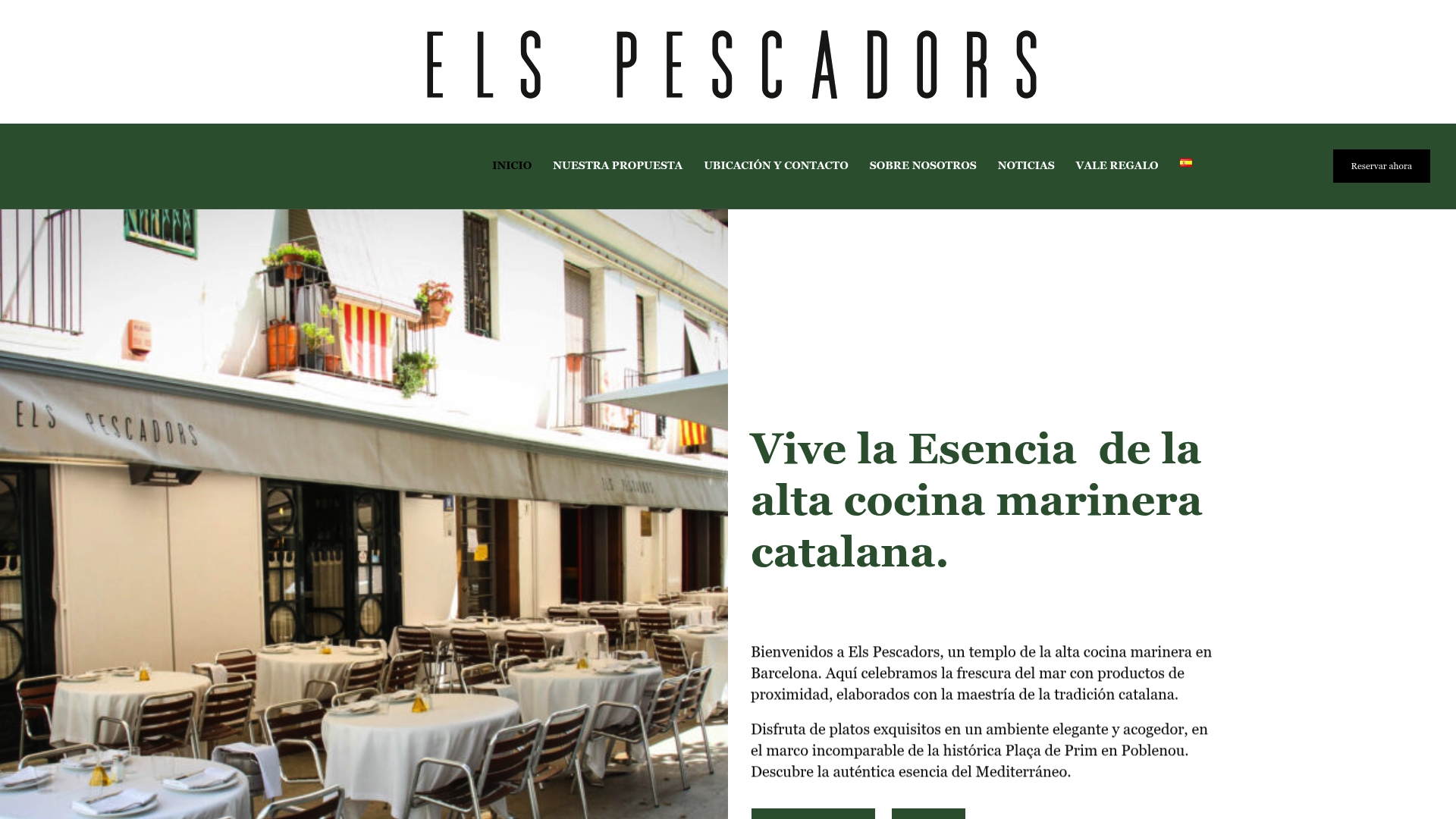
For corporate groups, Elspescadors offers the combination of genuine Mediterranean atmosphere, a kitchen experienced in shared formats, and a menu flexible enough to accommodate diverse teams. The Poblenou location adds a cultural dimension that standard hotel dining rooms cannot replicate. Teams leave with a shared memory of a specific place, not just a pleasant meal. Browse group dining ideas tailored for corporate gatherings, or review the full dining proposal to find the format that fits your team’s size and goals.
FAQ
Why do seafood restaurants work well for team dinners?
Seafood restaurants use shared platters and communal service styles that naturally encourage conversation and reduce the formality of corporate dining. Research shows that shared meals predict higher positive emotion and stronger social bonds than individual dining.
What size group works best for a seafood team dinner?
Groups of eight to sixteen people at a single table produce the strongest interaction. Larger groups should be divided into sub-tables of eight, each with a shared menu, to maintain the conversational dynamic.
How does seafood dining benefit employee well-being?
Mediterranean seafood diets correlate with greater psychological wellbeing and reduced stress responses. Fresh fish and shellfish provide lean protein and omega-3 fatty acids that support sustained energy and stable mood throughout the evening.
What menu format works best for corporate seafood dinners?
Shared platters served in sequence of three to five courses outperform individual à la carte ordering for team dinners. The shared format reduces decision fatigue and keeps the group’s attention on each other rather than on the menu.
Is Barcelona a good location for a corporate seafood team dinner?
Barcelona’s seafood dining scene, particularly in neighborhoods like Poblenou, combines Mediterranean atmosphere, fresh Catalan ingredients, and culturally rich venues that create the relaxed, engaging environment that team dinners require.