Marine fare is the full tradition of seafood-centered cooking rooted in coastal communities, and in its most celebrated Mediterranean form, it means Catalan maritime cuisine: boat-to-table dishes like suquet de peix, zarzuela de mariscos, and fideuá, built from the daily catch and shaped by centuries of fishermen cooking at sea. If you’ve ever wondered what separates a true Catalan seafood plate from generic “fish dishes,” this is where that answer lives.
Table of Contents
- What is marine fare, and where does it come from?
- Which dishes define Catalan and Mediterranean marine fare?
- What culinary terms and ingredients do you need to know?
- How does seasonality affect what you can find and eat?
- How do you experience marine fare, and what does it cost?
- How do you order, pair, and eat Catalan maritime dishes?
- Elspescadors: where to taste authentic Catalan marine fare
- Key Takeaways
- Why maritime cuisine deserves more than a single meal
- Useful sources to explore next
- FAQ
What is marine fare, and where does it come from?
The story starts on the boats. Cuina de barca (fish-boat cooking) is the direct ancestor of most Catalan maritime dishes. Ranxers, the cooks aboard Catalan fishing vessels, worked with seawater, a single pot, and whatever the crew couldn’t sell at market. The result was suquet, a dense, saffron-tinged stew that remains one of the most honest expressions of Catalan coastal cuisine today.
Those practical constraints shaped everything: no refrigeration meant preservation techniques like salt-curing bacallà (salt cod); no pantry meant picada, a paste of garlic and toasted nuts used to finish and thicken a broth in seconds. Catalan fishermen’s cuisine is considered culturally central to the region, with seasonal fishing and peix de la costa (local coastal fish) forming the backbone of its identity.
What makes Catalan maritime cuisine distinct:
- Communal one-pot cooking, originally shared on deck among the crew
- Strict reliance on seasonal catch rather than year-round farmed species
- Preservation techniques (salt cod, dried fish) woven into everyday recipes
- Picada as a finishing sauce, adding depth without cream or butter
- Strong fumet (fish stock) as the flavor foundation of nearly every dish
Barcelona’s role as a tasting hub for these traditions grew through its markets, particularly La Boquería, where fresh-seafood trade kept the connection between boat and plate alive even as the city expanded.
Which dishes define Catalan and Mediterranean marine fare?
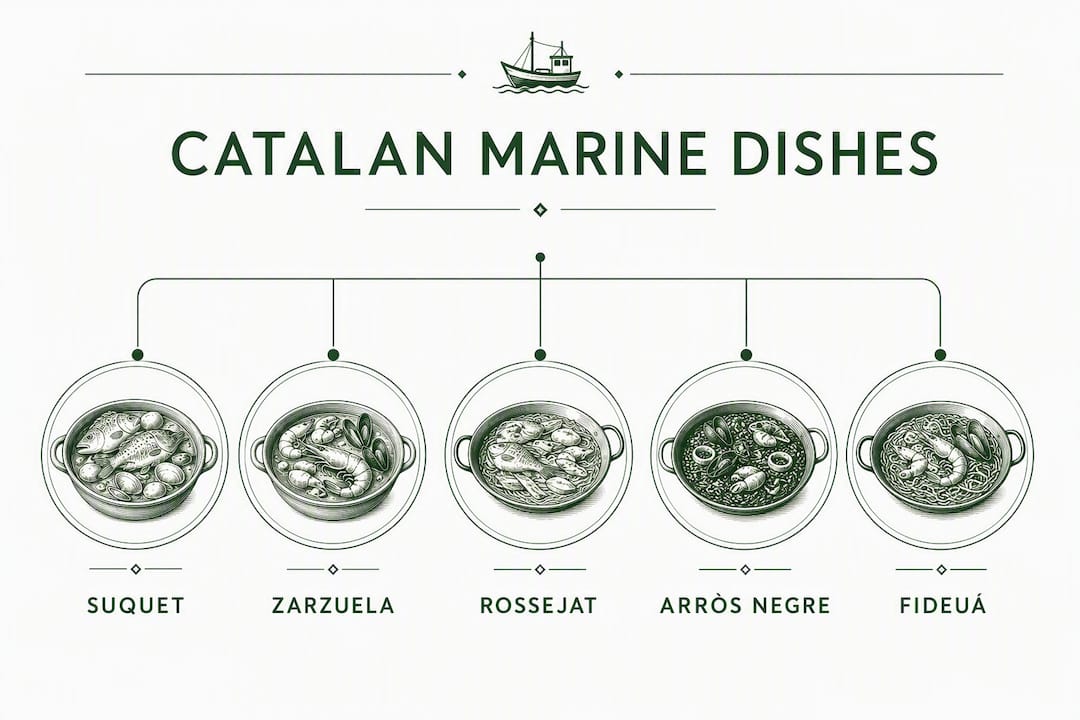
Eight dishes appear consistently on every authoritative list of Catalan seafood classics. Here’s what each one actually is and why it matters.
| Dish | Format | Signature technique | Best time to eat |
|---|---|---|---|
| Suquet de peix | Stew/soup | Fumet base, picada finish | Year-round, peak in winter |
| Zarzuela de mariscos | Stew/soup | Mixed shellfish, picada | Autumn–winter |
| Fideuá / rossejat | Noodles | Toasted noodles in fish stock | Spring–summer |
| Arròs negre | Rice | Squid ink, sofregit base | Year-round |
| Bacallà a la llauna | Grill/fry | Salt cod, paprika, garlic | Year-round |
| Cloïsses amb vi blanc | Shellfish plate | Clams, white wine, parsley | Spring–summer |
| Calamars a la sitgetana | Grill/fry | Stuffed squid, tomato sauce | Autumn |
| Bullinada | Stew/soup | Potato, saffron, rockfish | Winter |
Suquet de peix is the one to know first. It originated as a way to use fish the crew couldn’t sell, and the most authentic versions are still prepared on Costa Brava beaches. Firm white fish (hake, cod, halibut), waxy potatoes, saffron, and a picada of garlic and toasted nuts go into a single pot. The broth is the point.
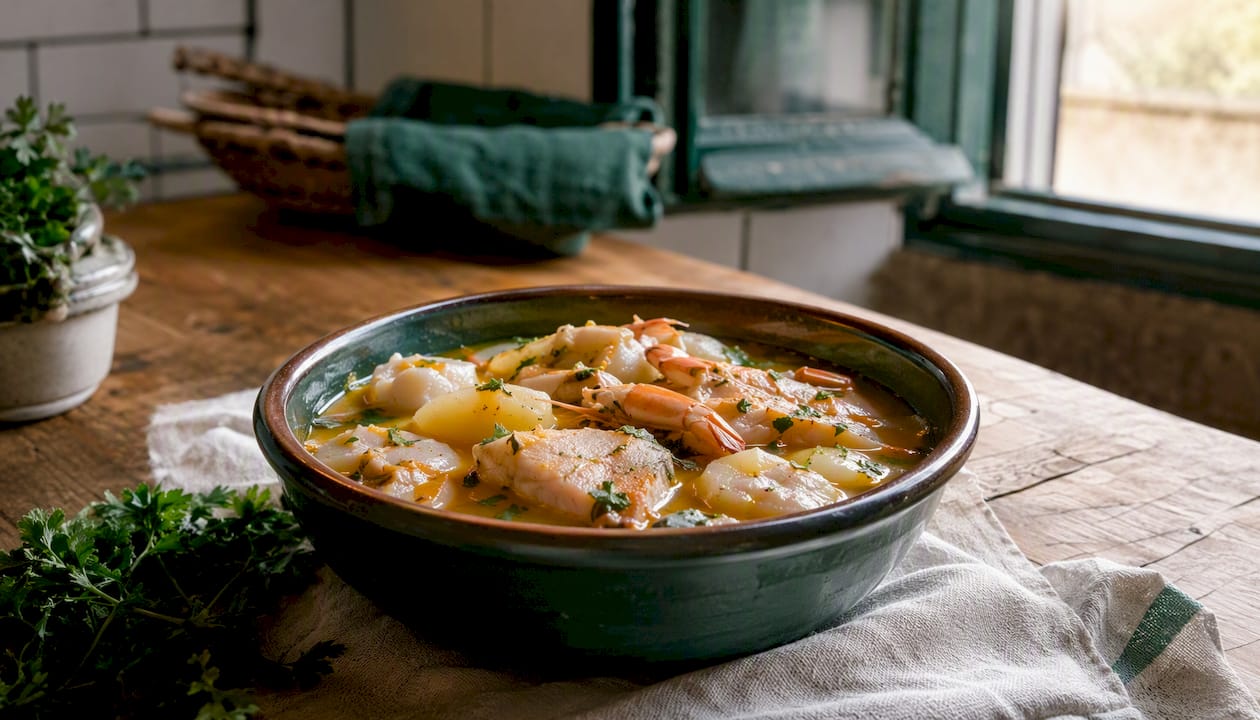
Zarzuela de mariscos is richer and more theatrical: squid, shrimp, sea bass, angler fish, clams, and mussels in white wine and seafood stock, finished with picada. The name references a Spanish operetta, which fits — it’s a production.
Rossejat de fideos shares ancestry with fideuá but is distinctly Catalan. Noodles are toasted dry in olive oil until golden, then cooked in fish stock until they absorb every drop. Served with allioli on the side. The toasting step is what separates it from a simple noodle soup.
Pro Tip: On any Catalan menu, “arròs negre” means rice cooked in squid ink with sofregit (slow-cooked onion and tomato). It should be deeply savory, not fishy. If it smells strongly of fish, the ink wasn’t fresh.
What culinary terms and ingredients do you need to know?
These ingredients and techniques define marine fare at its core. Learn them and you can decode almost any Catalan seafood menu.
Key glossary:
- Picada: Garlic-and-nut paste, stirred in at the end of stews to thicken and add depth
- Fumet: Concentrated fish stock, the flavor base for rice, noodle, and stew dishes
- Allioli: Garlic emulsion (traditionally no egg), served alongside rice and noodle dishes
- Sofregit: Slow-cooked onion and tomato base, the foundation of most Catalan sauces
- Rossejat: The technique of toasting noodles or rice in oil before adding stock
- Ranxer: The boat cook; also refers to the rustic one-pot style of cooking
- Bacallà: Salt-dried cod, desalted over 24–48 hours before use
Core ingredients worth recognizing: rockfish (for fumet and bullinada), small oily fish like sardines and anchovies (grilled or preserved), squid and cuttlefish (for ink and texture), clams and mussels (quick-cooking shellfish plates), and bacallà (the preserved pantry staple that appears year-round). For a deeper look at essential seafood types used in Catalan cooking, the species list is longer than most menus suggest.
Pro Tip: When a menu says “a la marinera,” expect shellfish or firm fish cooked with white wine, fresh vegetables, and parsley. It’s a lighter preparation than suquet and usually faster to the table.
How does seasonality affect what you can find and eat?
Seasonal fishing shapes every authentic marine fare menu. Catalan fishermen and local administrations have increased awareness around seasonal closures, and the value of peix de la costa (nearshore catch) is central to how good restaurants build their menus week to week.
| Season | Typical species available |
|---|---|
| Spring | Clams, mussels, squid, sea bream, anchovies |
| Summer | Sardines, red mullet, octopus, sea bass |
| Autumn | Monkfish, cuttlefish, spider crab, hake |
| Winter | Rockfish, salt cod (bacallà), sea urchin, grouper |
For Central Europe readers buying at a fishmonger or market, the Mediterranean seasonal cycle transfers reasonably well to Atlantic and North Sea species. What matters is the freshness check, not the exact species. When buying fresh fish, look for: clear and bright eyes (not cloudy), firm flesh that springs back when pressed, bright red or pink gills, a clean sea smell (not ammonia), and provenance labeling where available. A practical market guide covers these sensory checks in detail.
Sustainability cues to look for: MSC certification, seasonal-closure compliance notes, and any mention of peix de la costa or local day-boat catch. Avoid species flagged as overfished in your region’s current advisory lists.
Pro Tip: Ask your fishmonger “What came in this morning?” rather than naming a specific fish. The answer tells you what’s genuinely fresh that day, which is exactly how a ranxer would have planned the meal.
How do you experience marine fare, and what does it cost?
Marine fare runs the full spectrum from a €12 bowl of suquet at a harbor-side bar to a multi-course seafood tasting menu at a fine-dining restaurant. The format you choose changes the experience entirely.
Traditional maritime restaurant vs. modern tasting menu:
- Traditional: a la carte, shared platters, bread for soaking broth, informal pace
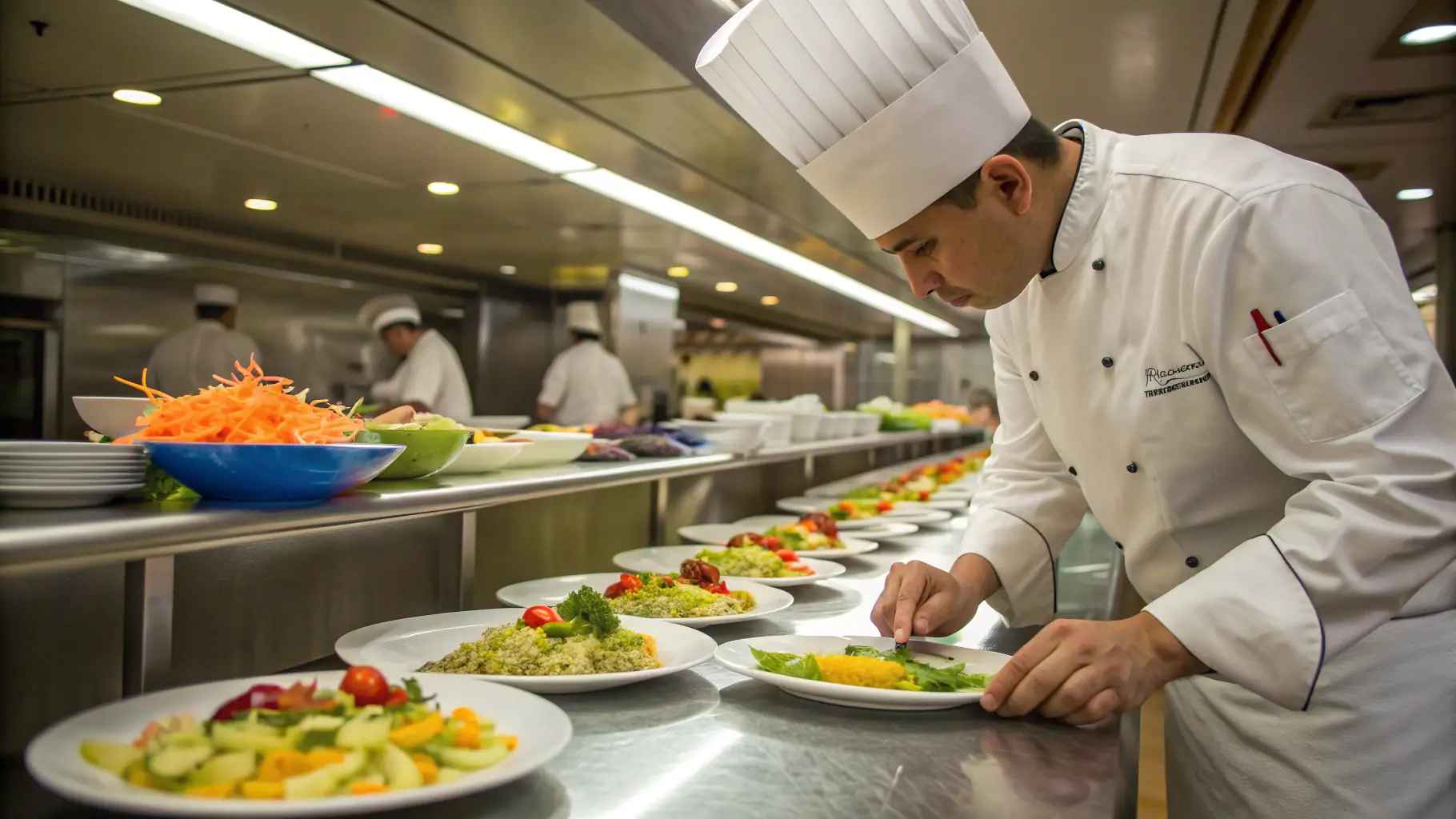
- Modern/tasting menu: 6–10 courses, each dish a single species or technique, wine pairing optional, 2–3 hours at the table
- Group menus: fixed-price sharing format, usually 3–4 courses, ideal for 6 or more guests
Typical price ranges for Central Europe visitors dining in Barcelona:
- Single a la carte plate (suquet, arròs negre, rossejat): €18–€35
- Full a la carte meal with wine: €50–€80 per person
- Tasting menu at a fine-dining restaurant: €80–€150 per person
- Group sharing menu: €45–€75 per person depending on species and season
Cooking at home is more accessible than it looks. A basic suquet needs a Dutch oven, good fish stock (or homemade fumet), waxy potatoes, saffron, and firm white fish. The whole dish comes together in under an hour. Rossejat requires slightly more attention during the toasting step but uses pantry staples. For a structured approach to home Mediterranean dining, the technique sequence matters more than the recipe.
How do you order, pair, and eat Catalan maritime dishes?
A few practical habits make the difference between a good meal and a great one.
Ordering checklist:
- Ask the server what the fresh catch is today before ordering from the printed menu
- For rice and noodle dishes, ask for the cooking time (arròs negre typically takes 20–25 minutes)
- Request allioli on the side if it’s not already included
- For shellfish, confirm whether the dish contains mixed allergens (clams, mussels, shrimp often appear together)
Pairing suggestions:
- Dry white wines: Penedès Xarel·lo or Albariño from Galicia work with suquet and rossejat
- Cava (dry/brut): the natural pairing for shellfish plates and zarzuela
- Light red (Garnacha): for grilled fish or bacallà a la llauna
- Non-alcoholic: sparkling water with lemon, or a cold horchata alongside fried dishes
Allergen and dietary notes: shellfish cross-contact is common in Catalan kitchens since many dishes share stock. Bacallà requires 24–48 hours of desalting before cooking; restaurant versions are always pre-desalted. Vegetarian alternatives are limited in traditional maritime menus, though arròs negre can sometimes be prepared without fish if arranged in advance.
Etiquette: communal platters are the norm at traditional restaurants. Bread for soaking broth is expected and encouraged. On a tasting menu, pace yourself — the kitchen controls the timing, and rushing signals you’re not enjoying it.
Pro Tip: For local food experiences like a Catalan seafood meal, ask the server which dish the kitchen is proudest of that day. It’s almost always the one built around the morning’s catch.
Elspescadors: where to taste authentic Catalan marine fare
Elspescadors sits in Barcelona’s historic Poblenou district, in Plaça de Prim, and it’s one of the clearest expressions of Catalan maritime cuisine available to visitors from Central Europe. The menu is built around the daily fresh catch, seasonal tasting menus, and traditional rice dishes prepared with locally sourced ingredients.
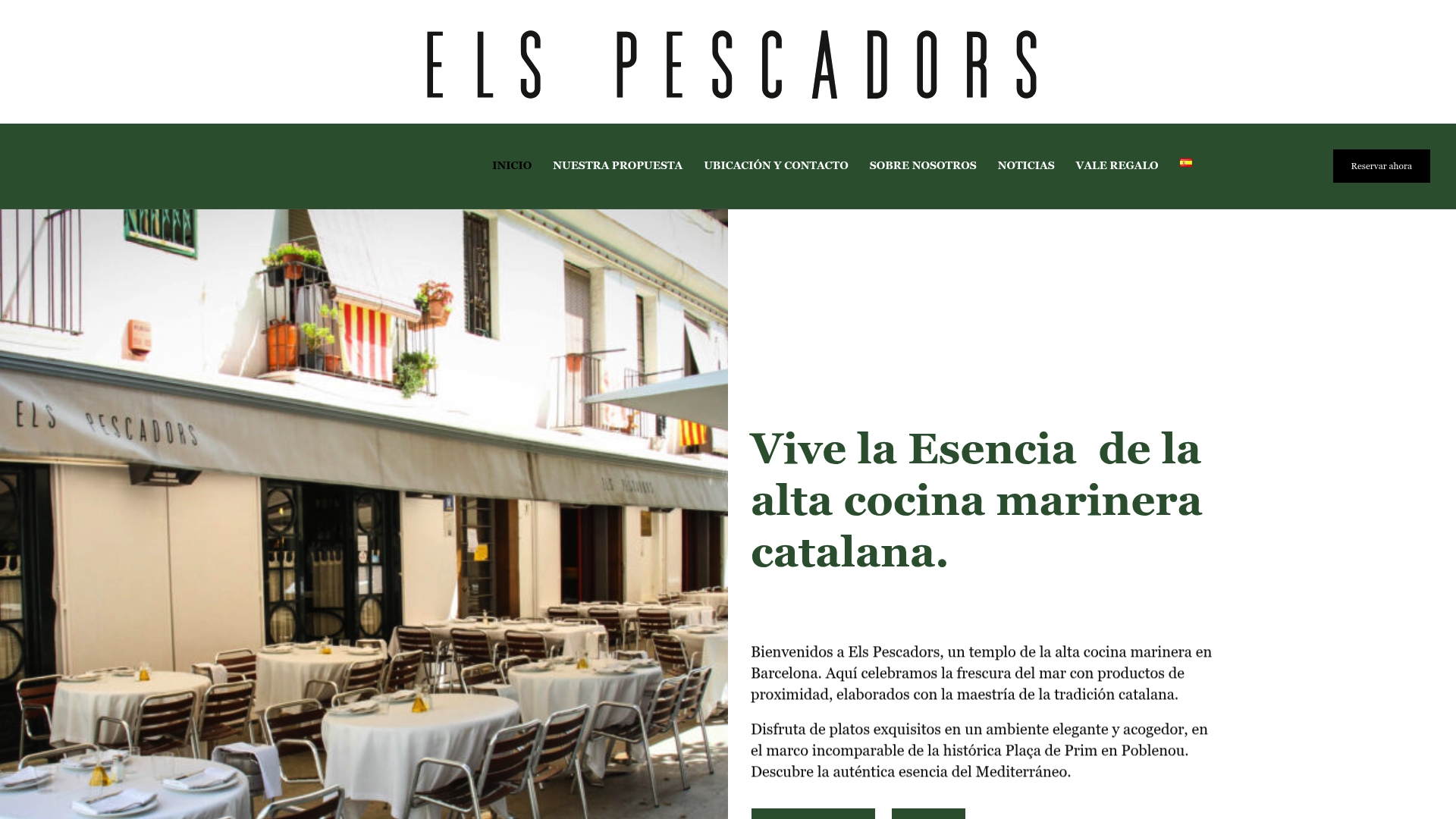
What the restaurant offers: a fresh-catch a la carte menu that changes with the season, a refined tasting menu showcasing 6–10 courses of maritime cuisine, and group seafood dining options for private events and shared celebrations. The setting, a charming historic square, adds context that a hotel restaurant rarely can.
For visitors from Central Europe, booking in advance is strongly recommended, especially for tasting menus and weekend dinners. Ask about the seasonal menu when you reserve, and mention any dietary restrictions at that point. View the full restaurant proposal for current menus and reservation details.
Key Takeaways
Marine fare in its Catalan form is one of the most historically grounded and ingredient-driven seafood traditions in the Mediterranean, shaped by boat-kitchen constraints and seasonal coastal catch.
| Point | Details |
|---|---|
| What marine fare means | Catalan maritime cuisine built on boat-to-table freshness, one-pot stews, and seasonal catch. |
| Dishes to know first | Suquet de peix, zarzuela de mariscos, rossejat, arròs negre, and bacallà a la llauna are the core five. |
| Seasonality drives the menu | Spring brings clams and anchovies; winter shifts to rockfish, bacallà, and sea urchin. |
| Buying fresh: the key checks | Clear eyes, firm flesh, bright gills, and a clean sea smell confirm freshness at any market. |
| Elspescadors in Barcelona | Offers daily fresh-catch menus, seasonal tasting menus, and group dining in Poblenou. |
Why maritime cuisine deserves more than a single meal
The conventional food-travel advice is to order the local specialty once, check it off, and move on. With Catalan maritime cuisine, that approach misses the point entirely.
What makes this tradition worth returning to is that the menu is genuinely different every few weeks. A suquet in February, built on winter rockfish and sea urchin, is a different dish from the same preparation in June with red mullet and clams. The technique is identical; the flavor is not. Most cuisines don’t work that way.
There’s also a sourcing honesty here that’s rare. The ranxer tradition wasn’t about creativity for its own sake. It was about using what was available, wasting nothing, and feeding people well under real constraints. That discipline shows up in the best Catalan seafood restaurants today, not as nostalgia but as a genuine operating principle. When a kitchen changes its menu because the catch changed, that’s the tradition working as intended.
For visitors from Central Europe, the practical takeaway is this: the dishes you read about here taste different in Barcelona than they do anywhere else, because the supply chain is shorter and the cultural context is intact. A bowl of suquet made with this morning’s fish, finished with a proper picada, served with bread and a glass of Xarel·lo in a Poblenou square, is not something you can fully replicate at home. It’s worth the trip.
Useful sources to explore next
These resources go deeper on Catalan maritime cuisine, seasonal sourcing, and where to eat.
- The Fisherman’s Pot: Cuina de Barca — The Catalan Table: Detailed account of boat-kitchen cooking and the ranxer tradition.
- Alimentació i cuina marinera a la costa catalana — Drassana (Museu Marítim): Academic article on the food culture and social history of Catalan coastal cooking.
- 8 Best Seafood Dishes in Catalonia — TasteAtlas: Short descriptions and ratings for the region’s top marine dishes.
- Catalan Fish Stew (Suquet de Peix) — Spanish Sabores: Accessible home recipe with technique notes for the classic stew.
- Zarzuela de Mariscos a la Catalana — Emerils.com: Ingredient list and method for the traditional Catalan shellfish stew.
- The cuisine of Catalonia — spain.info: Regional overview of Catalan gastronomy including market culture and fine dining.
- Seasonal fishing in Catalan cuisine — Elspescadors: Explains how seasonal closures and peix de la costa shape restaurant menus.
- Local Seafood Market Guide — Elspescadors: Practical freshness checks and provenance advice for buying fish at market.
- What is local gastronomy? — Wild Foodz: How local sourcing shapes food identity across cultures and regions.
- Elspescadors restaurant proposal and reservations: Current menus, tasting options, and booking information for the Barcelona restaurant.
FAQ
What does “marine fare” mean in a culinary context?
Marine fare refers to the full tradition of seafood-centered cooking from coastal communities, particularly the Catalan and Mediterranean practice of preparing fresh fish, shellfish, and preserved seafood using boat-kitchen techniques like one-pot stews, fumet-based stocks, and picada finishes.
What are the most important Catalan marine dishes to try first?
Start with suquet de peix (the foundational fisherman’s stew), arròs negre (squid-ink rice), and rossejat de fideos (toasted noodles in fish stock). These three cover the main formats and techniques of Catalan maritime cuisine.
How do I know if a seafood restaurant serves authentic marine fare?
Look for a menu that changes with the season, lists the day’s fresh catch, and includes dishes built on fumet and picada. A kitchen that prints the same menu year-round is unlikely to be sourcing peix de la costa.
What allergens are common in Catalan maritime dishes?
Shellfish (clams, mussels, shrimp, crab) appear across most dishes and often share cooking stock. Nuts appear in picada. Bacallà is a salted fish that requires advance desalting. Always confirm cross-contact risks with the kitchen before ordering.
Where can I experience authentic Catalan marine fare in Barcelona?
Elspescadors in Poblenou, Barcelona, offers daily fresh-catch menus, seasonal tasting menus, and group dining options rooted in Catalan maritime tradition. Reservations are recommended, especially for tasting menus and weekend service.