
Cook percebes in boiling water salted like the sea; count roughly 1 minute once the boil returns, then eat the peduncle while it’s still steaming hot. That’s the whole method. Miss the timing or let them cool on the counter and you lose the two things that make percebes worth their price: the briny snap and the tender give of the meat.
Here’s the timeline at a glance:
- 0:00 — Brush off visible sand, skip the soak
- 5:00 — Water hits a full boil (about the right amount of salt to mimic seawater)
- +1:00 — Percebes go in, water returns to boil, count 1 minute
- +1:30 — Off the heat, into a covered bowl or wrapped in a towel
- Now — Serve immediately, eat while hot
- Clean minimally
- Boil in salty water
- Time exactly 1 minute after re-boil
- Cover and serve hot
| Point | Details |
|---|---|
| Salt the water | Use coarse salt to mimic seawater. |
| Cook briefly | Boil for about 1 minute after the water returns to a boil. |
| Serve fast | Eat immediately while hot; cooling ruins texture and flavor. |
Key Takeaways
Getting percebes right comes down to precise timing at the boil and speed at the table, not fancy technique or equipment.
| Point | Details |
|---|---|
| Cook briefly | Boil in salted water for about 1 minute after the boil returns. |
| Clean lightly | Brush off sand; avoid soaking, which strips flavor and moisture. |
| Eat the peduncle | The thick stalk is the only commonly eaten part; discard the uña. |
| Serve immediately | Cover with a towel and eat hot to preserve flavor and texture. |
| Buy for thickness | Plumper peduncles have more meat than tall, thin specimens. |
Prefer someone else to handle the timing? Our team at Elspescadors prepares percebes and other Catalan seafood specialties daily, and our group dining menus make percebes an easy centerpiece for a shared table without any guesswork on your end.
Table of Contents
- What Part of a Percebe Do You Eat?
- How Do You Clean Percebes Before Cooking?
- How Do You Cook Percebes Correctly?
- How Do You Open and Eat a Percebe?
- What Are the Most Common Percebes Mistakes?
- What Does a Chef Recommend When Buying Percebes?
- Why Percebes Are Worth the Fuss
- Sources
- FAQ
What Part of a Percebe Do You Eat?
The edible part is the peduncle, the thick, dark, muscular stalk that anchors the animal to rock. It’s covered by a tough, scaly sheath called the uña (the “nail” or capitulum), which protects the peduncle but isn’t eaten. Percebes belong to the species Pollicipes pollicipes, and across every regional recipe, the peduncle is the only part anyone actually chews and swallows.
Spotting it is easy once you know the shape:
- The peduncle is the fatter, curved base, usually darker red or brown
- The uña sits at the tip, smaller and rougher, almost like a fingernail
- Thicker peduncles mean more meat per piece, which matters when you’re paying by the kilo
Pro Tip: Squeeze gently near the base before cooking. A plump, springy peduncle usually cooks up juicier than a thin, stiff one.
How Do You Clean Percebes Before Cooking?
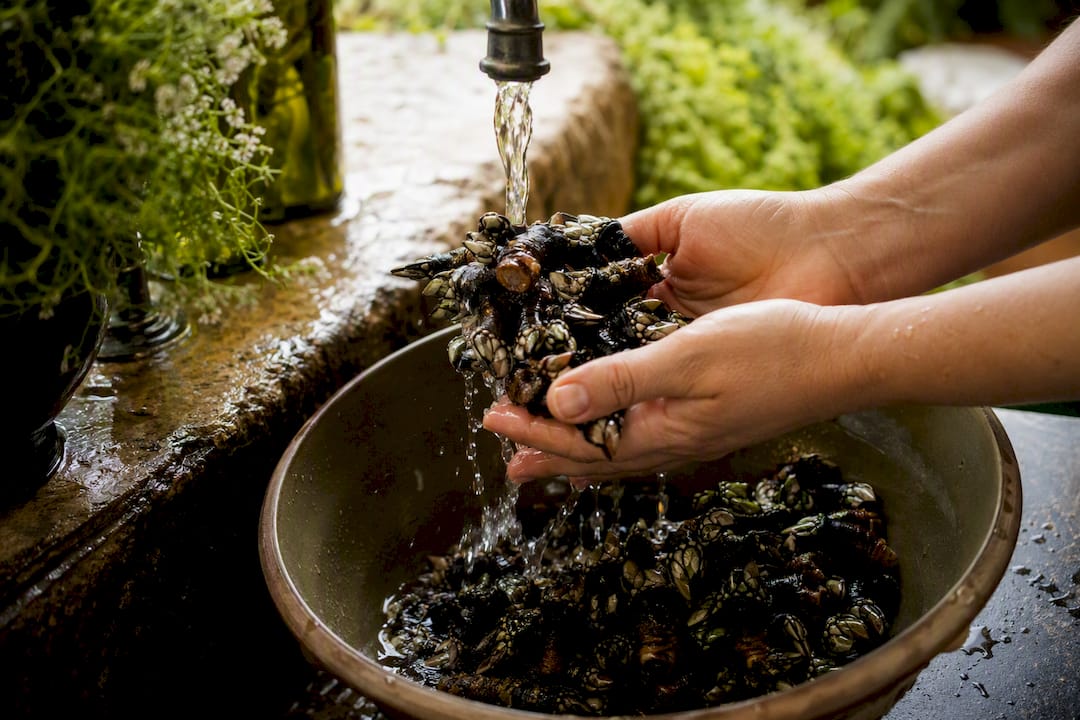
Skip the soak. Percebes need minimal handling, not a bath. Excess rinsing or long soaks in fresh water can wash out the flavor and moisture that make them worth eating, according to guidance from El Español’s gastronomy desk. Most sand and seaweed sit on the surface and brush off easily.
Here’s what actually works:
- Run them briefly under cold water or brush off visible sand and grit
- Pull away any loose seaweed strands stuck to the base
- Never leave them submerged in fresh water; a quick rinse is plenty, per Mariscos O Grove’s step-by-step guide
- Skip scrubbing the peduncle itself; you’ll bruise the meat
Pro Tip: If a percebe still looks sandy after a rinse, dunk it once, fast, right before it goes into the pot. Don’t let it sit in water waiting for the boil.
How Do You Cook Percebes Correctly?
Boil them in water salted like the ocean, and time the cook to the second. If you don’t have real seawater, mix in a generous amount of coarse salt per liter, as recommended by Mariscos O Grove. A wide, shallow pot and a slotted spoon are the only equipment you need.
- Bring the salted water to a full, rolling boil first, before anything touches the pot (using salt roughly like seawater).
- Add the percebes all at once and cover
- Wait for the water to return to a boil, then count about 1 minute
- Pull them out immediately with the slotted spoon
This follows the old Galician rule, “Auga ferver percebes botar, auga ferver percebes quitar”, meaning percebes go in when the water boils and come out when it boils again, roughly a minute later, according to ABC’s food section. Bigger, thicker specimens might need a touch longer; smaller ones less. Either way, overcooking is the enemy, not undercooking.
The moment they’re out, transfer them straight into a bowl covered with a clean towel. That traps the steam and keeps the skin loose and easy to peel, per culinary guidance from Galicia’s Do onde se non producer network.
- Skip aromatics if you want the pure ocean flavor; bay leaf is optional at best
- Never rinse cooked percebes under cold water to “cool them faster”
Pro Tip: Set a timer the second the water starts boiling again. Guessing “about a minute” by eye is how percebes turn rubbery.
How Do You Open and Eat a Percebe?
Grip the nail with one hand and the body with the other, then twist and pull toward your plate, not toward yourself. Hot liquid inside can spurt when the shell separates, and pointing the opening away from your shirt is the difference between a great meal and a laundry problem, a trick Business Insider España’s food desk calls essential for beginners.
- Hold the uña firmly between thumb and forefinger
- Grip the base of the peduncle with your other hand
- Twist the uña while pulling gently away from the peduncle
- The skin should tear cleanly, exposing the meat inside
- Slide the peduncle meat out with your teeth or fingers, leaving the tough outer skin behind
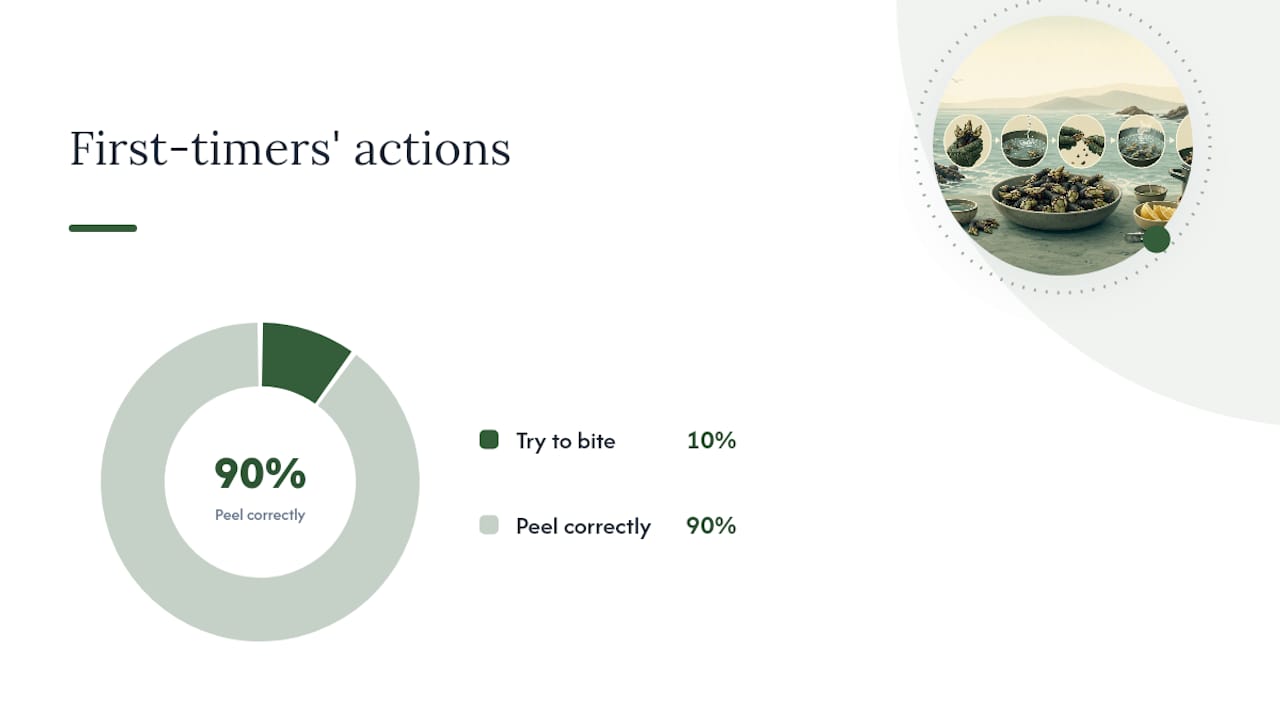
About 1 in 10 first-timers try to bite straight through the skin instead of peeling it back first, which is why the twist-and-pull motion matters more than force. The skin is inedible; only the meat inside comes free.
Pro Tip: Most diners skip the small bit of meat inside the uña itself. It’s edible but fiddly and barely worth the effort compared to the peduncle. Arrange the peeled pieces on one side of the plate and discard shells on the other, so the table stays clean between bites.
What Are the Most Common Percebes Mistakes?
The three most common errors are overcooking, soaking too long during cleaning, and letting them cool before eating. Each one quietly wrecks a dish that’s already expensive to buy.
- Overcooking: Even 30 extra seconds turns tender peduncle meat rubbery; there’s no fixing it once it happens
- Soaking during cleaning: Long baths in fresh water strip flavor and moisture that never comes back
- Serving cold: Percebes lose their intense marine flavor and juicy bite fast once they cool, according to Business Insider España
Percebes rank among the priciest shellfish sold by weight, largely because harvesters gather them from wave-battered rocks at real personal risk. That price tag is exactly why timing mistakes sting more here than with almost any other seafood.
Pro Tip: If you suspect you’ve slightly overcooked a batch, serve them immediately anyway, piping hot, with lemon. There’s no rescue technique beyond minimizing further heat loss.
What Does a Chef Recommend When Buying Percebes?
Choose thicker, meatier percebes over the tallest ones on display. A short, plump peduncle holds more edible meat than a long, skinny one, a distinction experienced buyers at Galician marisquerías rely on, per El Español.
At the market, look for:
- A deep red or dark color along the peduncle, not pale or grayish
- A clean, briny ocean smell, never a sour or ammonia note
- Firm, springy flesh when pressed gently
- Prices that spike in winter months, when rougher seas make harvesting more dangerous and supply drops
At Elspescadors, we serve percebes the same way we’d want them served to us: fresh from the pot, covered with a clean towel to hold in heat and humidity until they reach the table. A crisp Albariño or Ribeiro alongside them cuts through the salinity without competing with it. If you’re building a larger spread, our seafood platter ideas show how percebes can anchor a shared table of Catalan seafood classics.
Buy for thickness, not height. A short, fat peduncle beats a tall, thin one every time on the plate.
Pro Tip: Ask your fishmonger when the percebes arrived. Same-day or next-day delivery matters more with this shellfish than almost anything else in the case.
| Point | Details |
|---|---|
| Buy plump, not tall | Thicker peduncles yield more meat than taller, thinner specimens. |
| Check freshness cues | Look for deep color, briny smell, and firm texture at the counter. |
| Serve covered | A clean towel over the bowl traps heat and humidity until served. |
Why Percebes Are Worth the Fuss
I’ve watched plenty of first-timers hesitate over a plate of percebes, unsure how to start. The reward is immediate: a burst of intense, briny ocean flavor followed by tender, almost custard-like meat that tastes nothing like standard shellfish. Follow the boil-and-peel method above, respect the timing, and you’ll understand in one bite why Galician fishermen risk the rocks for these things.
Sources
- Cómo cocinar percebes en casa y que queden como en una marisquería
- Cómo comer percebes: el truco para no ponerte perdido de manchas
- De onde se non — Crustáceos (Percebes)
- Percebes: así se preparan y estos son los beneficios que aporta una ración
- Cocer Percebes en Casa: Paso a Paso – Blog de Mariscos O Grove
FAQ
What part of a percebe do you eat?
You eat the peduncle, the thick muscular stalk. The tough outer sheath called the uña protects it but isn’t eaten.
How do you remove sand from percebes?
Brush off visible sand and grit or rinse briefly under cold water; avoid long soaks in fresh water, which strip flavor and moisture.
How do you cook percebes?
Boil them in water salted like the sea, adding them once the water is fully boiling and removing them about 1 minute after it returns to a boil.
How do you clean a percebe before eating it?
Cleaning happens before cooking, not after: remove loose seaweed and surface sand by hand or with a quick rinse, then cook right away.
Can you eat percebes raw?
No. Percebes are always cooked briefly in boiling salted water; raw consumption isn’t part of any standard preparation method.