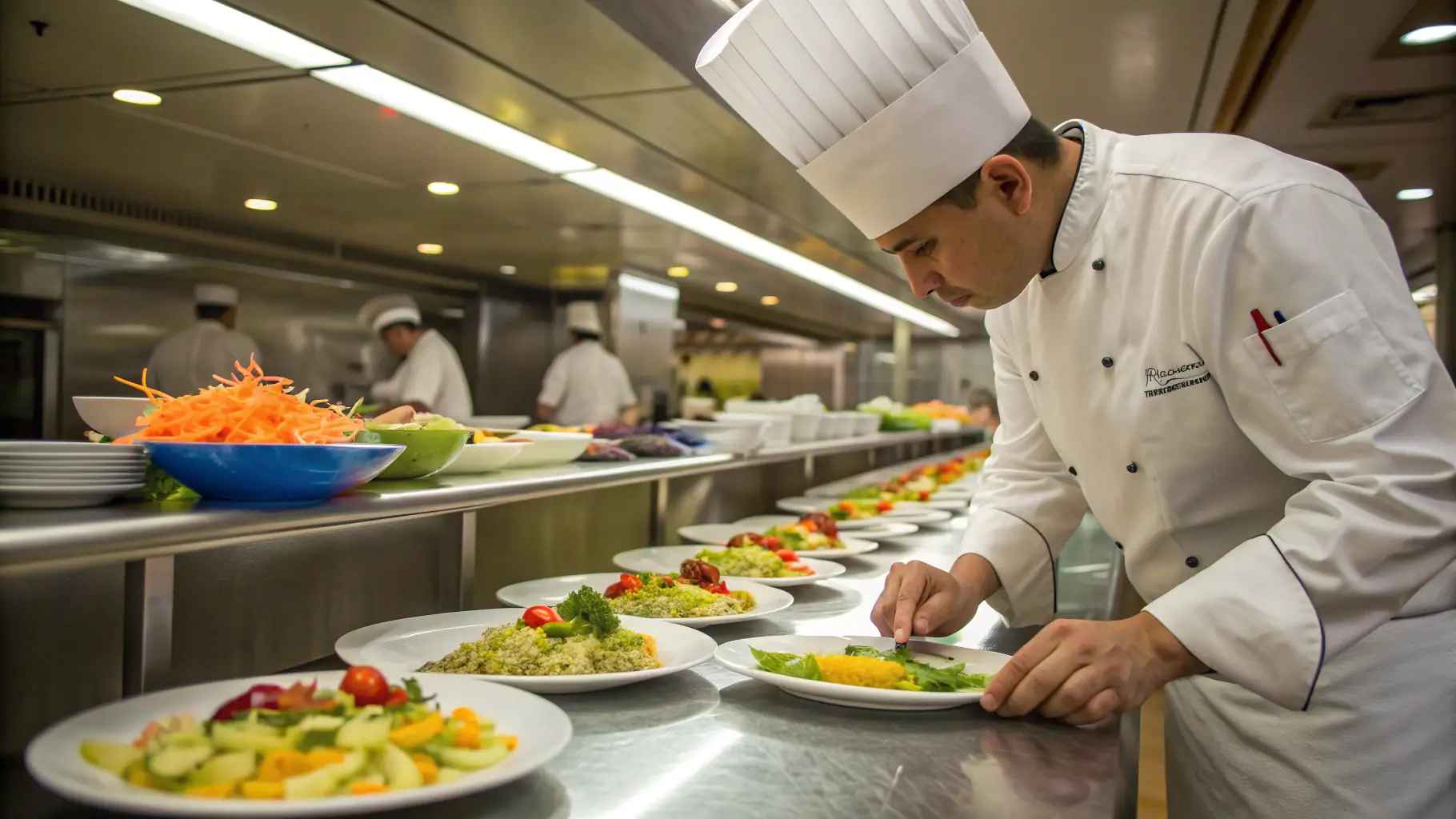
Arroz de temporada is rice cooked around what the market and the sea offer that week, not a fixed recipe on a laminated menu. In Barcelona, that means artichokes and peas in spring, shellfish in summer, mushrooms in autumn, and braised meats in winter, all built on DOP-certified grain like Bomba or Sénia. Look for a restaurant that names its rice variety and rotates dishes with the calendar. Some restaurants in Barcelona exemplify how that practice should look on a plate.
TL;DR:
- Restaurants that serve seasonal rice in Barcelona must specify the rice variety, producer, or seasonal ingredients on the menu to demonstrate genuine practice.
- Bomba rice absorbs three times its volume in liquid and is ideal for longer cooking styles like caldoso, while Sénia offers a creamier texture suitable for meloso dishes.
- The typical seasonal pattern includes light vegetable rice in spring, shellfish in summer, mushroom meloso in autumn, and meat-heavy caldoso in winter.
- Booking a restaurant with a rotating, ingredient-driven menu typically requires reservations at least three to four days in advance, especially for weekends.
- Genuine seasonal rice emphasizes fresh local catch, named ingredients, and menu descriptions that align with current harvests, reflecting sustainable sourcing practices.
Table of Contents
- How Barcelona Chefs Actually Build a Seasonal Rice Dish
- Why Bomba, Sénia, and Delta de l’Ebre Rice Actually Matter
- What to Expect on the Menu Each Season
- How to Pick a Restaurant Serving Genuine Seasonal Rice
- What Genuine Seasonal Rice Looks Like in Practice
- Els Pescadors: How the Seasonal Rice Practice Holds Up
- Why Seasonality Changes How Rice Should Be Judged
- Reserve a Seasonal Rice Experience at Els Pescadors
- Sources
- FAQ
How Barcelona Chefs Actually Build a Seasonal Rice Dish
Seasonality in a Barcelona kitchen isn’t a marketing sticker. It’s a supply chain decision made at the market that morning, then a technique decision made at the stove an hour later. Chefs buy what the Mercat de la Boqueria or Mercabarna has at its peak, then shape the rice around it rather than forcing a fixed recipe onto whatever showed up.
Ferran Adrià has pushed this idea for decades, arguing that Barcelona’s culinary identity rests on treating the product itself, not the technique, as the star of the plate. That framing matters for rice specifically, because rice is a blank canvas. It absorbs whatever broth and sofrito surround it, which is exactly why the same grain can taste completely different in March versus November.
The ingredient swap is the clearest signal of the season on the plate:
- Spring: artichokes, fresh peas, and green asparagus go into lighter, drier rice preparations.
- Summer: prawns, mussels, and cuttlefish push toward quicker, brothier shellfish rice.
- Autumn: wild mushrooms, especially rovellons, pair with rice cooked longer for a meloso texture.
- Winter: duck, rabbit, or pork ribs anchor heartier, caldoso-style rice built for cold weather.
None of that works without a properly reduced sofrito. Practitioner guidance from Barcelona market chefs treats a slowly concentrated base of onion, tomato, and seasonal vegetables as the non-negotiable foundation before broth or grain ever touches the pan. Skip that step and rushing the reduction, and even DOP-grade rice tastes flat. Local press coverage backs up how deliberate this rotation has become: restaurants across the city are now explicit about switching rice dishes by season and sourcing from named producers rather than anonymous wholesalers, a trend documented in La Vanguardia’s reporting on seasonal rice practices. Some kitchens have even started treating the rice course as the emotional peak of a tasting menu rather than a side dish, according to coverage of rice-focused tasting formats.
Why Bomba, Sénia, and Delta de l’Ebre Rice Actually Matter

Not all rice behaves the same way in a pan, and this is where a lot of tourist-trap paella falls apart. Bomba rice absorbs up to triple its volume in liquid without splitting, which is why it survives a long caldoso simmer. Sénia, more common in Catalonia, releases starch more readily and gives dishes a creamier, meloso finish. Both fall under DOP protection, and the official pliego de condiciones for Arròs de València documents exactly which varieties qualify and how growing conditions in the Delta de l’Ebre or the Albufera shape grain structure.
Professional kitchens in Barcelona increasingly go one level deeper, matching specific sub-varieties like Bombón or Montsià to specific proteins so the grain holds its shape while still soaking up an intense broth, a pairing practice detailed in coverage of rice sub-varieties matched to technique. The variety a chef chooses tells you almost as much about the kitchen’s seriousness as the ingredients on top.
| Cooking style | Typical rice choice | Rice to broth ratio | Texture goal |
|---|---|---|---|
| Dry (paella) | Bomba | About 1:3 | Separate grains, no sticking |
| Meloso (creamy) | Sénia or Bombón | About 1:4 | Loose, slightly bound |
| Caldoso (soupy) | Bomba or Montsià | About 1:6 | Almost a stew, rice suspended in broth |
| Arroz negro | Bomba | About 1:4 | Firm grain, ink-coated |
That 1:4 ratio for a standard dry preparation, documented in Barcelona municipal recipe guidance, is a starting point, not a rule. Heat intensity and pan width change evaporation speed, so the same recipe cooked over a wood fire needs less liquid than one cooked on an induction burner.
What to Expect on the Menu Each Season
Barcelona’s rice calendar follows the market almost exactly, and knowing the pattern helps you spot a kitchen that’s actually paying attention versus one running the same paella year round.
- Spring (March to May): Expect artichoke and asparagus rice, often dry or lightly meloso, sometimes with fresh peas from the Maresme coast. Texture stays light because the vegetables themselves carry a lot of water.
- Summer (June to August): Shellfish takes over, with prawns, clams, and cuttlefish in quicker, drier preparations suited to warm weather. A cooperative recipe for seasonal vegetable rice built around Delta de l’Ebre bomba rice shows how local produce and grain choice intersect even outside the seafood-heavy months.
- Autumn (September to November): Wild mushrooms, particularly rovellons and ceps, move dishes toward meloso territory, often with rabbit or duck folded in. Some houses use wood-fired ovens for a smokier finish, a regional variation documented around dishes like Arroz de Castelldefels in coverage of wood-fire rice traditions.
- Winter (December to February): Caldoso rice with duck, pork ribs, or game becomes the default, built for warmth rather than lightness. This is also when meat-driven braises replace the shellfish that dominated summer menus.
The pattern holds across most serious kitchens in the city, though the exact ingredient rotates depending on what a given restaurant’s producer relationships supply that week.
How to Pick a Restaurant Serving Genuine Seasonal Rice
A menu that says “seasonal” and a menu that actually is seasonal look different if you know where to check. Start with the description itself: does it name the rice variety, the producer, or the specific vegetable in season, or does it just say “arroz de la casa” with no further detail? Specificity is the first tell.
Service format matters almost as much. A kitchen serious about rice will usually cook to order in individual portions or clearly state a minimum cooking time, often 20 to 25 minutes, rather than pulling a pre-made batch from a warming tray.
Run through this before booking:
- Does the menu rotate seasonally, with a dated “special of the month” or similar language?
- Does it name a DOP designation like Delta de l’Ebre or Arròs de València?
- Does the staff know the rice variety and cooking time when you ask?
- Is the price consistent with fresh, small-batch preparation, generally somewhere between 22€ and €38 per person for a quality rice course?
- Does the restaurant take reservations, especially for weekend service?
Pro Tip: Book weekend arroz menus at least three to four days ahead. Kitchens that cook rice to order, rather than reheating a batch, cap how many portions they can run per service, and weekend slots fill fast.
A red flag worth remembering: if a restaurant calls a dish “seasonal” but serves the identical rice preparation in July and January, that’s marketing language, not kitchen practice.
What Genuine Seasonal Rice Looks Like in Practice

Barcelona serves arroz de temporada in a few distinct formats. Beachfront paella houses along the Barceloneta lean into big shared pans and communal service. Tavern-style spots serve smaller, faster preparations meant for a quick weekday lunch. Chef-led tasting menus treat rice differently: as the structural climax of a multi-course meal rather than a standalone order, a shift documented in profiles of Barcelona restaurants building menus around rotating rice courses.
A kitchen doing this well usually shows a few consistent traits:
- Daily fresh catch driving what shellfish or fish appears in that week’s rice.
- A rotating rice special tied to a named season, not a static year-round dish.
- Clear labeling of rice variety and DOP status on the menu itself.
- Menu language that names the actual vegetable, mushroom, or protein in season rather than vague “seasonal” wording.
Els Pescadors, in Poblenou’s Plaça de Prim, builds its Menú de Temporada around exactly this logic: seasonal, locally sourced ingredients paired with the restaurant’s daily fresh catch, served in a historic setting that has anchored Catalan maritime cooking in the neighborhood for years. For a deeper look at how seafood rice earns its authenticity, these markers of a genuine Catalan seafood rice dish walk through what separates a serious kitchen from a tourist menu.
Els Pescadors: How the Seasonal Rice Practice Holds Up
Certain restaurants run their rice programs following similar checklists, focusing on daily fresh catch, sustainable and local sourcing, and a menu structure that shifts with the seasons rather than staying static year round.
Here’s how that maps to what you should actually look for when booking:
- The Menú de Temporada is priced at 39€ per person and is built specifically around seasonal, locally sourced ingredients.
- The Menú Degustación gives you a tasting format where rice can appear as one of the concluding courses, matching how many Barcelona kitchens now treat rice as a meal’s high point rather than a side dish.
- The Carta del Día offers a daily-changing option for guests who want to see what’s fresh that specific day without committing to a full tasting sequence.
- Restaurants located in historic neighborhoods with maritime traditions tie their seasonal sourcing back to those culinary roots.
If you’re deciding between formats, a practical breakdown of how a Catalan tasting menu actually runs is worth reading before you book, especially if rice is the course you’re most curious about.
Why Seasonality Changes How Rice Should Be Judged
Treating rice as a fixed menu item, the same paella in July and December, misses what makes Catalan cooking interesting in the first place. Seasonality isn’t decoration here. It’s a sourcing discipline that ties a kitchen to specific producers, specific harvest windows, and a specific responsibility to not overload the market for ingredients that aren’t ready yet.
That’s also a sustainability argument, not just a flavor one: restaurateurs who build menus around what’s actually in season, rather than flying in off-season shellfish or produce, are making a small but real bet on local supply chains staying healthy. Eating rice this way rewards attention. It gives you a different dish in April than in November, and that difference is the entire point.
— YellowRock
Reserve a Seasonal Rice Experience at Els Pescadors
If everything above has you wondering where to actually taste this rather than just read about it, Certain establishments build their seasonal offerings around practices such as daily fresh catch, recognized rice varieties, and menus that shift with the calendar instead of staying frozen in place.
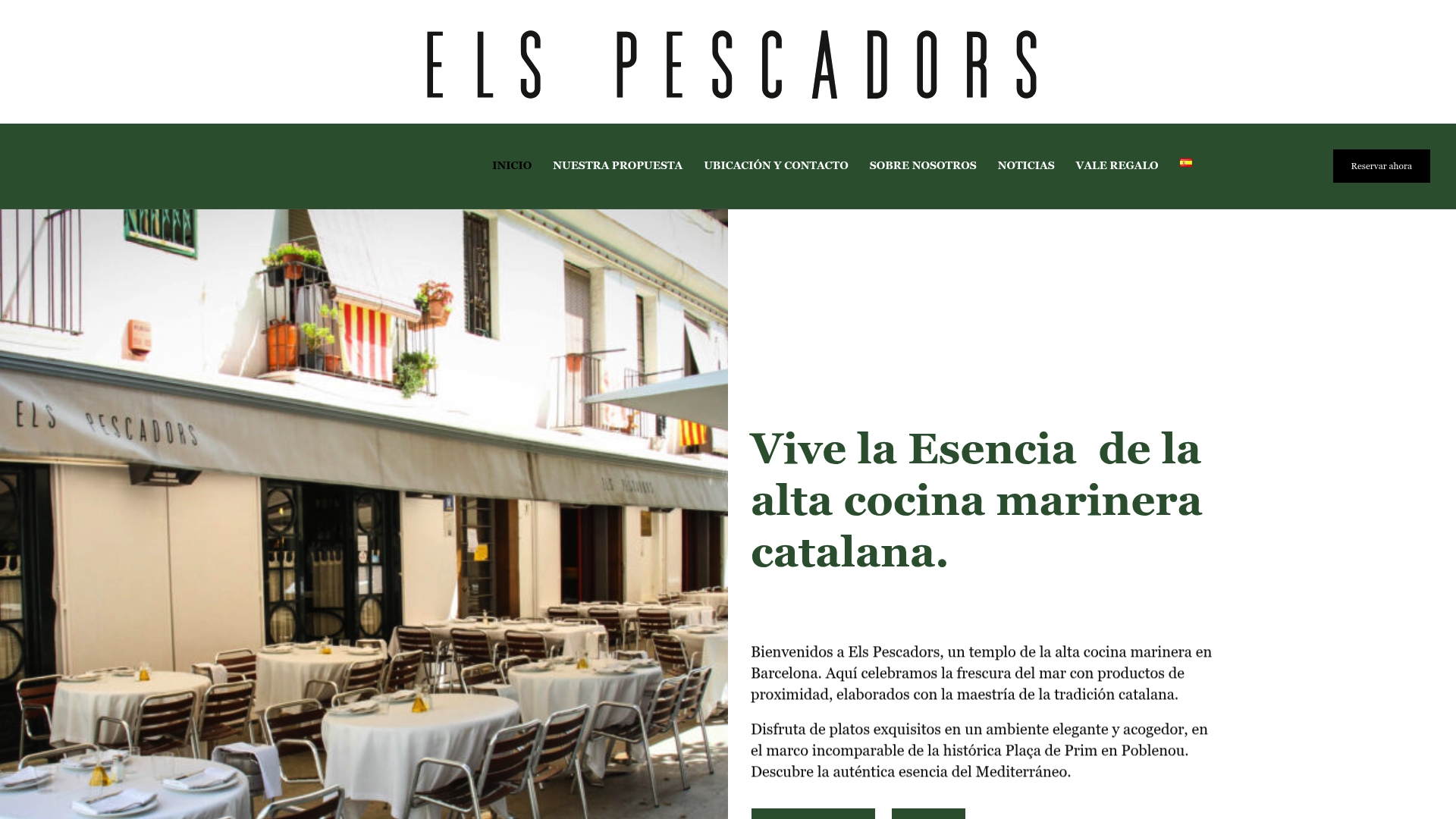
The Menú de Temporada, priced at 39€ per person, is the most direct way to try a seasonal rice course built around whatever the market and the day’s catch offer. If you’d rather build a full evening around it, the Menú Degustación lets rice close out a multi-course sequence, the same format several Barcelona kitchens now used to make rice the meal’s high point rather than an afterthought. Groups planning a celebration or a work dinner can also look at the Menú para Grupos for a shared seasonal experience. Reserve a table through the Menú de Temporada page and ask directly what’s currently rotating on the rice menu. Poblenou’s Plaça de Prim is worth the trip on its own, but the rice is the reason to come back.
Sources
- Ajuntament Barcelona — El menú de las estaciones (arroz example)
- MAPA — Pliego de condiciones: Arroz de Valencia / Arròs de València (DOP)
- Federació de Cooperatives Agràries de Catalunya — Arròs de verdures de temporada
- La Vanguardia — Haz el arroz y no la guerra (seasonal rice and restaurant practices)
FAQ
What Rice Is Considered the Best in Spain?
Bomba and Sénia rank as the most respected varieties, both protected under DOP status and prized for how well they absorb broth without splitting. The official pliego de condiciones for Arròs de València documents exactly which sub-varieties qualify and why growing conditions in zones like the Delta de l’Ebre shape their texture.
Where Can I Eat Good Arroz Negro in Barcelona?
Look for kitchens that name their rice variety and use fresh squid or cuttlefish ink rather than a bottled substitute, since that affects both color and flavor depth. Some restaurants serve seafood-focused rice dishes as part of rotating seasonal offerings, drawing on daily fresh catch from their local area.
Where in Spain Is the Best Rice Grown?
The Delta de l’Ebre in Catalonia and the Albufera near Valencia are the two regions most associated with premium rice production, both operating under DOP protection. Growing conditions there, including water salinity and soil composition, directly affect how the grain absorbs broth during cooking, as detailed in Barcelona’s own seasonal menu documentation.
What Are the Most Trusted Rice Brands in Spain?
Brands tied directly to DOP designations, rather than generic supermarket rice, tend to carry the most weight in professional kitchens, since the designation itself guarantees variety and origin. Restaurants that specify Delta de l’Ebre or Sénia rice on the menu are signaling the same standard that cooperative recipe sources use when building seasonal vegetable rice dishes.
How Much Does Arroz de Temporada Cost in Barcelona?
Expect to pay roughly 22€ to 38€ per person for a well-made seasonal rice course at a quality restaurant, though tasting menus that include rice as one course run higher. Els Pescadors prices its Menú de Temporada at 39€ per person, which includes seasonal dishes built around the day’s fresh catch.