
Suquet de peix is a Catalan fish stew built around a fish fumet, a sofrito, potatoes, and a picada, and the trick that separates a good version from a great one is adding the fish at the very end so it stays tender instead of turning to mush. Get those four elements right and you’ve got the real thing. Get the timing wrong, especially with the fish, and you’ve got fish soup with wet potatoes.
- Fumet: a light, clean stock made from fish bones and heads, simmered gently, never boiled hard
- Sofrito: onion and tomato cooked down slow to build a sweet, deep base
- Potatoes: cooked in the stock until just tender, absorbing the broth
- Picada: a garlic, almond, and parsley paste stirred in near the finish for body and aroma
- Fish: added last, cooked only a few minutes, so it holds its shape and texture
At Els Pescadors in Barcelona’s Poblenou district, the kitchen treats those last two steps as the whole game. Chef-sourced technique, not a longer ingredient list, is what turns a home suquet into a restaurant one.
Key Takeaways
Suquet de peix succeeds when the fumet stays clean, the picada is added late and in moderation, and the fish goes in only for the final few minutes.
| Point | Details |
|---|---|
| Build the fumet gently | Start with cold water and skim for the first 20 minutes; stop before it turns bitter. |
| Cook potatoes in the stock | Simmer until just tender, so they absorb the broth’s flavor. |
| Add picada near the end | One to two tablespoons of toasted almond, garlic, and parsley paste thickens without overpowering. |
| Protect the fish’s texture | Add firm fish for 2–5 minutes and shellfish last, just until cooked through. |
| Elspescadors applies pro technique | Els Pescadors sources daily catch and treats saffron and premium shellfish as seasonal accents rather than fixed defaults. |
Table of Contents
- What Ingredients Go into an Authentic Suquet de Peix?
- How Do You Make Suquet de Peix Step by Step?
- Why Do Fumet and Picada Make or Break the Dish?
- Which Fish and Shellfish Work Best in Suquet?
- Where Does Suquet de Peix Come From?
- What Should You Serve with Suquet de Peix?
- How a Professional Kitchen Elevates Suquet de Peix
- What Suquet Gets Wrong in Most Kitchens
- Taste the Real Thing at Els Pescadors
- Sources
- FAQ
What Ingredients Go into an Authentic Suquet de Peix?
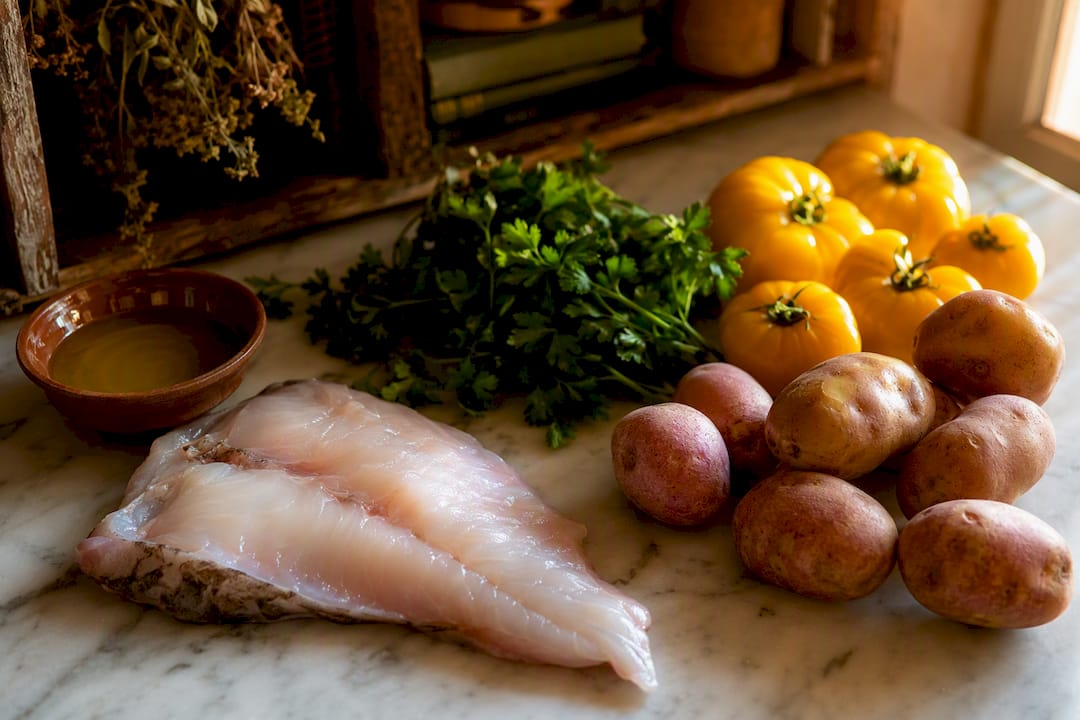
A standard suquet de peix for four people leans on a short list of ingredients, but the quality of each matters more than in most stews, since there’s nowhere for a bad piece of fish to hide.
- Fish: a mixed amount of fish such as monkfish, hake, and rock fish like scorpionfish (cabracho) or rockling
- Shellfish (optional): some shrimp or prawns, or a handful of clams or mussels
- Potatoes: 3–4 medium, peeled and cut into thick chunks
- Aromatics: 1 onion, 3 garlic cloves, 2 ripe tomatoes (grated or crushed)
- Picada: 8–10 toasted almonds, 1 slice of stale bread (fried or toasted), 2 garlic cloves, a handful of parsley
- Saffron or sweet pimentón: a small amount of saffron or sweet pimentón for color and aroma
- White wine: a splash, for the sofrito
- Olive oil: for frying and finishing
- Fumet base: fish heads and spines, a bay leaf, and water
If rock fish isn’t available at your market, monkfish and hake both hold up well and are widely sold in Spain year round. For nut allergies, swap the almonds in the picada for a small handful of toasted breadcrumbs. The texture shifts slightly, but the sauce still thickens and carries flavor the way it should.
How Do You Make Suquet de Peix Step by Step?
The order matters here more than the ingredient count. Rush the fumet or dump the fish in too early, and no amount of picada will save it.
- Make the fumet. Start the fish heads and spines in cold water, bring to a bare simmer, and skim off the foam during the initial portion of cooking. Stop skimming and boiling hard after that. Cook & Taste’s technique notes point out that a longer, more aggressive boil pulls bitter compounds out of the bones, which is the single most common way home cooks ruin an otherwise good stew.
- Build the sofrito. In a wide, shallow pan (a cazuela if you have one), sauté the onion in olive oil until soft, then add the grated tomato and cook it down until it darkens and loses most of its water. This takes longer than most recipes admit, usually several minutes.
- Add potatoes and stock. Drop in the potato chunks, cover with strained fumet, and simmer uncovered until the potatoes are just tender but not falling apart.
- Stir in the picada and saffron. This goes in a few minutes before the fish, not at the start. It thickens the broth and rounds out the flavor.
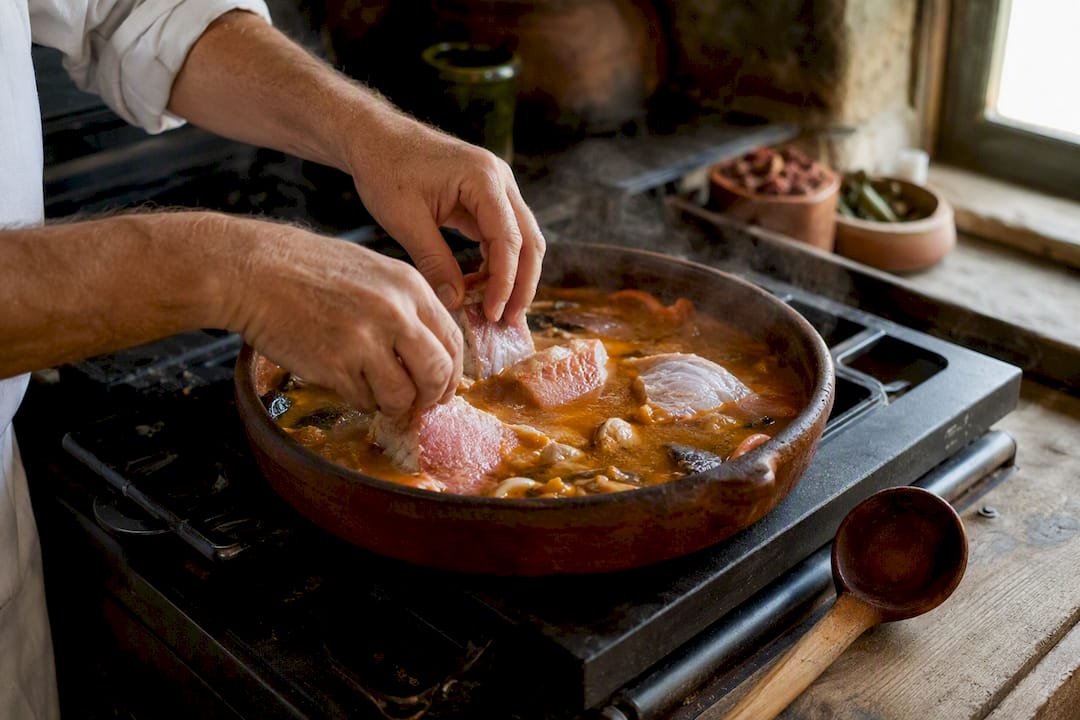
- Add the fish, then the shellfish. Firm fish like monkfish needs only 3–5 minutes at a gentle simmer. Shrimp go in for the last 2–3 minutes, just until pink. Clams or mussels go in when their shells open, not a minute longer.
Keep the pan uncovered once the fish goes in. A lid traps steam and continues cooking the fish even off the heat, which is exactly what you’re trying to avoid.
Pro Tip: If you’re reheating leftover suquet, warm the broth and potatoes first, then add the fish back in for the last minute only. Reheating everything together at once is the fastest way to turn good monkfish into rubber.
Why Do Fumet and Picada Make or Break the Dish?
Two elements do almost all the heavy lifting in suquet: the fumet and the picada. Get these right and the rest of the recipe mostly takes care of itself.
- Starting the fumet in cold water lets flavor extract gradually as the water heats, instead of shocking the proteins and clouding the stock.
- Twenty minutes of active skimming is the window most chefs work within. Push past it and the stock turns bitter and murky.
- Toasting the almonds and bread for the picada (rather than using them raw) adds a roasted depth that a raw paste can’t match.
- A mortar gives better texture control than a food processor, which tends to over-blend the picada into a paste with no bite left.
According to Sara Moulton’s writeup on the dish, a small amount of picada concentrates flavor without overpowering the fish. That small amount, combined with starch released from the potatoes, is what gives suquet its characteristic light thickness. If the broth ends up too thick, loosen it with a splash more fumet; if it’s too thin, let it simmer a minute longer uncovered.
Which Fish and Shellfish Work Best in Suquet?
Rock fish like scorpionfish and rockling give a fumet more body and a slightly gelatinous richness that firmer fish alone can’t match, which is why traditional versions often mix the two. Monkfish and hake are the reliable workhorses. They’re widely available, hold their shape well, and don’t fall apart during the final simmer.
- Use rock fish for the stock and body; use monkfish or hake as the star piece added at the end
- Firm white fish needs only 2–4 minutes in the simmering broth to cook through without breaking
- Shellfish goes in last: shrimp until just pink, clams and mussels until the shells open
- No rock fish at the market? A small amount of canned bonito or a splash of fish sauce added to the fumet deepens the stock without needing the bones
Overcooked shellfish is the most common complaint about home versions of this dish, and it’s almost always a timing problem rather than an ingredient one.
Where Does Suquet de Peix Come From?
The name comes from suc, meaning “juice” in Catalan, and the dish itself began as an on-board fisherman’s meal, cooked with whatever didn’t sell at the dock that day. According to Wikipedia’s entry on suquet, the original versions relied on unsold or damaged catch, potatoes, tomato, garlic, and a picada, since those were the ingredients a fishing boat already had on hand.
- Bullinada: a northern Catalonia variant that often centers on eel rather than white fish
- Remescló: a version tied to Peñíscola, with its own local ingredient emphasis
- Modern restaurant versions frequently add shellfish, a step up from the stew’s frugal origins
Wikipedia’s Catalan-language entry documents how these regional names track real differences in ingredients and technique, not just local branding. The Museu de la Pesca’s research traces how the dish moved from onboard cooking to coastal taverns and eventually into the kind of refined Catalan restaurant menus you’ll find across Barcelona today.
What Should You Serve with Suquet de Peix?
Crusty bread belongs on the table, not as a side thought but as the tool for soaking up the broth, which is arguably the best part of the dish. A simple green salad with a sharp vinaigrette cuts through the richness of the picada, and a small dollop of alioli on the side lets each diner adjust intensity to taste.
- Crusty bread, toasted or grilled, for the broth
- A light green salad with a citrus or vinegar-forward dressing
- Alioli on the side, optional but traditional in many coastal towns
- A dry, citrus-forward white wine, ideally a Catalan variety, which won’t compete with the saffron and picada
For group menus or multi-course service, suquet works well as a shared main rather than an individual plate, letting the table split fish, shellfish, and broth family-style.
How a Professional Kitchen Elevates Suquet de Peix
The gap between a solid home suquet and a restaurant-caliber one usually comes down to sourcing and restraint, not extra ingredients. At Els Pescadors, the kitchen prioritizes whatever fish comes in fresh that day, adjusting the mix of rock fish and firmer species based on what the market and season actually offer rather than forcing a fixed recipe.
A restaurant kitchen treats saffron and premium shellfish as accents, not defaults; a light hand with saffron and a few extra prawns for texture can lift the dish without masking the fumet underneath.
Plating in a professional setting also tends to separate the components slightly, so the fish stays visibly intact rather than getting lost in the broth. It’s a small touch, but it signals the same rule that governs the whole dish: protect the fish, let the fumet and picada do the rest of the work. Els Pescadors’ approach to seasonal fishing shapes which fish appears in a given week’s suquet more than any fixed recipe card does.
What Suquet Gets Wrong in Most Kitchens
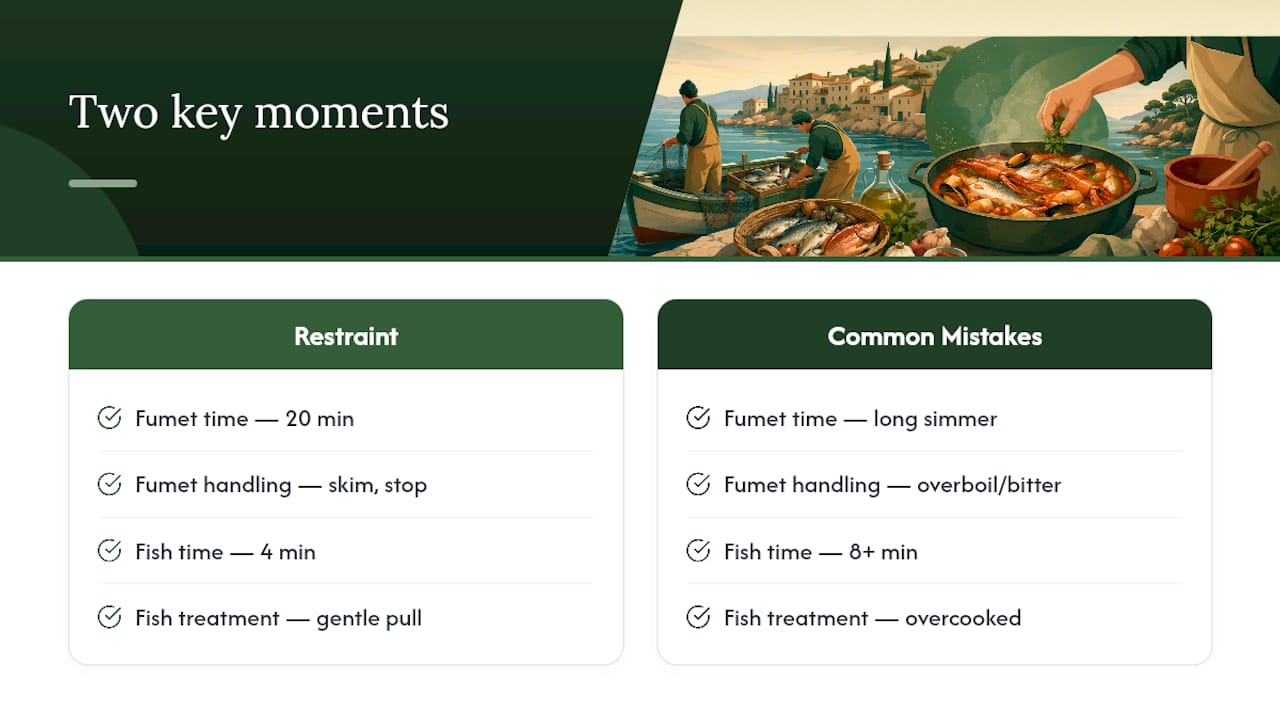
Most recipe write-ups treat suquet de peix as a formula: stock plus potatoes plus fish equals stew. That framing misses what actually separates a forgettable version from a memorable one, which is restraint at two specific moments, the fumet and the fish.
The conventional advice to “simmer until everything is cooked through” is exactly backward. Suquet rewards a cook who pulls things off the heat early, not one who waits for certainty. A fumet skimmed for exactly 20 minutes and then left alone beats one that simmers for an hour “to develop flavor.” Firm fish given four minutes beats fish given eight, every time.
If you take one thing from this guide, prioritize the fumet over the fish selection. Home cooks agonize over sourcing the perfect rock fish, but a bitter, overboiled stock will ruin even the best cabracho on the market. Get the stock right first. The fish choice matters less than people assume, and the timing matters more than almost anyone admits.
— YellowRock
Taste the Real Thing at Els Pescadors
Reading the recipe is one path to suquet de peix. Sitting down to a version built on the daily catch, with fumet and picada handled by cooks who’ve made it thousands of times, is another, and it’s the one that skips the guesswork on timing entirely.
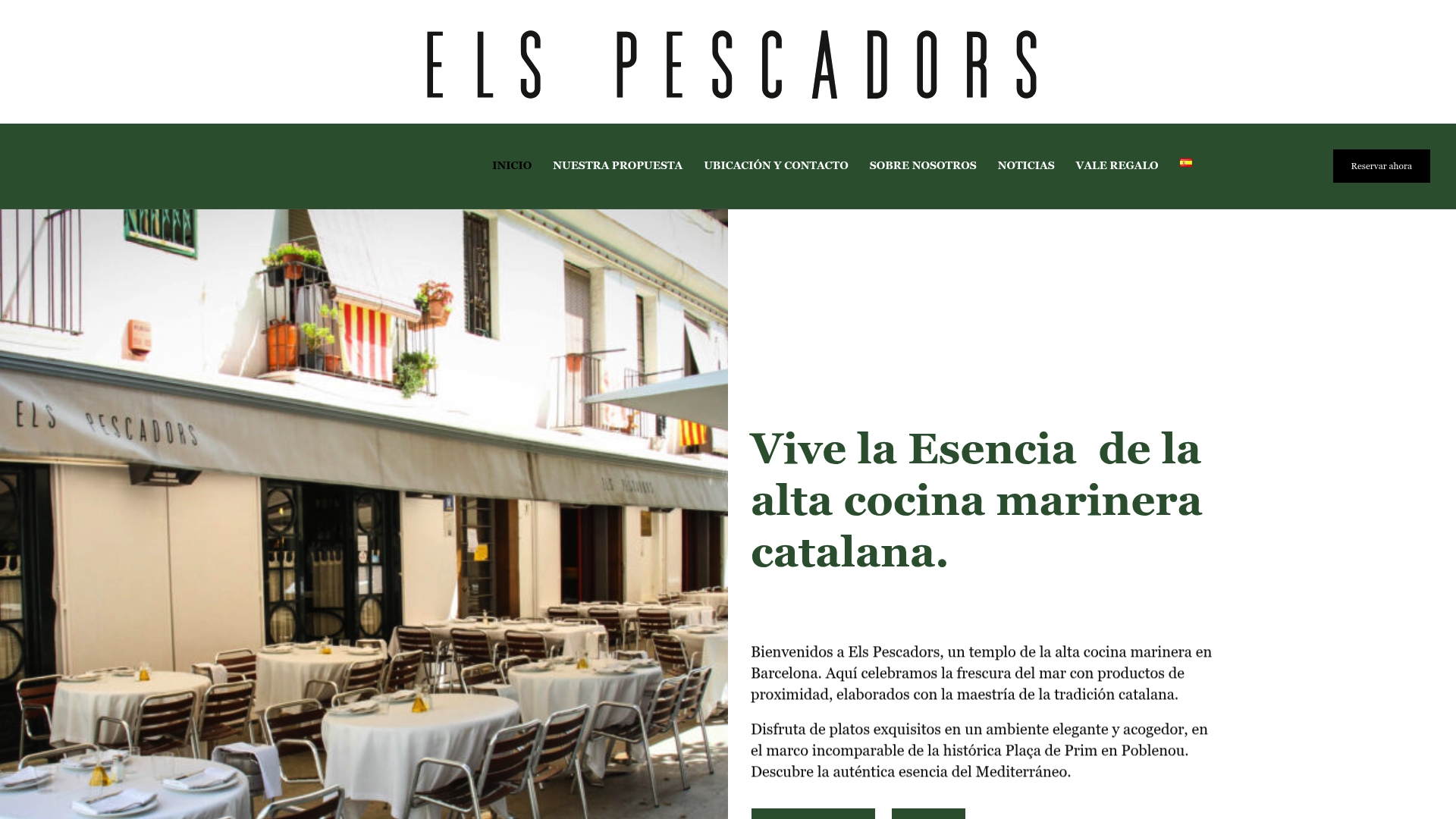
Els Pescadors, in Barcelona’s historic Poblenou district, serves suquet and other Catalan maritime classics built around what the boats bring in that day rather than a fixed menu written months in advance. That matters most for a dish this dependent on freshness. If you’re planning a group meal or a special occasion around Catalan seafood, the restaurant’s group dining menus are built for sharing dishes like this one family-style, the way suquet was always meant to be eaten. Check availability and reserve a table to taste a professionally made suquet before your next attempt at home.
Sources
- Suquet – Wikipedia (Spanish)
- Suquet de peix – Wikipedia (Catalan)
- ‘Suquet de peix’ (fish stew) — Cook & Taste
- Catalan Fish Stew (Suquet de Peix) | Sara Moulton
- Història i teoria del suquet — Museu de la Pesca
FAQ
What Are the Main Ingredients in Suquet de Peix?
The core ingredients are fish (often a mix of monkfish, hake, and rock fish), potatoes, onion, tomato, garlic, olive oil, a picada of almonds and parsley, and a fish fumet made from bones and heads.
How Do You Prepare a Classic Cruet de Peix?
Suquet de peix is made by building a fumet from fish bones, cooking a sofrito and potatoes in that stock, then finishing with a picada and adding the fish only for the last few minutes so it stays tender.
What Ingredients Go into a Basic Fish Soup?
A basic fish soup typically starts with fish bones or trimmings, onion, garlic, tomato, and water or wine, simmered gently to extract flavor before straining or adding cut fish; suquet builds on this base with added potatoes and a picada.
What Does “Suquet” Mean in Catalan?
“Suquet” comes from the Catalan word suc, meaning juice or broth, referring to the flavorful liquid the stew produces as it cooks with fish, potatoes, and picada.
Does Els Pescadors Serve Traditional Suquet de Peix?
Els Pescadors serves suquet de peix prepared with daily fresh catch from the Barcelona market, using traditional fumet and picada technique alongside seasonal shellfish additions.