A best-rated Barcelona restaurant earns that title through three measurable factors: culinary excellence recognized by bodies like the Michelin Guide, an atmosphere that shapes the entire guest experience, and a dining format that creates genuine engagement from the first course to the last. What makes a Barcelona restaurant best rated is never one thing alone. The city’s top establishments, including Disfrutar and ABaC, prove that food, setting, and experience design must work together to reach the highest tier. Barcelona holds 29 Michelin-starred restaurants in 2026, including four with three stars. That concentration of recognized excellence makes the city one of Europe’s most competitive dining destinations.
How does cuisine quality define a best-rated Barcelona restaurant?
Michelin stars are the most widely accepted standard for measuring culinary excellence. The Michelin Guide awards one star for “high-quality cooking worth a stop,” two stars for “excellent cooking worth a detour,” and three stars for “exceptional cooking worth a special journey.” Each level demands consistent execution, not just a single impressive dish. Stars are reassessed annually, which means a restaurant must maintain its standard every service, every season.
Disfrutar holds three Michelin stars and represents the most discussed example of award-worthy cooking in Barcelona. Its kitchen operates as a culinary laboratory, producing avant-garde Mediterranean dishes with progressive textures and flavors delivered interactively to guests. The meal is long and technically demanding, with theatrical elements built into each course. Disfrutar also received the Grand Prix Exceptionnel from the International Academy of Gastronomy for immense creativity. That award signals multi-dimensional acclaim that goes beyond the Michelin system.
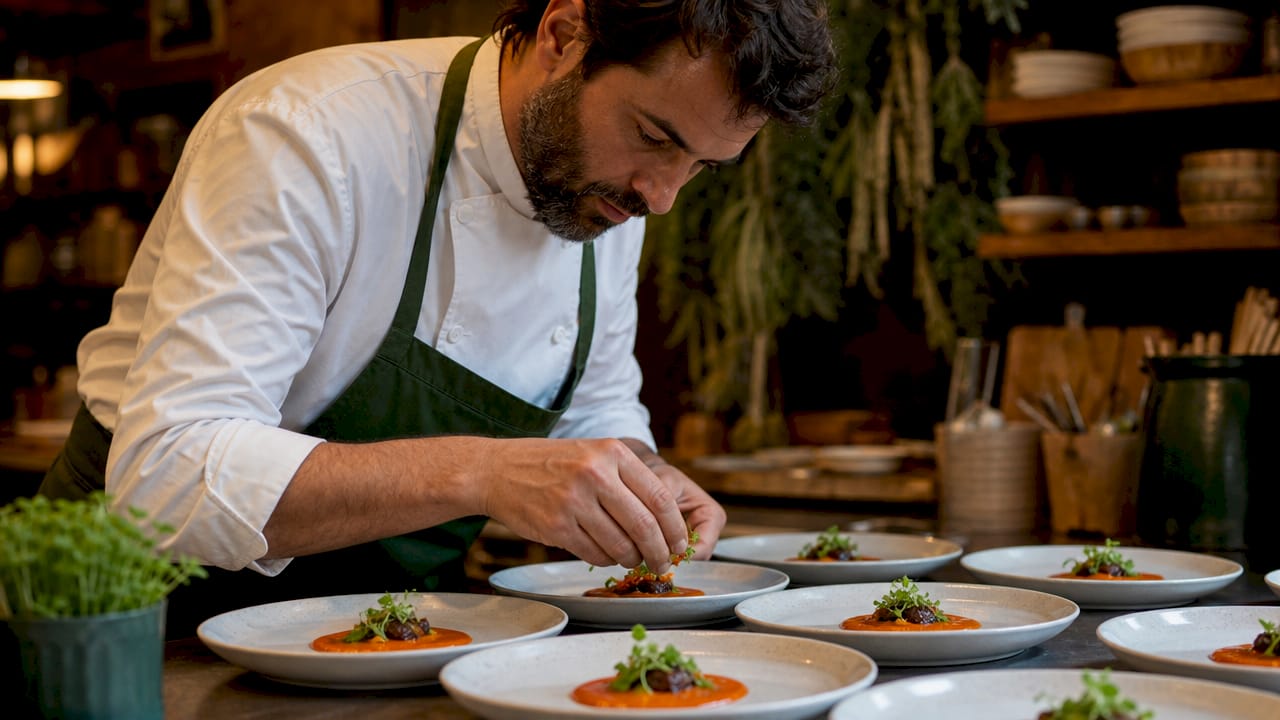
Michelin inspectors focus on cooking execution rather than concept or plating alone. This distinction matters because a beautifully presented dish with weak flavor will not earn stars, while a technically perfect but visually simple plate can. Consistency across visits is the deciding factor. A restaurant that delivers at the same level on a Tuesday lunch as a Saturday dinner is the one that earns and keeps recognition.
The contrast between traditional and innovative culinary styles also shapes how Barcelona restaurants are rated:
- Traditional Catalan cooking relies on seasonal ingredients, slow techniques, and recipes rooted in the region’s maritime and agricultural history.
- Avant-garde cooking, as practiced at Disfrutar, uses modern techniques to reinterpret familiar flavors in unexpected forms.
- Hybrid approaches blend both, using local ingredients with contemporary methods to create menus that feel rooted and original at the same time.
Pro Tip: When evaluating a restaurant’s culinary credentials, check whether it holds a current Michelin star rather than a historical one. Stars are reassessed annually, and a restaurant’s standing can change.
What role does atmosphere and setting play in making Barcelona restaurants best rated?
Atmosphere is not decoration. It is a functional part of the dining experience that affects how food tastes, how long guests stay, and how they describe the meal afterward. ABaC, one of Barcelona’s three-star restaurants, occupies a restored early 20th-century chateau with a tranquil garden. That setting creates a sense of arrival and separation from the city that primes guests for a focused, unhurried meal. Architecture and physical space actively shape guest perception of value and exclusivity.
Service delivery at top Barcelona restaurants adds another layer to the dining narrative. The best front-of-house teams manage timing, pacing, and interaction with the same precision the kitchen applies to cooking. A dish served too early or explained too briefly breaks the rhythm of the meal. Guests at three-star restaurants often describe service as “theater,” meaning the staff’s movements and communication are choreographed to support the food rather than distract from it.
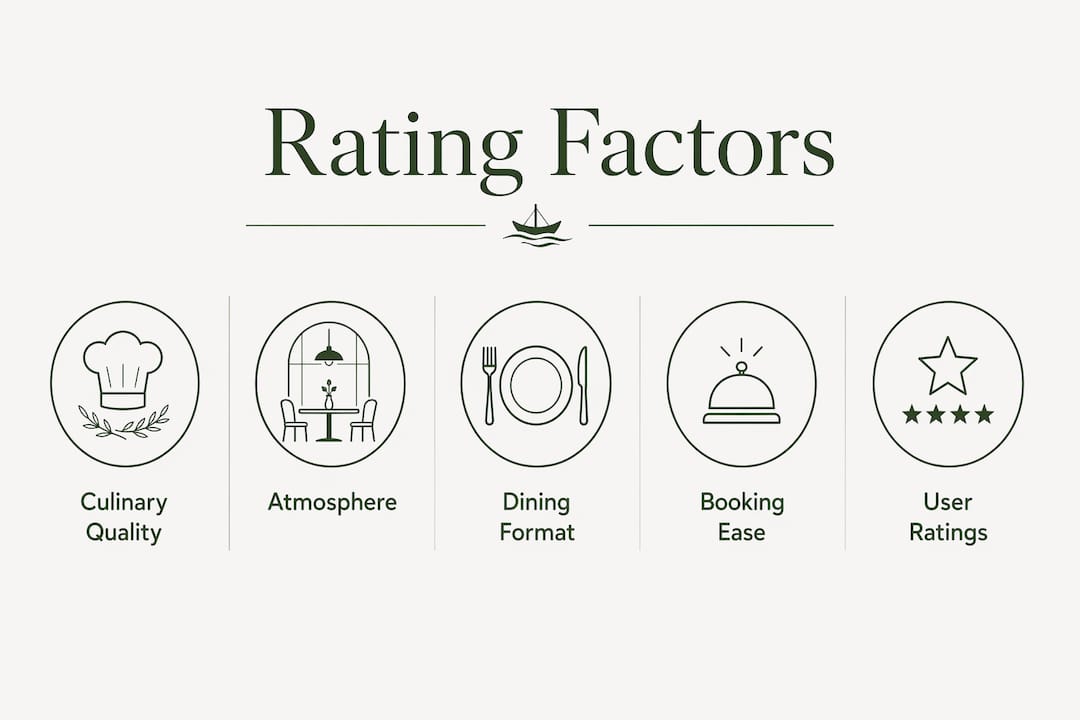
Rating platforms weight atmosphere alongside food, which means a restaurant with exceptional cooking but poor acoustics or uncomfortable seating can score lower than its culinary quality deserves. Ambience-related elements such as room acoustics, pacing, seating comfort, and staff professionalism cause variation in user reviews even when Michelin status remains stable. That gap between critic scores and user scores is real and worth understanding before booking.
Key atmosphere factors that influence top ratings in Barcelona:
- Physical setting: historic buildings, garden access, and distinctive architecture signal investment in the guest experience.
- Lighting and acoustics: rooms that are too bright or too loud undermine the focus a tasting menu requires.
- Service choreography: the timing of courses, the manner of explanation, and the warmth of interaction all contribute to the final impression.
- Exclusivity signals: private dining rooms, dedicated sommelier service, and personalized menus tell guests they are somewhere special.
For travelers curious about how atmosphere shapes dining perception, the interplay between décor, service, and setting is one of the clearest predictors of a memorable meal.
Pro Tip: Visit a restaurant’s website and look at photos of the dining room before booking. If the space looks generic or the tables are packed tightly together, the atmosphere score on review platforms will likely reflect that.
How do unique dining formats affect top ratings in Barcelona?
Tasting menus dominate Barcelona’s highest-rated restaurants. They are the format of choice at Disfrutar, ABaC, and most other establishments holding two or three Michelin stars. A tasting menu removes the pressure of individual ordering and replaces it with a curated sequence of courses designed to build in intensity, flavor, and surprise. The format demands full engagement from the guest, which is precisely why it generates such strong reactions, both positive and critical.
The structure of a top-tier tasting menu in Barcelona typically follows this progression:
- Snacks and amuse-bouche: small, playful bites that set the kitchen’s tone and signal the level of technical skill to come.
- Cold starters: lighter dishes that introduce the menu’s central ingredients or themes without overwhelming the palate.
- Warm starters and fish courses: the meal’s first substantial courses, often showcasing the chef’s signature techniques.
- Meat or main course: the structural center of the menu, usually the most complex and filling dish.
- Pre-dessert and dessert: a transition from savory to sweet that mirrors the opening snacks in playfulness and precision.
“Best-rated dining isn’t always comfortable or simple. High-engagement tasting menus with theatrical elements define many top Barcelona restaurants. Guests seeking simpler or ingredient-led flavors might prefer other options.” — Ministry of Foodies on Disfrutar
The pacing of a tasting menu is as important as the food itself. A meal at Disfrutar runs long and technical, with each course timed to allow digestion, conversation, and anticipation. That rhythm is intentional. When the pacing works, guests describe the meal as immersive. When it fails, the same meal feels exhausting. The best-rated restaurants in Barcelona treat timing as a craft equal to cooking.
Tasting menus demand full engagement in timing, sequence, and interaction, which directly influences subjective ratings. A guest who arrives expecting a quick dinner will rate the experience differently than one who has researched the format and arrived ready for a two-hour or three-hour commitment. Format fit between restaurant and guest is one of the most underappreciated factors in how top Barcelona restaurants are rated.
What practical factors influence how Barcelona restaurants are rated?
Booking scarcity shapes perception before a guest even sits down. Top restaurants in Barcelona often require advance booking of 8–12 weeks due to high demand. That lead time creates anticipation and raises the psychological value of the meal. A reservation secured months in advance feels more significant than a walk-in table, and that feeling influences how guests rate the experience afterward.
Rating platforms do not all measure the same things. Some platforms weight food, ambience, and value differently in their scoring. One methodology, for example, allocates food 50%, ambience 30%, and value 20% to the overall score. That weighting explains why a restaurant with extraordinary cooking but a plain dining room scores lower than its Michelin status might suggest.
| Rating signal | What it measures | Limitation |
|---|---|---|
| Michelin stars | Cooking execution and consistency | Does not score ambience or value |
| User review scores | Overall guest satisfaction | Subjective and visit-specific |
| Industry awards | Creativity and innovation | Judged by peers, not guests |
| Platform ratings | Weighted mix of food, ambience, value | Methodology varies by platform |
User ratings and Michelin stars are different signals. A restaurant can maintain consistent cooking quality but vary in traveler satisfaction depending on service and atmosphere on particular visits. Travelers planning a trip to Barcelona’s highest-rated restaurants should consult both critic scores and recent user reviews to get a complete picture.
For travelers planning their visit, booking tips for top Barcelona restaurants can make the difference between securing a table and missing out entirely. Booking 8–10 weeks ahead for three-star restaurants is not excessive. It is the standard.
Key Takeaways
The best-rated restaurants in Barcelona earn that status through culinary excellence, immersive atmosphere, and a dining format that matches what engaged food travelers actually want.
| Point | Details |
|---|---|
| Michelin stars measure cooking quality | Barcelona holds 29 starred restaurants in 2026, with four at the three-star level. |
| Atmosphere is a rated factor | Setting, acoustics, and service choreography directly affect user scores and overall perception. |
| Tasting menus require guest readiness | Format fit between restaurant style and guest expectations shapes satisfaction and ratings. |
| Booking scarcity raises perceived value | Top venues require 8–12 weeks advance booking, which builds anticipation and influences experience. |
| Rating platforms use different weights | Food, ambience, and value are scored differently across platforms, causing gaps between critic and user ratings. |
The part of Barcelona dining most travelers overlook
The most common mistake food travelers make in Barcelona is treating a Michelin star as a guarantee of personal satisfaction. It is not. A three-star restaurant like Disfrutar delivers an extraordinary technical achievement. But if you arrive expecting a relaxed, ingredient-forward meal, you will leave confused rather than delighted. The star measures the kitchen’s mastery. It does not measure whether that style of mastery suits you.
My honest view is that the best-rated restaurant for any individual traveler is the one whose format, pace, and culinary philosophy align with how that person actually eats. A guest who loves bold, simple flavors and a convivial atmosphere will rate a beautifully executed traditional Catalan seafood restaurant higher than a three-star tasting menu, regardless of what the Michelin Guide says. That is not a failure of taste. It is an honest match between expectation and experience.
The practical implication is this: before booking any top-rated restaurant in Barcelona, read descriptions of the dining format, not just the food. Check whether the meal runs two hours or four. Understand whether the menu is fixed or flexible. Look at recent guest reviews for comments on pacing and service, not just the dishes. The restaurants that earn the highest personal ratings are the ones where guests arrive knowing exactly what they signed up for.
Barcelona’s dining scene is also shifting. Chefs are increasingly building menus around seasonal fishing and local sourcing, which means the best meals change month to month. A restaurant that earns a five-star review in october may offer a different but equally compelling menu in march. That dynamism is part of what makes the city’s food culture worth returning to.
— YellowRock
Elspescadors and what a best-rated Barcelona experience looks like
Elspescadors brings together the factors that define a fine seafood restaurant in Barcelona: fresh daily catch, authentic Catalan maritime recipes, and a setting in the historic Poblenou district that feels genuinely removed from the tourist circuit. The kitchen works with seasonal, locally sourced ingredients and builds its menu around what the sea offers each day.
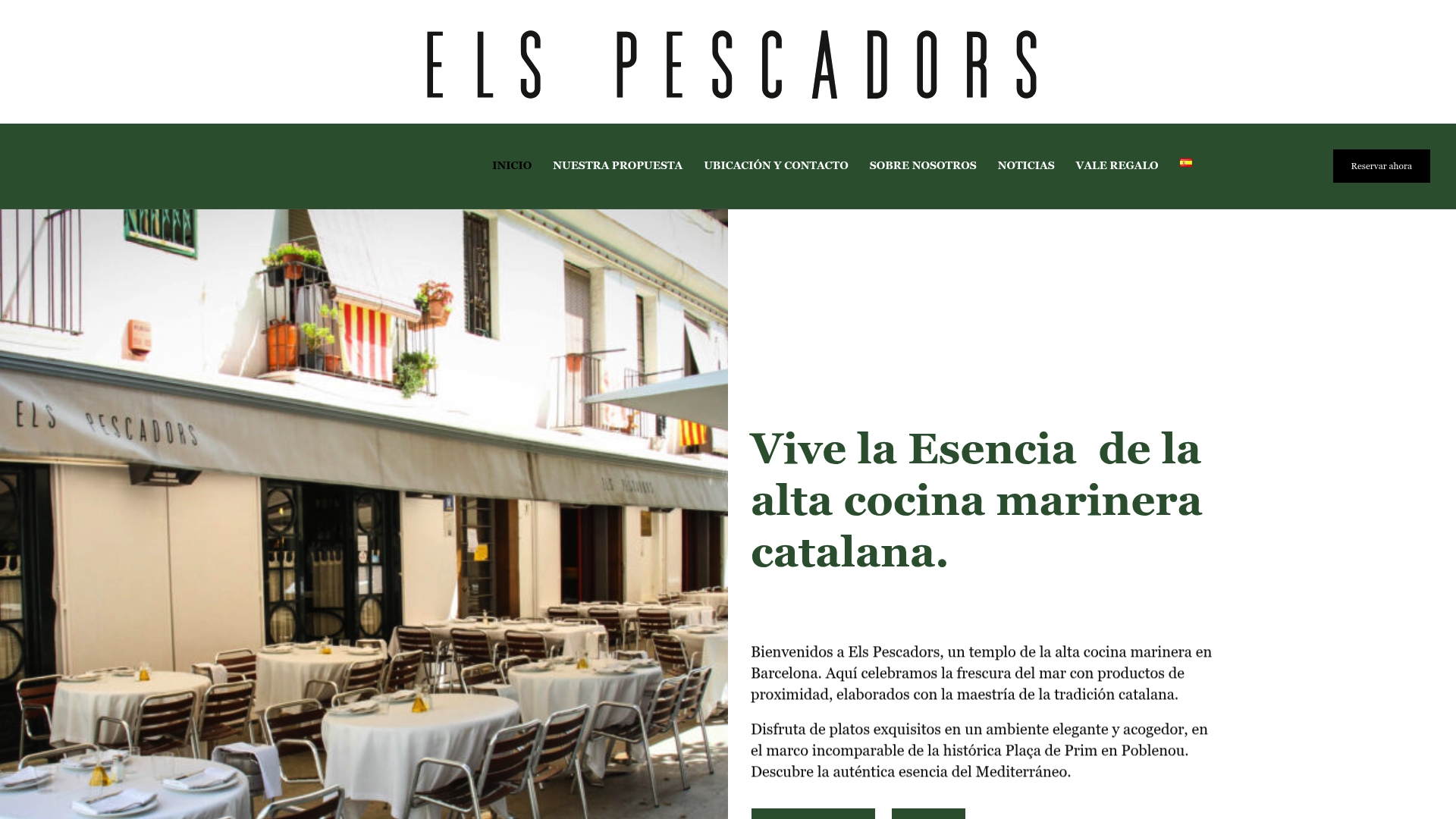
The restaurant’s approach to group dining makes it a strong choice for travelers who want a shared, convivial experience rather than a solitary tasting menu. Elspescadors offers group seafood dining formats designed for tables that want to eat well together without the formality of a multi-hour progression. For travelers ready to experience what Catalan maritime cuisine actually tastes like, the restaurant’s full dining proposal is worth reading before you book.
FAQ
What are the main criteria for a best-rated Barcelona restaurant?
The main criteria are culinary quality measured by Michelin stars or equivalent awards, atmosphere including setting and service, and a dining format that matches guest expectations. Barcelona’s 29 Michelin-starred restaurants in 2026 represent the city’s highest-rated establishments across all three criteria.
How far in advance should I book a top-rated restaurant in Barcelona?
Most top-tier Barcelona restaurants require 8–12 weeks advance booking. Securing a reservation that far ahead is standard practice, not excessive, for three-star venues like ABaC or Disfrutar.
Are Michelin stars the same as user review ratings?
No. Michelin stars measure cooking execution and consistency, while user ratings reflect overall satisfaction including service, ambience, and value. A restaurant can hold three stars and still receive mixed user reviews depending on individual visits.
What is Barcelona most famous for in food?
Barcelona is famous for Catalan cuisine, which combines Mediterranean seafood, seasonal produce, and traditional techniques with a strong culture of culinary innovation. The city’s concentration of Michelin-starred restaurants makes it one of Europe’s leading fine dining destinations.
What should I eat at a top-rated Barcelona restaurant?
At the highest-rated establishments, tasting menus are the standard format and the best way to experience the kitchen’s full range. For seafood-focused dining, dishes built around the daily fresh catch and traditional Catalan rice preparations represent the city’s most authentic flavors.