Most food lovers arrive in Barcelona with high expectations and leave with at least one meal they regret. The promise of fresh Mediterranean seafood is real, but so is the sprawling tourist infrastructure built to profit from diners who don’t know what to look for. This guide to Mediterranean seafood dining gives you the knowledge to tell the difference between a menu printed on laminated plastic and a plate that genuinely reflects centuries of Catalan maritime tradition. We cover freshness, ordering customs, market timing, and the local rituals that separate an ordinary meal from an unforgettable one.
Table of Contents
- Understanding authentic Mediterranean seafood dining
- Preparing for a Mediterranean seafood dining experience in Barcelona
- How to order and enjoy Mediterranean seafood dishes like a local
- Common pitfalls and tips for a perfect Mediterranean seafood dining experience
- A fresh perspective on authentic Mediterranean seafood dining
- Discover authentic Catalan seafood dining at Els Pescadors
- Frequently asked questions
Key Takeaways
| Point | Details |
|---|---|
| Focus on freshness | The freshest seafood is central to authentic Mediterranean dining, often available best early morning and midweek in Barcelona markets. |
| Keep it simple | Mediterranean seafood shines when prepared simply with olive oil, lemon, and grilling that highlights natural flavors. |
| Order like a local | Ordering whole grilled fish and seafood meze, and dining during local hours, enhances your authentic experience. |
| Avoid tourist traps | Look for local dining cues like cloth napkins and busy authentic venues to avoid tourist menus with frozen dishes. |
| Seasonality matters | Choosing seasonal seafood supports sustainability and ensures traditional taste and quality in Mediterranean cooking. |
Understanding authentic Mediterranean seafood dining
The single most important thing to understand about Mediterranean seafood is that quality starts long before the kitchen. Authentic Mediterranean seafood ordering begins with the ingredient, not the recipe. What was caught today? What’s in season right now? Those two questions drive the menu at any restaurant worth your time, and the preparation follows from the answer. Olive oil, lemon, a wood-fired grill. That’s often all you need.
This isn’t minimalism for its own sake. It’s a philosophy built on trust in the ingredient. When a fish is genuinely fresh, complex sauces would actually work against it. The clean, briny sweetness of a just-caught sea bream doesn’t need to be masked. It needs to be respected.
A few things define authentic Mediterranean seafood dining:
- Whole fish, not fillets. At traditional Mediterranean fish taverns, whole grilled fish served one per person is the standard. Fillets are convenient, but they hide age. Whole fish doesn’t lie.
- Shared meze culture. Before the main fish arrives, the table typically fills with small plates: grilled octopus, fried calamari, marinated anchovies. Shared dining isn’t a trend here. It’s the structure.
- Seasonality as the menu. A great restaurant’s specials change week to week. The benefits of seasonal seafood go beyond taste. They include sustainability, environmental impact, and alignment with what local fishing communities actually do.
- Simplicity in seasoning. Salt, oil, lemon, maybe a handful of fresh herbs. If a dish requires eight condiments to be enjoyable, the seafood itself probably wasn’t the starting point.
“Authentic Mediterranean seafood ordering starts by focusing on the ingredient and letting simplicity do the work rather than relying on complex sauces.” — Greek Fish and Seafood Guide
The traditional maritime cuisine of Barcelona reflects all of this. Catalan cooking has its own dialect within the broader Mediterranean conversation, drawing on a distinct fishing culture that stretches back to medieval port communities.
Preparing for a Mediterranean seafood dining experience in Barcelona
Barcelona is one of the most visited cities in Europe, which means its culinary scene exists in two parallel realities: the authentic one locals live in, and the tourist-facing version built around convenience and margin. Knowing which one you’re walking into starts before you sit down.
Market timing matters more than most visitors realize. Seafood at La Barceloneta is freshest before 9am, and popular cuts can be gone by noon. If you go later, you may find better prices as vendors clear remaining stock, but variety drops sharply. Think of the market not just as a place to buy ingredients but as a reference point. Seeing what’s abundant at 8am tells you what a good restaurant should be serving for lunch.
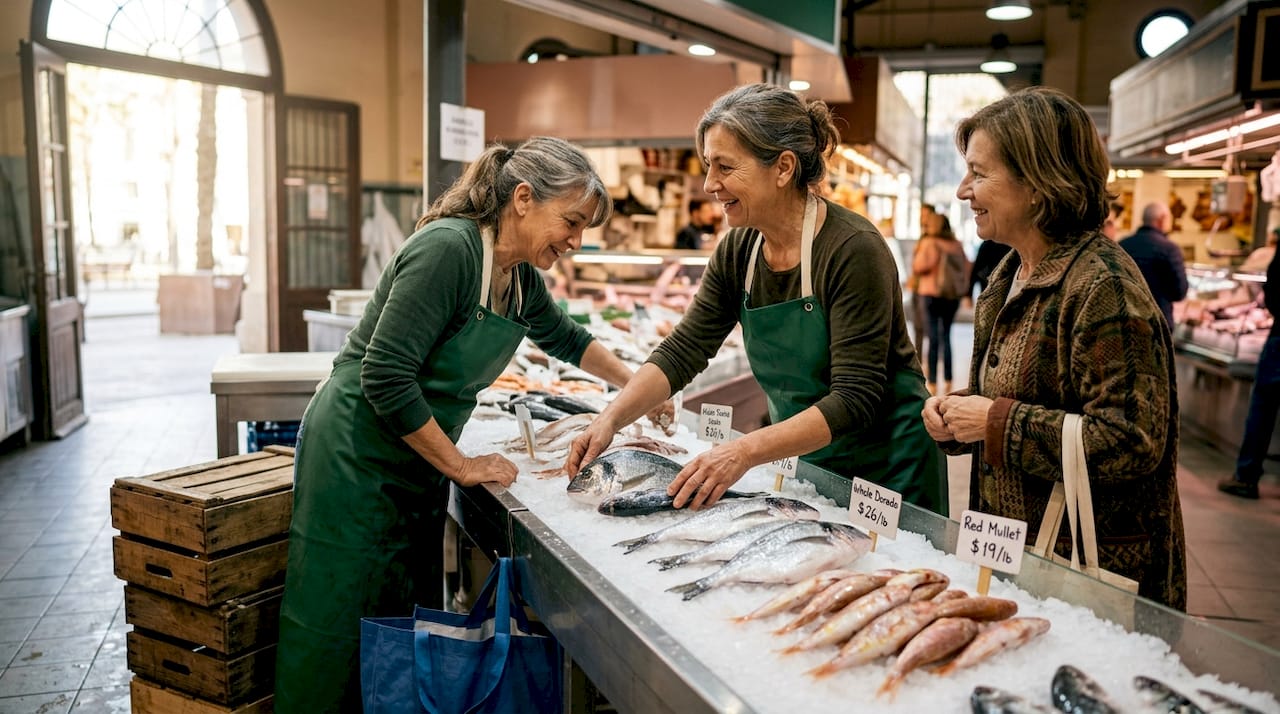
Day of the week shapes freshness. Many diners don’t know this: Monday fish is typically not at peak freshness because boats don’t go out on Sundays. Tuesday through Friday gives you the most reliable access to fresh catch. Saturday works if you’re at the market early. Avoid assuming any seafood restaurant is equally good on any day.
| Day | Freshness level | Notes |
|---|---|---|
| Monday | Lower | No Sunday fishing; older stock |
| Tuesday to Friday | Best | Peak freshness, widest variety |
| Saturday | Good (early) | Arrive before 10am |
| Sunday | Variable | Markets often closed; limited supply |
Signs you’ve found a genuinely local place:
- Cloth napkins, not paper
- A handwritten or chalkboard daily menu
- Noise from a local crowd, not tour groups
- Staff who can tell you what came in that morning
- No photos of dishes on the menu
Pro Tip: Walk one block away from the beachfront before sitting down. Boardwalk-adjacent restaurants near Barceloneta often operate on volume, not quality. The difference a single street makes can be dramatic. Understanding why requires knowing what makes a fine seafood restaurant in this city.
If you’re committed to eating the best seafood Barcelona offers, read about choosing local fish in Barcelona before your trip. It reframes the concept of freshness in ways that change how you order.
How to order and enjoy Mediterranean seafood dishes like a local
Ordering seafood in a Mediterranean restaurant the right way isn’t complicated. It just requires a few mental shifts from what most Western dining habits assume.
Start with the catch, not the menu. Ask what came in today. A good restaurant will have an answer. A tourist trap won’t care about the question.
Here’s how a well-ordered Mediterranean seafood meal typically unfolds:
- Begin with shared plates. Grilled octopus, calamari, a plate of anchovies or cured fish. These aren’t starters in the Western sense; they’re the opening conversation of the meal.
- Order whole fish for the main. One fish per person is the norm at traditional Mediterranean fish restaurants, seasoned simply with olive oil and lemon. Ask which fish is freshest, not which is most popular.
- Pace yourself. In Barcelona’s authentic seafood culture, lunch is a high-stakes ritual. Sitting before 2pm is considered premature by locals. Finishing before 4pm is rushing. The meal is an event, not a transaction.
- Engage with the ritual of eating. Peel your own prawns. Break open sea urchin. Dig for the socarrat, the caramelized rice crust at the bottom of a properly made paella. These are acts of participation, not inconvenience.
- Stick to seafood-only paella. Mixed paella with meat and seafood together is not a local tradition. It’s a tourist compromise. If the restaurant offers it proudly, that’s information.
Pro Tip: When ordering seafood portions and checking freshness, a simple test is eye clarity. Whole fish with bright, clear eyes and firm flesh was caught recently. Cloudy eyes and soft skin tell the opposite story.
Want to know where locals actually go? The best authentic seafood spots in Barcelona for 2026 include a mix of traditional family-run places and refined restaurants where technique meets heritage.
Common pitfalls and tips for a perfect Mediterranean seafood dining experience
Even experienced diners fall into traps that are entirely avoidable. Here’s where things typically go wrong and how to get ahead of them.
The tourist menu trap. Near high-traffic areas, certain restaurants operate on tourist menus that look appealing and price appropriately but deliver frozen rice, defrosted shrimp, and bottled sauces dressed as fresh cuisine. The dead giveaway is a photo-heavy menu outside the door and a host aggressively inviting you in.
Signs of authenticity worth looking for:
- Loud local lunch crowds, especially families
- Waitstaff who push back if you try to order incorrectly (“the lubina today is better than the dorada”)
- A wine list focused on Catalan and Spanish producers, not international brands
- Bread that wasn’t made yesterday
“The experience can become a ‘tourist menu’ trap near high-traffic areas. The solution is to look for signs like cloth napkins and to follow local dining patterns.” — Barcelona Seafood Guide
Ignoring the seasonal calendar. Ordering species out of their natural season doesn’t just risk inferior flavor. It suggests the restaurant isn’t sourcing locally. Red mullet in summer, monkfish in fall, sea bass year-round but at its best in colder months. Knowing even a rough seasonal calendar puts you ahead of most diners.
Rushing the meal. Mediterranean dining traditions explained in most travel guides focus on food but skip the rhythm. A two-hour lunch isn’t inefficiency. It’s the point. Allow the pace to slow down. That mental shift improves the actual sensory experience of eating.
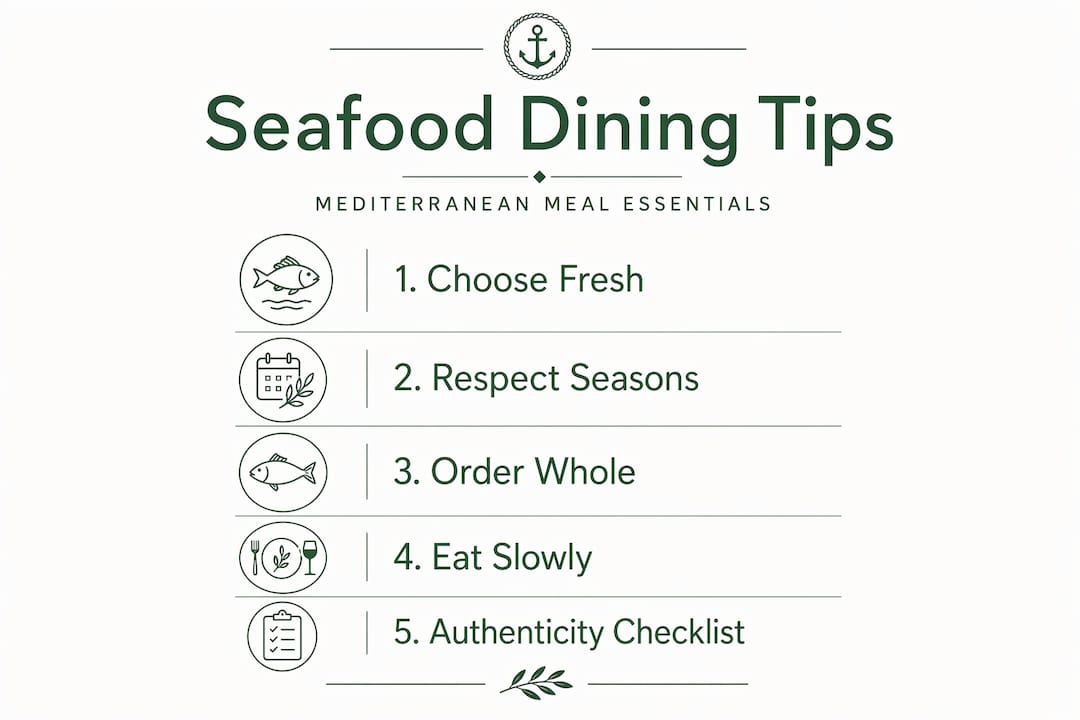
Pro Tip: Before you book anywhere, spend five minutes on the authenticity checklist for Barcelona seafood restaurants. It covers everything from sourcing practices to how a kitchen’s relationship with local fishermen signals real commitment.
A fresh perspective on authentic Mediterranean seafood dining
Here’s something the standard Mediterranean dining experience guide won’t tell you: the fetishization of “authenticity” can become its own trap.
Food tourists sometimes arrive in Barcelona with a checklist mentality. Did I eat at a local market? Did I try the socarrat? Did I avoid the tourist menus? And in obsessing over the checklist, they miss the actual experience. Authentic Mediterranean seafood culture isn’t a credential you earn. It’s a way of being present at a table.
The most meaningful insight from spending time in serious Mediterranean seafood kitchens is this: the best meals happen when diners let the restaurant lead. Order what’s fresh today, not what you planned to order before you arrived. Let the waiter talk you out of a dish that isn’t at its best right now. That negotiation, that small surrender of control, is what Mediterranean dining actually feels like from the inside.
There’s also a harder truth about seasonality. Most Mediterranean food culture tips focus on freshness as a consumer benefit. But seasonal fishing traditions in Catalan cuisine exist not because they produce the best Instagram moment, but because they were built around what the sea could sustainably offer. Choosing seasonal seafood is participation in an ecosystem, not a lifestyle preference.
Tourist-heavy areas dilute this. They have to. Volume demands compromise. The further you get from mass tourism infrastructure, the closer you get to the original logic of the cuisine. That often means traveling to quieter neighborhoods, trusting smaller rooms, and eating at unfashionable hours.
The real Mediterranean dining checklist is short: Is this fish from today? Does the kitchen know where it was caught? Is the person serving me invested in what I’m eating? If the answers are yes, everything else follows.
Discover authentic Catalan seafood dining at Els Pescadors
Now that you’re equipped to recognize and enjoy Mediterranean seafood dining at its finest, the next step is finding a table that delivers on every standard this guide has outlined.
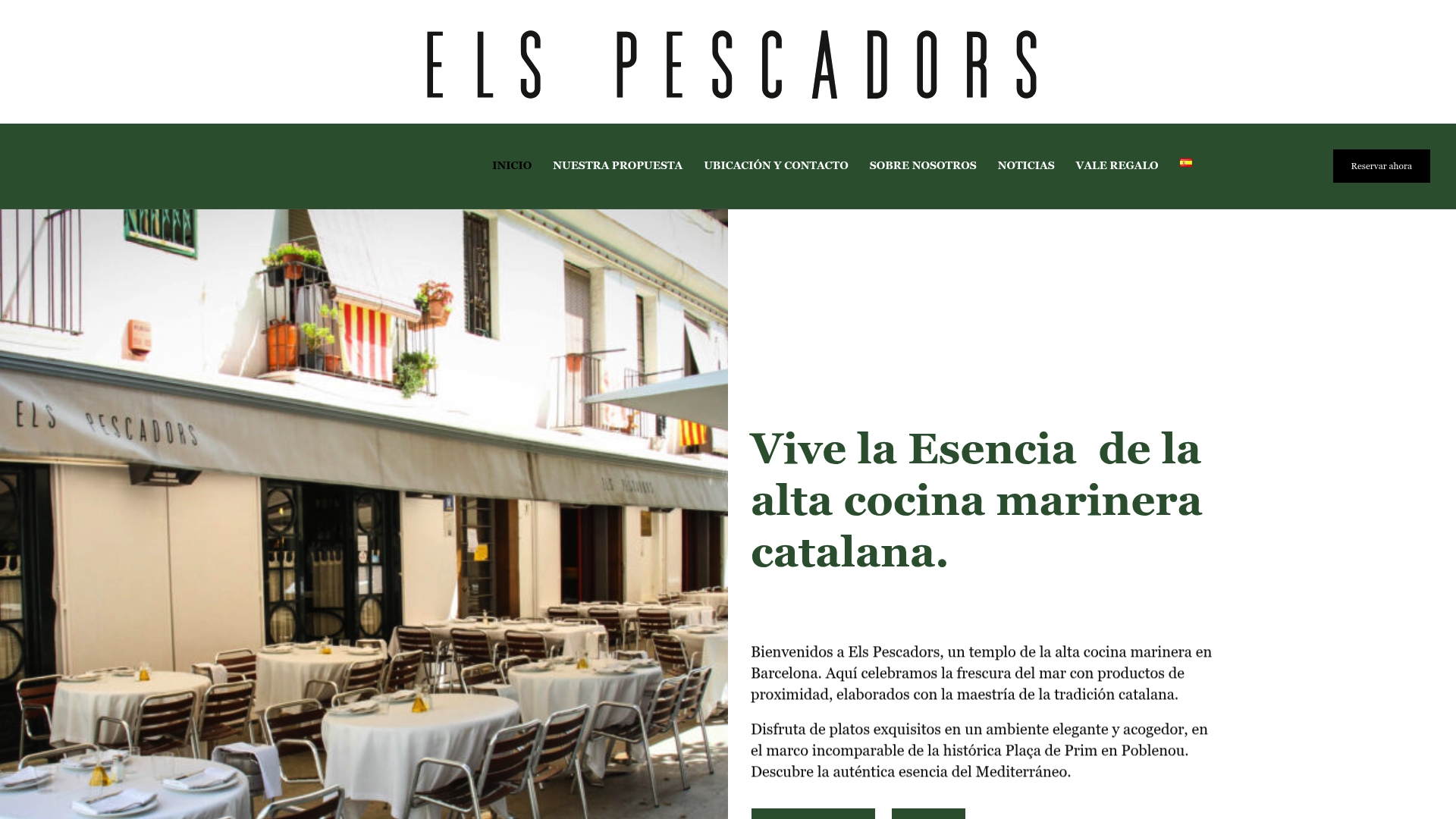
Els Pescadors, tucked into the historic Plaça de Prim in Barcelona’s Poblenou district, is built around exactly the principles covered here. Market-fresh catch, seasonal Catalan flavors, and a kitchen with genuine relationships with local fishermen. The tasting menu is designed around what’s exceptional right now, not what’s convenient to source. You can explore our full dining proposal to understand the approach before you arrive. For anyone serious about what fine seafood dining in Barcelona can actually be, Els Pescadors is the reference point.
Frequently asked questions
What is the best time to buy seafood in Barcelona for optimal freshness?
Seafood is freshest before 9am at markets like La Barceloneta, and Tuesday through Friday offers the best variety since boats don’t sail on Sundays, leaving Monday stock older.
How can I avoid tourist traps when dining on seafood in Barcelona?
Look for restaurants with cloth napkins, chalkboard menus, and locals filling the room. The tourist menu trap is most common near high-traffic beach areas with photo-heavy menus and aggressive hosting.
What seafood dishes are typical in Mediterranean dining?
Expect whole grilled fish served one per person with olive oil and lemon, shared meze plates like grilled octopus and calamari, and seafood-only paella where the crispy socarrat at the bottom is the mark of proper preparation.
Why is seasonality so important in Mediterranean seafood dining?
Seasonality ensures freshness and quality while supporting sustainable fishing practices. In Catalan cuisine specifically, seasonal fishing traditions reflect a long-standing relationship between coastal communities and the rhythms of the sea.