Ordering seafood in Spain sounds simple until you realize how easy it is to end up with a plate designed for tourists rather than one rooted in centuries of coastal tradition. Spain’s coastline stretches across multiple distinct regions, each with its own fishing heritage, preferred ingredients, and cooking techniques. Catalonia, in particular, has developed a maritime cuisine so layered and specific that it deserves its own roadmap. This guide walks you through the most essential traditional Spanish seafood dishes, with a focus on authentic Catalan examples, so you can order with confidence and eat like a local.
Table of Contents
- What makes a Spanish seafood dish traditional?
- Essential Catalan seafood stews
- Fideuà: The noodle-based seafood classic
- Seafood tapas: Gambas al ajillo and beyond
- Comparing Spain’s must-try traditional seafood dishes
- Why authentic seafood matters: Beyond the tourist menu
- Experience authentic Catalan seafood at its best
- Frequently asked questions
Key Takeaways
| Point | Details |
|---|---|
| Catalan stews stand out | Dishes like Suquet de peix and Zarzuela offer authentic Catalan seafood flavors using local ingredients. |
| Fideuà versus paella | Fideuà is a noodle, rather than rice-based, seafood dish found throughout Catalonia and Valencia. |
| Seafood tapas are essential | Small plates such as Gambas al ajillo or calamares a la romana are classic ways to enjoy Spanish seafood. |
| Comparison aids choice | Comparing key dishes by style helps you order the right dish for your appetite and curiosity. |
| Seek authenticity | Choosing traditional plates and local restaurants leads to a richer, more memorable Spanish food experience. |
What makes a Spanish seafood dish traditional?
The word “traditional” gets thrown around on menus constantly, but in the context of Catalan maritime cuisine, it carries real weight. A genuinely traditional dish meets several concrete criteria: it uses locally caught seafood, follows a recipe with historical roots in the region, and relies on preparation methods passed down through generations of fishing communities.
In Catalonia, a few ingredients appear again and again in authentic seafood cooking. Olive oil, garlic, tomato, saffron, and almonds form the backbone of many classic preparations. The essential Catalan seafood species include monkfish, squid, prawns, mussels, and various rock fish pulled directly from the Mediterranean. These aren’t interchangeable with frozen imports. The freshness and variety of the local catch shape the flavor of every dish.
One of the most telling signs of authenticity is the use of picada, a paste made from ground almonds, garlic, and sometimes toasted bread or hazelnuts. As this classic stew recipe demonstrates, suquet de peix is a traditional Catalan fish stew featuring monkfish, mussels, squid, prawns, rock fish, potatoes, and finished with a picada (almond-garlic paste). That finishing touch is not decoration. It thickens the broth and adds a nutty, savory depth that no shortcut can replicate.
Here’s what to look for when evaluating whether a seafood dish is truly traditional:
- The menu changes seasonally or daily based on the catch
- Dishes are named in Catalan or reference specific regional preparations
- Stews and braises use picada or sofrito as a base
- The restaurant can tell you where the fish came from
- Preparation methods involve slow cooking, open fire, or traditional clay pots
Pro Tip: Ask your server what came in fresh that morning. Any restaurant serious about traditional Catalan cooking will know the answer immediately and often be proud to share it.
Essential Catalan seafood stews
Stews are where Catalan maritime cuisine truly shines. They reflect the resourcefulness of fishing communities who built complex, deeply flavored dishes from whatever the sea offered that day. Two stews stand above the rest in terms of historical importance and flavor.
Suquet de peix is arguably the most iconic Catalan seafood dish. Fishermen originally made it on their boats using the smallest, least sellable fish from the day’s catch. Over time, it evolved into a celebrated restaurant dish. The traditional Catalan fish stew features monkfish, mussels, squid, prawns, rock fish, and potatoes, all finished with that essential picada. The potatoes absorb the broth beautifully, making every spoonful rich and satisfying. A good suquet should have a thick, almost velvety consistency, not a thin, watery soup.
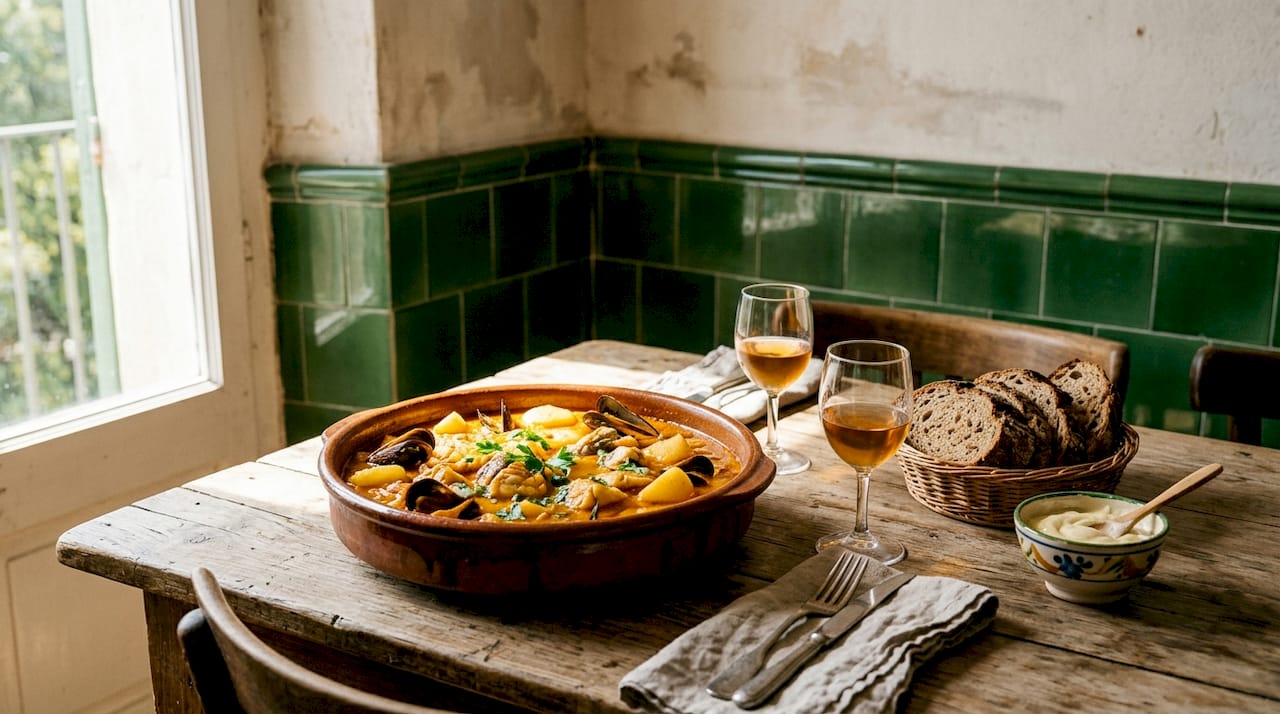
Zarzuela de mariscos takes a slightly different approach. Where suquet leans toward fin fish and potatoes, zarzuela is shellfish-forward and more theatrical in presentation. A Spanish seafood stew like zarzuela includes squid, mussels, cod, langoustines, and shrimp in a paprika-tomato broth, often enriched with picada. The word “zarzuela” itself refers to a Spanish theatrical form, and the dish lives up to the name with its colorful, dramatic mix of shellfish piled high in the bowl.
You can explore more about Catalan seafood stews and the broader role of seafood in Catalan cooking to understand how deeply these dishes are woven into the region’s identity.
| Feature | Suquet de peix | Zarzuela de mariscos |
|---|---|---|
| Primary protein | Rock fish, monkfish | Shellfish mix (langoustines, mussels, shrimp) |
| Base | Sofrito with potatoes | Paprika-tomato broth |
| Finishing touch | Picada (almond-garlic paste) | Picada (almond-garlic paste) |
| Texture | Thick and hearty | Rich and saucy |
| Origin | Fishing boats of Catalonia | Catalan coastal towns |
| Best paired with | Crusty bread | White wine and bread |
Signs that you’re eating a genuine local stew:
- The broth has visible depth of color from slow-cooked sofrito
- Picada is added at the end, not stirred in from a jar
- The fish is whole or in large pieces, not pre-cut fillets
- The stew is served in a traditional clay pot or wide, shallow bowl
- The aroma is complex, layered, and unmistakably Mediterranean
Studies on Spanish regional gastronomy consistently show that suquet de peix and zarzuela appear on menus across more than 70 percent of traditional seafood restaurants in Catalonia, making them the most reliable benchmark dishes to seek out when visiting the region.
Fideuà: The noodle-based seafood classic
Most visitors to Spain arrive knowing about paella. Fewer know about fideuà, and that’s a missed opportunity. This dish deserves just as much attention.
Fideuà replaces the rice of a traditional paella with short, thin noodles called fideos. The noodles are toasted before cooking, which gives them a slightly nutty flavor and a texture that’s firm on the outside and tender inside. According to the fideuà origin story, this is a Catalan and Valencian seafood pasta dish using short noodles, squid, shrimp, mussels, and monkfish, built on a sofrito of tomatoes, peppers, saffron, and fish stock.
The cooking method is what separates a great fideuà from a mediocre one. The noodles are cooked in the pan itself, absorbing the fish stock and saffron as they go. Toward the end, the heat is increased so the bottom layer of noodles crisps up, forming what Catalans call the socarrat, a caramelized, slightly crunchy base that is considered the best part of the dish. If you’re familiar with preparing authentic seafood paella, you’ll recognize this technique immediately.
How to spot an expertly made fideuà:
- The noodles are short and slightly curved, not long pasta
- The color is golden from saffron, not artificially bright yellow
- There’s a visible socarrat layer at the bottom of the pan
- The seafood is fresh and added in stages, not all at once
- The dish is served in the same pan it was cooked in
Pro Tip: Always request alioli, a Catalan garlic mayonnaise, alongside your fideuà. Stirring a small spoonful into the dish adds richness and balances the brininess of the seafood. It’s not optional in Catalonia. It’s the way the dish is meant to be eaten.
Seafood tapas: Gambas al ajillo and beyond
Not every authentic Spanish seafood experience needs to be a full sit-down meal. Tapas culture is one of Spain’s greatest contributions to world dining, and the seafood tapas tradition runs deep.
Gambas al ajillo is the tapa most people encounter first, and for good reason. Gambas al ajillo features shrimp cooked in garlic and olive oil with chili, a classic Spanish tapa that takes less than ten minutes to prepare but delivers enormous flavor. The key is the quality of the olive oil and the freshness of the shrimp. When done right, the oil becomes infused with garlic and a gentle heat from the chili, and you’ll want to mop up every last drop with bread.
Beyond gambas al ajillo, the world of fresh Catalan seafood tapas opens up considerably. Calamares a la romana are squid rings in a light, crispy batter, fried quickly so the squid stays tender. Boquerones en vinagre are fresh anchovies marinated in white wine vinegar and olive oil, a dish that showcases how good simple, high-quality ingredients can be. Chipirones are small whole squid, often grilled or cooked in their own ink, and represent one of the most distinctly Catalan preparations you’ll find.
Tips for spotting quality seafood tapas:
- The tapa is prepared to order, not sitting under a heat lamp
- The seafood is identifiable, not processed or reformed
- The olive oil used is extra virgin and present in generous amounts
- The menu lists the origin or type of seafood, not just the preparation method
- The bar or restaurant has a visible daily specials board reflecting what’s fresh
“Tapas are not just small plates. They are a philosophy of eating. In Spain, sharing many small, perfect bites is how communities have gathered around food for centuries. The seafood tapa, in particular, is a direct expression of what the sea provided that day.”
Comparing Spain’s must-try traditional seafood dishes
With so many options, here’s a handy comparison to sum up your best choices for diving into Spanish seafood. This table draws on the dishes covered throughout this guide, including the fideuà tradition and the classic suquet de peix, to help you decide what to order based on your mood and setting.
| Dish | Region | Main seafood | Key flavors | Best setting |
|---|---|---|---|---|
| Suquet de peix | Catalonia | Rock fish, monkfish, prawns | Nutty, savory, rich broth | Formal dinner, coastal restaurant |
| Zarzuela de mariscos | Catalonia | Shellfish, cod, langoustines | Smoky paprika, tomato, briny | Celebratory meal, large group |
| Fideuà | Catalonia, Valencia | Squid, shrimp, mussels, monkfish | Saffron, toasted noodle, garlic | Lunch, casual or mid-range dining |
| Gambas al ajillo | All of Spain | Shrimp | Garlic, olive oil, chili heat | Bar, tapas crawl, aperitivo |
You can also find a deeper breakdown of traditional Catalan seafood dishes to continue exploring beyond this list. Each of these dishes tells a specific story about where it came from and who made it first.
Why authentic seafood matters: Beyond the tourist menu
Here’s something worth saying directly: the difference between an authentic Catalan seafood dish and a tourist-oriented version isn’t just about taste. It’s about what you take away from the experience.
Tourist menus exist to minimize risk. They offer familiar presentations, predictable flavors, and dishes that photograph well. They often use frozen seafood, pre-made sauces, and simplified recipes designed to move quickly through a kitchen. You won’t go home sick, but you also won’t go home changed.
Authentic dishes like suquet de peix or a properly made fideuà carry the weight of actual history. The fishing communities of the Costa Brava and Barcelona’s Barceloneta neighborhood built these recipes from necessity and ingenuity. When you eat them in their original context, prepared with seasonal fishing practices and local ingredients, you’re connecting with something real. The flavor difference is significant. The emotional difference is even greater.
There’s also a practical argument for authenticity. Restaurants that take traditional recipes seriously tend to source better ingredients, train their kitchen staff more rigorously, and care more about the overall dining experience. Authenticity and quality almost always travel together in Catalan cuisine.
The uncomfortable truth about tourist menus is that they exist because travelers accept them. The moment you start asking questions, requesting traditional preparations, and seeking out restaurants with genuine roots in the local fishing community, you change the dynamic entirely. You become a guest rather than a customer, and the meal reflects that.
Pro Tip: When you sit down at any seafood restaurant in Catalonia, ask the server or chef where the fish came from and how long ago it arrived. A restaurant proud of its sourcing will answer without hesitation. One that deflects or gives a vague answer is telling you something important.
Experience authentic Catalan seafood at its best
Els Pescadors, located in Barcelona’s historic Poblenou district at Plaça de Prim, has been serving authentic Catalan maritime cuisine with a commitment to seasonal, locally sourced ingredients. Every dish on the menu reflects the traditions and flavors covered in this guide, from carefully prepared seafood stews to the freshest daily catch from Mediterranean waters.
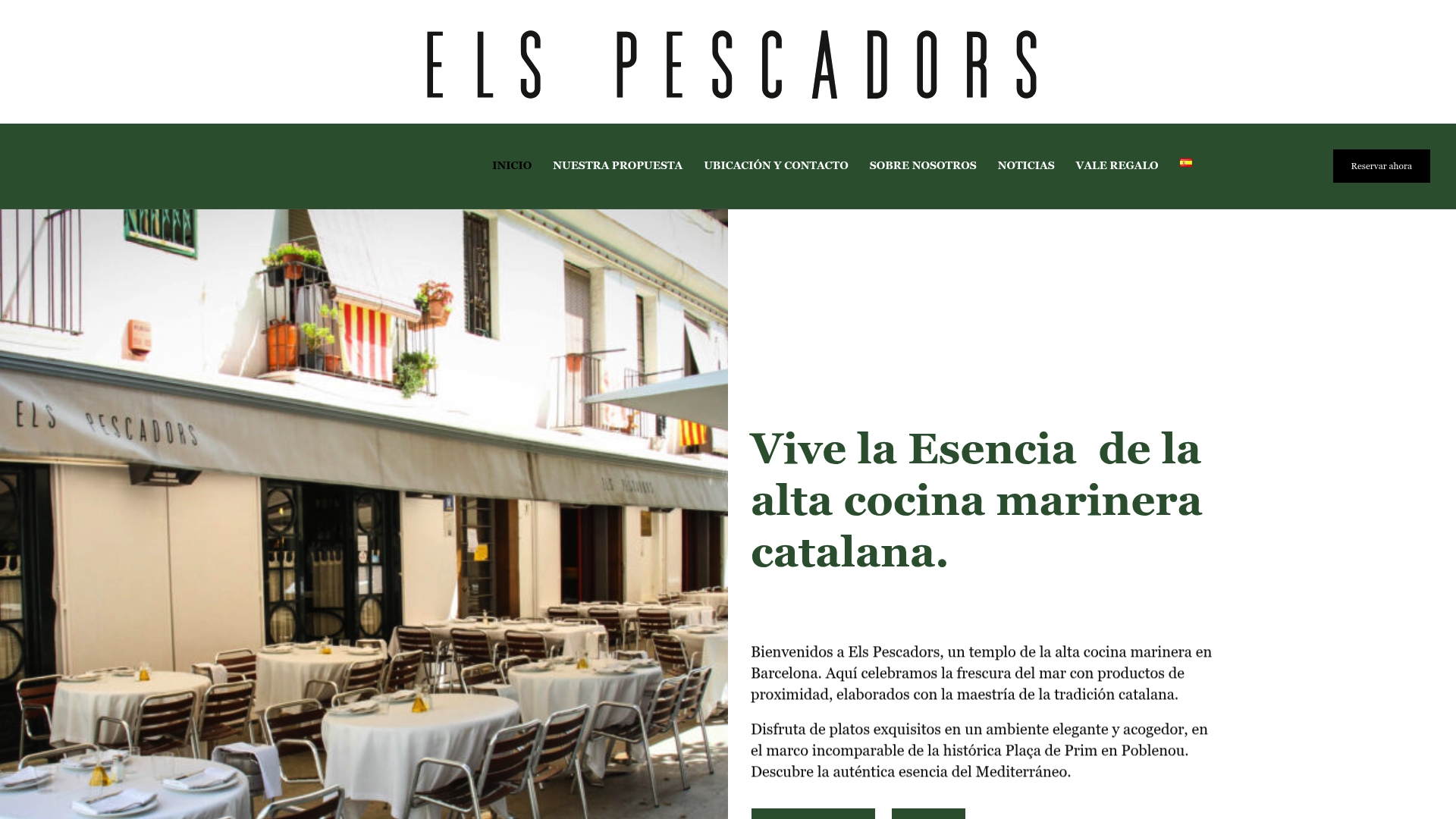
If you’re ready to taste the difference that authenticity makes, start by exploring the menu proposal at Els Pescadors to see what’s currently in season. For those still planning their visit to Barcelona, the guide to fresh fish in Barcelona offers a broader look at where quality seafood is taken seriously in the city. And if you want to understand the full cultural context behind what you’ll be eating, the exploration of traditional Catalan flavors is the perfect place to start.
Frequently asked questions
What is the difference between suquet de peix and zarzuela de mariscos?
Suquet de peix uses local rock fish with potatoes and an almond-garlic picada, while zarzuela de mariscos features a wider shellfish mix in a tomato-paprika broth. Both are Catalan classics, but suquet is heartier and fish-forward, while zarzuela is more theatrical and shellfish-rich.
Is fideuà only served in Catalonia?
No. Fideuà is common in both Catalonia and Valencia, though the recipe styles and preferred seafood vary slightly between the two regions.
What seafood tapas should I try for the most authentic experience?
Gambas al ajillo, calamares a la romana, and boquerones en vinagre are the three most historically rooted Spanish seafood tapas and the best starting point for any authentic tasting experience.
Why is picada important in Catalan seafood stews?
Picada, a ground paste of almonds and garlic, is stirred into stews like suquet de peix near the end of cooking to thicken the broth and add a distinctive nutty, savory depth that defines authentic Catalan flavor.
What should I look for to avoid tourist-oriented seafood dishes?
Seek menus that change daily based on the catch, feature traditional stew preparations, and list specific seafood species rather than generic descriptions. Always ask about ingredient sourcing before ordering.
Recommended
- Tipos de mariscos esenciales en la gastronomía catalana
- 7 ejemplos de platos marineros catalanes para conocer y disfrutar
- 6 ejemplos de platos catalanes tradicionales para expertos
- The importance of seasonal fishing in Catalan cuisine – Els Pescadors
- 7 Essential Insights into Spanish Wines for Food Lovers