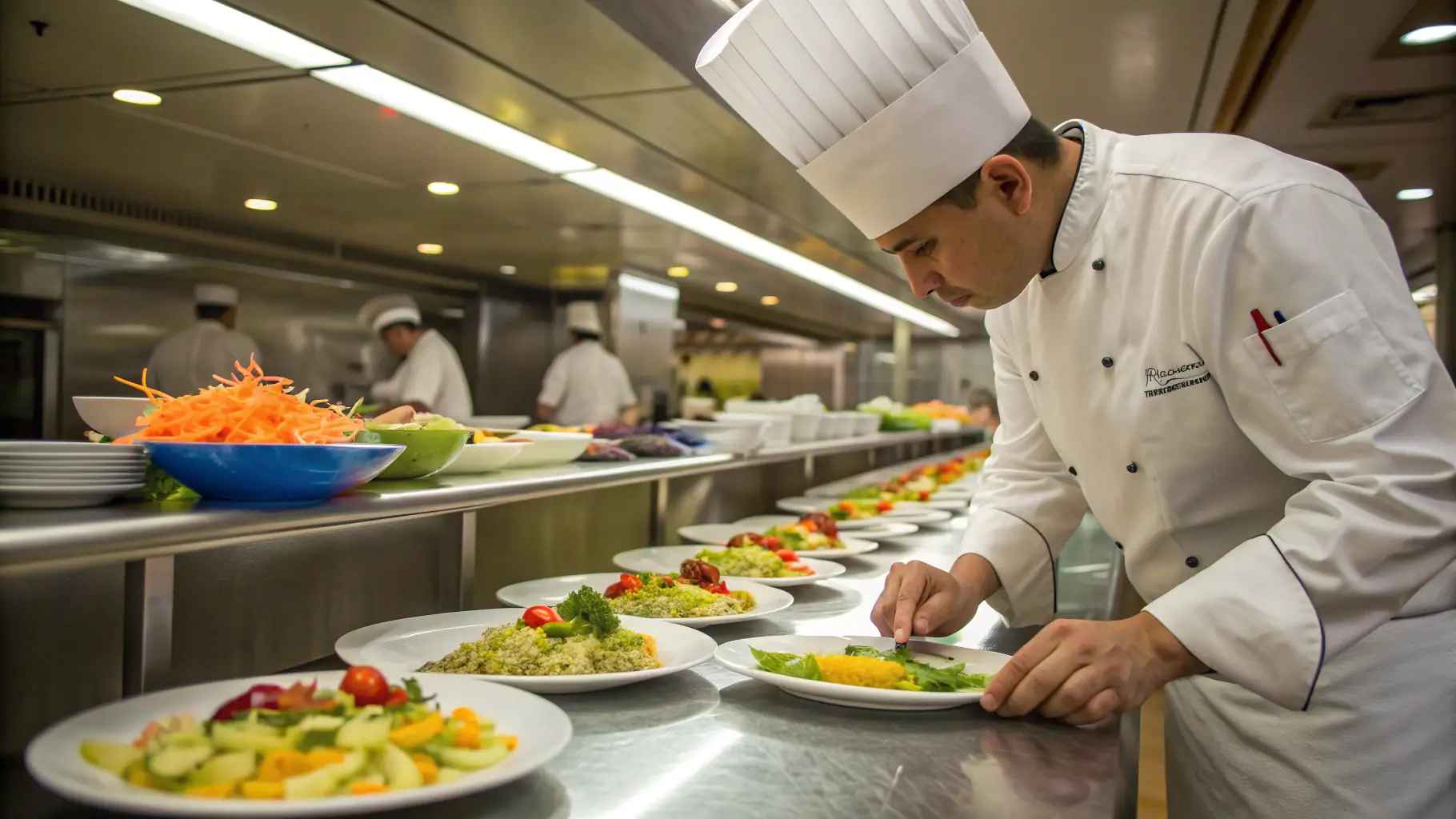
You arrive in Barcelona with one dream on your mind: a golden, fragrant seafood rice dish served under the Mediterranean sun. Then reality hits. The menu shows “paella” at every corner restaurant, a smiling waiter rushes a steaming pan to your table in ten minutes flat, and the result tastes like something reheated from a bag. It doesn’t have to go this way. To enjoy Barcelona rice dishes like a local, focus on the regional rice style choices and the restaurant’s cooking-from-scratch signals, especially cook time. This guide gives you exactly that knowledge, step by step.
Table of Contents
- Understand Barcelona’s rice culture: Beyond paella
- How to spot authentic rice: Restaurant signs and menu clues
- Master the local dining rituals: Pacing, setting, and savoring
- Ordering and customizing: Portions, styles, and solo diners
- Checkpoints for a perfect rice experience: Your step-by-step checklist
- Why rice in Barcelona is about atmosphere as much as food
- Ready to create your own unforgettable Barcelona rice feast?
- Frequently asked questions
Key Takeaways
| Point | Details |
|---|---|
| Paella isn’t local | Barcelona specializes in various rice dishes, not just Valencian paella. |
| Wait for fresh rice | A truly authentic rice dish should take 30–40 minutes to prepare and serve. |
| Savor the full experience | Locals enjoy rice meals slowly, often outdoors, making atmosphere and pacing essential. |
| Single diner options exist | If dining alone, ask for one-person portions of soupy or oven rice styles. |
| Use an authenticity checklist | Check cook time, menu details, and rice ‘socarrat’ to avoid tourist traps. |
Understand Barcelona’s rice culture: Beyond paella
To appreciate authentic rice in Barcelona, it’s essential to know the regional story behind these dishes.
Most visitors arrive assuming Barcelona is the home of paella. It isn’t. Paella is traditionally Valencian, rooted in the rice paddies of Valencia’s Albufera lake region, where rabbit, chicken, and green beans were the original ingredients. Barcelona has its own proud and deeply flavorful relationship with rice, but it comes from a different angle entirely: the sea.
The rice traditions in Barcelona are shaped by the city’s fishing heritage and its access to the finest Mediterranean seafood. Local cooks have spent generations perfecting dishes that showcase the ocean’s bounty, not copying Valencia’s inland recipes. Understanding this distinction changes everything about how you order and what you expect.
Here are the key rice dishes you’ll encounter on authentic Barcelona menus:
- Arroz caldoso: A soupy, broth-rich rice cooked in a wide pot. The rice absorbs an intensely flavored seafood stock, and the result is somewhere between a risotto and a stew. It’s deeply comforting and one of the most beloved preparations among locals.
- Arroz negro: Black rice cooked with squid ink, giving it a dramatic color and an earthy, oceanic depth of flavor. Traditionally served with alioli on the side.
- Arroz al horno: Baked rice, often with pork, chickpeas, or tomato. Less common in seafood-focused restaurants but worth trying when it appears.
- Fideuà: Technically not a rice dish, but it belongs in the same family. Short noodles replace rice and are cooked in a paellera pan with seafood stock, prawns, and cuttlefish. The noodles absorb all the flavor and develop their own version of socarrat.
“Barcelona is known for serving excellent rice dishes but not claiming paella as a homegrown tradition. The city’s real strength lies in its seafood-forward interpretations and its mastery of technique.”
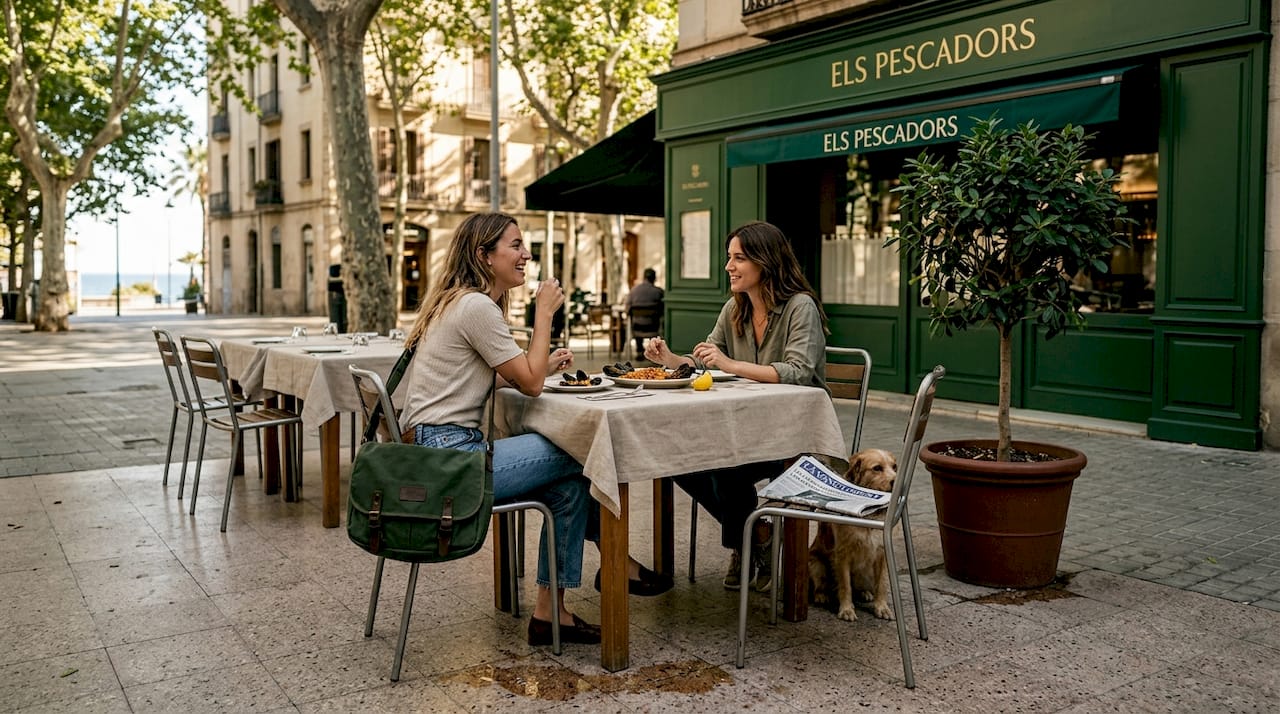
The setting matters too. Authentic spots tend to be neighborhood-focused, with terraces facing a plaza or the sea rather than tourist-facing signage in five languages. The Catalan cuisine overview reflects this: food here is tied to place, season, and community, not to what sells fastest on a busy boulevard.
| Dish | Texture | Key flavors | Best for |
|---|---|---|---|
| Arroz caldoso | Soupy, brothy | Seafood stock, saffron | Solo diners, comfort meals |
| Arroz negro | Dense, moist | Squid ink, alioli | Bold flavor seekers |
| Fideuà | Crispy noodles | Seafood, toasted pasta | Groups, special occasions |
| Arroz al horno | Firm, baked | Tomato, pork, chickpeas | Heartier appetites |
How to spot authentic rice: Restaurant signs and menu clues
Armed with knowledge of local rice culture, you need practical strategies to choose a truly authentic spot.
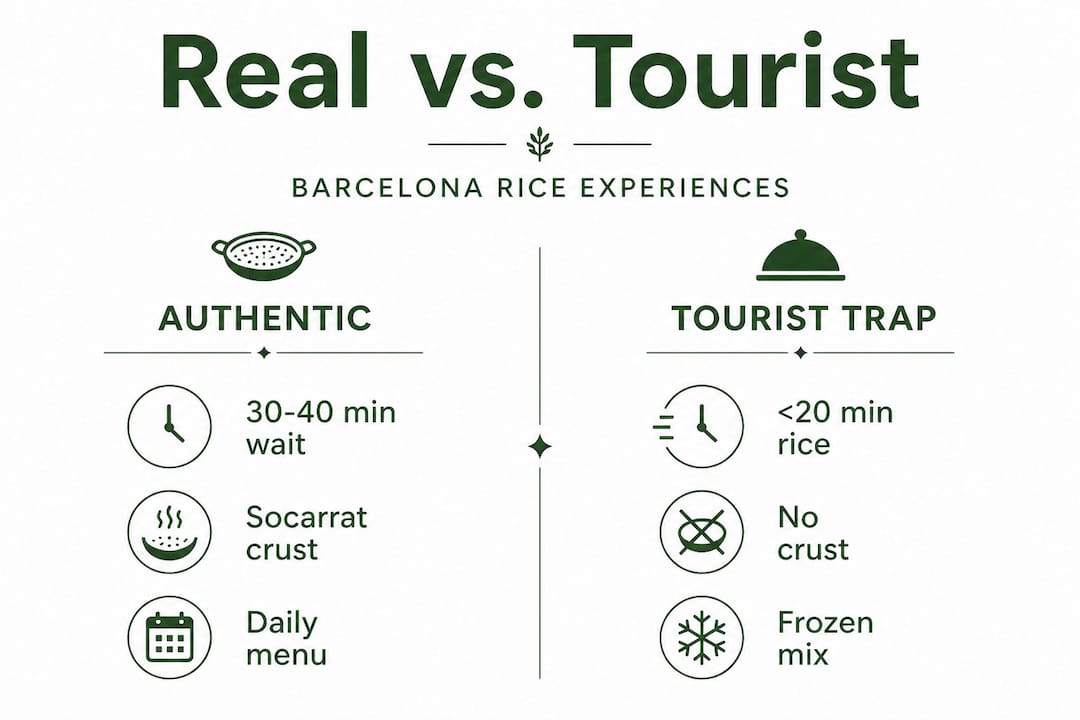
The single most reliable indicator of authenticity is cook time. A real rice dish takes 30 to 40 minutes from the moment you order to the moment it arrives at your table. If your pan appears in under 20 minutes, the rice was almost certainly pre-cooked or reheated. That’s the first red flag, and it’s a big one.
Here’s what to look for when spotting restaurant authenticity before you even sit down:
- Check the menu language. Authentic restaurants describe their rice dishes with specificity: the type of rice, the cooking method, the key ingredients. Vague descriptions like “seafood paella” with no further detail are a warning sign.
- Look at the clientele. Are locals eating there? A restaurant full of tourists in an obvious hotspot is not necessarily bad, but a mix of neighborhood regulars is a very good sign.
- Ask about minimum portions. Authentic rice dishes, especially those cooked in a paellera, require a minimum of two portions for proper layering and socarrat development. A restaurant that lets you order a single portion of pan-cooked rice without explanation may be cutting corners.
- Observe the kitchen rhythm. If you can see or hear the kitchen, listen for the sound of active cooking. A restaurant producing rice to order sounds different from one warming pre-made dishes.
- Ask directly about cook time. A confident, experienced server will tell you exactly how long to expect. Hesitation or a suspiciously short answer tells you something important.
Pro Tip: Before booking, call the restaurant and ask what rice dishes are available that day. Authentic kitchens adjust their menu based on the morning’s fresh catch. If the answer is always the same fixed list regardless of season or day, that’s worth noting.
The presence of socarrat is another key marker. Socarrat is the thin, crispy, caramelized layer of rice that forms at the bottom of the pan when the dish is cooked correctly over high heat at the end of the process. It takes skill, attention, and proper timing to achieve. When you taste it, you’ll understand immediately why locals prize it so highly. A restaurant that mentions socarrat on the menu or that your server brings up unprompted is a restaurant that takes its rice seriously.
| Authentic signal | Tourist trap signal |
|---|---|
| 30 to 40 minute cook time | Rice arrives in under 20 minutes |
| Socarrat mentioned or visible | No mention of socarrat |
| Daily specials based on fresh catch | Fixed menu year-round |
| Minimum portions for pan rice | Single portions of everything |
| Specific rice variety listed | Generic “paella” label |
When you’re ready to plan ahead, tips for booking restaurants can save you from common mistakes, especially during peak summer months when the best spots fill up days in advance.
Master the local dining rituals: Pacing, setting, and savoring
After choosing your restaurant, the way you approach the experience can elevate it from a meal to a memory.
Barcelona rice experiences are about pacing and setting, not just flavor. Locals linger, dine outdoors when possible, and treat rice dishes as the centerpiece of a longer, unhurried afternoon or evening. This is not fast food. It is a ritual.
Here’s how locals actually approach the rice meal:
- Arrive without rushing. Plan for a two-hour minimum. A proper rice meal includes an aperitif, perhaps some shared starters, the rice itself, and a slow wind-down with dessert or coffee.
- Choose the terrace when available. Outdoor dining in Barcelona is not just pleasant, it’s part of the cultural experience. The light, the air, the sounds of the neighborhood all add to the flavor of the meal in a way that’s hard to explain but impossible to miss.
- Resist the urge to rush the kitchen. Asking repeatedly when your rice will arrive signals impatience that locals would never show. Trust the process. The wait is part of the experience.
- Share the pan. Rice dishes cooked in a paellera are communal by nature. Eating directly from the pan, each person working their corner toward the center, is the traditional way. It creates connection.
“The best rice meals in Barcelona feel like they last forever, and you’re grateful for every minute.”
Locals typically reserve rice feasts for weekends or special occasions, treating them as events rather than quick lunches. If you visit on a Sunday afternoon, you’ll see this culture in full expression: families gathered around large tables, conversation flowing freely, the meal stretching comfortably into the late afternoon.
Outdoor dining tips can help you make the most of Barcelona’s terrace culture, from timing your visit to choosing the right spot in the plaza. And if you want to fully prepare for a refined experience, fine dining tips offer practical guidance on etiquette, ordering, and getting the most from a high-quality restaurant.
Pro Tip: Book a terrace table for 1:30 PM on a Saturday or Sunday. This is peak local dining time, and the atmosphere at that hour, with sunlight on the plaza and the whole neighborhood at the table around you, is something you won’t find at 7 PM.
Ordering and customizing: Portions, styles, and solo diners
Once you’re settled at the table, knowing what and how to order lets you enjoy the meal your way.
The portion question is one that catches many visitors off guard. Most authentic rice dishes cooked in a paellera require a minimum of two portions. This isn’t arbitrary. The depth of rice in the pan, the ratio of liquid to grain, and the development of socarrat all depend on cooking a sufficient quantity. A single portion forced into a full pan produces uneven results, and no serious chef wants that.
Here’s how to navigate ordering confidently:
- If you’re dining alone, ask your server about single-portion options. Arroz caldoso is ideal for solo diners because it’s cooked in a pot rather than a flat pan, making single servings entirely appropriate.
- If you’re with a partner, two portions of a pan rice dish is the sweet spot. You get proper socarrat, correct texture throughout, and enough volume to share the experience fully.
- If you’re in a group of four or more, consider ordering two different rice styles. This lets everyone compare textures and flavors, and it’s exactly what a table of locals might do.
- Don’t be afraid to ask the chef’s recommendation. Servers at quality restaurants know which rice is performing best that day based on the morning’s delivery. That information is invaluable.
- Arroz caldoso: perfect for one or two people
- Arroz negro: works well for two to four
- Fideuà: ideal for groups, especially when shared communally
- Pan-cooked rice with socarrat: always requires a minimum of two portions
Pro Tip: If a restaurant offers a tasting menu that includes a rice course, this is often the best way for solo diners to experience the full range of textures and flavors without navigating the portion minimum. Ask whether the rice course includes socarrat development.
For group visits, reviewing restaurant reservation tips in advance helps you communicate your group’s needs clearly and ensures the kitchen can prepare properly.
Checkpoints for a perfect rice experience: Your step-by-step checklist
To help you remember the essentials, keep this quick-reference summary at hand during your Barcelona rice adventures.
Use a small checklist rather than photos in the window when deciding between restaurants. Cook time and socarrat attention are your fastest filters against tourist-trap reheated rice. Here’s the full sequence:
- Before booking: Confirm the restaurant cooks rice to order and ask about that day’s available styles.
- On arrival: Note the clientele mix and whether the menu specifies rice varieties and preparation methods.
- When ordering: Ask about cook time, portion minimums, and which style the kitchen recommends that day.
- During the wait: Relax. Order a starter. Enjoy the setting. The wait is a feature, not a flaw.
- When the rice arrives: Check for socarrat at the bottom of the pan before stirring. Taste the crust separately to appreciate the technique.
- After the meal: Linger. Order coffee. Let the experience settle. That’s what locals do.
| Authentic experience | Tourist trap experience |
|---|---|
| Cook time confirmed at 30 to 40 minutes | Rice arrives in under 20 minutes |
| Server explains rice styles knowledgeably | Server pushes the “paella” without detail |
| Socarrat visible and mentioned | No crust, no mention of technique |
| Terrace or neighborhood setting | High-traffic tourist zone |
| Menu changes with the season | Same fixed menu year-round |
Why rice in Barcelona is about atmosphere as much as food
With tools in hand for picking and savoring your rice dish, consider this deeper lesson from those who live and breathe the local food scene.
Here’s something most food guides won’t tell you: locals in Barcelona rarely argue about which restaurant makes the “best” rice. They argue about which afternoon was the best. The distinction matters. They remember the light on the plaza, the conversation that went on too long, the moment someone ordered a second round of wine because nobody wanted to leave. The rice was excellent, yes. But it was the frame around the rice that made it unforgettable.
Many visitors miss this entirely because they approach the meal as a food transaction. They research the dish, find a highly rated spot, eat quickly, and move on to the next attraction. They got the food right but missed the experience. And in Barcelona’s rice culture, the experience is the point.
We’ve watched this play out at Els Pescadors many times. A guest arrives with a list of questions about ingredients and cooking methods, eats efficiently, and leaves satisfied but not transformed. Another guest arrives, sits on the terrace, orders slowly, talks with the server, watches the plaza, and leaves two hours later with a story they’ll tell for years. The rice on both plates was identical. The meals were completely different.
Exploring local flavors in Catalonia means accepting that food here is inseparable from its social and environmental context. The best rice in Barcelona isn’t just about technique. It’s about surrendering to the pace of the meal, letting the afternoon stretch, and trusting that the kitchen is doing something worth waiting for.
Ready to create your own unforgettable Barcelona rice feast?
When you’re ready to turn these insights into reality, Barcelona’s best seafood restaurants are waiting.
At Els Pescadors, located in the historic Plaça de Prim in Poblenou, we’ve built our reputation on exactly the principles this guide describes: rice cooked to order, seasonal ingredients sourced fresh each morning, and a terrace setting that makes every meal feel like a special occasion. Our culinary proposal reflects our commitment to authentic Catalan maritime cuisine, from arroz negro to arroz caldoso, prepared with the care and technique that produce genuine socarrat every time.
Before your visit, browse our traditional seafood dishes to understand the full range of Catalan flavors waiting for you. And if you want to arrive fully prepared for a refined dining experience, our fine dining tips will help you get the most from every course. Reserve your table at Els Pescadors and bring everything you’ve learned here to the table.
Frequently asked questions
What is the difference between paella and other Barcelona rice dishes?
Paella is originally from Valencia; in Barcelona, you’ll find a variety of rice-based dishes such as arroz caldoso, arroz negro, and fideuà, each with distinct flavors, textures, and cooking methods rooted in the city’s seafood tradition.
How long should I expect to wait for a freshly made rice dish in Barcelona?
Expect to wait about 30 to 40 minutes for a properly cooked rice dish; anything arriving much faster is likely reheated or pre-cooked and worth questioning before you eat.
Can I order a rice dish for one person in Barcelona?
While many rice dishes require a minimum of two portions for proper pan cooking, soupy or baked rice styles are often available as single servings; always ask your server which options work for solo diners.
What is socarrat, and why is it important?
Socarrat is the crispy, caramelized bottom layer of a rice dish, and it forms only when the cook applies high heat at precisely the right moment; restaurants that prioritize socarrat are demonstrating genuine technique and attention to the dish.
Why do locals take so long with their rice meals?
Locals linger over rice dishes to enjoy the flavors, the company, and the relaxed outdoor atmosphere, treating the meal as a social event rather than a quick stop between activities.