Planning a group dining experience in Barcelona sounds exciting until you realize just how many decisions stand between you and a genuinely memorable evening. You need to balance gourmet expectations, satisfy guests with wildly different tastes, coordinate service timing for large tables, and still deliver the kind of refined atmosphere that reflects well on your organization or celebration. For seafood-focused events in particular, the menu structure is everything. Get it right, and guests leave talking about the food. Get it wrong, and they remember the wait times and the awkward moments when someone couldn’t find anything to eat. This article walks through real menu frameworks, concrete examples, and practical comparisons to help you make the right call.
Table of Contents
- Key factors when choosing a group dining menu
- Tasting menu model: Michelin-level group experience
- Three-course shared menu: Flexible and efficient for groups
- Comparison: Tasting vs. three-course group menu
- Menu recommendations for different group scenarios
- Our take: Why the best group menus in Barcelona blend structure with local flair
- Plan your unforgettable group dining event with Els Pescadors
- Frequently asked questions
Key Takeaways
| Point | Details |
|---|---|
| Menu format matters | Choosing between tasting and three-course styles shapes your group’s dining experience and pace. |
| Variety is critical | Offering three to four main options covers diverse preferences without slowing service. |
| Customization adds value | The best group menus can be adapted for dietary needs and event goals. |
| Pairings enhance experience | Optional wine or specialty beverage pairings elevate seafood group dining. |
| Local flair stands out | Menus rooted in Barcelona seafood and Catalan tradition create memorable group events. |
Key factors when choosing a group dining menu
With those group planning challenges in mind, it’s helpful to clarify what key factors matter most in a group dining menu for an upscale seafood event. Not all menus are created equal, and what works beautifully for a 10-person leadership dinner may fall completely flat for a 40-person networking reception.
Here are the core criteria worth weighing before you commit to any menu format:
- Cuisine style: Is the kitchen known for signature Catalan seafood, a modern Mediterranean approach, or something with international fusion elements? The cuisine identity shapes everything from ingredient sourcing to presentation.
- Service format: Tasting menus deliver a single curated experience from start to finish, while à la carte group choices give guests more control. Each has real operational implications for large tables.
- Wine and beverage pairings: Premium seafood deserves thoughtful pairing. Make sure the restaurant offers group-friendly wine options, not just a single bottle on the table.
- Dietary flexibility: Any group of 20 or more will include someone with a shellfish allergy, a vegetarian preference, or a gluten intolerance. A menu that can’t accommodate these needs will cause problems.
- Budget and value: Per-head pricing varies dramatically between tasting menus and three-course formats. Align your format choice with the event budget before falling in love with a menu.
- Venue ambiance: The physical setting should match the energy of the group. Historic seaside venues, modernist dining rooms, and garden terraces each create a different atmosphere.
Sound corporate dining tips always point to menu structure as the first decision, not an afterthought. From an operational standpoint, group menus work best when they feature shared starters for the table, a handful of diverse main options, and plated desserts that arrive simultaneously without confusion.
Pro Tip: Always prioritize menus that include individually plated desserts rather than shared platters. Plated desserts dramatically streamline service for large groups, eliminate the awkward “who gets the last slice” moment, and signal a fine-dining standard that guests notice.
Tasting menu model: Michelin-level group experience
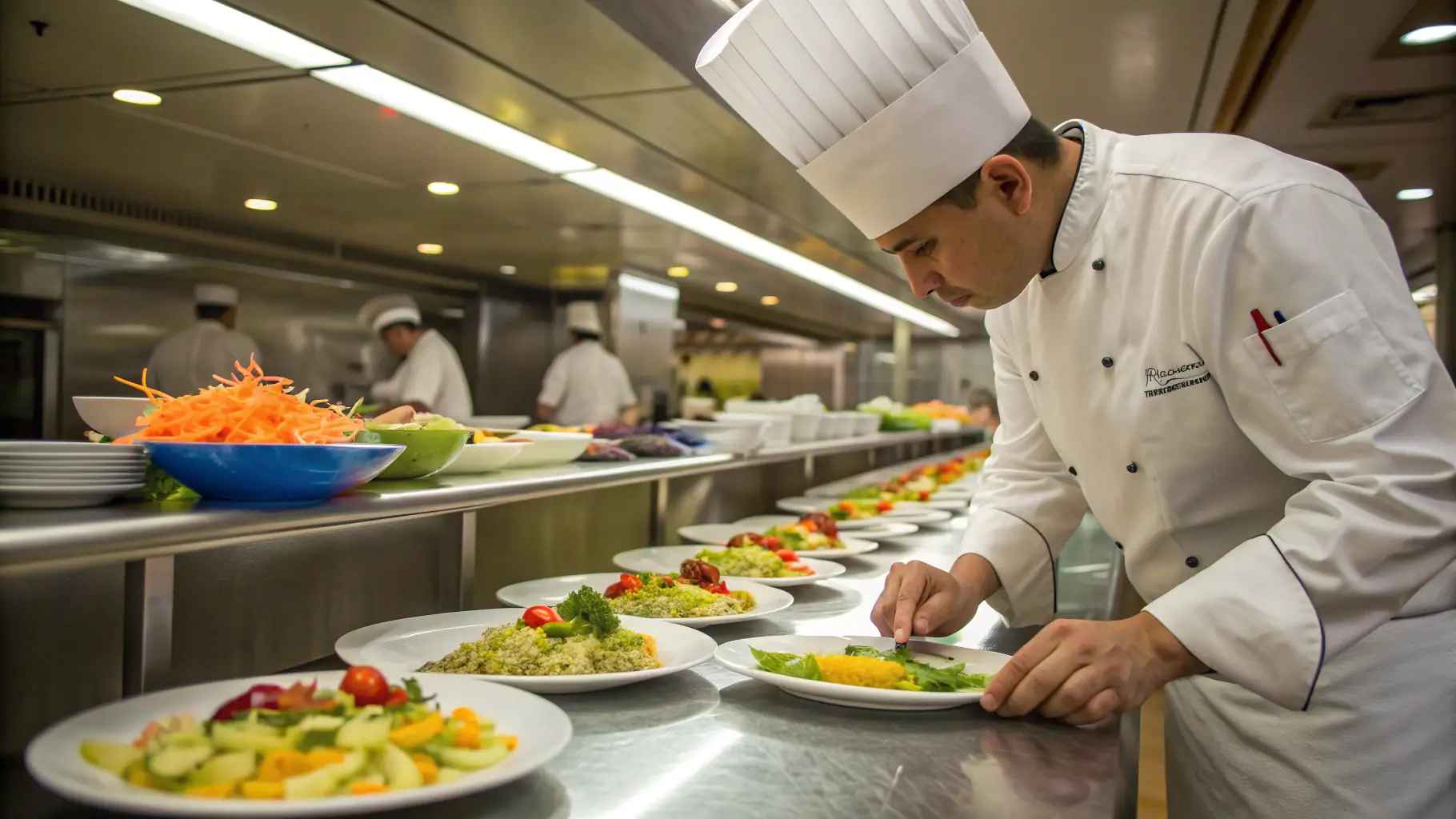
Now that you know what to look for, let’s explore the chef-curated tasting menu style, Barcelona’s hallmark of gourmet group events. This format takes the decision-making off the table entirely and replaces it with a choreographed sequence of dishes designed to build in flavor, texture, and experience from the first bite to the last.
For groups, a tasting menu works especially well when everyone at the table shares a similar appetite for adventure and a genuine interest in the culinary experience itself. Think milestone corporate anniversaries, leadership retreats, or private celebration dinners where the food itself is meant to be the conversation starter.
Here’s what a well-designed group tasting menu typically includes:
- A sequence of five to eight courses, each representing a distinct flavor profile or cooking technique
- Synchronized pacing coordinated by the kitchen and service team so every guest receives each course simultaneously
- Optional wine pairing flights, selected to complement the progression of the meal
- A signature course, often the chef’s most celebrated local ingredient, placed strategically in the middle of the sequence to build toward a peak experience
The structured tasting menus that define Barcelona’s finest seafood restaurants follow this logic closely, and understanding the Catalan tasting menu process can help your team set guest expectations before the event even begins.
For venues that embody this format at its finest, Aleia on Passeig de Gràcia holds two Michelin Stars and sets the standard for what a modernist Barcelona group tasting experience can look and feel like. Their approach to optional food and wine pairings represents exactly what upscale group events aspire to deliver.
“A great tasting menu for groups isn’t just about the food. It’s about creating a shared experience where every guest moves through the same journey at the same time, and that synchronized discovery becomes the memory they carry home.”
Understanding wine pairing strategies before you finalize your tasting menu selection will also give you a stronger foundation for conversations with the kitchen team about which pairing flight best fits your group’s preferences and budget.
The key advantage of this format for high-stakes events: no one is buried in a menu making decisions while the host is trying to open the evening with a toast. The experience simply begins.
Three-course shared menu: Flexible and efficient for groups
While tasting menus offer a singular culinary journey, many group events need more flexibility, and that’s exactly where the shared three-course model shines. It’s a popular, proven structure that balances refinement with practicality, making it a go-to for international groups, networking dinners, and events where guests have diverse dietary profiles.
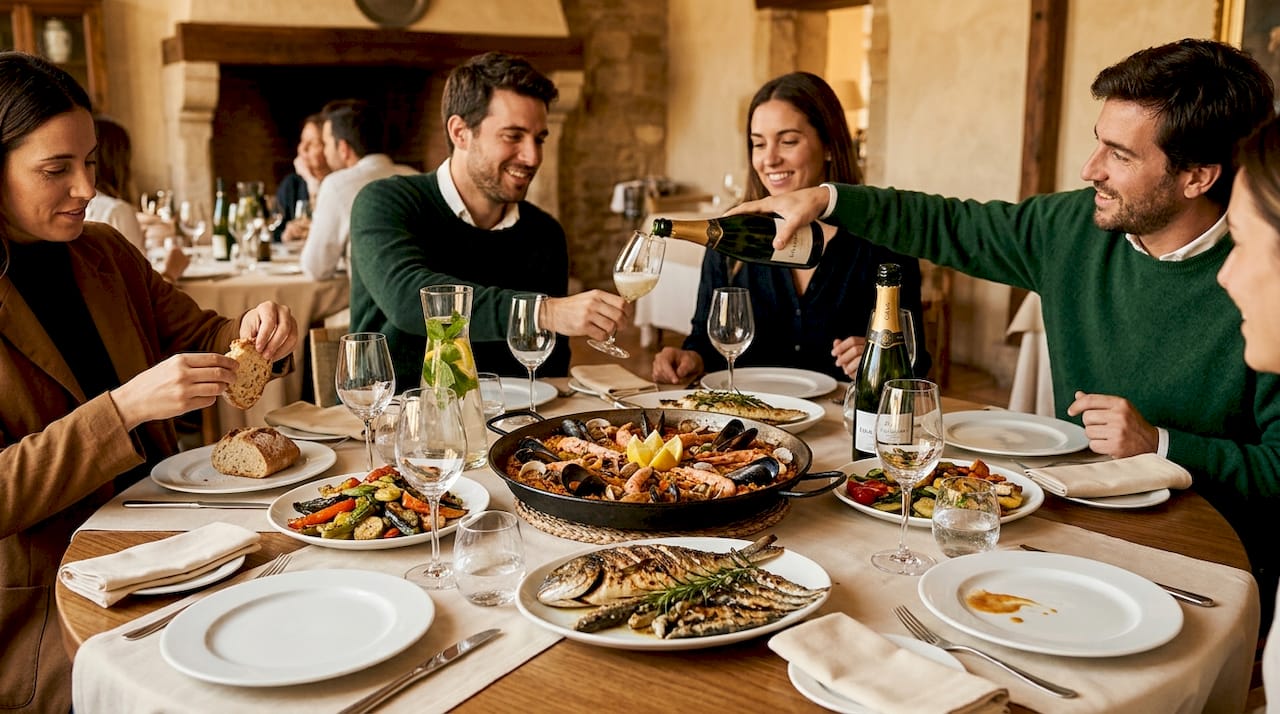
Here’s how a well-built three-course group menu unfolds:
-
Course one: Shared seaside starters. A curated tasting plate arrives at the center of the table, featuring a selection of seafood preparations, perhaps a dressed crab salad, grilled razor clams, and a smoked anchovy bruschetta. Shared starters create an immediate sense of communal energy. Guests relax, conversation starts, and the tone of the evening is set without anyone feeling rushed.
-
Course two: Three or four curated mains with pre-selection. This is where flexibility earns its keep. Offering three or four main options, including at least one seafood centerpiece, one fish alternative, and one vegetarian or land-based protein, allows guests to feel personally considered without creating the logistical chaos of full à la carte service. Pre-selection via a response form sent ahead of time makes service seamless. A sample corporate menu structure typically features exactly this approach: shared starters, three to four main choices, and a plated dessert to close.
-
Course three: Plated or upgraded dessert. Dessert should feel like a finale, not an afterthought. A single, beautifully plated dessert served to every guest simultaneously signals the conclusion of the meal with elegance. If budget allows, an upgraded option, perhaps a paired dessert wine or a shared cheese course before the sweet finale, adds a memorable flourish.
The menu options for events at an authentic Catalan seafood restaurant take this structure seriously, and the best venues will work with you on pre-selection logistics well in advance. When you’re evaluating venue selection for group menus, pay close attention to whether the kitchen has experience managing simultaneous plating for 30 or more guests. That operational capability is what separates a smooth service from a stressful one.
Pro Tip: Mix at least one signature local main, such as a traditional Catalan rice dish or a local catch prepared with classic Mediterranean technique, alongside one more universally familiar protein. International groups especially appreciate the balance between culinary discovery and comfort.
Comparison: Tasting vs. three-course group menu
With the two main menu formats established, a direct comparison helps clarify which suits your specific group occasion best. The right choice depends less on prestige and more on the practical realities of your event: who’s attending, what the goal is, and how much control you want over the guest experience.
| Factor | Tasting menu | Three-course shared menu |
|---|---|---|
| Guest experience | Cohesive, choreographed journey | Personalized within a structured frame |
| Variety | Chef-selected sequence | Guest chooses from 3 to 4 options |
| Service speed | Slower, deliberate pacing | More efficient, faster table turns |
| Beverage pairing | Integrated pairing flights | Wine list selection or set pairing |
| Cost per head | Higher, premium positioning | More accessible, easier to budget |
| Best group size | 10 to 30 guests | 20 to 80 guests |
| Dietary flexibility | Requires advance coordination | Easier to accommodate at booking |
| Formality | High, structured, ceremonial | Moderate, adaptable |
Tasting menus, as Aleia’s two-star format demonstrates, showcase the chef’s creative vision and build toward an emotional high point through a cohesive sequence of dishes. Three-course menus, by contrast, offer genuine guest flexibility and come in at lower price points without sacrificing quality. Both approaches can be exceptional; the decision hinges on your group’s personality and your event’s objective.
For anyone weighing the practical difference between à la carte and tasting menus specifically in the context of group dining, the key distinction is control. Tasting menus put creative control firmly with the kitchen. Three-course shared menus distribute that choice partially to guests. Neither is wrong. They’re just different tools for different occasions.
Menu recommendations for different group scenarios
Now that you’ve seen both menu formats compared, here’s how to tailor your final group dining choice to fit your unique event scenario. The context of your event should drive the decision more than any general rule about prestige or price.
Choose a tasting menu when:
- You’re hosting a milestone corporate celebration, such as a company anniversary, executive retreat, or client appreciation dinner where the meal is the centerpiece of the evening
- The guest list is curated and gourmet-focused, meaning everyone at the table has genuine enthusiasm for food and is open to being guided through a chef’s vision
- Formality, pace, and a sense of ceremony are important to the event’s purpose
- Group size is intimate enough (typically under 30) that synchronized service is achievable without operational strain
Choose a three-course shared menu when:
- You have a mixed-age or international guest list with diverse tastes and dietary needs
- The event is a networking dinner or team gathering where flexibility and easy conversation matter more than culinary theater
- Budget is a practical consideration without wanting to compromise on quality or atmosphere
- Group size is larger, 30 guests or more, where three-course pre-selection keeps service clean and timely
A quick reference for matching menu features to event goals: formal settings call for tasting menus; casual-but-refined occasions favor three-course structures; price-sensitive but quality-driven events benefit most from well-curated shared menus with one standout signature dish. Browsing menu samples for groups at established Barcelona seafood restaurants gives you a tangible sense of what each format actually looks like in practice.
Our take: Why the best group menus in Barcelona blend structure with local flair
With practical recommendations for every scenario, it’s worth sharing our deeper perspective on what truly sets a Barcelona group menu apart. And it isn’t just about choosing between tasting and three-course formats.
The honest truth is that rigid à la carte service almost always fails for upscale group events. It slows everything down, creates uneven pacing, and fragments the table’s shared experience. But generic group platters, the kind where a server drops a series of shared bowls in the center and expects guests to sort themselves out, miss the point entirely in a fine-dining context.
The best group seafood menus we’ve seen do something more nuanced. They use shared elements strategically at the start of the meal to build connection and conversation, then shift to structured individual plating as the evening progresses. That transition from communal to personal mirrors the natural rhythm of a great dinner: the easy opener, the deeper engagement, the memorable finish.
Barcelona has a unique advantage here. The Catalan maritime tradition gives kitchens access to exceptional local ingredients, and the region’s culinary culture treats seafood as something genuinely worth celebrating rather than simply serving. When a group menu is built around a signature local catch or a traditional rice dish made with the day’s best shellfish, it stops being a meal and becomes an experience with a sense of place.
The restaurants that get top seafood tasting menus right in Barcelona don’t just replicate fine-dining convention. They root their group menus in something local and specific, and that specificity is what guests remember weeks later.
The restaurants that excel at group dining in Barcelona understand that structure serves the guest, not the kitchen. Every decision about pacing, portion, and progression should feel effortless to the people at the table, even when the operational work behind it is considerable.
Pro Tip: When finalizing your group menu, ask the restaurant whether they can feature a custom local seafood preparation as a signature main course for your event. A specific, locally sourced dish gives your event a culinary identity that no hotel banquet hall or generic catering package can replicate.
Plan your unforgettable group dining event with Els Pescadors
With the group menu selection framework in mind, here’s how Els Pescadors can help you design a standout event in Barcelona.
At Els Pescadors, we sit in the heart of Poblenou’s historic Plaça de Prim, a setting that carries the character of Barcelona’s maritime past while delivering the refined service your guests deserve. Our group menus are built around daily fresh catch, authentic Catalan rice preparations, and seasonal ingredients sourced with genuine care for quality and sustainability.
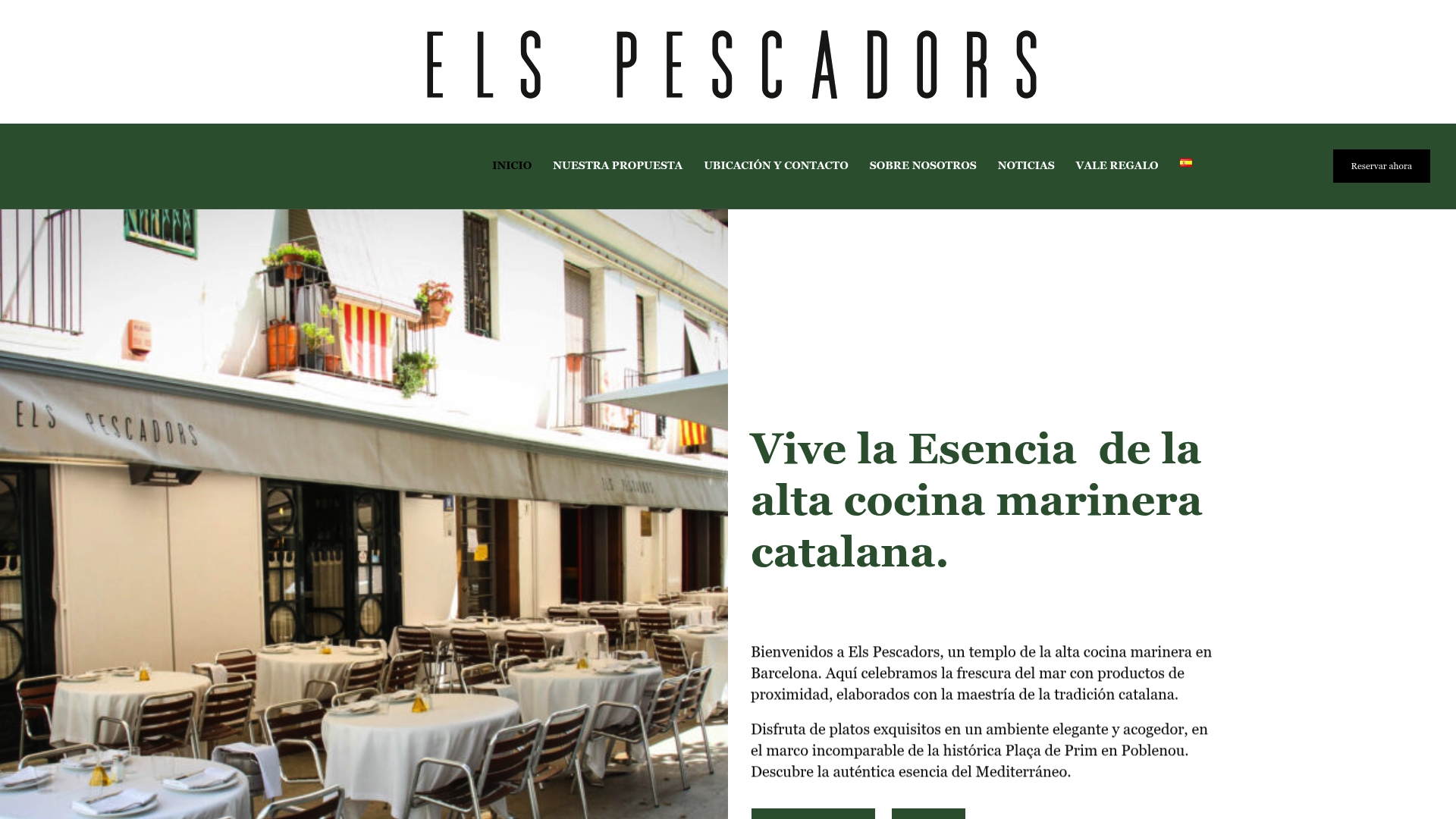
Whether you’re drawn to a structured tasting menu experience or a flexible three-course shared format, we’ll work with you to design a menu that fits your event’s personality. Start with our group menu proposals page to see how we approach customization for corporate and private groups. For a deeper look at how we build a tasting experience from the ground up, our tasting menu process guide walks you through every step. Your guests will taste the difference.
Frequently asked questions
What is usually included in a high-end group tasting menu in Barcelona?
A high-end group tasting menu typically features five to eight chef-selected seafood courses served in sequence, with optional wine pairings and a plated dessert finale. Venues like Aleia with two Michelin Stars set the benchmark for what Barcelona’s finest group tasting experiences deliver.
How many main courses should a group menu offer for variety?
Three to four main options are the standard recommendation for group menus, including at least one vegetarian choice, to accommodate different preferences without overwhelming the kitchen or slowing service.
Can a seafood tasting menu accommodate dietary restrictions?
Yes, most upscale restaurants will personalize group tasting menus for allergies or dietary preferences, but you need to communicate those needs clearly during the planning stage, ideally at least a week before the event.
What are typical beverage pairings for a group seafood menu?
Wine pairings are the most common approach, often offered as a flight alongside each course, but many fine-dining venues in Barcelona also offer curated non-alcoholic pairings or alternative beverage selections if requested.
Which menu style is best for corporate networking in Barcelona?
A three-course shared menu is the stronger choice for networking events because it keeps pacing efficient and allows guests to focus on conversation. Corporate networking dinners benefit most from the flexibility and steady service rhythm that this format provides.