Many visitors to Barcelona assume that any restaurant near the water automatically serves exceptional seafood. That assumption has cost countless food lovers a disappointing meal and an even more disappointing bill. Barcelona’s culinary landscape is far more nuanced than geography alone. The city’s Mediterranean coastline is undeniably a gift, but proximity to the sea says nothing about the skill in the kitchen, the integrity of the sourcing, or the depth of culinary tradition on the plate. This article breaks down the real criteria that separate truly fine seafood dining from the ordinary, so you can make every reservation count.
Table of Contents
- Defining quality: Essential traits of fine seafood restaurants
- Freshness and locality: The foundation of maritime excellence
- Fine dining attributes: Beyond the plate
- Traditional versus innovative: Local icons and new directions
- The overlooked truth about fine seafood restaurants in Barcelona
- Experience Barcelona’s finest seafood with Els Pescadors
- Frequently asked questions
Key Takeaways
| Point | Details |
|---|---|
| Staff knowledge matters | Expert staff enhance authenticity by describing seafood origins and preparations. |
| Seasonality is key | Market-driven menus ensure freshness and true local flavor in Catalan seafood cuisine. |
| Fine dining goes beyond food | Ambiance, wine pairings, and tasting menus elevate the entire restaurant experience. |
| Tradition and innovation coexist | Barcelona’s best seafood spots blend classic Catalan practices with creative culinary techniques. |
| Local reputation trumps location | Longevity and local clientele signal consistent quality and avoid tourist traps. |
Defining quality: Essential traits of fine seafood restaurants
With the myths cleared, let’s examine the hallmarks that set truly fine seafood establishments apart from the ordinary. Quality at this level is not accidental. It is built through deliberate choices made every day, from the moment fish arrives at the kitchen door to the moment your plate is set in front of you.
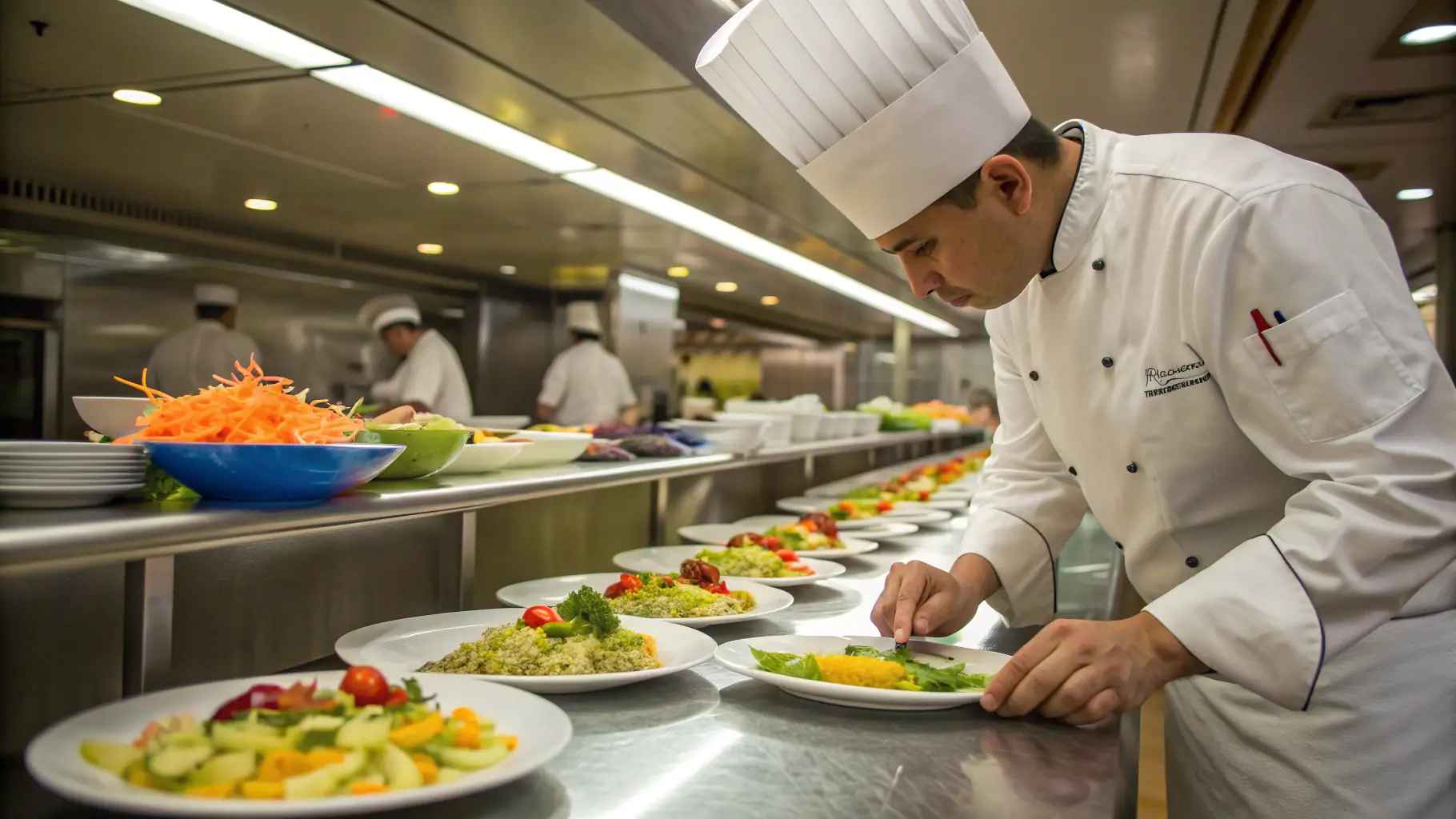
The most reliable signal of a fine seafood restaurant is the staff’s ability to speak honestly and specifically about what they’re serving. Knowledgeable staff who can detail the fish of the day, its origins, and how it is prepared signal that the kitchen genuinely cares about what lands on your plate. If a waiter cannot tell you where the sea bass was caught or what makes today’s razor clams worth ordering, that is a significant red flag.
Here are the essential traits to look for:
- Staff expertise: Servers who explain daily catches, sourcing, and preparation methods with genuine knowledge and enthusiasm
- Menu clarity: A menu that changes regularly to reflect what is fresh and in season, rather than offering an unchanged catalog year-round
- Cleanliness and organization: A spotless environment, particularly around the kitchen and service stations, where professional standards are visibly upheld
- Ambiance and decor: A setting that reflects the restaurant’s identity and culinary philosophy without relying on superficial coastal theming
- Local clientele: Tables filled with residents, not just tourists, are among the strongest endorsements a restaurant can receive
Longevity matters too. Restaurants with a long-standing reputation since the 1970s or 1980s signal consistent quality over the decades, something no tourist-trap operation could sustain. Barcelona’s most respected establishments have survived precisely because local diners kept returning, season after season.
Understanding fine dining tips before your visit can also transform how you read a room and a menu. The best approach combines your own instinct with some structured awareness of what to expect. Exploring traditional maritime cuisine can give you the cultural grounding to recognize when a restaurant is honoring genuine Catalan culinary heritage rather than imitating it for effect.
When evaluating authentic seafood restaurants, consider both the physical experience and the culinary narrative the restaurant tells. Does the service feel polished without being cold? Does the outdoor seating, if offered, meet the same benchmark as the indoor tables? Quality outdoor dining benchmarking shows that the best establishments treat every seat with equal care, whether inside or on a terrace.
Pro Tip: When you sit down, ask the waiter specifically about that morning’s delivery. How they answer, not just what they say, tells you everything about the kitchen’s relationship with its ingredients. A confident, detailed answer means the kitchen is proud of what it has sourced. Hesitation or vagueness means the opposite.
Freshness and locality: The foundation of maritime excellence
Once you recognize quality signals, it is time to consider the fresh, local ingredients that underlie truly exceptional seafood. Freshness is not simply a preference in Catalan maritime cooking. It is a foundational principle that shapes every decision a chef makes.
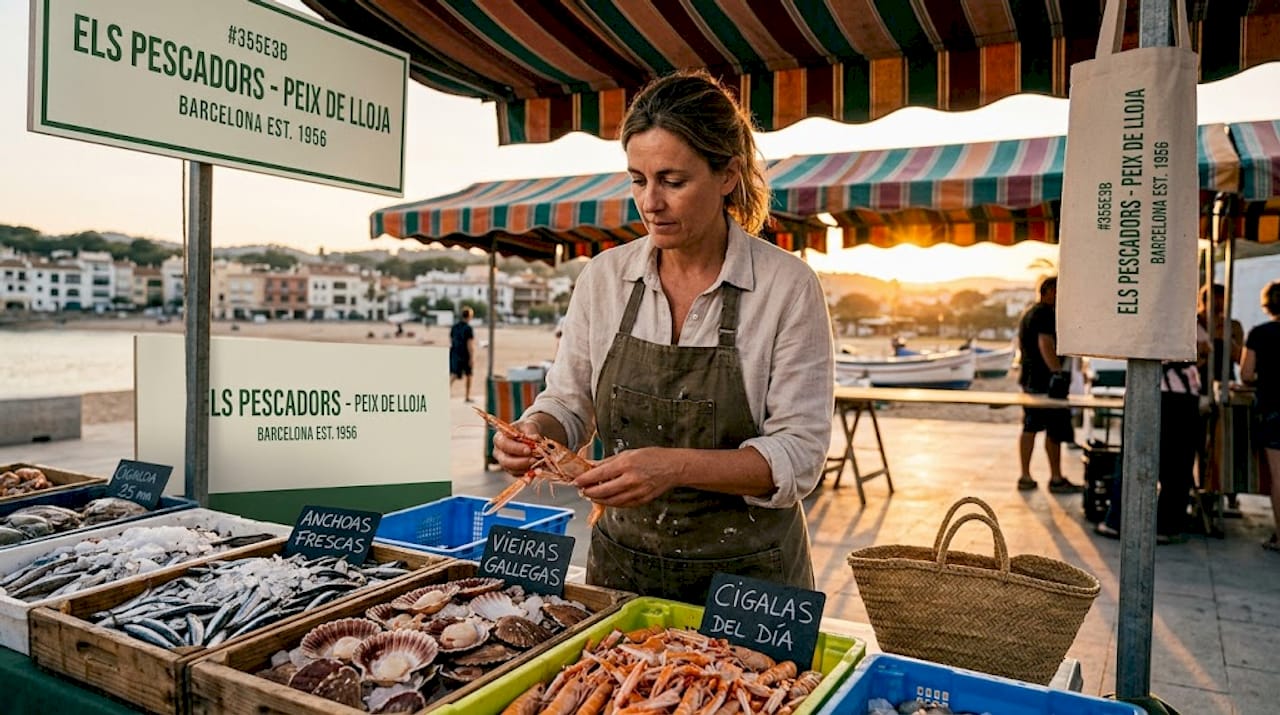
Seasonality drives the best menus. Michelin-listed spots like Batea and Estimar emphasize seasonality and market-driven small plates as their core approach to authenticity. A menu that changes by the week, or even by the day, reflects a kitchen that is in active conversation with the sea and the seasons rather than simply reproducing a fixed script.
Understanding seasonal seafood and why it matters is one of the fastest ways to elevate your appreciation of any seafood meal. Knowing that sea urchin is best in winter, or that red mullet peaks in early autumn, gives you a genuine lens for evaluating a restaurant’s commitment to quality.
| Season | Seasonal highlights | Typical dishes |
|---|---|---|
| Spring | Razor clams, prawns, baby squid | Grilled razor clams, squid ink rice |
| Summer | Red tuna, sea bass, octopus | Tuna carpaccio, grilled octopus |
| Autumn | Red mullet, spider crab, mussels | Suquet de peix, steamed mussels |
| Winter | Sea urchin, monkfish, clams | Sea urchin pasta, monkfish with romesco |
This seasonal rhythm is inseparable from how seasonality transforms Barcelona’s top restaurants. Chefs who honor the season do not fight against what nature provides. They build their menus around it, which is precisely why the food tastes so alive.
Local sourcing matters just as much as timing. Barcelona’s legendary La Boqueria market and the Mercabarna fish market supply many of the city’s finest kitchens daily. Restaurants that maintain direct relationships with local fishermen can offer varieties that simply never appear on menus built around industrial supply chains. Catalan fishing traditions, including small-vessel coastal fishing known locally as pesca artesanal, produce fish with a freshness and flavor that farmed or long-hauled alternatives cannot replicate.
The importance of seasonal fishing in Catalan cuisine reflects a centuries-old understanding that the best flavor comes from respecting natural cycles. This is not nostalgia. It is practical culinary wisdom that the world’s finest kitchens have returned to after decades of industrial detours.
Fine dining attributes: Beyond the plate
With freshness and authenticity established, fine dining attributes become the next layer of excellence. The plate alone does not define a fine dining experience. The setting, service, and supporting elements all play essential roles.
The Michelin Guide’s seafood selections in Barcelona consistently recognize restaurants that combine elegant ambiance, curated wine pairings, and tasting menus as hallmarks of the elevated dining experience. These elements are not decorative. They shape how you taste, how relaxed you feel, and how deeply you engage with what you’re eating.
Here is what distinguishes the finest dining experiences in practice:
- Michelin recognition or equivalent critical acclaim validates a kitchen’s sustained commitment to excellence
- Tasting menus designed around seasonal catches allow chefs to tell a coherent culinary story across multiple courses
- Expert wine pairings that match the mineral, briny, or delicate profiles of different seafood preparations
- Service choreography where courses arrive at the right pace and staff anticipate needs without intruding
- Innovative techniques such as sea charcuterie (think cured fish roes, aged tuna, or seasoned dried shrimp) that push Catalan tradition forward without abandoning it
“The finest seafood restaurants do not simply serve what the sea provides. They translate the sea into a language the diner can fully understand, one course at a time.”
Understanding how to approach a tasting menu in Barcelona helps you arrive prepared to appreciate rather than simply consume. Exploring top seafood tasting menus across the city also shows the range of interpretations possible within this format.
| Traditional fine dining | Innovative fine dining |
|---|---|
| Classic Catalan recipes, unchanged | Market-driven menus that shift seasonally |
| Sauce-forward presentations | Product-centered minimalism |
| Formal, structured service | Relaxed but technically precise service |
| House wine recommendations | Sommelier-led pairing experiences |
| Signature dishes years in the making | New dishes introduced weekly |
Good wine pairing amplifies seafood in ways that go beyond simple preference. The right Penedès white alongside a grilled sole, or a fresh Empordà rosé next to grilled prawns, creates a conversation between flavors that neither the food nor the wine could achieve alone. Understanding wine taste nuances helps you engage more meaningfully with what a sommelier recommends.
A practical guide to the Catalan tasting menu process also helps first-time visitors understand the pacing, the etiquette, and the best way to communicate preferences in advance.
Pro Tip: When you make your reservation, ask whether the kitchen accommodates requests to build a tasting experience around that week’s fresh catch. The best restaurants will treat this as an invitation, not a complication.
Traditional versus innovative: Local icons and new directions
Finally, within the top tier of seafood dining, you encounter two distinct approaches, both worth exploring for their unique strengths. Understanding the difference helps you choose the right experience for any given evening.
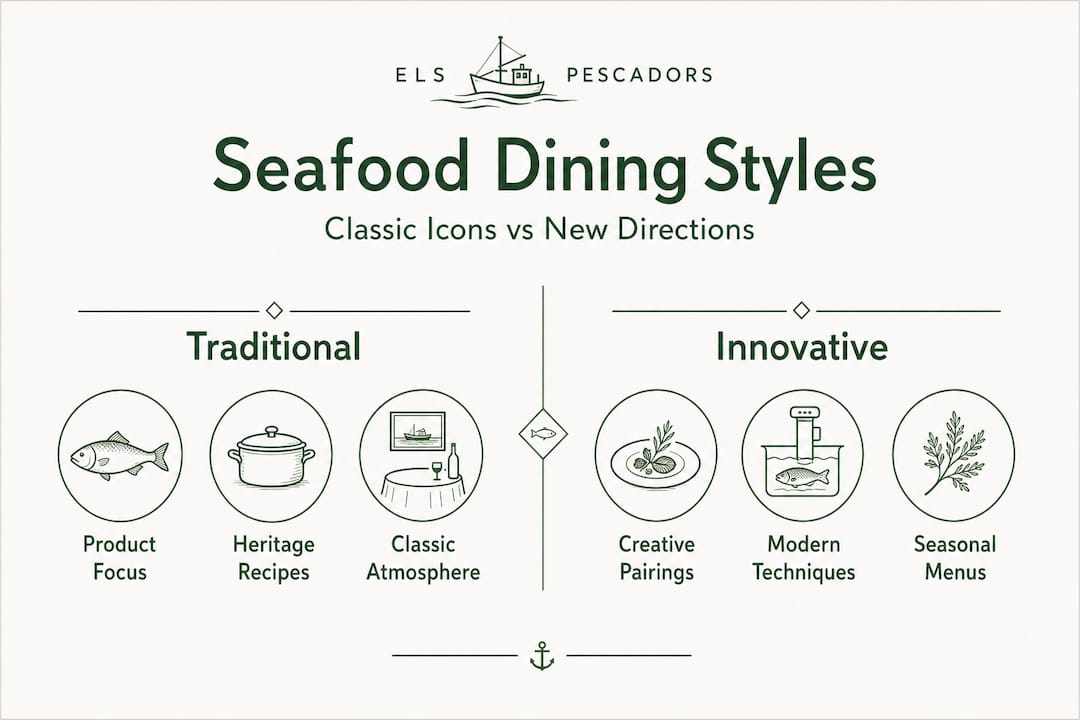
Barcelona’s traditional icons are product-focused institutions. Botafumeiro and Carballeira represent the philosophy that exceptional seafood requires very little intervention. Pristine ingredients, classic Galician and Catalan techniques, and decades of institutional knowledge are the pillars of this approach. These are restaurants where the fish itself is the star, and everything else exists to support that.
Modern innovators take a different path. Establishments like Fishølogy and Batea bring fusion sensibilities and creative techniques to the same commitment to quality ingredients. Sea charcuterie is one striking example of this trend, where chefs apply curing, aging, and smoking techniques borrowed from land-based charcuterie to the ocean’s bounty. The result is something genuinely new in the Catalan culinary vocabulary.
Key distinctions between the two approaches:
- Traditional: Minimal preparation, classical plating, emphasis on the fish’s natural flavor profile
- Innovative: Technique-driven, often drawing on Japanese, South American, or Northern European methods
- Traditional: Long-standing menus with beloved signature dishes that define the restaurant’s identity
- Innovative: Constantly evolving menus that treat seasonality as both a constraint and a creative prompt
- Both: Sourcing locally and honoring Catalan maritime heritage as the non-negotiable foundation
A notable statistic underscores the innovation trend: the majority of Michelin-recommended seafood restaurants in Barcelona now feature market-driven menus that change with the season, signaling that even the most celebrated kitchens view seasonality as their primary creative tool rather than a limitation.
Understanding authentic Catalan flavors helps you recognize when either approach is genuinely rooted in the region’s culinary DNA rather than simply borrowing its aesthetic. A good test is consistency: does the flavor on the plate match the story told on the menu?
The overlooked truth about fine seafood restaurants in Barcelona
Here is a candid view from inside the Barcelona seafood scene: the biggest mistake most visitors make is equating price with quality. Some of the most expensive meals in the tourist-heavy waterfront neighborhoods deliver the least authentic experience, while genuinely exceptional kitchens often operate in quieter neighborhoods with no sea view at all.
Tourist traps succeed by controlling the visual narrative. They place tables near the water, use photographs of their most photogenic dishes, and price high enough to imply exclusivity. But the food itself rarely reflects the investment in marketing. The kitchen relies on frozen or long-traveled fish because the volume of covers demands speed over sourcing.
Genuine fine seafood restaurants earn their reputation through something tourist traps cannot replicate: the loyalty of local diners who return week after week because the quality never wavers. How seasonality transforms the experience is something regulars feel viscerally, because they’ve tasted the same kitchen’s work across every season.
Maritime culinary traditions are also a genuine marker of authenticity. A kitchen that understands suquet de peix, the traditional Catalan fisherman’s stew, or knows how to prepare fideuà with the right toasted noodle depth, has absorbed something that no amount of modern equipment or Instagram strategy can teach.
The lesson is this: look past the view and look into the kitchen’s relationship with its ingredients, its community, and its culinary heritage. That relationship is what you will actually taste.
Experience Barcelona’s finest seafood with Els Pescadors
Ready to put your new knowledge to work? Everything this article has explored, from staff expertise and seasonal sourcing to culinary tradition and tasting menus, comes together at Els Pescadors in the historic Poblenou neighborhood.
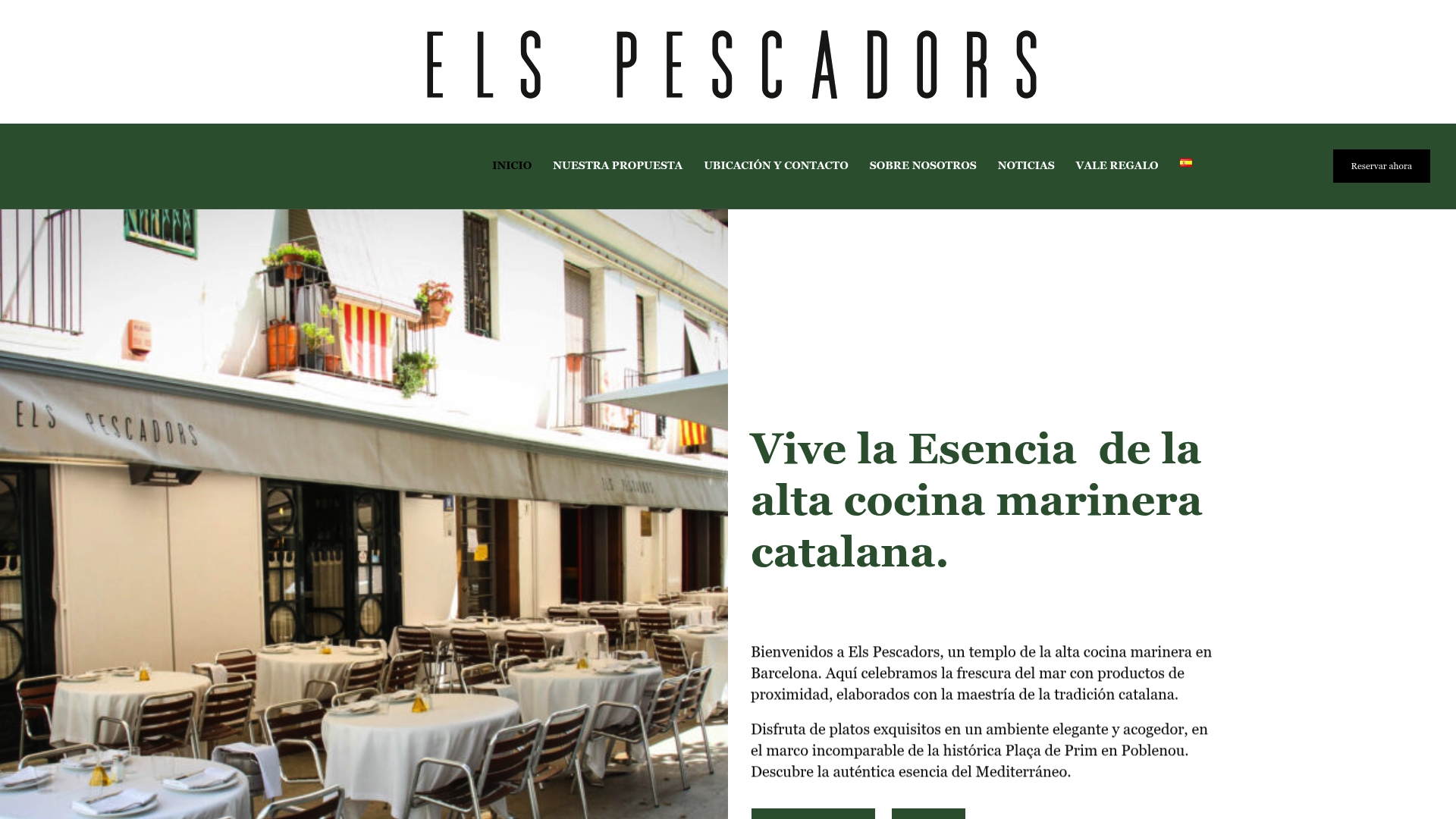
Els Pescadors sits in Plaça de Prim, away from the tourist waterfront, in a charming square that has been a gathering place for locals for generations. Our proposal brings together daily fresh catch, traditional Catalan rice dishes, and seasonal tasting experiences in a setting that balances warmth with refinement. Discover the full range of Barcelona seafood tasting menus on offer and explore the depth of Catalan seafood dishes that have shaped this region’s identity. Your next great seafood meal begins here.
Frequently asked questions
How do I identify a tourist trap versus a reputable seafood restaurant in Barcelona?
Look for restaurants with local clientele and longevity since the 1970s or 1980s, combined with knowledgeable staff who can speak specifically about the day’s catch and its origins. Waterfront location and high prices are not reliable indicators of quality.
What role does seasonality play in Barcelona’s top seafood restaurants?
Seasonality guides menu creation at the highest level, ensuring that every dish reflects the freshest available catch rather than a fixed year-round offering. Michelin-recognized kitchens in Barcelona consistently prioritize market-driven, seasonal menus as their primary marker of authenticity.
Are tasting menus necessary to enjoy the best seafood dining?
Tasting menus offer a curated path through a kitchen’s finest work, but exceptional quality is absolutely available through à la carte dishes made with fresh, local seafood. The Michelin Guide recognizes restaurants across both formats, confirming that the ingredients and sourcing matter more than the menu structure.
How does Barcelona’s seafood scene balance tradition and innovation?
The city’s top restaurants split between product-focused institutions honoring classical Catalan technique and creative kitchens using fusion methods and innovations like sea charcuterie. Both approaches share an unwavering commitment to quality local ingredients, making either direction a valid entry point into Barcelona’s extraordinary seafood culture.