Barcelona’s seafood scene is dazzling, but it can also be misleading. Walk down any waterfront street and you’ll find menus splashed with words like “fresh,” “local,” and “eco-responsible” that reveal almost nothing about how the fish actually got there. For diners who care about both flavor and real environmental impact, sorting genuine sustainable restaurants from those using vague marketing language is genuinely difficult. This guide lays out exactly what separates the real thing from the noise, and why choosing an authentically sustainable seafood restaurant in Barcelona delivers measurable advantages for your palate, your values, and the local community.
Table of Contents
- What truly defines a sustainable seafood restaurant?
- Top advantages of choosing sustainable seafood venues in Barcelona
- How menu design and tradition encourage sustainable choices
- Beware of greenwashing: what diners should look for
- Our perspective: The real secret behind memorable sustainable dining
- Discover authentic sustainable seafood dining in Barcelona
- Frequently asked questions
Key Takeaways
| Point | Details |
|---|---|
| Menu transparency | True sustainable seafood venues offer clear sourcing info and traceability, empowering confident choices. |
| Local and seasonal flavor | Diners enjoy peak freshness and authentic Catalan taste by choosing sustainable, locally sourced seafood. |
| Cultural connection | Menus combining tradition and sustainability help discover regional dishes and underappreciated species. |
| Avoiding greenwashing | Look for robust standards and policies, not just ecolabels, to ensure real environmental impact. |
What truly defines a sustainable seafood restaurant?
Now that we’ve set the scene for why discerning diners need more than marketing promises, let’s break down what makes a seafood restaurant genuinely sustainable in Barcelona.
The term “sustainable” is one of the most overused words in modern dining. Restaurants can print it on a menu without a single verifiable fact to back it up. So what does authentically sustainable actually look like in practice? It comes down to evidence: documented sourcing policies, recognized certifications, and transparency about exactly where the fish on your plate was caught or farmed.
Chain-of-custody certification is widely considered the gold standard. This means a restaurant can trace every batch of certified seafood from the point of harvest through every step of handling until it reaches your table. Transparency and traceability give diners real confidence rather than hoping a logo actually means something. Certifications from bodies like the Marine Stewardship Council (MSC) or Aquaculture Stewardship Council (ASC) involve rigorous third-party auditing, not self-reporting.
Beyond certifications, look for sourcing policies that are written down and publicly available. A restaurant committed to sustainability should be able to tell you which fishing vessels or farms supply them, which seasons govern their menu, and why certain species appear only at certain times. Operationalizing sourcing policies rather than relying on vague green claims is what transforms marketing into a genuine competitive differentiator.
Here’s what a genuinely sustainable seafood restaurant in Barcelona should demonstrate:
- A written sourcing policy with named suppliers or fisheries
- Chain-of-custody certification for at least a portion of their seafood
- Menus that change with the seasons, reflecting availability rather than habit
- Staff who can answer questions about where fish comes from
- Absence of known overfished species from their menu
“Sustainability is not a logo on a menu. It is a set of documented, enforceable practices that connect the diner’s plate to a responsible source.”
Pro Tip: Before you book, check if the restaurant publishes any sourcing information on its website. A short paragraph describing their fishing partners or seasonal approach is a reliable early signal of genuine commitment.
Understanding the sustainable fish benefits goes beyond ecology. It also shapes the quality of what lands in front of you. And knowing how to recognize authentic seafood experiences helps you invest your dining budget wisely.
Top advantages of choosing sustainable seafood venues in Barcelona
With a clear definition in hand, it’s time to see how eating at these restaurants directly benefits you as a diner in Barcelona.
Choosing a truly sustainable restaurant is not just an ethical act. It produces concrete, noticeable benefits that improve every aspect of your meal. Here are the most significant ones:
-
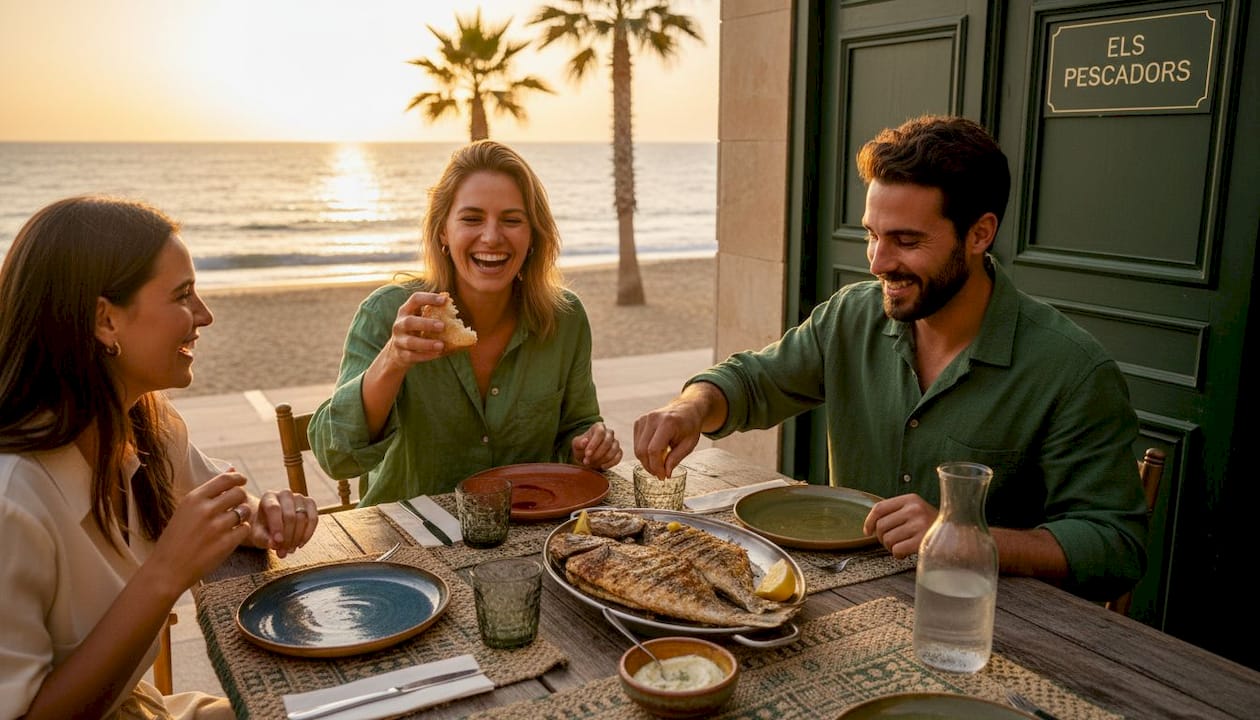
Superior freshness and flavor. When a restaurant sources locally and seasonally, the supply chain is dramatically shorter. Fish caught in the Mediterranean yesterday and served today simply tastes better than fish that has traveled across continents in refrigerated containers. Shorter transit means less cellular breakdown, better texture, and more vibrant, natural flavor.
-
Support for local Catalan fishers. Restaurants committed to regional sourcing channel money directly into the communities that practice traditional Catalan fishing. This keeps artisanal fishing viable and supports generational knowledge that would otherwise disappear.
-
Reduced pressure on overfished stocks. When restaurants deliberately rotate in underappreciated species and avoid fish from depleted populations, they help reduce consumer demand on stocks that are already under stress. Your meal becomes a small but real contribution to ecosystem health.
-
Confident, transparent ordering. Transparency and traceability via recognized certification schemes mean you know what you are eating, where it came from, and under what conditions it was harvested. You stop guessing.
-
Discovery of remarkable, lesser-known species. Sustainable menus often feature fish that supermarkets and conventional restaurants ignore. Species like escórpora (scorpionfish), gall (John Dory), or palaia (plaice) are delicious, sustainable, and deeply rooted in Catalan maritime tradition. Trying them is a genuine culinary discovery.
-
Peak-season Catalan dishes. Traditional Catalan cuisine was always organized around seasonality. Rice dishes, fish stews, and grilled catch vary by what the sea offers each month. Eating at a restaurant that follows this rhythm connects you to an older, richer version of Mediterranean cuisine. Learn more about why choose seasonal seafood and how it shapes every plate.
-
Becoming part of a community of conscious diners. Sustainable seafood restaurants in Barcelona attract a particular kind of guest: curious, engaged, and interested in food that means something. The atmosphere at these venues tends to reflect that energy.
| Advantage | What you experience at the table |
|---|---|
| Short supply chain | Noticeably fresher fish, better texture and aroma |
| Seasonal menu | Dishes that change with natural cycles, always at peak quality |
| Transparent sourcing | Confidence in what you order and where it came from |
| Local fishery support | Dishes tied to real Catalan fishing communities |
| Lesser-known species | Rare flavors you cannot find at most restaurants |
| Certified traceability | Third-party verified sustainability, not just a logo |
Pro Tip: Ask your server which fish on the menu was caught locally this week. A good sustainable restaurant will know the answer immediately. If no one can tell you, that tells you something too.
How menu design and tradition encourage sustainable choices
Many diners wonder how these benefits actually reach their table. Let’s explore how menu design and Catalan tradition make sustainable choices natural and tempting.
You might think that most diners choose fish based purely on name recognition. Sea bass, tuna, and salmon dominate orders everywhere, in part because they are familiar. But research shows that this pattern can be shifted meaningfully through smart menu design and cultural storytelling. Menu design can shift diner choice toward more sustainable but lower-market-value fish when tradition cues are used effectively.
What does this look like in practice? A menu that describes a lesser-known fish in the context of a classic Catalan recipe triggers curiosity and trust simultaneously. “Suquet de palaia” sounds far more inviting than simply “plaice stew,” because it frames the fish within a recognized culinary tradition. The dish becomes an invitation to taste cultural heritage, not a risk or a compromise.
Restaurants that combine sustainability with cultural narrative create a much stronger diner experience than those relying solely on eco-messaging. Environmental arguments alone often feel abstract or guilt-inducing. Tradition and flavor are immediate and personal.
Here are the key menu cues that effective sustainable restaurants use:
- Traditional dish names that frame unfamiliar fish within familiar Catalan recipes
- Seasonal symbols or notes that signal peak availability and freshness
- Brief origin stories describing the fishing village, vessel, or method used
- Chef’s recommendations that guide diners toward that week’s most sustainable catch
- Menu rotation that physically removes out-of-season or high-impact species
| Menu approach | Effect on diner behavior |
|---|---|
| Eco-label only | Mild increase in sustainable choice for eco-conscious segment |
| Traditional recipe framing | Broader appeal across segments, curiosity-driven ordering |
| Origin narrative with supplier name | Higher trust and perceived quality |
| Chef-curated daily catch | Strong influence, framed as expertise rather than obligation |
| Seasonal availability note | Scarcity and freshness cue, increases desirability |
Catalan traditional maritime cuisine has always worked this way, even before “sustainability” was a concept. The fishermen of Poblenou cooked what they caught. The season dictated the menu. That is still the most honest and flavorful approach to seafood dining.
If you want to experience this kind of menu in practice, well-designed seasonal tasting menus offer a guided path through what the sea offers right now. And understanding the structure of a Catalan tasting menu helps you appreciate what you are eating at every course. For additional context on planning meals around seasonal ingredients, meal inspiration resources can be a useful starting point.
Beware of greenwashing: what diners should look for
To get the most out of dining choices, a bit of know-how helps. Here’s how to spot authenticity versus greenwashing on the menu and beyond.
Greenwashing in seafood restaurants is far more common than most people realize. It ranges from deliberate deception to simple negligence, and it costs you both money and impact. A restaurant can technically describe itself as “eco-conscious” without a single sustainable sourcing practice in place. Knowing how to cut through that quickly protects your dining experience and your values.
Here’s what to look for and what to question:
-
Vague language without specifics. Phrases like “responsibly sourced” or “sustainable whenever possible” without supporting detail are red flags. Sourcing policies with real substance are what separate genuine commitment from brand positioning.
-
Generic ecolabels without traceability. A logo on a menu means nothing unless the restaurant can tell you which products carry that certification and show you the chain-of-custody documentation. Ask. Good restaurants will be pleased to explain.
-
Year-round menus with no seasonal variation. If a Barcelona restaurant offers the same fish in January and August, it is almost certainly not sourcing locally and seasonally. True sustainability means your options shift with the calendar.
-
No staff knowledge about sourcing. In a genuinely sustainable restaurant, at least the front-of-house team knows where the main fish comes from. If your server cannot answer a basic question about the catch of the day, the sustainable commitment likely does not go very deep.
-
Presence of known overfished species. Atlantic bluefin tuna on a menu that claims sustainability is an immediate contradiction. Research which species face the most pressure in the Mediterranean and compare that against what you see listed.
“A real sourcing policy names suppliers, specifies methods, and updates when the supply changes. Anything less is a statement of intention, not a practice.”
Making informed choices about sustainable seafood does not require becoming an expert. It requires asking three basic questions: Where was this caught? How was it certified? Does the menu change with the seasons?
Our perspective: The real secret behind memorable sustainable dining
Here is something most articles on this topic miss entirely: sustainability in Barcelona’s seafood dining scene is not primarily about certifications. Those matter, of course. But the restaurants that deliver truly memorable meals go far beyond ticking boxes.
The real secret is that the best sustainable seafood restaurants understand ecology, community, and taste as a single interconnected system. A chef who knows the fisherman by name, who visits the market at dawn to see what came in, and who builds the day’s menu around that conversation is practicing sustainability in the most complete sense possible. No amount of paperwork certifies what genuine care and craft produce at the table.
Catalan cuisine has a 500-year relationship with the sea. The rhythms of seasonal fishing in Catalan cuisine are not just environmental guidelines; they are the foundation of flavor. When a chef follows those rhythms out of genuine respect for tradition and ecology, the results are qualitatively different from a restaurant that follows them because an auditor requires it.
We believe that diners who seek this depth get something beyond a meal. They get a connection to Barcelona’s identity, to the families who have fished the Costa Brava for generations, and to a culinary tradition that was sustainable long before the word existed. That context transforms a dinner into something genuinely worth remembering.
The uncomfortable truth is that authentic sustainable dining asks more of the diner too. It means being open to an unfamiliar fish if that’s what the sea offered this week. It means trusting a menu that changes without warning and a chef who will always serve the season rather than the crowd. Diners willing to accept that invitation consistently report meals that exceed their expectations in every direction.
Discover authentic sustainable seafood dining in Barcelona
Ready to make your next seafood meal in Barcelona both delicious and impactful? Here’s how to experience sustainable dining firsthand.
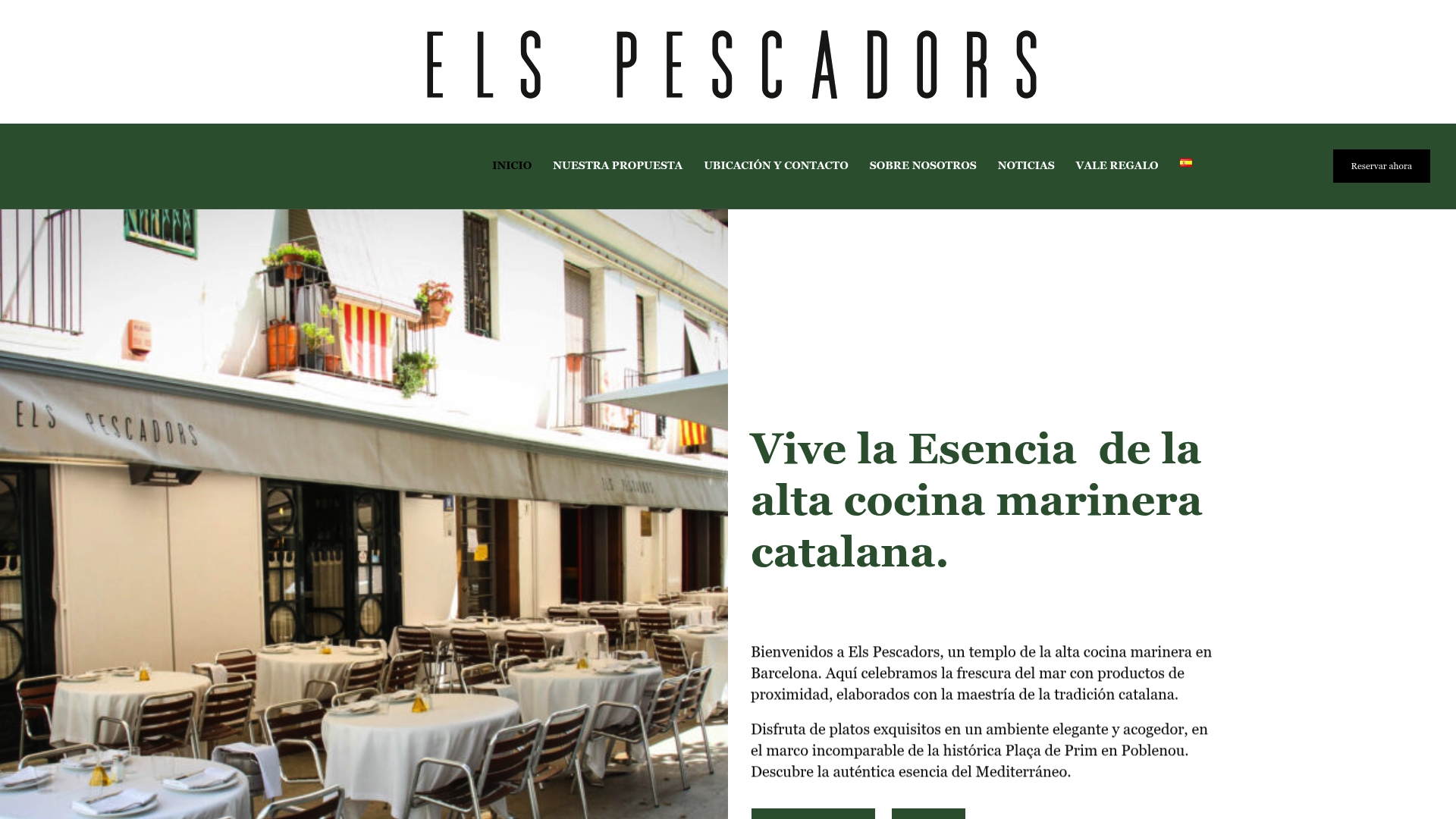
Els Pescadors, located in the historic Plaça de Prim in Poblenou, brings everything described in this article together in a single dining experience. The menu reflects the season, the sourcing reflects real relationships with local fishers, and the cooking reflects a deep respect for Catalan maritime tradition.
Discover our sustainability approach and how it shapes every dish we serve. Browse the finest seafood tasting menus in Barcelona and understand what genuine seasonal cuisine can offer. And when you are ready to appreciate the full context of what you’re tasting, explore traditional Catalan flavors that have defined this coastline for centuries. Your table at Els Pescadors is a direct connection to that story.
Frequently asked questions
How can I tell if a Barcelona seafood restaurant is truly sustainable?
Look for clear sourcing policies, certifications with chain-of-custody documentation, and detailed menu information beyond vague claims. Restaurants with genuine commitment can answer specific sourcing questions on the spot.
Does eating sustainable seafood actually improve the taste or freshness?
Yes, because locally and seasonally sourced fish travels shorter distances and arrives at the table closer to the moment of harvest, which directly improves texture and flavor.
Why do some sustainable seafood menus list unfamiliar fish species?
These menus feature underappreciated species because menu design can shift choices toward lower-market-value fish, reducing pressure on overfished stocks while introducing diners to genuine local flavors.
Are sustainability certifications always a guarantee of environmental responsibility?
Certifications are most reliable when paired with transparent, detailed sourcing policies. As research shows, operationalizing sourcing with real policies rather than vague labels is what creates genuine accountability and diner confidence.