Barcelona’s signature dishes are defined by authentic Catalan flavors that combine fresh seafood, locally sourced produce, and centuries-old preparation methods rooted in Mediterranean tradition. The term “traditional Catalan cuisine” is the recognized culinary framework behind what most travelers call famous foods in Barcelona. From the simplicity of pa amb tomàquet to the fisherman-born fideuà, every iconic plate tells a story about geography, history, and the people who shaped this region’s table. This guide gives you the full picture, dish by dish, so you arrive knowing exactly what to order and why it matters.
What makes signature dishes in Barcelona so distinct
Catalan cuisine is described as a food philosophy that balances three distinct worlds: the Mediterranean Sea, the Pyrenees mountains, and the inland agricultural plains. This produces the defining concept of mar i muntanya, meaning sea and mountain, where chicken pairs with lobster or cuttlefish combines with meatballs. No other regional cuisine in Spain makes this combination a structural principle rather than an occasional experiment.
The foundation of most signature dishes is the sofrito. This slow-cooked base of tomato, onion, garlic, and olive oil requires patience and attention. Rushing it produces a flat, acidic result. Done properly, it creates the deep, savory backbone that distinguishes a genuine Catalan dish from a tourist approximation.
Ingredient quality and seasonality are non-negotiable in authentic Catalan cooking. Dishes shift with the calendar: esqueixada is a summer staple, while calçots belong to winter communal feasts. Preservation techniques like salted cod and cured sausages are not compromises for lack of fresh product. Salted cod is a historical necessity turned culinary art, valued specifically for its concentrated, complex flavor.
- Fresh seafood: Sourced daily from the Mediterranean, with variety dictated by season and catch.
- Salted and cured products: Bacallà (salt cod) and botifarra sausage are prized for depth of flavor.
- Olive oil: Used generously as a cooking medium and finishing element.
- Legumes and vegetables: White beans, peppers, eggplant, and tomatoes anchor many classic preparations.
- Romesco sauce: A roasted pepper and almond sauce that appears across multiple dishes as a condiment.
Pro Tip: When you see “de temporada” on a menu, order it. That phrase means the kitchen is working with what is freshest right now, and those dishes almost always outperform the year-round staples.
1. Pa amb tomàquet
Pa amb tomàquet is the most ubiquitous staple in Barcelona, made by rubbing a ripe tomato directly onto crusty bread, then finishing with olive oil and salt. The key word is “rubbing.” The tomato pulp saturates the bread rather than sitting on top of it. Pre-made versions served in tourist restaurants are a pale imitation. Ingredient quality is everything here: the tomato must be ripe, the bread must have structure, and the olive oil must be good.
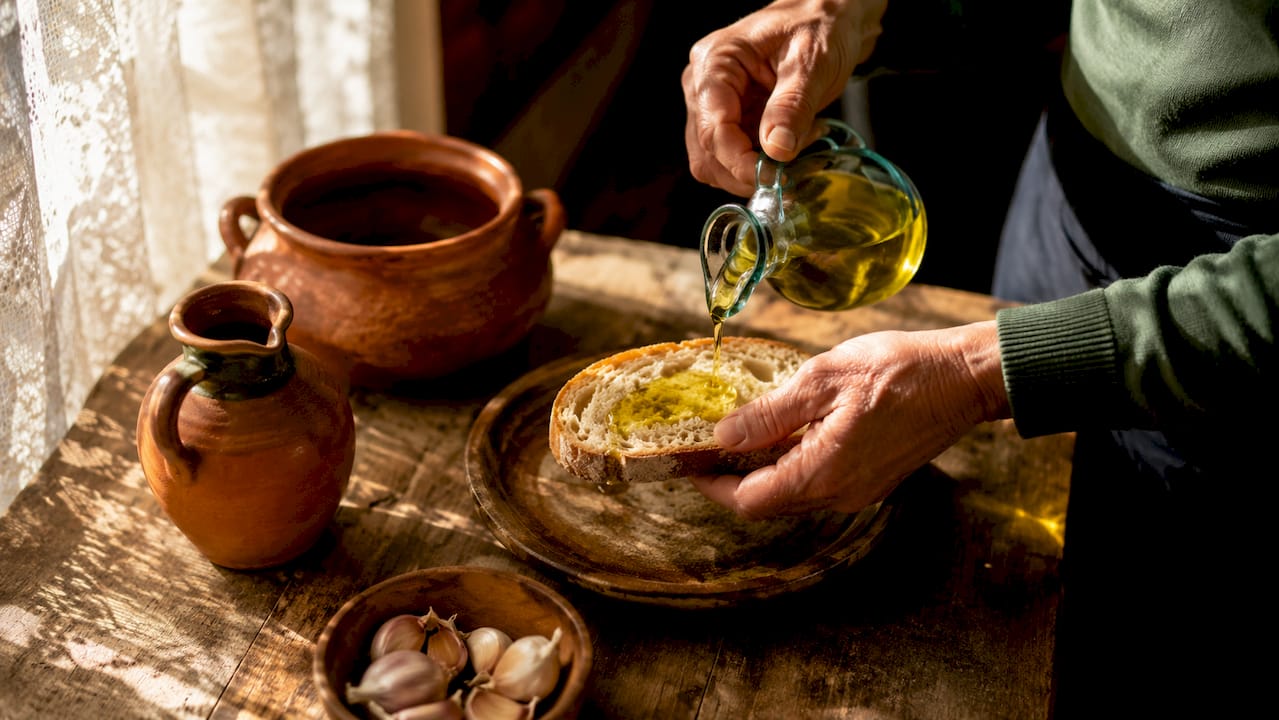
This dish appears at virtually every table in Barcelona before a meal, as a snack, or as the base for other toppings like jamón ibérico or anchovies. It is the clearest expression of Catalan culinary minimalism: few ingredients, maximum flavor, zero shortcuts.
2. Bombas de la Barceloneta
Bombas are meat-stuffed potato croquettes invented in the 1950s at La Cova Fumada in the Barceloneta neighborhood. They are served with two sauces: allioli (garlic mayonnaise) and a spicy red sauce. The name reportedly references the bomb-shaped form, though local legend ties it to the neighborhood’s working-class history.
These are one of the best tapas in Barcelona precisely because they carry a specific address and origin story. Ordering bombas anywhere else in the city is fine, but eating them in Barceloneta, near the beach where they were created, gives the experience a context that changes how they taste.
3. Esqueixada
Esqueixada is a cold salted cod salad served with tomatoes, onions, olives, and olive oil. The name comes from the Catalan verb meaning “to shred,” which describes exactly how the cod is prepared: pulled apart by hand into irregular pieces rather than cut. Authentic esqueixada uses cod that has undergone multi-month artisanal salting, which transforms both texture and flavor. It is not raw fish. The curing process makes it fully safe to eat without any additional cooking.
This dish is a summer staple and one of the clearest examples of how preservation techniques become culinary assets in Catalan cooking. The salt cod carries an intensity that fresh fish simply cannot replicate.
4. Fideuà
Fideuà was invented by fishermen who ran out of rice and substituted short noodles instead. The result is cooked in a flat pan with rich shellfish stock and served with allioli. The noodles absorb the stock and develop a slightly crispy bottom layer, similar to the socarrat in paella, but with a different texture and flavor profile.
This is the dish locals actually order when visitors are reaching for paella. It is distinctly Catalan, born from practical necessity, and refined over decades into one of the most satisfying seafood dishes in the region. Seasonal seafood transforms fideuà depending on what the Mediterranean offers that week.
5. Botifarra amb mongetes
Botifarra is a fresh Catalan pork sausage, and mongetes are white beans. Together they form one of the most straightforward and satisfying comfort dishes in traditional Catalan cuisine. The sausage is grilled until the skin blisters and cracks, then served alongside beans that have been slowly cooked with garlic and olive oil.
This dish appears across the region in farmhouses, neighborhood restaurants, and upscale dining rooms alike. Its longevity comes from its honesty: good pork, good beans, good technique. No sauce required.
6. Escalivada
Escalivada is a dish of roasted eggplant and red peppers, cooked directly over an open flame or in a wood oven until the skins char and the flesh becomes silky. The name derives from the Catalan word for cooking in embers. Once peeled and dressed with olive oil and salt, the vegetables develop a smoky sweetness that no oven roasting can fully replicate.
It is served as a side dish, a tapa, or a topping for pa amb tomàquet. Escalivada is also a practical illustration of how Catalan cooking extracts maximum flavor from minimal ingredients through technique rather than complexity.
7. Calçots with romesco
Calçots are a variety of green onion grown in the Tarragona region, grilled over an open fire until the outer layers blacken and the interior becomes tender and sweet. They are eaten communally at events called calçotades, typically held from late December through March. Diners peel back the charred outer layer and dip the onion into romesco sauce before eating it in one bite.
The calçotada is one of the most social eating rituals in Catalan culture. Attending one is not just a meal. It is a seasonal event with a specific protocol, specific tools (newspaper for wrapping the onions), and a specific sauce that has no real substitute.
Pro Tip: Romesco sauce made with nyora peppers, toasted almonds, and roasted garlic is the correct version. If a restaurant serves calçots with a generic red sauce, it is cutting corners.
8. Crema Catalana
Crema Catalana is Europe’s oldest custard dessert, documented in 14th-century Catalan cookbooks. It predates French crème brûlée by centuries and differs in its use of milk rather than cream, plus a flavoring of lemon zest and cinnamon. The defining feature is the brittle caramelized sugar crust, cracked with a spoon before eating.
Ordering crema Catalana in Barcelona is not a tourist move. It is the correct dessert choice, made from a recipe that has remained essentially unchanged for 700 years. That kind of culinary continuity is rare anywhere in the world.
9. Patatas bravas
Patatas bravas are fried potato cubes served with a spicy tomato-based sauce and, in many Catalan versions, allioli as well. The dish appears on nearly every tapas menu in Barcelona. The quality gap between versions is enormous: the best use double-fried potatoes for a crispy exterior and a fluffy interior, with a sauce made from scratch.
They are one of the most ordered dishes in the city, which means they are also one of the most frequently done poorly. Seek out restaurants where the sauce is made in-house and the potatoes are fried to order.
10. Jamón ibérico
Jamón ibérico is cured Iberian ham, sliced thin and served at room temperature. The best versions come from free-range pigs fed on acorns (bellota), which produces a marbled, nutty fat that melts on the tongue. It is not a Catalan invention, but it is a fixture on every serious table in Barcelona.
The distinction between jamón ibérico and jamón serrano matters. Ibérico comes from a specific breed and feeding regimen. Serrano is a generic cured ham. Paying the price difference for ibérico is worth it every time.
How and where to find authentic dishes in Barcelona
The most reliable signal of an authentic restaurant is a menu written in Catalan, not just Spanish or English. Restaurants that list dishes in Catalan are typically cooking for locals, not for foot traffic from La Rambla. The Poblenou, Gràcia, and Sant Pere neighborhoods consistently deliver better traditional cooking than the Gothic Quarter tourist corridor.
Dining culture in Barcelona prioritizes a slow-paced meal with sofrito bases requiring long cooking times. Arriving early at popular traditional restaurants, before the main lunch rush at 2 p.m., improves your chances of getting a table and receiving dishes at their best. Lunch is the main meal of the day in Catalan culture, and the menú del día (fixed lunch menu) at a good neighborhood restaurant delivers exceptional value.
Seasonal eating is not optional if you want the best experience. Esqueixada peaks in summer. Calçots are a winter and early spring ritual. Asking your server what is freshest that day is not a naive question. It is the right question.
“The best meals I have had in Barcelona came from restaurants where the menu changed weekly and the server could tell me exactly where the fish came from that morning.”
Common misconceptions about Barcelona’s food identity
The most widespread mistake visitors make is ordering paella in Barcelona and assuming it is a local specialty. Paella is originally Valencian, developed in the rice-growing regions south of Barcelona. Fideuà is the Catalan answer to that dish, and locals strongly prefer it for authentic regional cooking.
A few other myths worth correcting:
- Salted cod is not inferior to fresh fish. The multi-month curing process creates a flavor profile that fresh cod cannot produce. It is a deliberate culinary choice, not a compromise.
- Mar i muntanya combinations are not fusion cooking. Pairing seafood with meat is a structural feature of Catalan culinary identity, not a modern experiment.
- Crema Catalana is not a copy of crème brûlée. The Catalan version is older, uses different dairy, and has a distinct flavor profile from the French preparation.
- Tapas culture in Barcelona is different from Madrid. Barcelona’s tapa tradition is less formalized. Many bars serve pintxos (bread-based bites) or full plates rather than the small shared portions typical of Andalusia or Madrid.
Understanding these distinctions separates a genuinely informed food experience from a generic tourist meal.
Key takeaways
Barcelona’s signature dishes are inseparable from Catalan culinary philosophy: seasonal ingredients, mar i muntanya balance, and preservation techniques that create flavor rather than mask its absence.
| Point | Details |
|---|---|
| Mar i muntanya is the core principle | Sea and mountain ingredient pairings define Catalan cooking at every level, from tapas to tasting menus. |
| Fideuà, not paella, is the local dish | Paella is Valencian; fideuà is the authentic Catalan seafood noodle dish locals actually order. |
| Seasonality shapes every menu | Esqueixada peaks in summer; calçots are a winter ritual. Eating seasonally delivers the best flavors. |
| Preservation is a culinary asset | Salted cod and cured sausages are prized for concentrated flavor, not treated as substitutes for fresh product. |
| Neighborhood matters | Restaurants in Poblenou, Gràcia, and Sant Pere consistently deliver more authentic cooking than tourist-heavy areas. |
Why the story behind the dish changes how it tastes
Most food guides hand you a list and move on. What they skip is the part that actually makes eating in Barcelona memorable: understanding why each dish exists. Fideuà was not invented by a chef. It was invented by fishermen who ran out of rice. Bombas were not designed for a restaurant menu. They came from a neighborhood bar in Barceloneta in the 1950s. Crema Catalana was not inspired by French cuisine. It predates it.
When I eat in Barcelona, I find that the dishes I remember longest are the ones where I understood the context before the first bite. Pa amb tomàquet tastes different when you know it is not a starter. It is a daily ritual, the Catalan equivalent of buttering bread, done with the same automatic familiarity. Calçots taste different when you understand that the blackened outer layer is not a mistake. It is the point.
My honest advice: resist the urge to cover as many restaurants as possible. Spend more time in fewer places. Order the menú del día at a neighborhood restaurant in Poblenou on a Tuesday. Ask what came in fresh that morning. Eat slowly. The dishes that define Barcelona are not designed for speed.
— YellowRock
Experience these dishes at Elspescadors
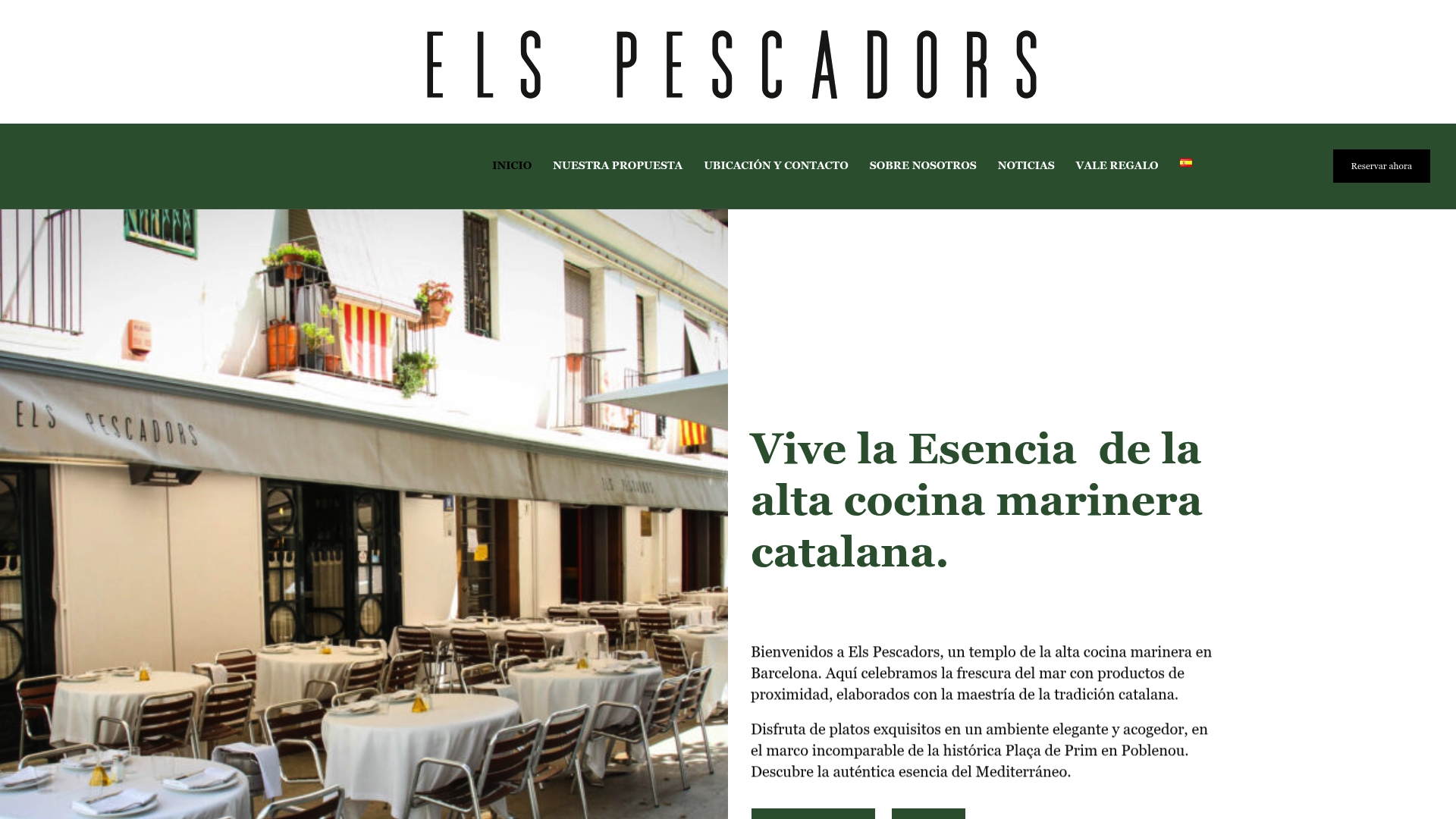
Elspescadors brings together the signature dishes and culinary traditions described in this guide under one roof in Barcelona’s historic Poblenou district. The restaurant specializes in authentic Catalan maritime cuisine, with a menu built around daily fresh catch, seasonal seafood, and traditional rice and noodle dishes prepared with locally sourced ingredients. Every plate reflects the mar i muntanya philosophy and the same commitment to ingredient quality that defines the best of Barcelona’s food culture. Whether you are visiting Barcelona for the first time or returning as a seasoned food traveler, reserve your table at Elspescadors for a meal that goes well beyond the tourist trail.
FAQ
What is the most iconic dish in Barcelona?
Pa amb tomàquet is widely considered the most iconic dish in Barcelona. It is a daily staple made by rubbing ripe tomato onto crusty bread with olive oil and salt, present at virtually every Catalan table.
Is paella a Barcelona specialty?
Paella is originally from Valencia, not Barcelona. The local Catalan alternative is fideuà, a seafood noodle dish cooked in shellfish stock and served with allioli, which locals strongly prefer.
What is mar i muntanya in Catalan cooking?
Mar i muntanya means “sea and mountain” and describes the Catalan practice of combining seafood with meat in the same dish. Classic examples include chicken with lobster and cuttlefish with meatballs.
When is the best time to eat calçots in Barcelona?
Calçots are a seasonal dish available from late December through March. They are traditionally eaten at communal outdoor events called calçotades, grilled over open fire and served with romesco sauce.
What makes Crema Catalana different from crème brûlée?
Crema Catalana is documented in 14th-century Catalan cookbooks, predating French crème brûlée by centuries. It uses milk rather than cream and is flavored with lemon zest and cinnamon, giving it a lighter, more citrus-forward profile.