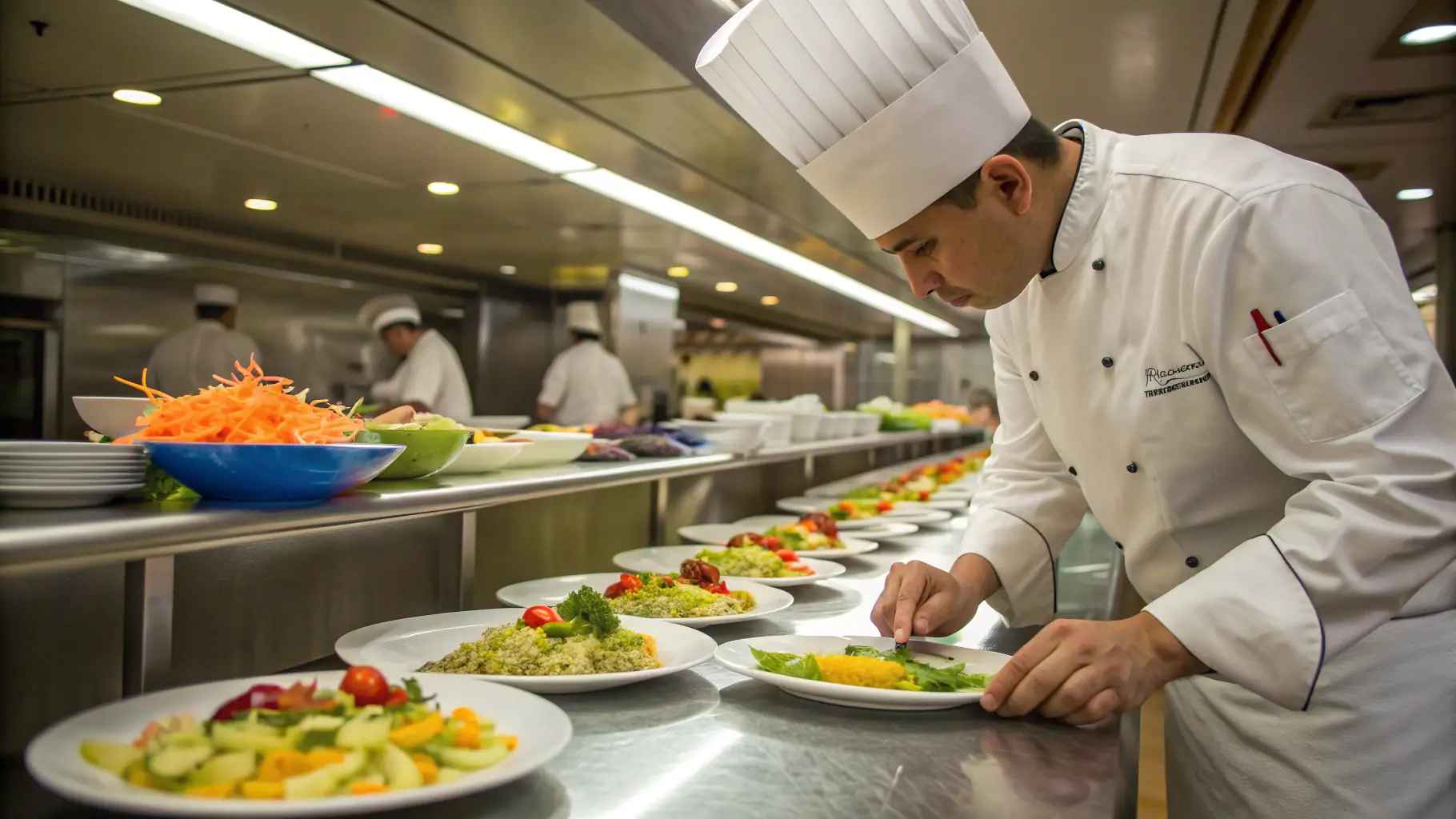
A fresh catch menu is a rotating seafood selection built around what local fishermen landed that day or week, designed to serve fish at peak flavor before quality degrades. Unlike a fixed menu, it changes with the seasons, the tides, and the catch. Most diners assume “fresh” means never-frozen, but the seafood industry defines it differently. Understanding that gap is the key to ordering smarter and eating better.
What is a fresh catch menu and how does it work?
A fresh catch menu is a seasonal selection of seafood sourced locally and served shortly after harvest, minimizing transit and storage time to preserve optimal texture and flavor. In practice, this means the menu at a quality seafood restaurant may list different fish on Tuesday than it did on Saturday. The selection depends entirely on what boats brought in that morning or the night before.
The industry term for this concept is “catch of the day,” though “fresh catch menu” has become the broader label used in restaurant marketing to describe an entire section of daily or weekly rotating seafood offerings. Both terms signal the same commitment: the kitchen is working with what is best right now, not what was ordered from a distributor three days ago.
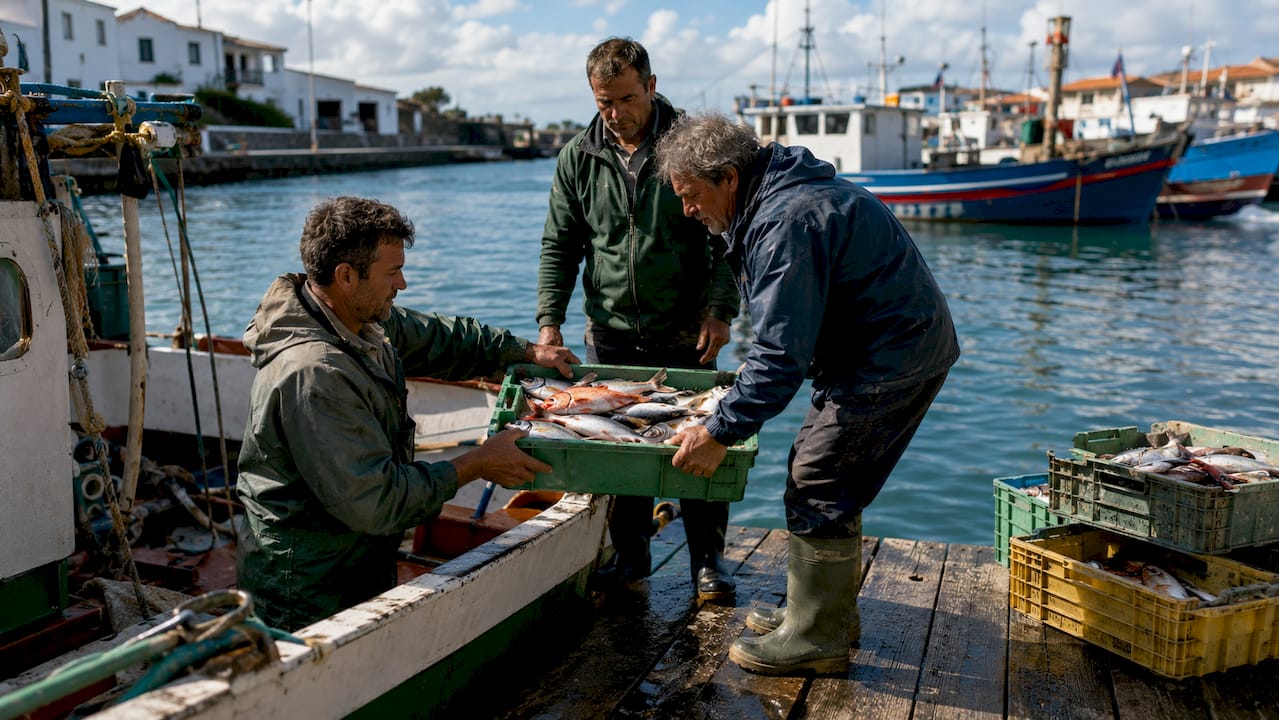
This approach requires real operational discipline. A chef running a fresh catch seafood menu cannot pre-print menus weeks in advance or lock in food costs the way a standard kitchen does. The trade-off is access to fish at its absolute best. When a red mullet or a line-caught sea bass arrives hours after leaving the water, the flavor difference is not subtle. It is the difference between a dish that tastes alive and one that merely tastes fine.
How do restaurants source seafood for fresh catch menus?
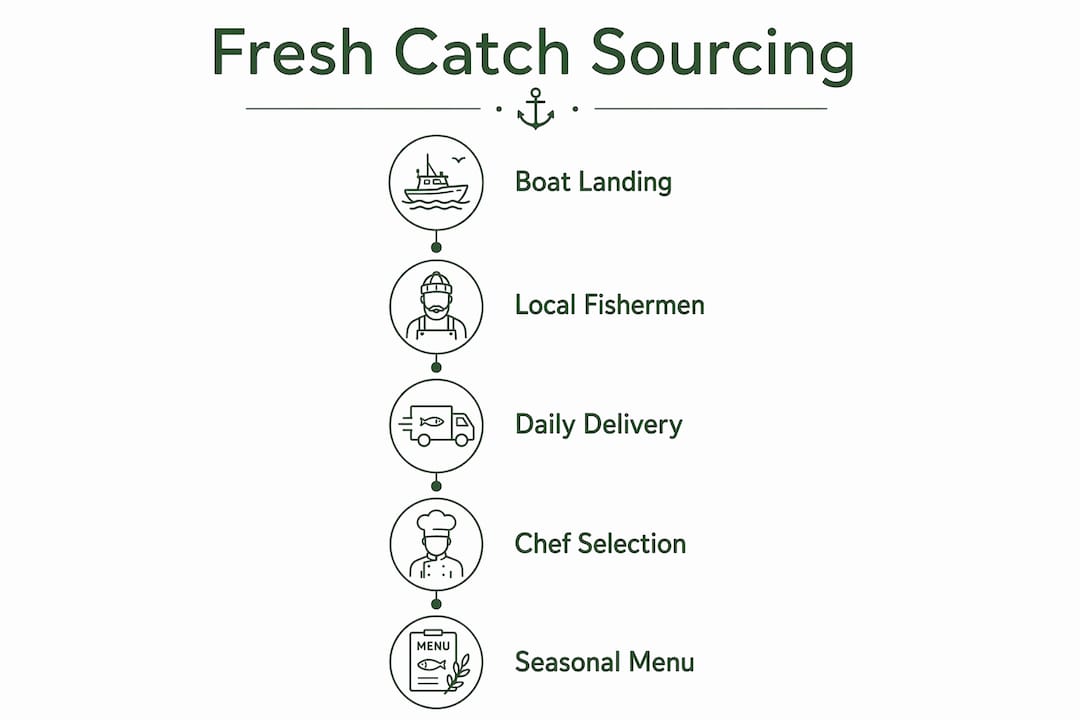
Sourcing is where the fresh catch concept either holds up or falls apart. Restaurants that do it well build direct relationships with specific fishing boats or local fish markets rather than relying entirely on broadline distributors. Local sourcing supports sustainability and adds authenticity to the dining experience, with restaurants often partnering with local fisheries to highlight regional flavors.
The core sourcing practices that define a genuine fresh catch program include:
- Direct boat relationships: The restaurant contacts a specific captain or cooperative the night before or early morning to confirm what was caught and when it was landed.
- Daily market visits: A chef or buyer physically visits the fish market at dawn, selecting by eye and smell rather than ordering blind from a catalog.
- Seasonal rotation: The menu reflects what is biologically abundant. Mediterranean restaurants feature red mullet and sea bream in summer, shifting to monkfish and cuttlefish in cooler months.
- Short supply chains: The fewer hands between the ocean and the plate, the better. Each transfer point adds time, handling, and temperature risk.
- Transparency with diners: Reputable restaurants can tell you the name of the fishing vessel or the port of origin for that day’s catch.
The difference between this and standard menu sourcing is significant. A conventional restaurant orders from a distributor who aggregates fish from multiple sources, often across several days of cold storage. A fresh catch program compresses that timeline to hours.
Pro Tip: When you sit down at a seafood restaurant, ask your server where the day’s fish came from and when it was landed. A kitchen running a genuine fresh catch program will answer that question without hesitation.
What does “fresh” really mean in seafood menus and retail?
This is where most diners get misled. There is no standardized legal definition for “fresh” seafood. Most fish labeled fresh has been flash-frozen shortly after harvest and thawed later for sale. That label is not deceptive. It reflects a real preservation method that, when done correctly, produces excellent results.
Flash freezing, specifically Individual Quick Freezing (IQF), works by dropping fish to extremely low temperatures within minutes of being caught, often while still on the boat. IQF technology prevents large ice crystals from forming inside the fish tissue, which is what causes the mushy texture associated with poorly frozen seafood. The result is a product that arrives at the restaurant or store with its cellular structure intact.
Here is how truly never-frozen fish compares to high-quality IQF seafood:
| Factor | Never-frozen fish | IQF flash-frozen fish |
|---|---|---|
| Time sensitivity | Must be consumed within 1-3 days of catch | Stable for months without quality loss |
| Texture | Ideal when truly fresh; degrades quickly on ice | Firm and consistent when properly thawed |
| Flavor | Peak flavor at landing; declines with each day on ice | Locked in at peak freshness at sea |
| Risk | Higher if transit time is long | Lower; freezing halts bacterial growth |
| Availability | Limited to local, seasonal catch | Available year-round from global sources |
Frozen seafood often surpasses the freshness quality of “fresh” fish that has traveled days on ice because freezing stops protein degradation and moisture loss. A sea bass caught off the Catalan coast and IQF-frozen on the boat may taste better than a “fresh” sea bass that spent four days in a refrigerated truck crossing the country.
Flash-frozen fish retains sensory freshness, including firm flesh, a clean ocean smell, and intact texture, often better than non-frozen fish stored on ice for several days. The practical implication is that a restaurant’s fresh catch menu may legitimately include IQF fish without compromising quality.
Pro Tip: Do not dismiss a dish because the fish was previously frozen. Ask instead how it was frozen and when it was thawed. IQF fish thawed that morning is almost always superior to “fresh” fish that has been sitting on ice since Monday.
How does a fresh catch menu benefit diners and chefs?
The advantages of a dynamic fresh catch menu run in both directions across the pass. Chefs gain creative freedom. Diners gain variety and quality. The benefits stack up in a specific sequence:
- Peak ingredient quality drives better cooking. When a chef knows the fish arrived that morning, they can apply minimal technique and let the ingredient speak. A perfectly fresh dorada needs little more than olive oil, salt, and a hot pan. Older fish needs sauces and seasoning to compensate for what it has lost.
- Seasonal menus encourage culinary creativity. A chef who cannot rely on the same four fish year-round is forced to develop recipes around whatever is best that week. This produces more interesting food and a kitchen that stays sharp.
- Diners experience genuine variety. A fixed menu offers the same choices every visit. A fresh catch program means a regular diner might encounter a different species or preparation every time they sit down, which builds loyalty and anticipation.
- Connection to local waters adds meaning. Knowing that the cuttlefish on your plate was caught off the Barcelona coast that morning changes how you experience the dish. It is not just food. It is a specific place and moment.
- Supporting local fisheries creates a sustainable loop. Restaurants that buy directly from local boats keep money in coastal communities and incentivize sustainable fishing practices. The role of seasonal fishing in Catalan cuisine, for example, is inseparable from the economic health of the fishing communities along the Costa Brava and the Barcelona waterfront.
The fresh ingredients in seafood flavor are not just a marketing point. They are the actual mechanism by which a great seafood restaurant delivers on its promise.
What should you look for when ordering from a fresh catch menu?
Ordering well from a fresh catch menu is a skill, and it starts before the food arrives. These are the questions and observations that separate an informed diner from someone who just picks the most familiar name on the list:
- Ask about the catch date. Any reputable kitchen knows when the fish arrived. If the server cannot answer, that tells you something about how seriously the restaurant takes its sourcing.
- Request sourcing transparency. Where was it caught? By whom? Local and named sources signal a genuine program. Vague answers like “from our supplier” suggest a standard distribution chain dressed up with fresh catch language.
- Clarify frozen versus never-frozen status. As established above, this is not a disqualifying question. A good restaurant will explain their IQF practices honestly. What you want to avoid is fish that was frozen poorly or thawed days ago.
- Trust chef recommendations. The server or chef knows what came in that morning and what is at its best right now. The dish they recommend is usually the one the kitchen is most excited about, which is almost always the right order.
- Use your senses at the table. Quality indicators include smell, texture, and appearance. Fresh fish smells clean, like the ocean, not fishy. The flesh should be firm and moist, not flaking apart or releasing excess liquid onto the plate.
- Embrace the unfamiliar. A fresh catch menu will sometimes feature species you have never ordered. That is the point. A knowledgeable server can describe the flavor profile and preparation. Saying yes to something new is usually how you find your new favorite dish.
Key takeaways
A fresh catch menu delivers superior flavor and variety because it prioritizes locally sourced, recently landed seafood over fixed, year-round offerings, and understanding the fresh versus IQF distinction is what separates informed diners from disappointed ones.
| Point | Details |
|---|---|
| Definition of fresh catch | A rotating menu built around locally sourced seafood served shortly after landing, not a fixed selection. |
| “Fresh” does not mean never-frozen | IQF flash-frozen fish often surpasses ice-stored “fresh” fish in texture, flavor, and safety. |
| Sourcing transparency matters | Direct boat relationships and daily market sourcing define a genuine fresh catch program. |
| Diners and chefs both benefit | Seasonal variety drives kitchen creativity and gives diners a more authentic, connected experience. |
| How to order smart | Ask about catch dates, sourcing origin, and frozen status before ordering from any fresh catch menu. |
Why the fresh catch concept deserves more credit than it gets
Most food writing treats “fresh catch” as a marketing phrase, and honestly, sometimes it is. I have seen laminated menus with a “fresh catch” section that lists the same four fish every single week. That is not a fresh catch program. That is a branding decision.
But when a restaurant actually commits to the concept, the results are hard to argue with. The most memorable seafood meals I have encountered share one characteristic: the kitchen was working with something that arrived that morning and had no interest in hiding it. No heavy sauces, no elaborate presentations designed to distract. Just a fish at its best, prepared by someone who understood what they had.
The IQF conversation is one I think deserves more honesty in dining culture. Diners have been trained to distrust frozen fish, and that distrust is mostly misplaced. A line-caught sea bass frozen at sea within two hours of landing is a better product than the same species held on ice for three days in a distribution center. The science is not complicated. The resistance is cultural.
What I find most valuable about a genuine fresh catch seafood menu is that it forces a restaurant to be honest. You cannot fake what came in today. The menu either reflects the catch or it does not. That transparency, when it exists, is the clearest signal that a kitchen cares about what it is serving you.
— YellowRock
Experience fresh catch dining at Elspescadors in Barcelona
Elspescadors, located in the historic Poblenou district of Barcelona, builds its menu around exactly the principles described in this article. The kitchen works with seasonal, locally sourced seafood that reflects what the Mediterranean offers at its best each day.
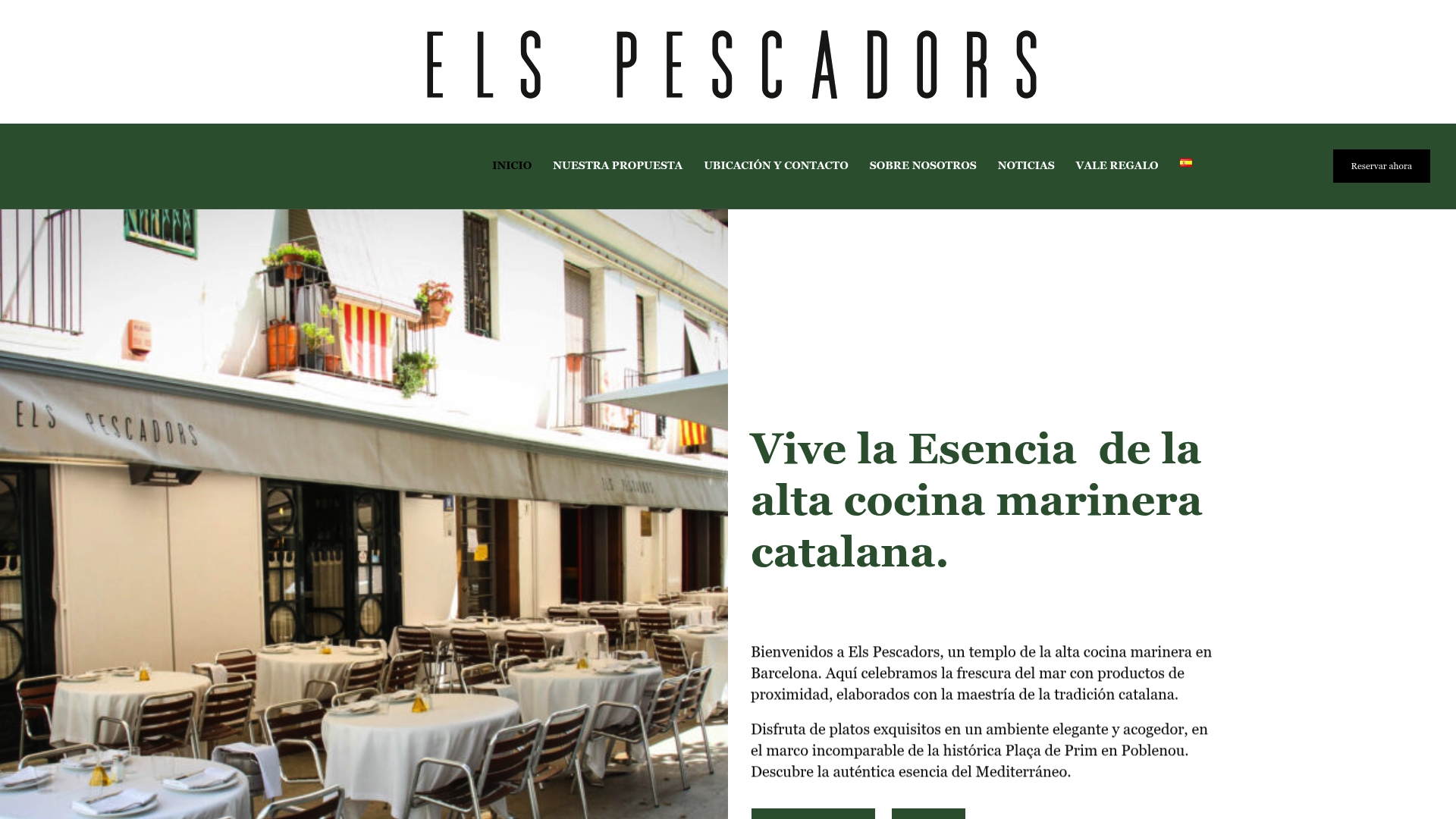
The fresh catch approach at Elspescadors means the menu shifts with the season, the catch, and the tide. From traditional Catalan rice dishes to whole grilled fish landed that morning, every plate reflects a direct relationship with local fishermen and a refusal to compromise on quality. If you want to experience what a fresh catch seafood menu looks like when a kitchen takes it seriously, reserve your table at Elspescadors and let the day’s catch decide what you eat.
FAQ
What is a fresh catch menu?
A fresh catch menu is a rotating seafood selection built around locally sourced fish and shellfish served shortly after landing, with offerings that change based on daily or seasonal availability rather than a fixed list.
Is fresh catch fish always never-frozen?
No. Most seafood labeled fresh has been flash-frozen after harvest and thawed for service. High-quality IQF flash-frozen fish often delivers better texture and flavor than never-frozen fish stored on ice for several days.
How often does a fresh catch menu change?
A genuine fresh catch menu changes daily or several times per week based on what local boats land. Some restaurants update their fresh catch specials every morning after visiting the fish market.
What are the best fresh catch options to order?
The best fresh catch dishes are always the ones the kitchen recommends that day, as these reflect what arrived most recently and is at peak quality. Ask your server what came in that morning and order that.
Why does fresh catch seafood taste better?
Fish served within hours of landing retains firm texture, clean flavor, and natural moisture that degrades quickly in cold storage. Sensory freshness, including smell, texture, and appearance, is highest closest to the moment of catch.