How to spot tourist traps and find real Catalan seafood dining
Avoiding tourist trap restaurants in Barcelona comes down to two things: knowing what to look for and knowing where to walk. The city is genuinely easy to eat badly in. Las Ramblas alone has enough laminated menus, neon paella signs, and staff waving you inside to ruin a week of dinners. The good news is that the best seafood in Barcelona is rarely more than two streets away from the worst of it.
A few quick rules before you go deeper:
- Menus in five or more languages with large photos outside are the single clearest warning sign.
- Aggressive staff at the entrance, inviting you in, almost always signals volume over quality.
- Avoid eating dinner before 8:30 PM. Restaurants that fill up at 6:30 PM are filling up with tourists.
- Look for menus written primarily in Catalan. That alone filters out most traps.
- Neighborhoods like Gràcia, Sant Antoni, Poblenou, and Poble-sec are where locals actually eat.
Pro Tip: If the menu has photos and the staff speaks to you in English before you’ve said a word, keep walking. Authentic spots let the food do the talking.
Table of Contents
- Recognizing the real signs of a tourist trap restaurant
- Where locals actually eat: neighborhoods for authentic seafood
- How local dining schedules change everything
- Elspescadors: what a genuine Catalan seafood restaurant looks like
- How to verify a restaurant’s authenticity before you sit down
- Elspescadors: reserve a table for authentic Catalan seafood
- Key Takeaways
- FAQ
Recognizing the real signs of a tourist trap restaurant
Photo menus in six languages are the most obvious tell, but there are subtler ones worth knowing.
- Oversized laminated menus with pictures of every dish signal a kitchen built for speed, not craft.
- “Tourist menu” boards advertising three courses for €10–€12 with a drink prioritize turnover. The ingredients reflect that price.
- Staff stationed outside to pull in foot traffic is a practice almost exclusively found in restaurants that depend on tourist volume rather than repeat local customers.
- Paella served at dinner, especially if it arrives in under fifteen minutes, is almost certainly reheated. Locals eat rice dishes at lunch, between 1:30 PM and 4:00 PM.
- Location on Las Ramblas or directly facing major monuments is not automatically disqualifying, but it raises the bar for scrutiny considerably.
- “Authentic tapas” signs in English on A-frame boards outside are a contradiction in terms.
High-quality restaurants rely on handwritten chalkboards or simple printed menus in Catalan. Short menus signal seasonal sourcing. Long menus with photos signal a freezer.
Where locals actually eat: neighborhoods for authentic seafood
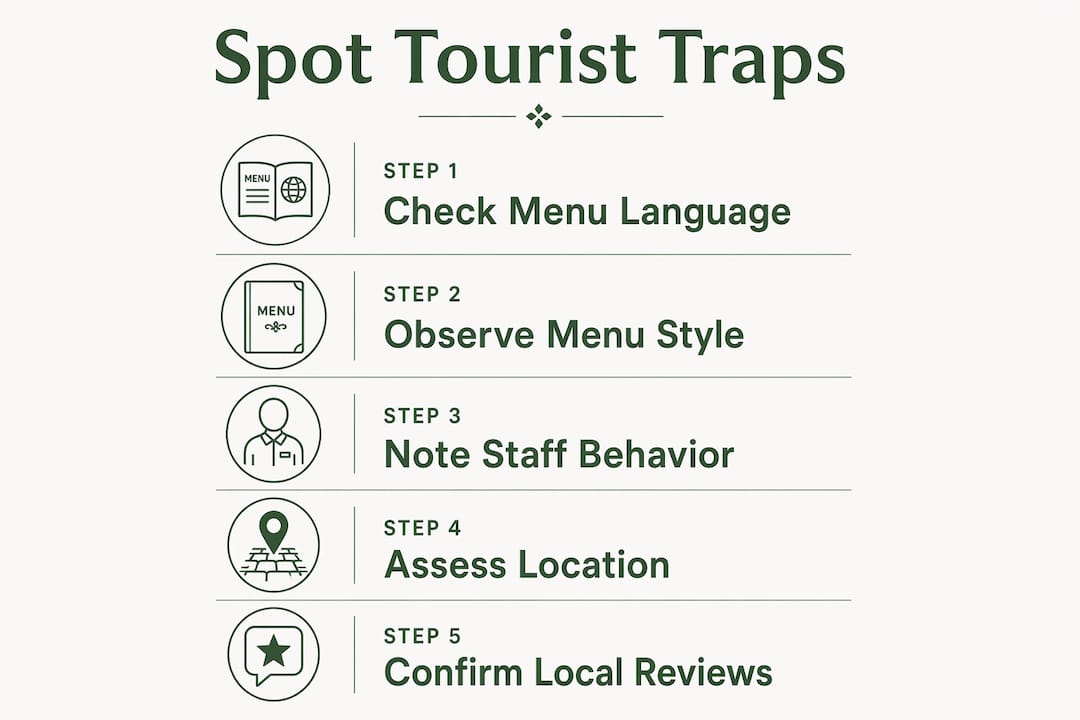
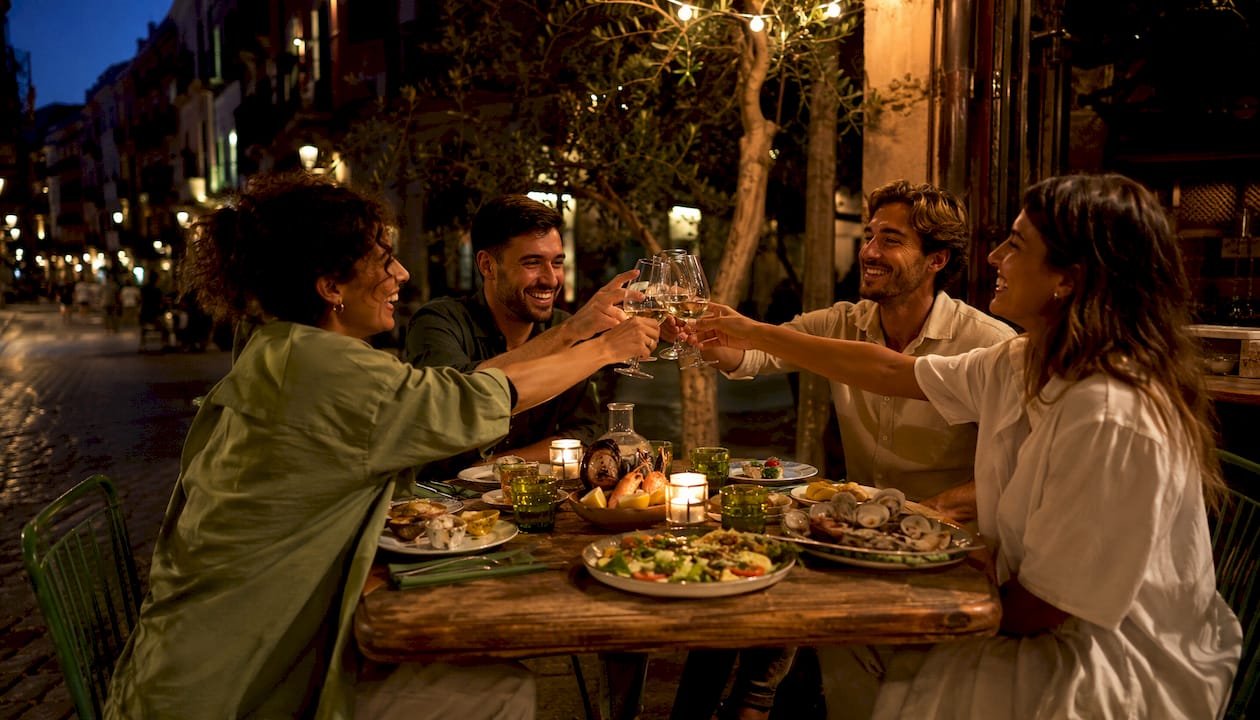
The best food neighborhoods in Barcelona for genuine dining are El Born, Gràcia, Sant Antoni, Barceloneta, and Poble-sec. Poblenou, historically a fishing and industrial district, has become one of the city’s most interesting dining areas without losing its neighborhood character.
| Neighborhood | What to expect |
|---|---|
| Gràcia | Residential, locals-only feel; traditional Catalan taverns and wine bars |
| Sant Antoni | Market-driven dining; strong natural wine scene; calmer than El Born |
| Poblenou | Historic maritime district; fresh seafood focus; fewer tourists |
| Poble-sec | Compact, walkable; excellent value; strong local clientele |
| El Born | Beautiful but uneven; book ahead and avoid the busiest squares |
Authentic seafood restaurants in these areas tend to use seasonal, locally sourced ingredients rather than fixed menus built around tourist expectations. The difference shows up immediately in the menu length and the language it’s written in.
Pro Tip: Combine your neighborhood with your itinerary. Near Sagrada Família? Eat in Eixample or Gràcia. Spending the afternoon in El Born? Book ahead on the Santa Caterina side, not the busiest lanes.
How local dining schedules change everything
Dining too early is one of the most reliable ways to end up in a tourist trap. Restaurants that fill before 8:30 PM are almost always catering to visitors, and their kitchens know it.
- Lunch runs 1:30–4:00 PM. This is when locals eat their main meal. Rice dishes, fideuà, and fresh catch specials belong here.
- Dinner starts at 8:30 PM at the earliest, with 9:00–10:30 PM being the real window. Book popular spots in advance.
- Vermouth around 7:00 PM is a local ritual worth adopting. It bridges the gap and keeps you out of early-dinner tourist traps.
- Paella at dinner is a red flag. Restaurants pushing paella at 10:30 PM beside a sangria special are not serving fresh rice.
- Order pa amb tomàquet (bread rubbed with tomato and olive oil) as a baseline quality check. A kitchen that does this well usually does everything else well too.
Following local dining hours also changes how staff interact with you. Walk into a good restaurant at 9:30 PM when it’s full of locals, and the experience is entirely different from showing up at 6:30 PM to an empty room.
Elspescadors: what a genuine Catalan seafood restaurant looks like
Els Pescadors sits in Plaça de Prim in Poblenou, one of Barcelona’s most historically rooted maritime neighborhoods. The restaurant specializes in authentic Catalan maritime cuisine built around daily fresh catch, traditional rice dishes, and seasonal ingredients sourced locally.
The menu changes with what’s available. Tasting menus offer a structured way through the kitchen’s best work, while the à la carte selection reflects the same commitment to sourcing. The setting balances elegance with genuine hospitality. It doesn’t feel like a performance of fine dining.
What separates Elspescadors from the tourist-facing seafood restaurants near the waterfront is exactly what this guide has been describing: a short, seasonal menu in the local language, a kitchen that sources from local fishermen, and a location in a neighborhood where locals actually live. Reservations are available directly through the restaurant’s website, and the menu is worth exploring before you go.
How to verify a restaurant’s authenticity before you sit down
Research before you arrive saves the most time. A few methods that actually work:
- Read reviews in Spanish or Catalan first. Google Maps and TripAdvisor both let you filter by language. A restaurant with hundreds of reviews exclusively in English and German is telling you something.
- Check whether the menu is online and in Catalan. Restaurants confident in their local clientele don’t hide their menus or translate everything.
- Look for coverage in local food media rather than international travel blogs. Catalan food journalists and local guides surface restaurants that aren’t optimizing for tourist traffic.
- Ask your hotel concierge for a neighborhood recommendation, not a landmark recommendation. “Where do you eat lunch?” is a better question than “What’s the best restaurant near the Sagrada Família?”
- Use trusted guides focused on local food experiences rather than aggregator rankings, which tend to surface the most-reviewed spots rather than the best ones.
Elspescadors: reserve a table for authentic Catalan seafood
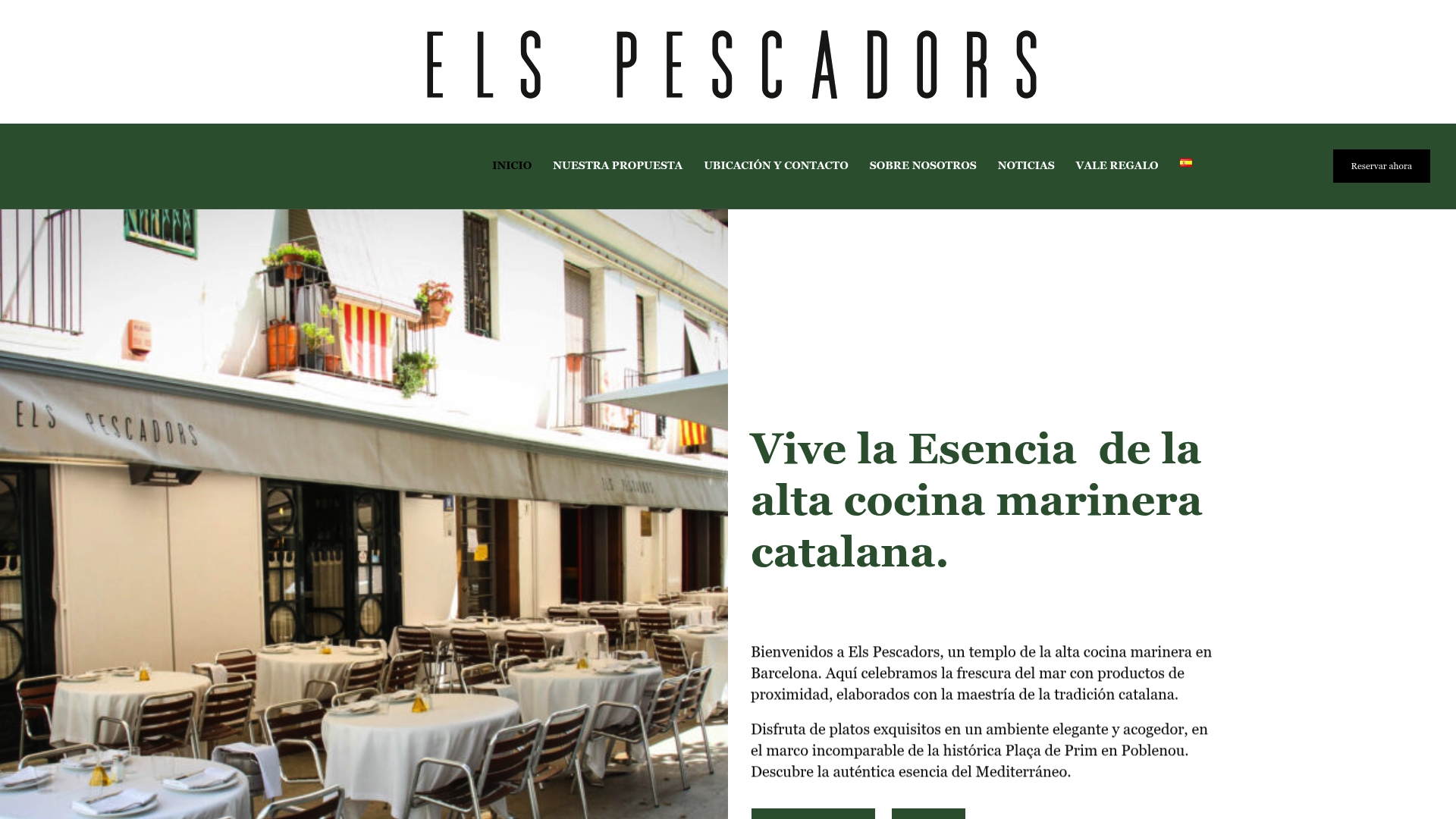
Elspescadors offers something specific: a fine seafood restaurant in Poblenou where the menu is built around what arrived that morning, not what photographs well on a laminated board. For visitors who’ve read this far and want to skip the research entirely for at least one meal, this is the reservation worth making.
The luxury seafood dining experience at Elspescadors covers tasting menus, fresh catch specials, and traditional rice dishes prepared with the same seasonal sourcing philosophy the restaurant has maintained since opening. It suits solo diners, couples, and groups equally well. For groups specifically, the group seafood dining options are worth reviewing before you book.
Reserve your table at Els Pescadors directly through the website.
Key Takeaways
Avoiding tourist trap restaurants in Barcelona requires reading menus in Catalan, dining on local schedules, and choosing residential neighborhoods over tourist corridors.
| Point | Details |
|---|---|
| Menu language matters | Menus written primarily in Catalan signal authenticity; five-plus language photo menus signal a tourist trap. |
| Eat on local time | Lunch runs 1:30–4:00 PM; dinner starts after 8:30 PM. Eating earlier almost always leads to lower-quality restaurants. |
| Choose the right neighborhood | Gràcia, Sant Antoni, Poblenou, and Poble-sec offer genuine local dining away from tourist corridors. |
| Rice dishes belong at lunch | Paella and fideuà served at dinner are often reheated; order them at lunch from a restaurant without photo menus. |
| Elspescadors, Poblenou | A fine Catalan seafood restaurant with seasonal menus, daily fresh catch, and a historic neighborhood setting. |
FAQ
What are the clearest signs of a tourist trap restaurant in Barcelona?
Menus in five or more languages with large photos, staff stationed outside to invite passersby, and restaurants directly on Las Ramblas are the most reliable warning signs. Short menus written in Catalan are the opposite signal.
When do locals eat dinner in Barcelona?
Locals eat dinner between 8:30 PM and 10:30 PM. Restaurants that fill up before 8:00 PM are almost exclusively serving tourists, and the food quality usually reflects that.
Where should I eat seafood in Barcelona to avoid tourist traps?
Poblenou, Barceloneta’s quieter streets, and Sant Antoni offer the most reliable authentic seafood dining. Elspescadors in Poblenou’s Plaça de Prim is a trusted option for upscale Catalan maritime cuisine.
Is paella safe to order in Barcelona?
Order paella at lunch, between 1:30 PM and 4:00 PM, from a restaurant without photo menus. Paella served at dinner, especially if it arrives quickly, is frequently reheated from frozen.
How do I verify a restaurant is authentic before visiting?
Filter online reviews by Spanish or Catalan language, check whether the menu is available in Catalan online, and look for coverage in local food media rather than international travel aggregators.