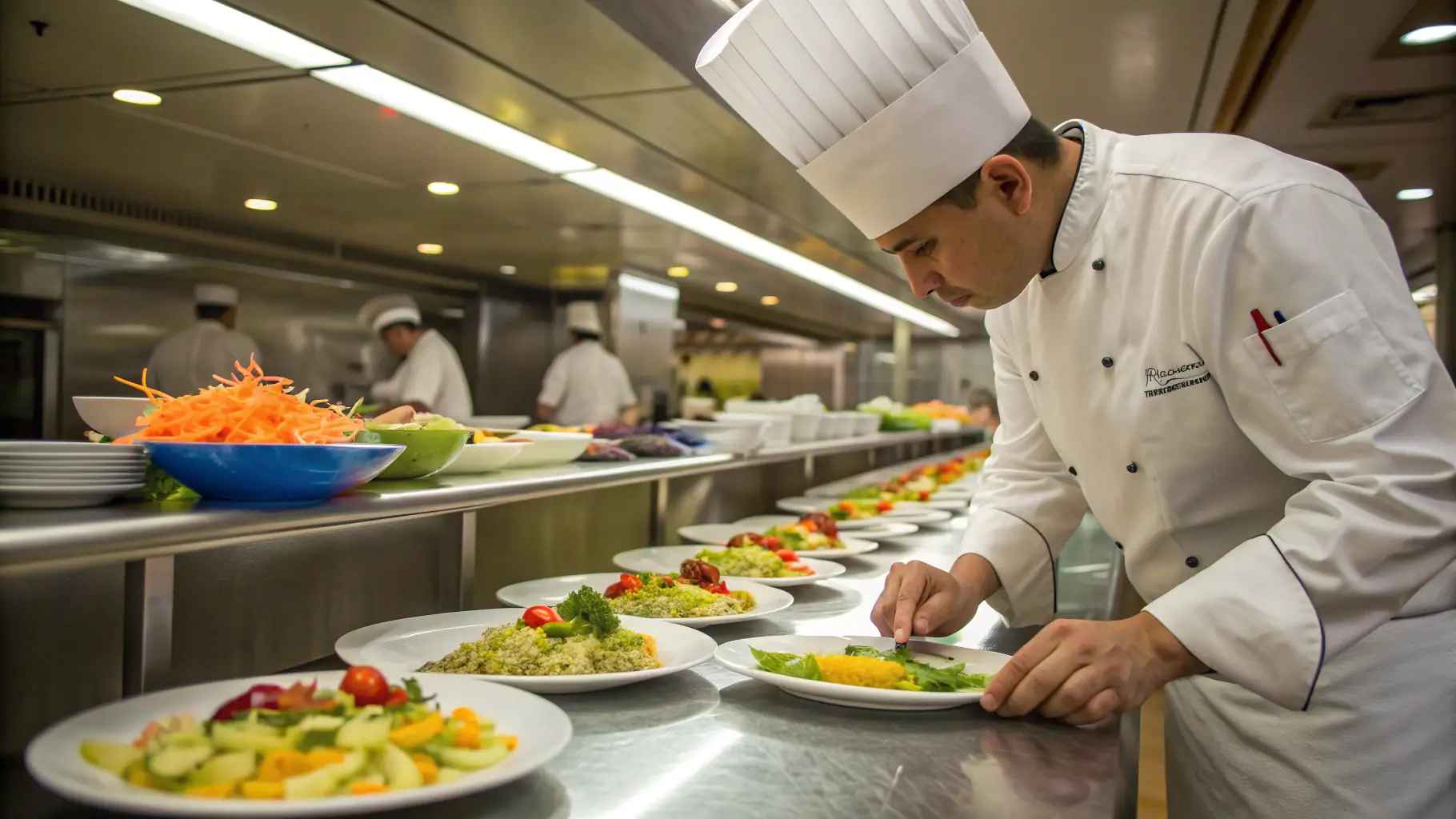
For an authentic arroz del senyoret in Barcelona, book a table at Els Pescadors in Poblenou, where the kitchen makes its own fumet and sources seafood daily. When you reserve, ask specifically for arroz del senyoret and confirm it’s prepared with peeled, ready-to-eat seafood and a strong homemade fish stock, the two markers that separate the real dish from a tourist shortcut.
TL;DR:
- Authentic arroz del senyoret in Barcelona is made with homemade fumet and peeled seafood, which significantly enhances its flavor and texture.
- Properly prepared rice uses bomba or Denominación de Origen Valencia rice, with seafood that is cleanly cut and fully shelled, avoiding shell-on ingredients.
- The dish takes at least 30 to 40 minutes from order to table, with slow reduction of fish stock and careful timing to prevent overcooking seafood.
- Booking in advance is recommended, especially for larger groups or weekend dinners, to ensure the dish is cooked fresh and to accommodate special dietary requests.
- Neighborhoods like Poblenou and seafood-focused venues tend to deliver more genuine arroz del senyoret, emphasizing fresh market sourcing and in-house fumet.
Table of Contents
- What Is Arroz del Senyoret, Exactly?
- How Do You Spot a Genuinely Authentic Version?
- Which Barcelona Neighborhoods Get It Right?
- How Long Does It Take and What Should You Expect to Pay?
- What Makes the Fumet and Sourcing Actually Matter
- Where to Book a Table for Authentic Arroz del Senyoret
- Why This Dish Belongs on Your Barcelona Itinerary
- Els Pescadors: How to Book an Authentic Senyoret Experience
- Sources
- FAQ
What Is Arroz del Senyoret, Exactly?
Arroz del senyoret is a seafood rice dish built around one defining trait: every piece of seafood arrives already peeled, shelled, and cut, so you eat with a fork and never touch a shell. The name translates loosely to “gentleman’s rice,” a nod to a folklore story tying its invention to the painter Joaquín Sorolla, who reportedly asked a beachside restaurant for a seafood rice he wouldn’t have to peel by hand. Whether or not that story is literally true, it captures exactly what the dish is for: elegant, uninterrupted eating.
A classic version runs on proportions like 320 grams of bomba rice, 600 milliliters of fish stock, 200 grams of squid, 150 grams of peeled prawns, and 150 grams of white fish, built on a sofrito of tomato, garlic, saffron, and paprika. Regional guidance from the Comunitat Valenciana tourism board also points diners to Arroz de Valencia with Denominación de Origen as the traditional rice variety, paired with allioli or a glass of cava.
Here’s how it stacks up against its closest relatives:
- Arroz del senyoret: seafood fully peeled and cut, eaten entirely with a fork, no shells at the table.
- Paella marinera: often includes shell-on shellfish (mussels, langoustines), meant for hands-on eating.
- Arroz a banda: fish is typically cooked separately and served on its own plate rather than mixed through the rice, changing both the plating and the eating experience.
If a menu lists “seafood paella” without specifying preparation, ask the server directly whether the seafood comes peeled. That one question tells you which dish you’re actually getting.
How Do You Spot a Genuinely Authentic Version?
Not every “senyoret” on a Barcelona menu earns the name. A few concrete checks separate the real thing from a shortcut version aimed at high foot traffic.
- Ask about the fumet. A kitchen that makes its own stock from fish heads and bones will tell you so without hesitation; a vague answer is a warning sign, since an intense homemade fumet is what actually carries the dish’s flavor, and mass-produced stock tastes flat by comparison.
- Check the rice. Bomba rice or D.O. Arroz de Valencia absorbs stock without turning mushy, holding a firm bite even at the center of the grain.
- Look at the seafood prep. Squid should be cleanly cut into rings, prawns fully shelled, and white fish boneless. If you spot a shell, it’s not a proper senyoret.
- Watch the timing. A rice dish cooked to order takes real time. If it appears within minutes of ordering at a packed tourist terrace, it likely sat pre-made.
- Read the price against the portion. A dish priced unusually low for two relative to nearby menus is often cutting corners on seafood weight or quality.
Pro Tip: Ask which lonja (fish market) supplies the kitchen. A specific answer, not a shrug, is one of the fastest ways to gauge whether a restaurant treats seafood rice as a specialty rather than an afterthought.
Which Barcelona Neighborhoods Get It Right?
Barcelona doesn’t have a single “rice district,” but certain neighborhoods and venue types consistently do the dish better than others, and knowing the pattern matters more than knowing a single address.
Barceloneta and the port-adjacent streets built their reputation on seafood rice long before tourism turned the area into a strip of near-identical terraces. The upside is proximity to daily catch; the downside is that heavy foot traffic has pushed some venues toward faster turnover and less careful sourcing. Look past the restaurants with photo menus taped to the window.
Poblenou, once a fishing and industrial quarter and now home to Els Pescadors on Plaça de Prim, offers a quieter, more residential setting where kitchens tend to build longer-term relationships with local fish suppliers rather than chasing walk-in volume. It’s less obvious to a first-time visitor scanning a map, which is part of why the seafood quality tends to hold up.

Eixample rounds out the picture with a handful of refined dining rooms that treat rice dishes as a centerpiece rather than a tourist checkbox, generally at a higher price point and with a more formal pace of service.
Beyond geography, the venue type matters just as much as the street. Dedicated arrocerías, restaurants that specialize specifically in rice dishes, tend to have the pan sizes, staffing, and timing systems built around getting rice right. Seafood specialists that source from a lonja rather than a generalized wholesale distributor usually have fresher stock on hand for the fumet itself. A restaurant that lists a daily catch or “market fish” section on its menu is signaling that sourcing shifts with the season, a good sign for anyone who cares about freshness.
Booking ahead changes the outcome more than most visitors expect. Arroz del senyoret is cooked to order, not held in a steam tray, which means kitchens often want advance notice, particularly for parties of four or more. When you call or book online, a few specific questions get better answers than a general reservation request:
- “Can we order arroz del senyoret for two, and roughly how long will it take from when we sit down?”
- “Do you make your own fumet in house?”
- “Is the rice bomba or D.O. Valencia?”
- “Can the kitchen accommodate a shellfish allergy while keeping the dish authentic?”
Asking these questions before you sit down, rather than after the menu arrives, gives the kitchen time to plan the pan and gives you a clear read on how seriously the restaurant takes the dish. For a broader sense of how to approach ordering rice dishes generally in the city, this guide on enjoying Mediterranean rice dishes in Barcelona covers etiquette and pacing worth knowing before your visit.
How Long Does It Take and What Should You Expect to Pay?
Arroz del senyoret is not a fast dish, and any restaurant that serves it in under 20 minutes is very likely reheating something made earlier in the day.
A proper timeline runs through three phases: building the sofrito and starting the fumet reduction (10 to 15 minutes if the stock isn’t already prepared), the active rice cooking itself (roughly 18 to 20 minutes over controlled heat), and a resting period afterward. Recipe guidance from El País notes that letting the pan sit, often covered with a cloth for a few minutes, lets the rice finish absorbing stock evenly and deepens the final flavor. Expect a minimum of 30 to 40 minutes from order to table at a kitchen that’s doing this properly.
Cost drivers to know before you order:
- Seafood weight and type push price more than any other factor. A dish loaded with prawns and squid costs more than one leaning on white fish alone.
- Seasonal catch availability affects both price and what’s actually on the menu that week.
- Weekend and high-season demand can tighten availability at well-regarded kitchens, so a Friday or Saturday dinner booking benefits from reserving a few days out.
Restaurants typically price arroz del senyoret per portion for two, since it’s cooked in a shared pan rather than plated individually. A well-made pan for two at a quality Barcelona restaurant, backed by a genuine fumet and fresh seafood, generally lands in the mid-to-upper range of a seafood-focused menu rather than at bargain prices. If a listed price seems unusually low compared to the rest of the menu, that’s often a sign the seafood ratio has been trimmed. Splitting a single pan between two diners is standard practice, and pairing it with a light salad or grilled vegetable side keeps the meal balanced rather than piling on another heavy course.
What Makes the Fumet and Sourcing Actually Matter
Ask any experienced Catalan cook what separates a forgettable seafood rice from a memorable one, and the answer almost always comes back to the same two things: the stock and where the fish came from that morning.
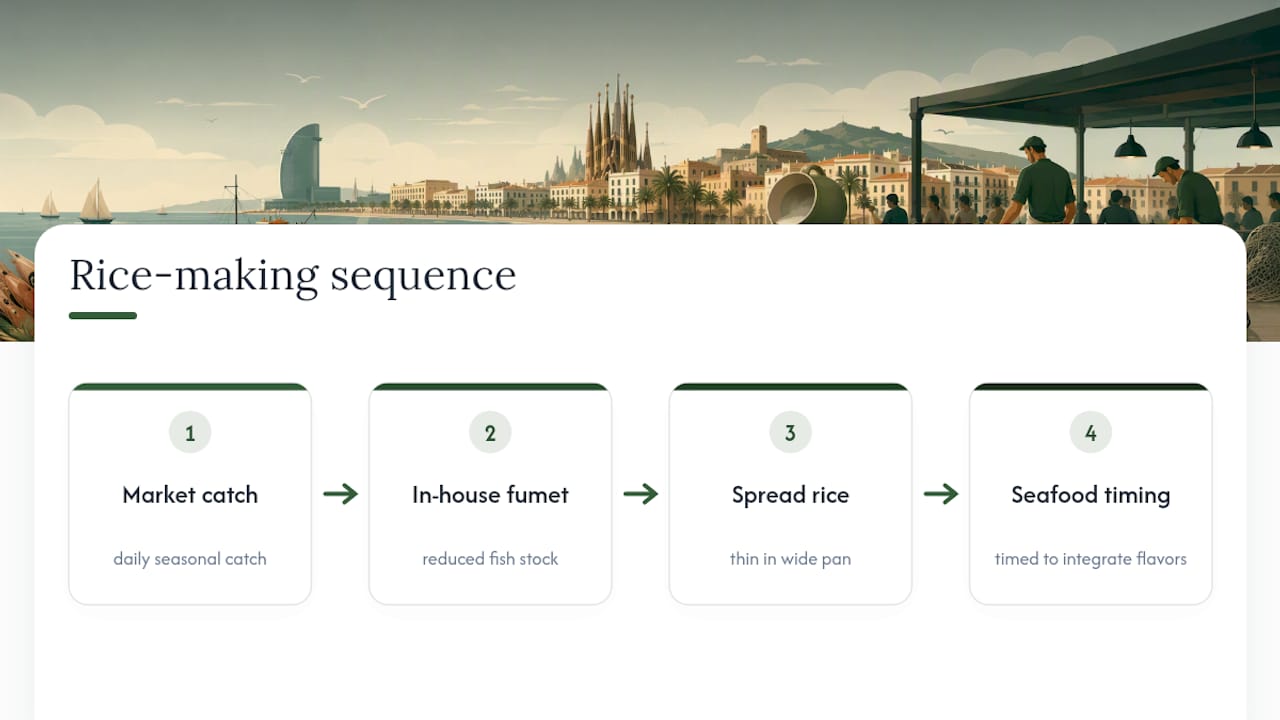
A concentrated fumet built from fish heads and bones, reduced with care rather than rushed, is what gives arroz del senyoret its depth. Recipe guidance suggests reductions tuned toward a roughly 4:1 stock-to-rice ratio for looser, caldoso-style versions, with drier preparations calibrated more tightly to how much liquid bomba rice can absorb without turning gluey.
Getting that ratio right takes practice, which is part of why asking a kitchen directly whether it makes its own fumet tells you more about quality than almost any other single question. Restaurants leaning on pre-made or powdered stock can still produce a passable dish, but it won’t have the layered, briny depth that a real reduction gives.
Seasonal lonja sourcing is the other half of the equation. Fish markets shift their offerings through the year, meaning the white fish or prawns available in a February senyoret may differ from what’s on hand in August. A kitchen that adjusts its rice dishes to that daily catch, rather than running the identical dish year round, is generally treating the market as a working resource, not a marketing line.
At the technique level, specialist kitchens tend to spread rice thinly across a wide, shallow pan, which promotes even cooking and avoids the undercooked centers that plague rushed versions in coverage from regional food press. Timing matters too: seafood added too early overcooks by the time the rice finishes; added too late, the flavors never fully integrate.
Pro Tip: If you want to taste the difference a real fumet makes, order arroz del senyoret alongside a simpler rice dish on the same visit and compare the depth of the broth. It’s the fastest way to train your palate to spot the real thing going forward.
Els Pescadors builds its rice program around exactly this approach, drawing on daily market sourcing and in-house stock rather than shortcuts, an approach detailed further in this piece on rice traditions and Mediterranean flavor in Barcelona.
Where to Book a Table for Authentic Arroz del Senyoret
For visitors who want a specific, dependable answer rather than a list of neighborhoods to explore on foot, some restaurants in Poblenou offer a quieter, more residential setting where kitchens tend to build longer-term relationships with local fish suppliers rather than chasing walk-in volume.
Prices for a pan for two are generally in line with refined seafood restaurants rather than casual terraces, reflecting the cost of fresh, market-sourced seafood rather than frozen shortcuts. Reservations are advised, particularly for weekend dinners, since arroz del senyoret is cooked to order. Group bookings and private dining options may be available; checking current hours and confirming availability directly before your visit is recommended.
Why This Dish Belongs on Your Barcelona Itinerary
There’s something genuinely satisfying about a rice dish you can eat without breaking conversation to wrestle a shell open, and that’s exactly why arroz del senyoret earns its reputation as a refined choice rather than a casual one. I’d point it toward a first date, a milestone dinner, or a business lunch where you want the food to feel considered without demanding effort from anyone at the table.
The best version I can describe smells like the sea before it even reaches you, saffron and paprika riding on top of a stock that’s clearly been reduced for hours, not minutes. That’s the tell. If you’re planning a celebration or a group meal in Barcelona and want a kitchen that treats that stock as seriously as the ingredients on top of it, it’s worth reaching out directly to talk through the menu.
— YellowRock
Els Pescadors: How to Book an Authentic Senyoret Experience
Some restaurants in Poblenou are built specifically around fresh, market-sourced seafood and rice dishes made with real fumet, not shortcut stocks. Using homemade fish stock, bomba or D.O. rice, seasonal lonja sourcing, and careful timing aligns with the standards for authentic arroz del senyoret preparation.
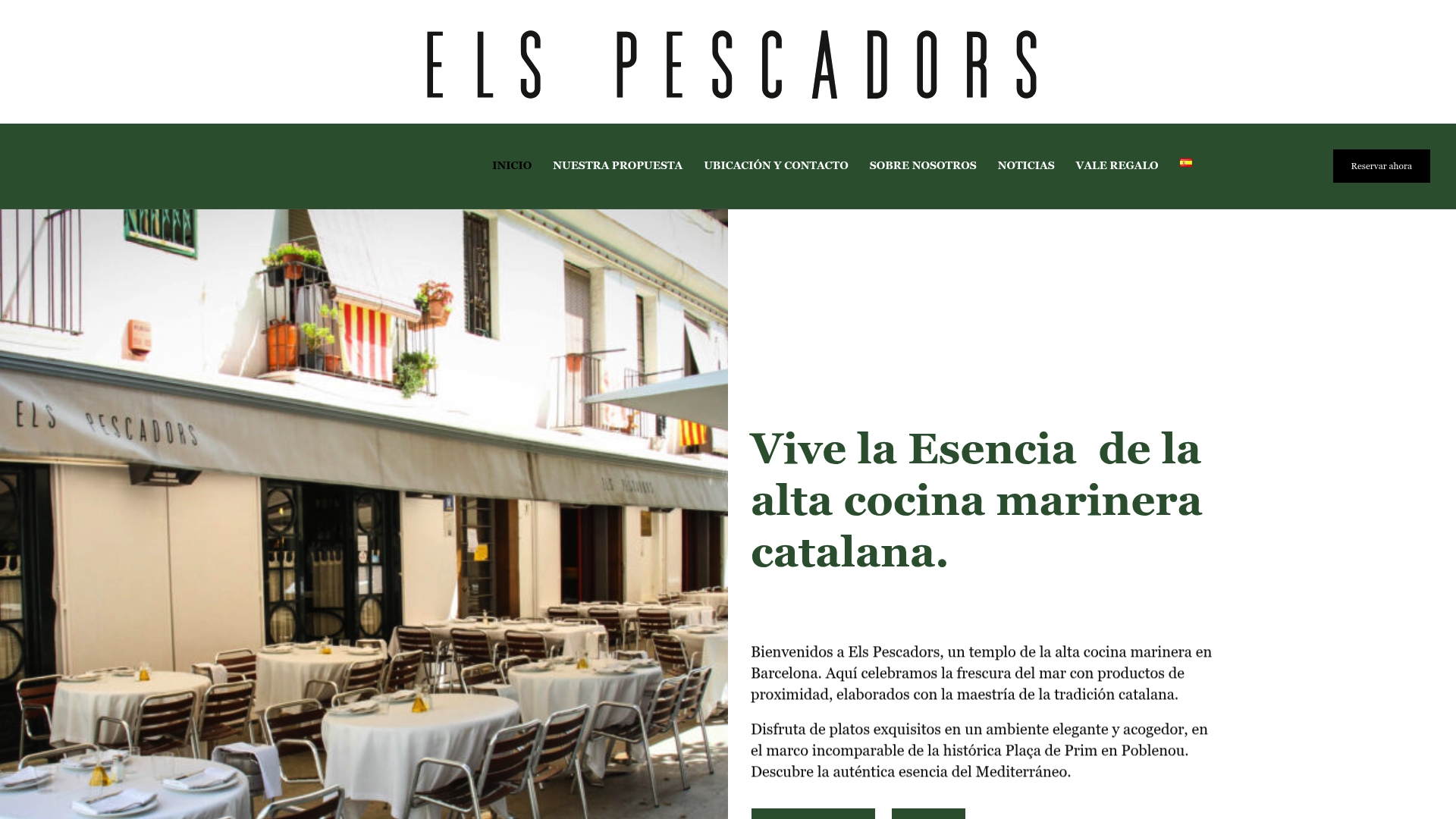
When you book, mention arroz del senyoret directly so the kitchen can plan the pan for your table size, and flag any shellfish allergies or dietary notes in advance since the dish is built specifically around seafood. Groups celebrating a birthday, closing a business deal, or gathering family for a Sunday meal can also ask about the group menu or explore proposals for private and group dining built around shared rice courses. Reserve your table now to lock in the timing this dish actually needs.
Sources
- Arroz del senyoret: qué es y por qué es uno de los favoritos para compartir – Gastraval
- Arroz del Senyoret: Descarga esta Receta – Comunitat Valenciana
- Arroz al senyoret. El arroz típico y clásico de la Comunidad Valenciana – ABC
- Arroz del ‘senyoret’ | Recetas | EL PAÍS
FAQ
What Is Barcelona’s Most Famous Dish?
Paella and seafood rice dishes broadly define Barcelona and coastal Catalan dining, though arroz del senyoret has earned a specific following among diners who want the same maritime flavor without the hands-on peeling.
What Is Beyoncé’s Favorite Restaurant in Barcelona?
There’s no verified public record confirming a specific favorite Barcelona restaurant for Beyoncé, so any claim naming one should be treated as unconfirmed.
What Is Dua Lipa’s Favorite Restaurant in Barcelona?
There’s no verified public statement from Dua Lipa naming a specific favorite restaurant in Barcelona, so treat any such claim as unconfirmed.
Is It Rude Not to Tip in Barcelona?
No.
How Do I Know if a Barcelona Restaurant Makes Its Own Fumet?
Ask directly. A kitchen that makes its own fish stock will describe the process specifically, while a vague or hesitant answer usually signals a mass-produced base.