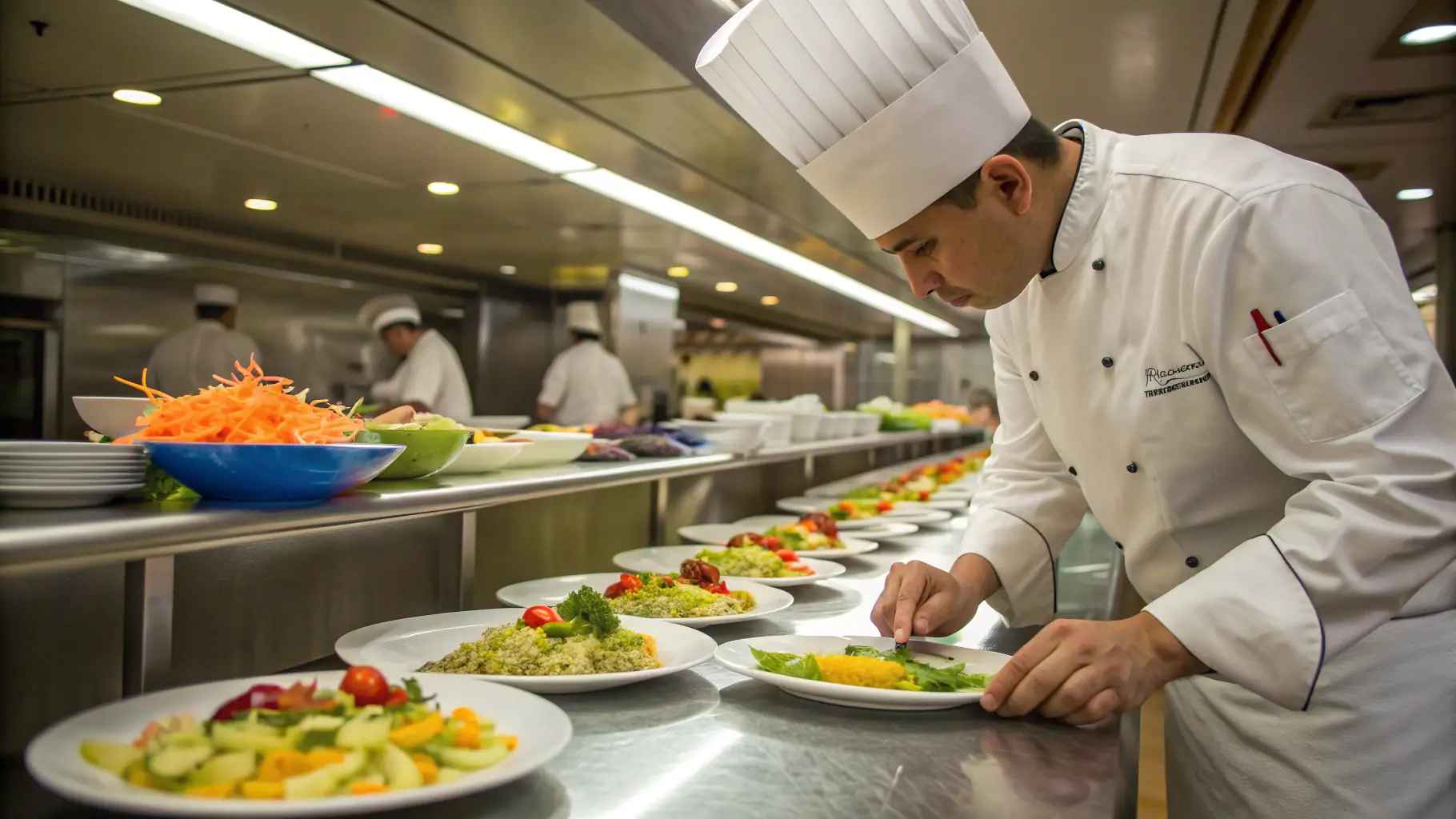
Right now, mussels and clams are widely available, cuttlefish is at its best, and Gamba de Palamós is heading toward its short May to July peak, so buy it fresh or reserve it soon. Some species sit under closed seasons set by the Generalitat de Catalunya and monitored through ICATMAR, so check before you plan a dish around them. Restaurants sourcing from the daily market run are often the fastest way to taste whatever is actually peaking this week.
TL;DR:
- Gamba de Palamós is only fresh from May to July; outside that window, most kitchens serve frozen stock, which differs in texture.
- Percebes and nècora rely heavily on Atlantic and Galician supply chains, so they are rarely available locally year-round.
- Mussels and clams are the most consistent options for home cooks, with stable supply and less price fluctuation throughout the year.
- Catalonia’s new fishing regulations limit catch and impose seasonal restrictions on 44 species, making scarcity a sign of conservation rather than supply failure.
- Visiting markets or restaurants that operate daily market buys ensures the freshest seasonal seafood, but asking for landing details is essential to confirm freshness.
Table of Contents
- When Is Seasonal Shellfish and Seafood Available in Barcelona?
- Which Local Marisco Should You Know, and When Should You Order It?
- How Do You Buy or Order Seasonal Marisco in Barcelona?
- How Do Catalonia’s Fishing Rules Affect What You Find at Market?
- What Els Pescadors Sees From Its Own Kitchen
- Why Barcelona’s Seasonal Marisco Story Is More About Restraint Than Abundance
- Taste Peak Season Without Doing the Legwork Yourself
- Sources
- FAQ
When Is Seasonal Shellfish and Seafood Available in Barcelona?
El marisco de temporada en Barcelona sigue el ritmo del Mediterráneo, no el calendario de un supermercado. What lands at Barceloneta or in the fish stalls at La Boqueria one week can vanish for months, then come back stronger the next season. Consumer seasonal calendars built for Spain track this shift species by species, and the pattern holds fairly consistently along the Catalan coast.
Here’s how the main groups break down across the year.
| Species | Peak months | Typical source |
|---|---|---|
| Gamba de Palamós (red prawn) | May–July | Fresh, local, short window |
| Cigala (Norway lobster) | Spring–summer | Fresh local, some imported |
| Llagosta (spiny lobster) | Summer | Fresh local, premium priced |
| Percebes (goose barnacles) | Autumn–winter | Fresh, Galician/Atlantic more than local |
| Musclos (mussels) | Year round, best autumn–winter | Fresh, largely aquaculture |
| Ostres (oysters) | Autumn–winter | Fresh, farmed |
| Polp (octopus) | Autumn–winter | Fresh and frozen |
| Sèpia (cuttlefish) | Winter–spring | Fresh local |
| Nècora (velvet crab) | Autumn–winter | Fresh, Atlantic-leaning |
| Clams and escopinyes | Year round, the best spring–autumn | Fresh, local flats |
A few of these deserve a second look before you plan a meal around them:
- Gamba de Palamós outside May to July usually means frozen stock in the kitchen, not a lesser product necessarily, but a different texture than the fresh version reaching Barcelona restaurants during its short season.
- Percebes and nècora lean heavily on the Atlantic and Galician supply chains even when sold in Barcelona, so “local” isn’t quite the right word for either.
- Musclos and clams are the most forgiving picks for home cooks, since supply stays fairly steady all year and prices don’t swing as hard as they do for prawns or lobster.
- Sèpia in late winter through spring tends to be firmer and sweeter, which matters if you’re planning a dish where texture carries the plate, like arròs negre.
Retail seasonal guides built for the Spanish market, including Peix a Casa’s monthly breakdown, line up closely with what Barcelona’s own market network describes. The Ajuntament de Barcelona’s market guidance puts it plainly: the sea keeps its own calendar, and city stalls simply mirror it. That’s worth remembering the next time a fishmonger tells you something is “out” this week. It usually isn’t an excuse. It’s the ocean.
Which Local Marisco Should You Know, and When Should You Order It?
Barcelona’s marisco scene rewards people who know a handful of species well rather than everyone who tries to track them all. These are the ones worth learning.
- Gamba de Palamós. Sweet, almost custardy when raw, with a deep red shell that turns bright orange when cooked. Peak season runs May through July, and restaurants typically serve it barely seared or raw as tartare to showcase the texture.
- Cigala. Milder and firmer than prawn, best grilled simply with olive oil so the natural sweetness comes through. Spring and summer bring the best specimens.
- Sèpia. Cuttlefish at its winter-to-spring peak has a cleaner bite than squid, and it’s the backbone of classic Catalan rice and noodle dishes.
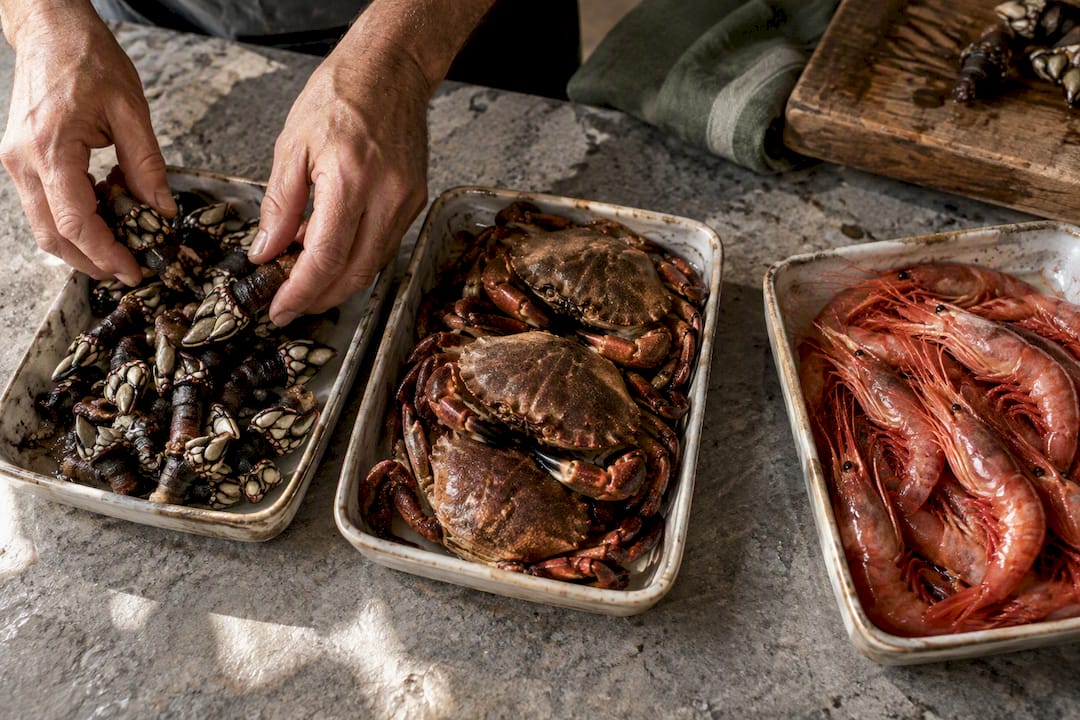
- Nècora. Velvet crab, prized for the roe as much as the meat, peaks in autumn and winter and is usually served whole, split, with little else added.
- Percebes. Goose barnacles look strange and taste like concentrated sea brine. They’re pricier and scarcer in autumn and winter, and a good kitchen will steam them for barely a minute so they stay tender.
- Musclos and clams. The everyday workhorses, used in everything from a simple steamed pot to paella and fideuà, with quality holding up across most of the year.
Pro Tip: Ask what’s landed that morning before you ask what’s on the menu. A kitchen that changes its seafood selection daily based on the market run is telling you something honest about freshness that a printed menu never can.
Percebes and nècora carry the tightest supply constraints on this list, so don’t expect them every visit. Fresh Gamba de Palamós has the shortest window of all, and outside its peak you’re very likely eating frozen.
How Do You Buy or Order Seasonal Marisco in Barcelona?
Buying well starts with asking the right questions, whether you’re standing at a market stall or scanning a restaurant menu.
Start at one of the city’s Mercats de Barcelona, where stallholders restock daily and will tell you straight if something is out of season. Follow these steps:
- Ask for the port d’arribada (landing port) and data d’arribada (landing date). A reputable fishmonger gives you both without hesitation.
- Check the shell or skin. Bright, tight shells and a clean sea smell (never ammonia-like) signal fresh shellfish.
- Press the flesh on fish or cuttlefish. It should spring back, not leave a dent.
- For live shellfish like mussels and clams, tap the shell gently. Closed or quickly closing shells mean it’s alive and good.
- If buying at a restaurant, ask if the seafood on offer came from that day’s market run or from frozen reserve stock.
A few extra checks matter for shellfish specifically:
- Heavier mussels and clams (relative to size) usually hold more meat and less shell water.
- Cracked or gaping shells that don’t close when tapped should be left behind.
- Vendors legally required to mark origin should have it posted, not just spoken; ask to see the label if it isn’t visible.
If you want to taste something at genuine peak freshness rather than gamble on your own storage and timing, eating at a restaurant that runs a daily market buy almost always beats a home purchase, especially for delicate items like raw prawns or live crab.
How Do Catalonia’s Fishing Rules Affect What You Find at Market?
Catalonia rewrote its recreational fishing rules in 2025, and the ripple effects reach every fish stall in Barcelona. The Generalitat de Catalunya’s Department of Agriculture extended a new recreational fishing model to the full Catalan coast effective September 1, 2025, covering 44 species with fixed minimum sizes, quotas, and closed breeding seasons through 2027. Daily catch limits for recreational fishers in interior waters were reduced under the new rules to a lower amount.
The model started as a pilot in Girona in 2024 before extending to Barcelona and Tarragona, built on co-management principles that bring scientists, fishers, and conservation groups to the same table. ICATMAR’s stock assessments fed directly into where the vedas and size limits landed.
Protecting breeding seasons means less casual recreational take now, but more consistent, better-stocked seasonal markets later. That trade-off is the whole point of the new model, and it’s already shaping what shows up at Barcelona’s fish counters.
For consumers, this means scarcity on certain species isn’t a supply hiccup. It’s policy working as intended. A few checks help you buy with that in mind:
- Ask for the landing port and date, every time, on every purchase.
- Favor vendors who mention a cooperative or local fisher association by name.
- Treat a species that’s suddenly unavailable as a sign the rules are doing their job, not a shortage to panic over.
What Els Pescadors Sees From Its Own Kitchen
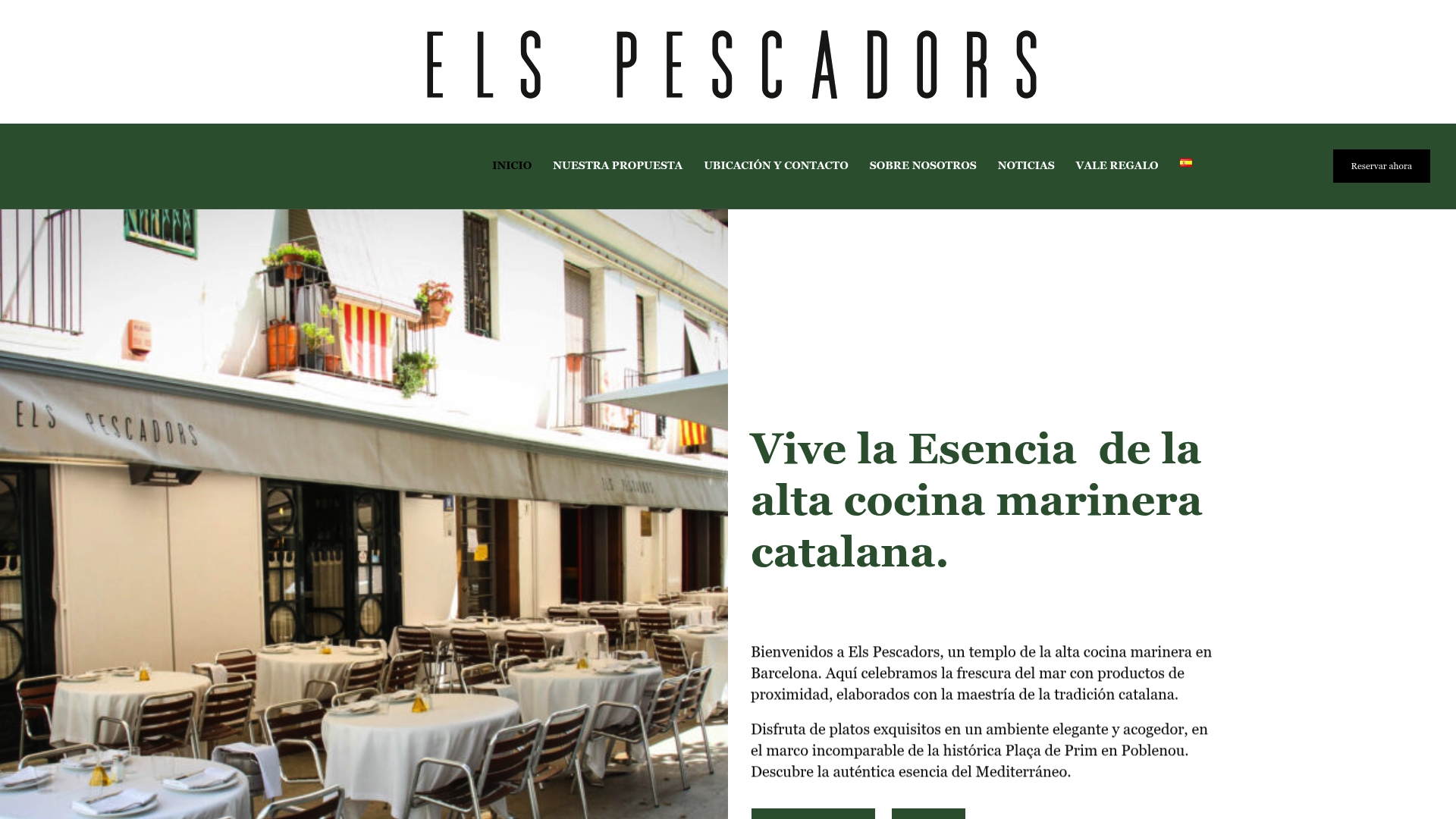
Running a seafood kitchen in Poblenou means building the day’s Menú de Temporada around whatever the market run brings back, not the other way around. Els Pescadors leans on daily fresh catch and Catalan maritime tradition precisely because a fixed menu can’t chase a moving season.
When Gamba de Palamós is at its brief best, or cuttlefish is firmer than usual, kitchens that source fresh daily can adjust their offerings accordingly.
Ordering a seasonal tasting menu at a specialist kitchen is one of the more reliable ways to taste marisco at genuine peak, without doing the market legwork yourself.
Why Barcelona’s Seasonal Marisco Story Is More About Restraint Than Abundance
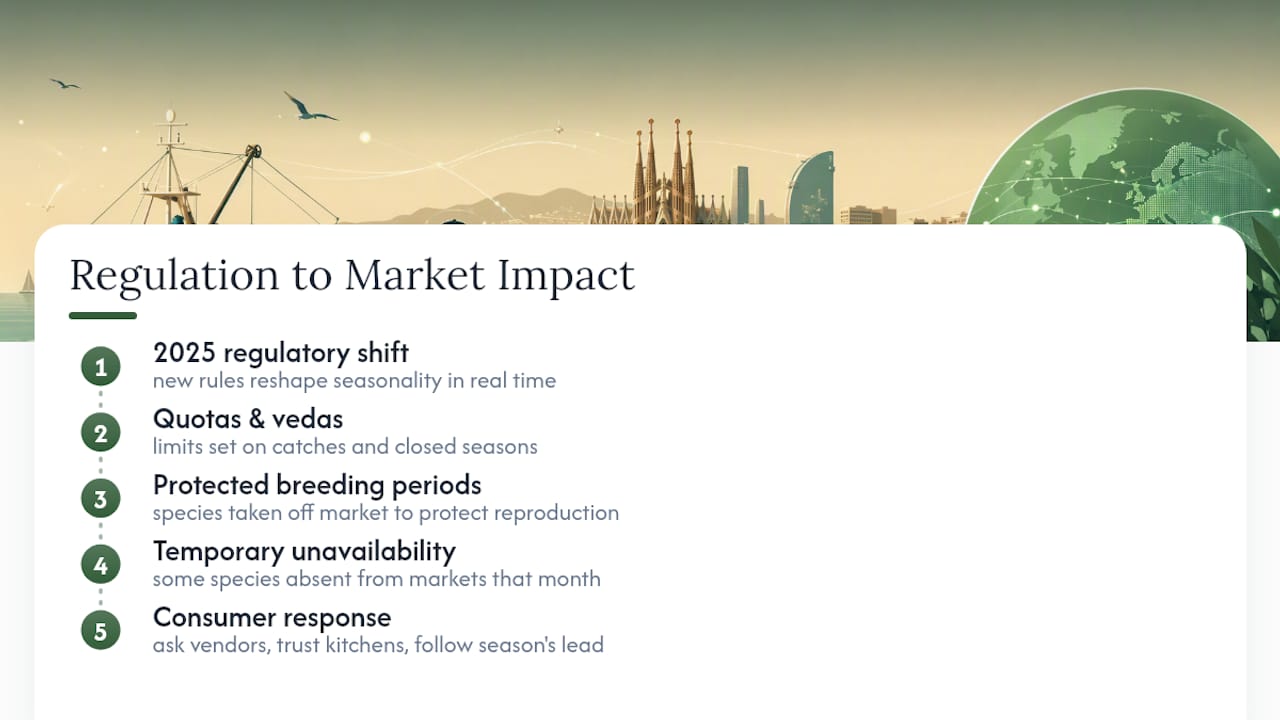
Most seasonal food guides sell abundance. Barcelona’s marisco story, if you look closely at the 2025 regulatory shift, is actually about restraint, and that’s the part conventional advice tends to skip. The new quotas and vedas aren’t a footnote to seasonality; they’re reshaping it in real time. A species being “out” this month might mean the breeding season is protected, not that supply chains failed.
The common mistake locals and visitors make is chasing a fixed shopping list, insisting on percebes in July or fresh Palamós prawn in December. That’s fighting the calendar rather than reading it. The smarter approach is to let the season set the menu, ask fishmongers pointed questions about landing dates, and treat scarcity as information rather than inconvenience.
If there’s one thing to prioritize, it’s this: build trust with a specific vendor or kitchen rather than shopping blind each time. A fishmonger or restaurant that tells you the truth about what’s frozen versus fresh is worth more than any calendar printout.
— YellowRock
Taste Peak Season Without Doing the Legwork Yourself
Chasing the market for Gamba de Palamós during its brief window, or tracking down firm winter cuttlefish, takes time most visitors and even many locals don’t have. Els Pescadors solves that by building its Menú de Temporada around whatever the daily catch actually delivers, priced at €39 per person as a one-off menu centered on local, seasonal ingredients.
If Gamba de Palamós is your target, reserve during its May to July window since that’s when fresh stock is realistic rather than frozen. Outside that season, the kitchen’s daily proposal on the Carta del Día shifts with whatever the morning market run brings back, from cuttlefish to nècora to fresh clams. For a longer, guided experience, the Menú Degustación walks through several seasonal dishes in one sitting, and groups can arrange a shared seasonal spread through the Menú para Grupos. Book a table at Plaça de Prim and let the season decide what lands on your plate.
Sources
- Nuevo modelo de pesca recreativa: ¿qué cambia para los aficionados?
- Descubriendo la gamba de Palamós
FAQ
What Seafood Is in Season in Barcelona Right Now?
Mussels, clams, and cuttlefish are widely available for most of the year, while Gamba de Palamós hits its peak between May and July. Check ICATMAR-backed veda periods before assuming any species is available year round.
Where Can I Buy Fresh Seasonal Marisco in Barcelona?
Barcelona’s municipal markets, run under Ajuntament de Barcelona guidance, restock daily and stallholders can confirm landing port and date on request. Restaurants running a daily market buy, like Els Pescadors, offer a reliable alternative if you’d rather taste peak product than shop for it yourself.
Why Is Gamba de Palamós So Expensive and Seasonal?
Its fresh season is short, running from roughly May through July, and outside that window most kitchens serve frozen stock instead. The concentrated local supply during peak months, combined with high demand from Barcelona and Costa Brava restaurants, keeps prices elevated even in season.
How Have Catalonia’s Fishing Rules Changed What’s Available?
The Generalitat extended a new recreational fishing model to the Barcelona coast in September 2025, setting quotas, minimum sizes, and closed breeding seasons for 44 species. That means some species you could once buy freely now face seasonal restrictions designed to protect stock through 2027.
How Much Does the Menú de Temporada Cost at Els Pescadors?
The Menú de Temporada is priced at €39 per person as a one-off menu built around the day’s fresh, seasonal catch. Pricing for other menus, including the tasting menu and group options, is available directly on the restaurant’s site.