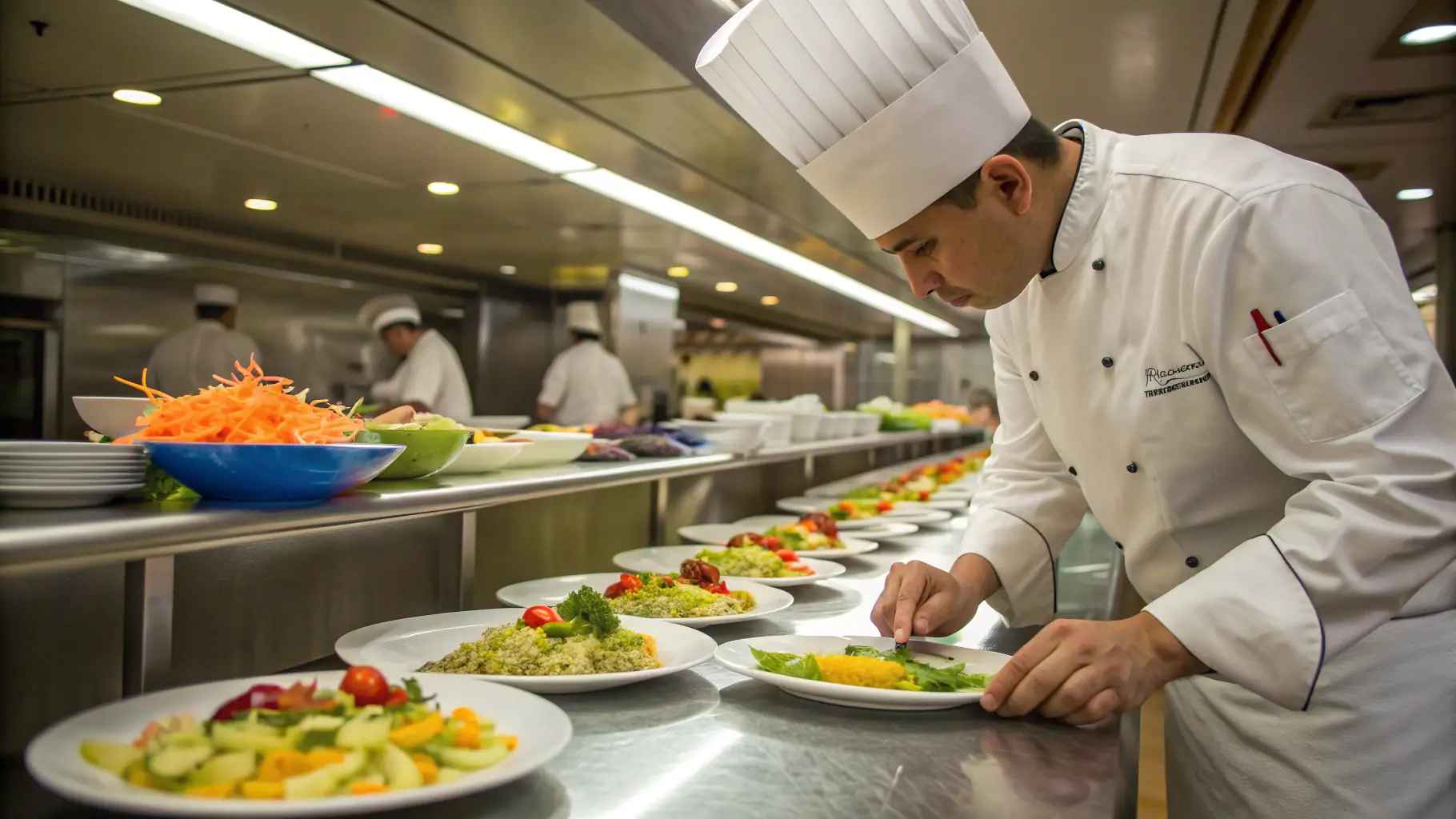
Yes, you can eat out safely with a shellfish allergy but it takes more than reading a menu. The two actions that matter most are telling staff clearly, in plain words, before you order, and carrying your prescribed epinephrine autoinjector every time you leave home. The biggest danger usually isn’t a hidden ingredient. It’s cross-contamination from shared pans, oil, or utensils.
TL;DR:
- Cross-contamination from shared kitchen equipment like fryers, grills, and utensils is the biggest risk for shellfish allergy sufferers dining out.
- Clearly communicating the allergy to staff, requesting written confirmation, and asking for chef or manager approval significantly reduce the chance of accidental exposure.
- Choosing plain, single-ingredient dishes such as grilled or steamed options lowers the risk compared to mixed or sauced seafood meals.
- Allergic reactions can escalate rapidly to anaphylaxis, requiring immediate use of epinephrine and emergency medical attention, even if symptoms seem to improve.
- EU allergen labeling mandates disclosure of crustaceans and molluscs, but verifying kitchen practices and preparation methods is essential for safety.
Table of Contents
- What is a shellfish allergy and what does it look like
- How restaurants commonly cause cross-contamination
- What to say to staff and how to check they understood
- Choosing dishes that lower your risk
- Responding to a severe reaction
- Allergen labeling rules and the separate risk from Anisakis
- How Els Pescadors approaches allergen management
- How common is this risk when dining out
- What actually keeps you safe when eating out
- Reserve a table at Els Pescadors and flag your allergy in advance
- Where to check the details yourself
- Sources
- FAQ
What is a shellfish allergy and what does it look like
Shellfish splits into two groups: crustaceans (shrimp, crab, lobster) and molluscs (mussels, clams, squid, oysters). Crustaceans trigger more reactions and tend to cause more severe ones, though either group can be dangerous for a sensitized person. Someone allergic to shrimp isn’t automatically allergic to squid, but many people react to both because the proteins overlap.
Reactions usually start within minutes to two hours of exposure. Watch for these signs:
- Skin symptoms: hives, itching, swelling of lips or face
- Digestive symptoms: nausea, cramping, vomiting, diarrhea
- Respiratory symptoms: wheezing, throat tightness, trouble breathing
- Anaphylaxis: a rapid, whole-body reaction involving drops in blood pressure, fainting, or breathing failure
If you’ve had any reaction to shellfish, get tested by an allergist and put together a written allergy action plan before your next restaurant visit.
How restaurants commonly cause cross-contamination
Cross-contamination happens because kitchens reuse equipment across dishes, not because chefs are careless. A shared fryer used for shrimp and fries will contaminate the fries. A grill that cooked scallops earlier can leave residue on the next dish, even after wiping down.
The riskiest points in a typical kitchen:
- Fryers and grills shared between shellfish and other proteins
- Cutting boards, knives, and prep surfaces used for multiple ingredients
- Sauces, stocks, and broths that use shellfish as a flavor base, even in small amounts
- Garnishes and plating tools that touch several dishes before reaching the table
- Busy, open kitchens where stations aren’t clearly separated
Watch for warning signs at the table: a paella or seafood stew with shared serving spoons, a mixed platter where items sit close together, or a sauce described vaguely as “seafood reduction.” A restaurant with no written allergen notes on its menu or point-of-sale system, and a kitchen that looks chaotic rather than organized by station, carries more risk than one with clear internal procedures.
What to say to staff and how to check they understood
Say the word “allergy,” not “preference” or “sensitivity.” Restaurant staff are trained to treat allergies differently, and vague language gets lost in a busy service.
At booking: “I have a shellfish allergy. Can the kitchen confirm they can prepare a dish without cross-contact from shrimp, crab, or mussels?”
On arrival: repeat it to your server, not just the host. Ask them to write it on the order ticket and confirm with the kitchen before you order.
Before your food arrives, confirm these points:
- Your order is flagged in writing, not just remembered verbally
- The dish is cooked in separate cookware, not the shared fryer or grill
- Oil, sauces, and stocks are confirmed shellfish-free
- Plating happens on a clean surface, away from shellfish dishes
- A manager or chef has personally acknowledged the allergy, not just the server
Pro Tip: When you book, ask the restaurant to note the allergy on the reservation itself, so the kitchen sees it before you arrive rather than scrambling once you’re seated. Restaurants that take reservations with clear allergy notes tend to handle the request more smoothly.
Choosing dishes that lower your risk
Simple, single-ingredient dishes are safer than anything mixed or sauced. A grilled fish fillet cooked to order is easier to control than a seafood stew where multiple ingredients simmer together.
- Choose plainly grilled, roasted, or steamed dishes over stews, paellas, or mixed platters
- Skip shared sides, communal bread baskets, or dips that may have touched shellfish
- Ask directly whether any stock, broth, or sauce contains shellfish, even as a background flavor
- Avoid dishes with vague descriptions like “seafood medley” or “catch of the day mix”
When in doubt about how a kitchen handles cross-contact, takeaway or delivery can sometimes be the safer choice, since you can request separate packaging and a written note on the order confirming no shared preparation. That said, delivery removes your ability to speak directly with a manager, so it works best with restaurants you’ve already vetted in person. Asking about ingredients and preparation methods before ordering, whether by phone or app, cuts down on surprises either way.
Responding to a severe reaction
Anaphylaxis can escalate within minutes, so treat any combination of throat tightness, widespread hives, and dizziness as an emergency, not a wait-and-see situation.
- Use your epinephrine autoinjector immediately. Do not wait to see if symptoms improve on their own.
- Call emergency services right away, even if symptoms seem to ease after the injection.
- Lie flat with legs raised if you feel faint, or sit upright if breathing is difficult.
- Watch for returning symptoms. A second dose may be needed if there’s no improvement within several minutes, per autoinjector guidance.
Carry at least one autoinjector at all times, and a second if your allergist has prescribed one. People with asthma face a higher risk of severe anaphylaxis and should be especially prepared with a written action plan, according to epinephrine product guidance.
A severe allergic reaction always needs emergency medical follow-up, even after epinephrine resolves symptoms, since reactions can return hours later.
Allergen labeling rules and the separate risk from Anisakis
Restaurants can’t hide behind a vague menu. Under EU law, crustaceans and molluscs are two of 14 allergens restaurants must disclose, and that requirement covers non-prepacked food, meaning a plate served at your table, not just packaged products.
- Ask staff directly for allergen information if it isn’t posted, since restaurants are required to provide it on request
- Use that disclosure as your starting point, then confirm cross-contact separately, since labeling covers ingredients, not kitchen handling
There’s a second, unrelated risk worth knowing about: Anisakis, a parasite found in raw or undercooked fish. EFSA has identified Anisakis as the parasite most likely to cause allergic reactions in fish products, and freezing or thorough heating reduces that risk. This is a separate mechanism from shellfish IgE allergy, so a shellfish-safe dish isn’t automatically Anisakis-safe if it involves raw fish. For more on how freezing and cooking reduce parasite risk, it’s worth checking preparation methods for raw seafood specifically.
How Els Pescadors approaches allergen management
A seafood restaurant in Barcelona’s Poblenou district builds its menu around daily fresh catch and seasonal ingredients, which makes ingredient transparency part of daily kitchen operations rather than an afterthought.
Diners can reasonably expect and ask for:
- A written note of the allergy attached to the reservation before arrival
- Direct confirmation from a manager or chef, not just a server, before the meal
- A description of how a dish is prepared, including whether shared cookware or shellfish-based stocks are involved
Flagging a shellfish allergy when booking, and asking for a manager’s confirmation on arrival, gives the kitchen time to plan the dish properly rather than adjust it under pressure.
How common is this risk when dining out
Food allergy affects roughly 4% of people in some European studies, according to an EFSA scientific opinion summarizing prevalence data across allergen types, and shellfish sits among the more persistent allergies, often lasting into adulthood rather than resolving in childhood.
Dining out concentrates the risk in a way home cooking doesn’t. You’re relying on a kitchen you can’t see, staff you’ve just met, and a menu that may not spell out every step of preparation. Clinical and food-safety reviews consistently point to the same conclusion: clear staff communication combined with kitchen controls like separate pans and labeled orders is the most reliable way to cut down on restaurant incidents, more so than menu labeling alone.

That doesn’t mean every seafood restaurant is a hazard. It means the protective steps sit mostly with the diner’s preparation and the kitchen’s internal habits, not with the type of cuisine on offer. A restaurant that handles high volumes of shellfish daily, if it has strong internal separation practices, can be just as safe as one that rarely serves it.
What actually keeps you safe when eating out
Most advice about dining with a shellfish allergy focuses on reading menus carefully, and that’s the least useful step you can take. Menus tell you what’s supposed to be in a dish, not how it was actually cooked or where the pan has been. The conversation with staff, and specifically getting a manager or chef to personally confirm the request, matters far more than any label.

The biggest gap in conventional advice is treating labeling and communication as interchangeable. They’re not. Labeling tells you what’s declared as an ingredient. It says nothing about the fryer, the cutting board, or the sauce base. A dish can be technically shellfish-free on the menu and still carry a real risk if the kitchen isn’t set up to separate it.
If you take one thing from this, prioritize the verification step over the ordering step. Confirm before you order, not after the plate arrives. A restaurant willing to have that conversation, and to put it in writing on your reservation, is telling you something real about how it operates.
— YellowRock
Reserve a table at Els Pescadors and flag your allergy in advance
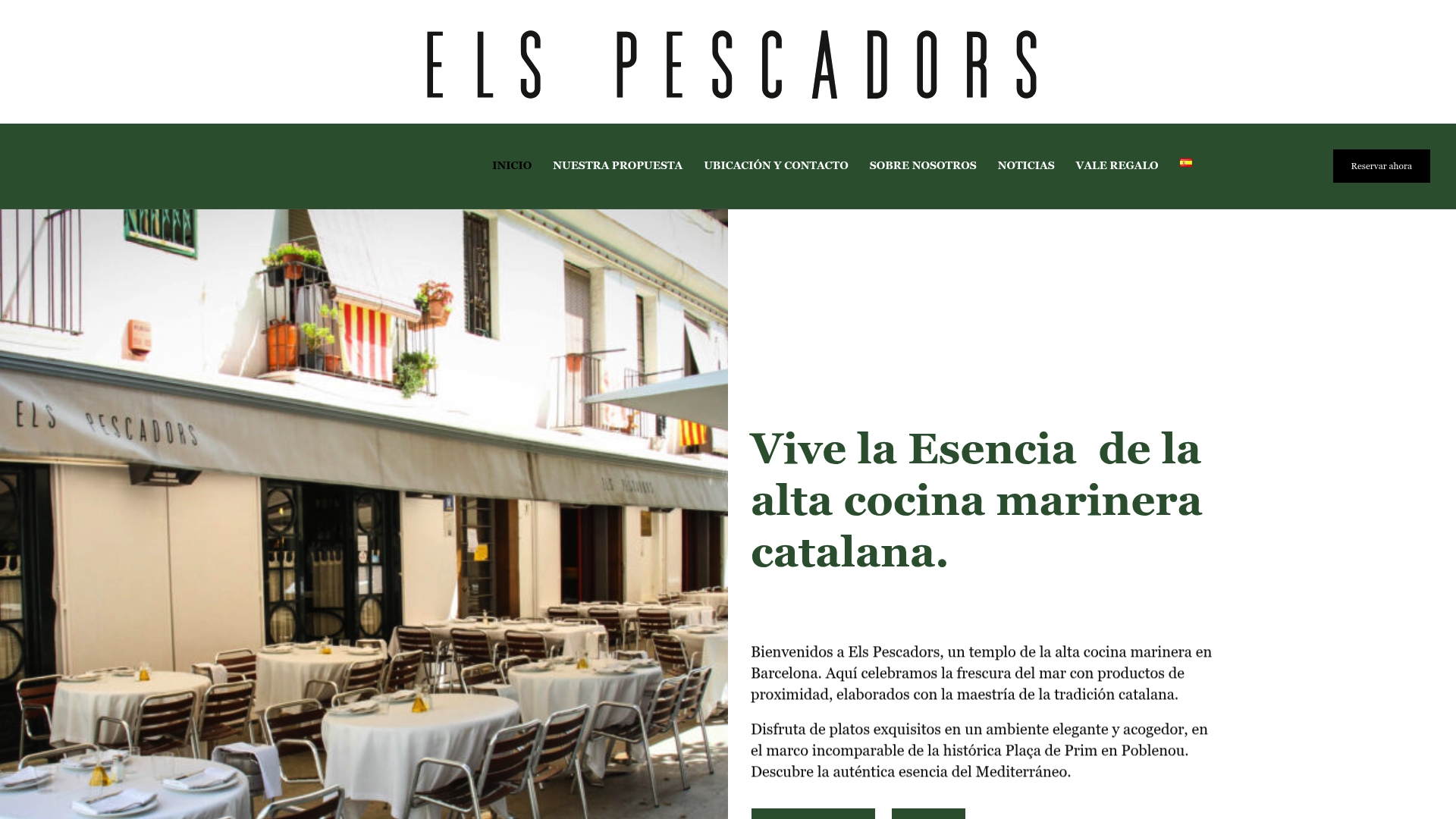
Some seafood restaurants can discuss your allergen needs directly when you book, giving the kitchen time to prepare your dish with the right separation in mind rather than adjusting under pressure. Their daily fresh catch and seasonal menus mean staff often track ingredient sourcing closely, which can make an allergy conversation part of normal service rather than a disruption.
To book with confidence:
- Reserve through the Menú de Temporada page or call ahead, and note your shellfish allergy directly on the booking
- Ask for a manager or chef to confirm your request before you arrive
- Mention any severity details, such as whether you carry an epinephrine autoinjector, so staff understand the stakes
Where to check the details yourself
- EFSA on food allergens: the EU’s 14 mandatory allergens and disclosure rules for restaurants
- EFSA on Anisakis: how freezing and heating reduce parasite risk in fish
- Autoinjector product information: official epinephrine dosing and emergency guidance
- Food quality and allergen communication: how restaurants can communicate standards to diners
This article is general information, not a substitute for advice from a qualified doctor. Consult a qualified healthcare professional about your own circumstances before acting on anything here.
Sources
- EFSA evaluates parasites in fish | EFSA
- Food allergens | EFSA Safe2Eat
- Emerade® product information (autoinjector)
FAQ
Why are some people allergic to shellfish?
Shellfish allergy happens when the immune system mistakenly identifies proteins in crustaceans or molluscs as harmful and releases chemicals like histamine in response. It tends to develop at any age and, unlike some childhood food allergies, often persists into adulthood.
Which shellfish causes the most allergic reactions?
Crustaceans, including shrimp, crab, and lobster, trigger more allergic reactions and tend to cause more severe ones than molluscs like mussels or clams. Someone allergic to one crustacean often reacts to others because the proteins are similar.
What foods should someone with a shellfish allergy avoid at restaurants?
Avoid mixed seafood platters, stews, paellas, and any sauce or stock made with shellfish, since these carry the highest cross-contamination risk. Also skip dishes cooked in shared fryers or grills unless staff confirm separate cookware was used.
How long does an allergic reaction to shellfish typically last?
Mild reactions like hives or stomach upset can resolve within a few hours, while anaphylaxis requires immediate epinephrine and emergency care and needs medical follow-up even after symptoms ease. Reactions can also return hours later, which is why monitoring after treatment matters.