For a group, start with a mariscada or a shared platter that mixes several species. For two or dining alone, pick two or three plates such as gambas, pulpo a la gallega, and mejillones a la marinera, then add a rice dish or fideuá if you want more food on the table. Before anything arrives, ask the staff whether the seafood is today’s catch or previously frozen, and request allergen information.
TL;DR:
- Ordering a mariscada is ideal for large groups seeking variety but can be costly and produce waste if portion sizes are not carefully managed.
- Asking the staff about the catch’s freshness, origin, and how it was handled can significantly improve your seafood quality and safety.
- Prices for shellfish and seafood vary widely depending on species, season, provenance, and size, so confirming costs per kilogram or per piece before ordering is essential.
- Small groups or solo diners should opt for smaller plates or à la carte options to better control budget and reduce waste.
- Recognizing seafood freshness relies on visual cues like clear eyes and firm flesh, as well as honest, knowledgeable staff who answer provenance questions confidently.
Table of Contents
- Menu categories and dishes worth ordering
- Choosing between mariscada, à la carte, or raciones
- Five questions to ask before you order
- Allergen rules and safety cues you should know
- Budgeting for a seafood meal without surprises
- How Els Pescadors approaches ordering and recommendations
- Cultural dining etiquette at a marisquería
- Recognizing freshness and quality when you order
- What actually matters when you order seafood
- Book a seafood meal built around these choices
- Sources
- FAQ
Menu categories and dishes worth ordering
A well-run marisquería organizes its menu into a few clear categories, and knowing them makes ordering much less guesswork. Cold starters, or entradas frías, are where oysters and salazones (cured, salted fish) live: they are meant to be eaten simply, often with just a squeeze of lemon, so you taste the seafood itself rather than a sauce. Order these when you want to gauge the kitchen’s quality early in the meal.
Hot starters and frituras cover fried calamares, seafood croquetas, and mejillones a la marinera (mussels in a wine and tomato sauce). These work as shared tapas for any size of table and are a low-risk way to open a meal before committing to bigger dishes.
The mariscada is the centerpiece order for groups who want to sample widely. Depending on the restaurant and region, it typically brings together gambas, cigalas, nécoras, mejillones, and sometimes percebes on a single large platter. It suits celebrations and diners who want variety over a tight focus on one dish.
Arroces and fideuá are the dishes to order when the table wants a full, shared meal rather than a procession of small plates. A seafood rice or fideuá (a noodle-based cousin of paella) usually feeds several people from one pan and rounds out a meal that started with lighter starters.
Whole grilled fish and parrilladas (mixed seafood grills) are the better choice when you want one clear main instead of many small tastes. These are typically priced and served by weight or by the piece, so portion size should be confirmed before ordering.
- Cold starters (oysters, salazones): best for tasting clean, unadorned flavor early in the meal.
- Hot starters (calamares, croquetas, mejillones): flexible tapas that suit any party size.
- Mariscada: a shared platter of multiple species, suited to celebrations and groups who want variety.
- Arroces and fideuá: shared, filling mains for the whole table.
- Grilled fish and parrilladas: a single-protein main, usually priced by weight.
Choosing between mariscada, à la carte, or raciones
Deciding how to order matters as much as what you order. A mariscada makes sense for celebrations or for a table that wants to sample many species in one sitting, but it can run expensive and often leaves shells and scraps that go to waste if the group underestimates the portion. À la carte or raciones (shared small plates) tend to work better for smaller groups, selective eaters, or anyone watching a budget, since you only pay for what you actually want.
A few sample plans make this easier to apply:
- Two people: one cold or hot starter, two individual mains, and a rice dish to share.
- Four people: a shared mariscada plus one rice dish or a whole grilled fish for the table.
- Six or more: a larger mariscada with a couple of hot starters as sides to stretch the meal.
Pro Tip: Ask if the kitchen offers half-portion raciones, or order an extra round of bread, to stretch a shared plate without ordering a full additional dish.
Five questions to ask before you order
Asking a few direct questions before you order protects both your wallet and your health. Staff at a good marisquería expect these questions and should answer them without hesitation.
- Is this today’s catch, or was it previously frozen? Either answer is fine, but it helps set expectations for texture and price.
- Is it wild caught or farmed, and where does it come from? Distinguishing wild from farmed by sight alone is unreliable, so asking directly is the most practical way to learn provenance.
- Does this dish contain crustaceans, molluscs, or fish, and is there a risk of cross contact with other allergens in the kitchen?
- Was this ingredient defrosted or precooked off site before it reached the kitchen?
- How is it prepared, and how heavily is it seasoned with salt or spice?
Pro Tip: A confirmation that seafood was “flash frozen on catch” is not a red flag: many premium kitchens use this method deliberately to lock in texture and flavor.
Allergen rules and safety cues you should know
Restaurants across the EU are legally required to disclose 14 major allergens for non-prepacked food, including crustaceans, fish, and molluscs, and written information must be made available on request. This means you can ask directly about any of these three seafood categories and expect a clear answer, not a guess.
Keep clean. Separate raw and cooked. Cook thoroughly. Keep food at safe temperatures. Use safe water and raw materials.
Five keys to safer food, World Health Organization
Beyond the legal disclosure, a few practical cues help you judge a kitchen’s standards: staff who answer provenance questions directly rather than deflecting, visible turnover of raw seafood on ice or in cold display, and a menu that changes with the seasons rather than listing the same items year round.
Budgeting for a seafood meal without surprises
Seafood prices swing more than most menu items because of a few clear drivers: the species itself, its season, whether it is wild or farmed, and how much prep work goes into it (shell-on versus already shelled). MAPA’s sector data shows that mariscos and moluscos remain a significant category in dining out, with consumption patterns and prices tied closely to these same factors. Premium species like percebes, langosta, and cigala are typically priced by weight or per piece, so their cost varies widely with season and size.
- Ask for the price per kilogram or per piece before ordering shellfish sold by weight.
- Confirm portion size in advance for a mariscada or parrillada meant to feed several people.
- Ask whether any premium species carries a surcharge over the standard menu price.
- Treat a lower price on farmed seafood and a higher price on wild catch as a common but not universal pattern, since size and appearance also drive cost.
How Els Pescadors approaches ordering and recommendations
Some restaurants often steer smaller tables toward seasonal tasting formats, while larger tables lean toward mariscada-style sharing or a signature rice dish built for the group. The restaurant’s approach centers on daily fresh catch and seasonal, locally sourced ingredients rather than a fixed, unchanging menu. When booking, it helps to mention allergies or any preference for wild-caught over farmed seafood, so the kitchen can plan the table accordingly.
Cultural dining etiquette at a marisquería
A marisquería runs on rituals that are worth knowing before you sit down. Shellfish with shells, such as gambas, cigalas, or percebes, are almost always eaten with your hands, and most tables come with a small bowl for discarded shells rather than a formal shellfish fork. Bread is there to soak up sauces from mejillones or a fideuá, not to fill you up before the seafood arrives, so pace yourself.

Ordering is typically a shared, table-wide decision rather than an individual choice, especially when a mariscada or a large rice dish is involved: it is common for one person to coordinate the order for the group. Meals tend to move at a slower pace than casual dining, with courses spaced out so shellfish can be enjoyed without rushing through the shelling and peeling.
Tipping customs vary by country, but rounding up or leaving a modest amount for good service is generally appreciated rather than expected. Asking the waiter for a recommendation, especially about what is freshest that day, is normal and often leads to a better meal than sticking rigidly to a preset order. Loud, hurried ordering is out of place at most marisquerías: this is food meant to be worked through slowly, with conversation filling the gaps between shelling gambas or picking apart a whole grilled fish.
Recognizing freshness and quality when you order
A few physical and behavioral cues tell you more about seafood quality than the menu description ever will. Whole fish should have clear, not cloudy, eyes and firm flesh that springs back when pressed gently. Shellfish like mejillones and almejas should be tightly closed or close quickly when tapped; a shell that stays open before cooking is a sign to skip it.

Smell is one of the most reliable checks: fresh seafood smells like the sea, clean and mild, never sharply fishy or ammonia-like. If you can see the raw product before ordering, whether on ice at a display counter or brought briefly to the table, take the chance to look.
Staff transparency matters as much as appearance. A kitchen confident in its sourcing will answer questions about origin and handling without hesitation, while vague or evasive answers are worth noting. Because local sourcing often means shorter time between catch and plate, asking where the seafood comes from is a practical freshness check, not just a curiosity question.
Finally, menu turnover is a quiet but useful signal. A marisquería that changes its offerings with the seasons is more likely working with genuinely fresh, current stock than one running an identical printed menu all year.
What actually matters when you order seafood
The advice repeated most often, order the mariscada and trust the platter, undersells how much a good meal depends on matching the order to the table, not the other way around. A mariscada built for six people wastes money and food on a table of two, while a couple sticking to two small raciones can miss the point of a marisquería built around variety.
The conventional advice also underplays the value of simply asking. Diners often treat questions about origin or freshness as awkward, when in practice a kitchen that handles seafood well answers them without friction. That single habit, asking rather than assuming, does more for your meal than memorizing a list of species names.
If there is one priority, it is this: decide your format (shared platter, à la carte, or rice-based meal) before you decide your dishes. The format shapes everything else, from budget to how much you actually enjoy the pacing of the meal.
— YellowRock
Book a seafood meal built around these choices
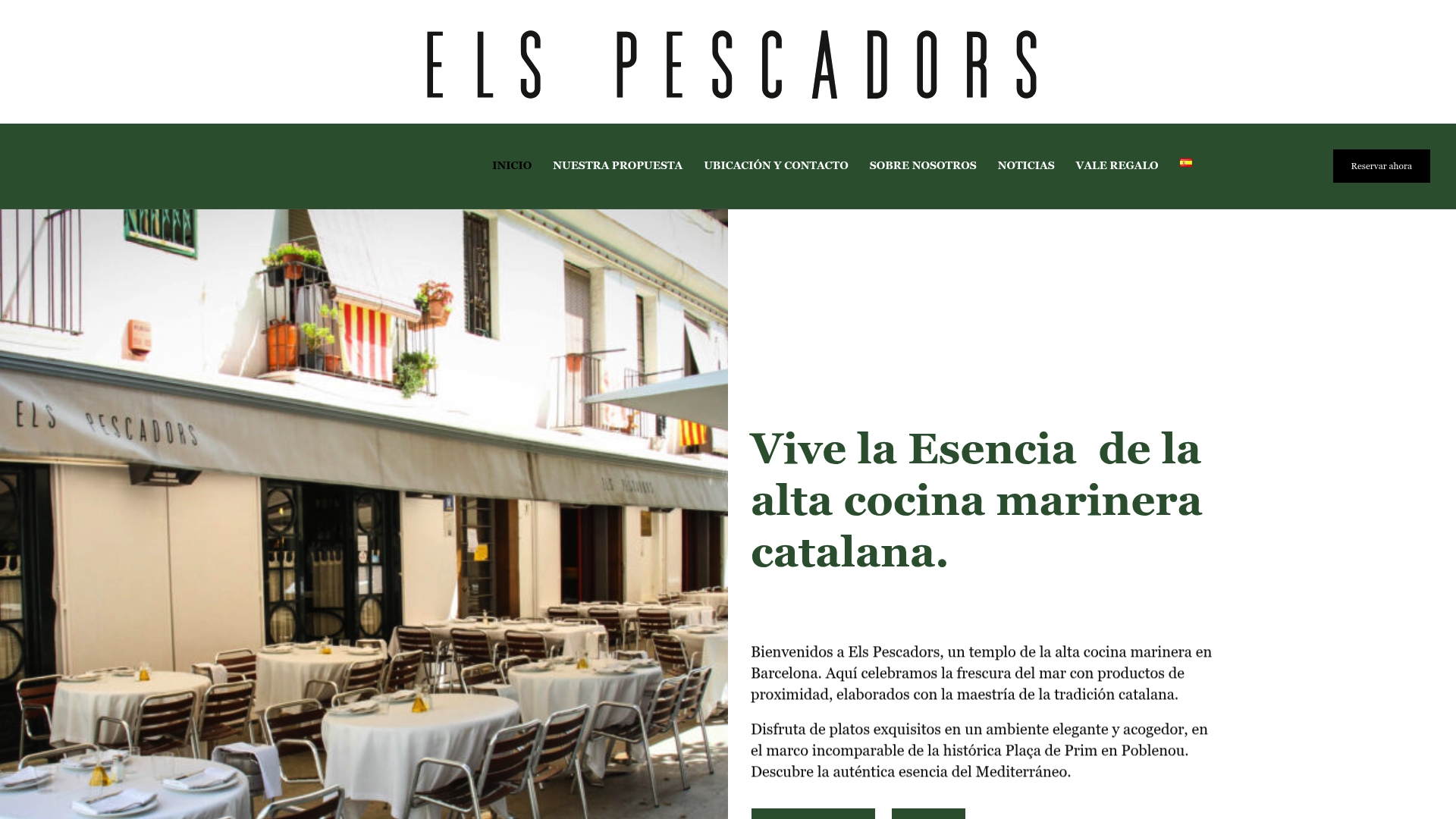
If you want this kind of ordering experience without doing all the guesswork yourself, some restaurants offer clear paths depending on your table. A couple or solo diner looking for a curated seasonal experience fits the Menú de Temporada, which is built around seasonal, locally sourced ingredients rather than a fixed year-round list. Diners who want a longer, multi-course exploration can book the Menú Degustación, while groups planning a mariscada-style meal are better served by the Menú para Grupos, designed specifically for shared, larger-format dining.
- Solo or couple diners: the Menú de Temporada for a seasonal, curated meal.
- Diners wanting a longer tasting experience: the Menú Degustación.
- Groups planning a shared mariscada or rice-based feast: the Menú para Grupos.
Mention any allergies or a preference for wild-caught over farmed seafood when you book, so the kitchen can plan the table before you arrive. Explore the full menu and reserve directly through Elspescadors.
Sources
This guide draws on EU allergen disclosure rules, Spanish sector consumption data from MAPA, and WHO food-safety guidance for seafood handling, alongside general dining and provenance practices.
- Allergies – Food Safety – European Commission
- 4.21 PESCADOS Y MARISCOS (MAPA consumption report)
- Promoting safe food handling — WHO
FAQ
What should you order at a marisquería?
For a group, order a mariscada or a shared platter to sample several species at once. For two people or solo dining, choose two or three items such as gambas, pulpo a la gallega, or mejillones a la marinera, and ask staff whether the catch is fresh or previously frozen.
What are the most commonly ordered shellfish and seafood items?
Popular choices typically include gambas or langostinos, mejillones, almejas, pulpo, calamares, oysters, navajas, percebes, and cigalas. Availability varies by season and region, so ask staff what is freshest that day.
What does a marisquería typically sell?
A marisquería centers its menu on shellfish and seafood, organized into cold and hot starters, mariscadas, seafood rice or fideuá, and grilled or oven-cooked fish. Most also offer a daily catch selection that changes with the season.
How much does a seafood platter or mariscada usually cost?
Cost depends heavily on the species included, whether they are wild caught or farmed, and how they are priced, often by weight or per piece for premium items like percebes or cigalas. Asking for the price per kilogram or per portion before ordering is the most reliable way to avoid a surprise bill.
How can you tell if seafood is fresh when ordering?
Look for firm flesh and clear eyes on whole fish, and shells that stay closed on raw mussels or clams before cooking. Staff who answer questions about origin and handling directly, without hesitation, are also a good sign of a kitchen confident in its sourcing.