
Arroz negro catalán is a seafood rice colored and flavored by squid or cuttlefish ink, and you can make it at home with a rich fish stock, a thick tomato sofrito, bomba rice and fresh sepia. We serve rice dishes at Els Pescadors.
TL;DR:
- Choose bomba or another short grain rice, not naturally black riso venere; dissolve ink in warm stock after toasting rice for even color and aroma.
- Build the sofrito until thick and jammy, sear sepia briefly, then simmer the rice uncovered without stirring after the first few minutes.
- Taste the fish stock before seasoning, since stock and ink both add salt; add prawns near the end or cook them separately to prevent toughness.
- Keep extra warm stock nearby and add a small ladle only if the rice remains firm and the pan dries before the grains finish cooking.
- For fideuá negra, replace the rice with short noodles and adjust the liquid, since noodles absorb stock faster.
Table of Contents
- What ingredients do you need for arroz negro?
- How do you cook arroz negro step by step?
- How do you fix mistakes and vary the recipe?
- How should you serve arroz negro and what should you pair it with?
- What does our kitchen know that you can use at home?
- Want to enjoy a meal at Els Pescadors?
- FAQ
- Sources
What ingredients do you need for arroz negro?
Here is what to buy, with notes on each choice:
- Rice: Bomba or another short-grain rice. It absorbs a lot of stock without turning mushy.
- Seafood: Sepia (cuttlefish) or squid, plus a few prawns if you want a garnish.
- Stock: Fish stock, kept warm in a separate pot.
- Ink: Sachets, or the ink sacs you reserve while cleaning the seafood.
- Aromatics: Ripe tomato, onion and garlic.
- Pantry: olive oil and salt.
Short-grain rice matters because it stays distinct and slightly firm while it drinks up the flavor. Long-grain varieties tend to cook fluffy and dry, which is the wrong texture here. Do not confuse this with black rice sold as riso venere: that grain is black on its own and needs long simmering, while in our dish the ink supplies the color.
Fresh ink sacs give the most aroma, but retail sachets from a fish market or specialty shop are a practical choice. Home recipes for black fideuá routinely call for sachets, sepia, tomatoes, pimentón and fish stock.
Make the stock yourself if you can, from fish bones and heads. Taste it before you start, because its salt level decides how much you add later.

How do you cook arroz negro step by step?
Arroz negre is a paella-like seafood rice where ink gives both color and a concentrated maritime taste. Use a wide, shallow pan so the rice cooks in a thin layer.
Prep: Clean the sepia, reserve the ink, and cut the body into bite-size pieces. Chop the onion and garlic, grate the tomato, measure the rice, and bring the stock to a gentle simmer.
- Heat a generous pour of olive oil over medium heat. Sweat the onion and garlic until soft and translucent.
- Add the grated tomato and cook it down, stirring now and then, until it turns thick and jammy and the oil separates at the edges. This sofrito is the backbone of the dish.
- Push the sofrito aside, raise the heat slightly, and brown the sepia briefly. Briefly searing the cephalopod before adding liquid builds flavor. Remove it from the pan and set aside, and add a splash of white wine to deglaze if you like.
- Stir in the rice and toast it briefly so every grain is coated in the sofrito.
- Dissolve the ink in a ladle of warm stock, pour it over the rice, then add the hot stock, tasting as you go.
- Simmer uncovered at a steady medium-low heat, depending on your rice. Do not stir after the first few minutes.
- Return the sepia near the end, just to heat it through without making it rubbery.
- Take the pan off the heat and rest it briefly. Finish with chopped parsley.
Look for a glossy surface, grains with a slight bite, and a bottom that is concentrated but not wet.
Pro Tip: Keep extra warm stock nearby. If the rice is still firm and the pan looks dry, add a small ladle rather than a big pour.
How do you fix mistakes and vary the recipe?
Most problems come down to salt, timing or temperature.
- Salt: Fish stock and ink are both salty. Taste the stock first and season the rice only at the end.
- Ink timing: Add it once the rice has toasted, so it cooks evenly into the grains while keeping its aroma. Adriatic black risotto cooks follow the same logic: fresh cephalopod and a good stock matter more than extra spices, and ink is best added so aroma and color stay vibrant.
- Prawns: Add them near the end, or sear them separately and lay them on top. Early prawns turn tough.
- Meatier texture: Use sepia instead of squid.
- Fideuá negra: Swap the rice for short fideuá noodles and adjust the liquid, since noodles absorb stock faster.
- Leftovers: Cool the pan quickly, refrigerate, and reheat gently with a splash of stock.
Pro Tip: Resist piling on extras. The stock and the ink are the soul of the dish, and seafood garnishes are accessories.
How should you serve arroz negro and what should you pair it with?
Bring the pan to the table right after resting, so the rice is warm and the texture is at its best. Serve with:
- Alioli on the side, so each person can swirl in as much as they like.
- Lemon wedges for a bright squeeze that cuts the richness.
- Chopped parsley for a green contrast against the black rice.
- A dry, medium-bodied white such as Albariño or Verdejo, or a light rosé. Their acidity and saline edge balance the ink’s depth.
- Simple sides like a green salad or grilled seasonal vegetables. Skip heavy sauces that would mask the ink.
For more dishes to build a menu around, see our guide to must-try Mediterranean seafood.
What does our kitchen know that you can use at home?

We build our maritime rice dishes around the daily fresh catch and seasonal ingredients. Our rice is only as good as the stock behind it, which is why we treat stock as the main ingredient rather than a background liquid. Our piece on why the morning catch shapes the menu explains how that sourcing works.
The tip we give every home cook: put your effort into a clear, flavorful fish stock, and use the ink as a concentrated seasoning, not a mask. If the stock is good, you need very little else. For a look at what separates the real thing from imitations, read our three signs of authentic Catalan seafood rice.
— YellowRock
Want to enjoy a meal at Els Pescadors?
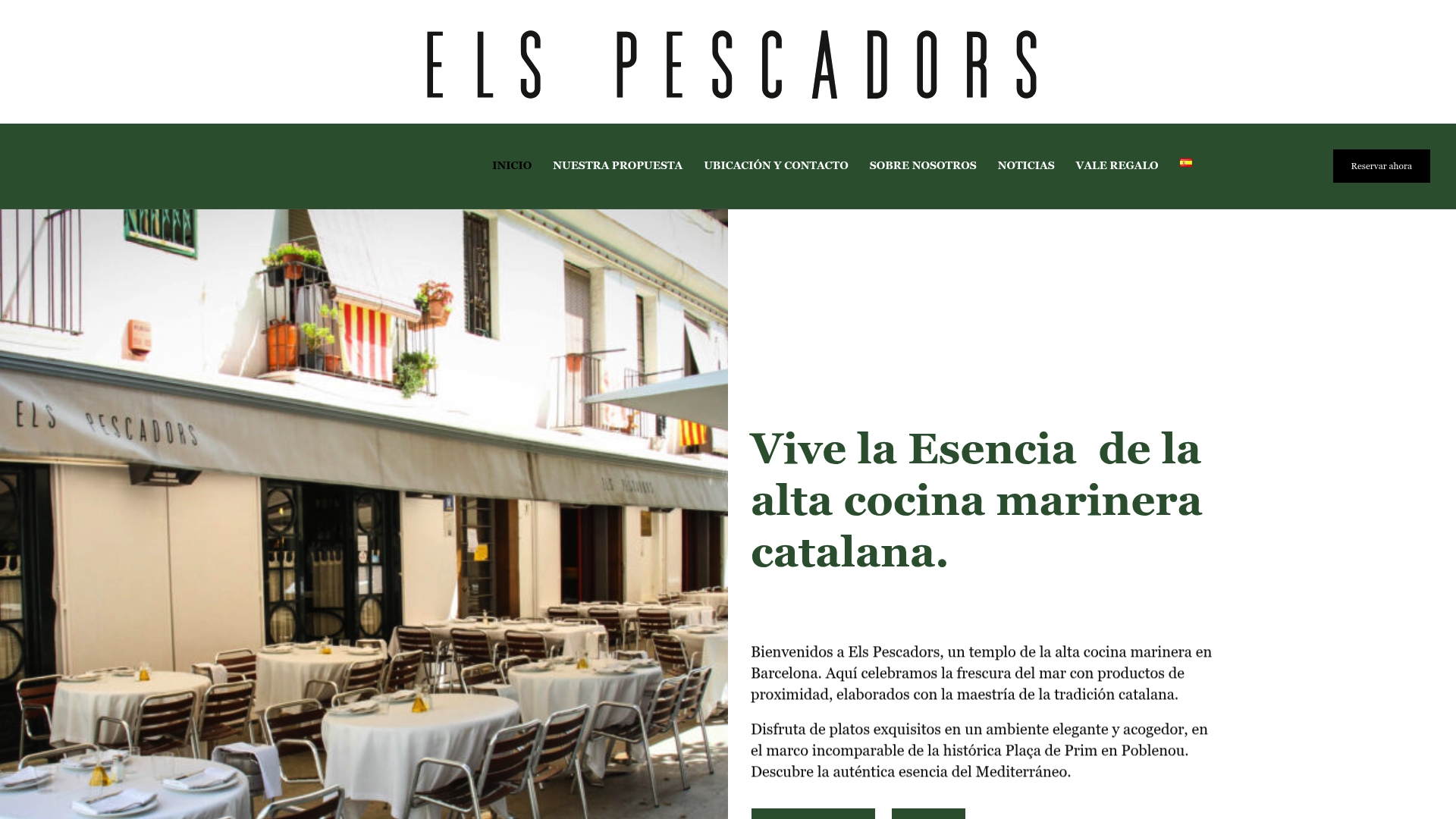
If you would rather dine out, come to our table in Poblenou. Our Menú de Temporada is built around seasonal ingredients and is listed at 39 EUR per person. Our Menú Degustación is a curated way to try several maritime preparations in one sitting. Planning a celebration? Our group menus are made for shared tables.
Dining with us lets you experience how fresh catch and kitchen technique come together. Book a table through our website and tell us you are curious about our rice dishes.
FAQ
What is the paella made with black rice called?
It is called arroz negro (arroz negre in Catalan). It is a paella-style rice cooked with squid or cuttlefish ink, which gives it its color and briny flavor.
Where can I find arroz negro ingredients?
Fish markets and specialty shops sell fresh sepia and squid, and many also stock ink sachets. Sachets are a practical choice when fresh ink sacs are not available. Use bomba or another short-grain rice.
How long does arroz negro take to cook?
Simmer once the stock goes in, checking the rice for doneness. Before that, cook the sofrito until it is thick and jammy. Judge doneness by a slight bite in the grain, not by the clock alone.
Is arroz negro the same as black rice?
No. Arroz negro gets its color from ink added to ordinary short-grain rice. Riso venere is a naturally black grain that cooks slowly and belongs to a different tradition.
Sources
- spanien-reisemagazin: Rezept Arroz Negro
- Crni rižot: authentisches Rezept & Herkunft
- Fideuá negra de sepia y gambas XXL – Cookidoo® – la nostra piattaforma ufficiale di ricette per Thermomix®