Mediterranean seafood cuisine is defined by three non-negotiable qualities: authentic preparation, regionally sourced ingredients, and cooking techniques passed down through generations. The must-try seafood dishes of this region, from Spanish seafood paella to Catalan zarzuela, are not simply meals. They are cultural documents written in saffron, shellfish, and fire. Knowing what separates a genuine dish from a tourist approximation transforms every meal into a unique seafood experience worth traveling for.
1. Must-try seafood dishes: Spanish seafood paella
Spanish seafood paella is defined by its saffron-infused short-grain rice, cooked in a rich seafood stock until it forms the socarrat, the caramelized crispy layer at the bottom of the pan. That crust is the single most reliable indicator of authentic preparation. Without it, you are eating rice with seafood, not paella.
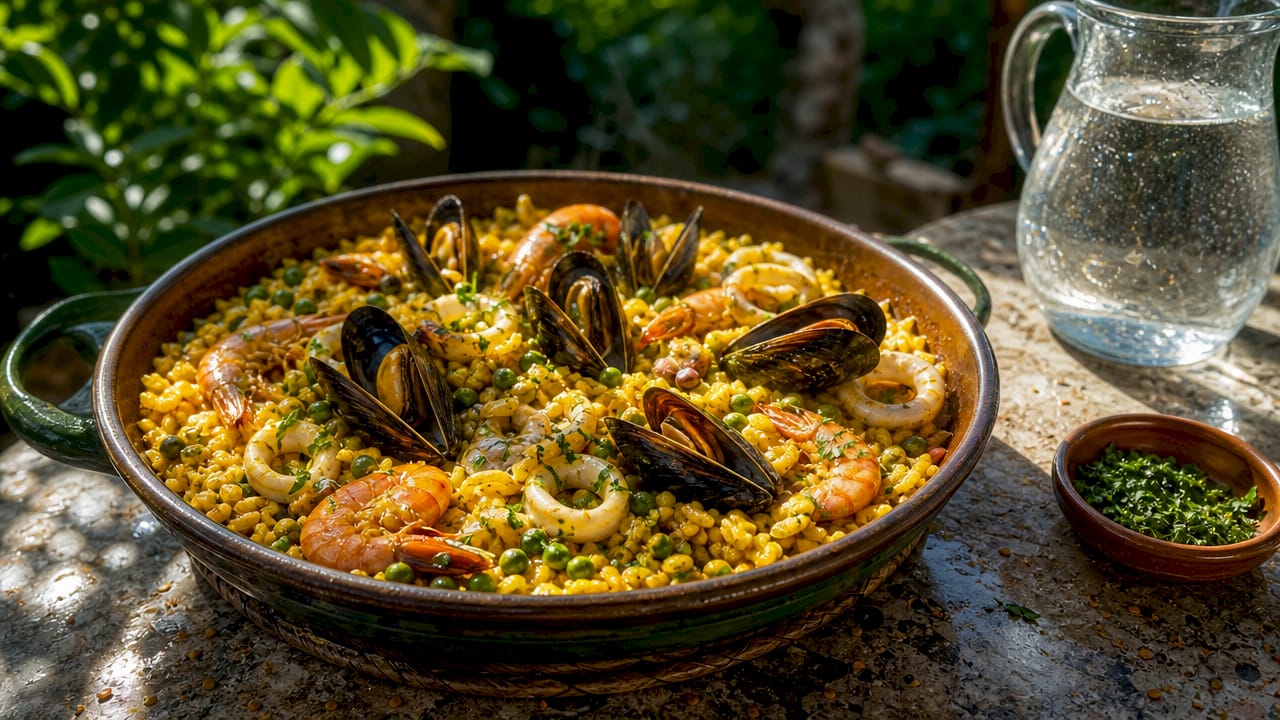
The technique matters as much as the ingredients. Rice is added to a base of sofrito, then stock is poured in and left to absorb without stirring. Stirring releases starch and destroys the texture. The pan stays over heat until you hear a faint crackling from below, which signals the socarrat forming.
Classic seafood additions include:
- Shrimp (gambas), added shell-on for flavor
- Mussels and clams, placed hinge-down so they open upward
- Calamari rings, added early to flavor the stock
- Langoustines or crayfish, laid on top as a finishing layer
Authentic paella is always served directly from the pan at the table. Pre-plated paella in individual portions is a red flag. The communal pan preserves the socarrat and signals that the kitchen respects the dish.
Pro Tip: Ask your server if the socarrat is guaranteed. Any kitchen confident in its paella will answer yes without hesitation. If they look uncertain, order something else.
2. Fideuà: the Valencian noodle rival to paella
Fideuà is a Valencian seafood dish where short, thin noodles called fideos replace rice entirely, and the socarrat in fideuà is a hallmark crispy, caramelized noodle layer distinct from its rice counterpart. The dish originates from Gandia, a coastal town south of Valencia, and carries the same cultural weight as paella among locals.
The cooking method begins with an aromatic sofrito of onion, garlic, tomato, and sweet paprika. Intense fish stock is added next, and the fideos cook directly in that liquid, absorbing every layer of flavor. The noodles are typically toasted before cooking, which deepens their flavor and helps them hold structure without going mushy.
| Feature | Paella | Fideuà |
|---|---|---|
| Base ingredient | Short-grain rice | Short fideos noodles |
| Socarrat texture | Crispy rice crust | Crispy noodle crust |
| Typical stock | Seafood or mixed | Fish and shellfish |
| Traditional accompaniment | Lemon wedge | Alioli (garlic mayonnaise) |
Fideuà is almost always served with alioli on the side. Stirring a spoonful into the dish adds a creamy, garlicky richness that cuts through the intensity of the fish stock. Travelers who skip fideuà in favor of paella are missing one of the best seafood recipes the Valencian coast produces.
Common seafood in fideuà includes:
- Cuttlefish or squid, cooked into the sofrito base
- Prawns, added whole for visual impact and sweetness
- Clams, opened by the steam of the stock
- Monkfish, cut into chunks for firm, meaty texture
3. Catalan zarzuela: the seafood stew built on timing
Catalan zarzuela is a saffron and tomato-based seafood stew built around monkfish, mussels, and prawns, and its success depends entirely on staggered cooking times to keep each element at peak tenderness. Total cook time runs about 55 minutes, but the seafood itself enters the pot in waves, not all at once.
The flavor base is built first: olive oil, onion, garlic, tomato passata, saffron, and a splash of dry white wine. Monkfish goes in early because its dense flesh needs time. Prawns follow later, cooking until just pink and opaque. Mussels are added last, opening in 4 to 6 minutes. Any mussel that stays closed after cooking gets discarded immediately.
- Build the sofrito base with olive oil, onion, garlic, and tomato passata.
- Add saffron and white wine, then reduce for 5 minutes.
- Add monkfish chunks and simmer for 15 minutes.
- Add prawns and cook until opaque, about 5 minutes.
- Add mussels, cover, and cook until shells open, 4 to 6 minutes.
- Discard any mussels that remain closed.
- Adjust seasoning and serve with crusty bread for the broth.
Regional variations across the Mediterranean add their own character. Ibiza’s bullit de peix, for example, uses saffron and almonds alongside fresh fish and shellfish, producing a flavor profile far more complex than a generic tomato-only base. These regional distinctions are what make Catalan seafood dishes worth studying before you travel.
4. Grilled shrimp and calamari: technique over everything
Grilled shrimp with chimichurri is one of the top seafood meals in Mediterranean coastal cooking, and the technique is unforgiving. Shrimp should be cooked 2 to 3 minutes per side over high heat until opaque with charred edges. Overcooked shrimp curl into a tight C shape and turn rubbery. The goal is a gentle curve, not a full circle.
Calamari a lo Pelayo, a method associated with chef Jose Andrés, takes the opposite approach for its base. The technique involves confiting onions and peppers slowly, then quickly searing calamari for about 3 minutes per side. The slow-cooked base delivers sweetness and depth. The fast sear preserves the calamari’s tender texture. Combining both in one dish is what separates a memorable plate from a forgettable one.
Freshness handling for shellfish is non-negotiable:
- Mussels should have closed shells or shells that close when tapped before cooking
- Prawns should smell of the sea, not ammonia
- Clams should be stored in cold salted water to purge sand before cooking
- Squid should have clear, firm flesh and a mild ocean scent
Pro Tip: Never store live mussels in a sealed container or submerged in water. Store them uncovered in a bowl covered with a damp towel in the refrigerator and cook within 24 hours of purchase.
5. How to find and order authentic Mediterranean seafood when traveling
Authentic Mediterranean seafood dining requires the same attention to detail as cooking it. The first question to ask at any restaurant serving paella or fideuà is whether the socarrat is present. A kitchen that produces a genuine socarrat will serve the dish directly from the pan, never pre-plated. That single observation filters out most tourist-trap versions instantly.
Confirming seafood doneness at the table is also your responsibility as a diner. Prawns should be opaque and lightly firm when you press them. Mussels and clams must be fully open. Any shellfish that arrives closed should be sent back without hesitation.
Shellfish safety matters more when you are traveling. Shellfish must reach 145°F (63°C) for at least 15 seconds to eliminate vibriosis risk. Reputable restaurants with high turnover and visible fresh product are your best protection. Avoid raw or undercooked shellfish at venues where you cannot verify sourcing.
Practical checklist for ordering seafood dishes to try abroad:
- Confirm the socarrat for paella and fideuà before ordering
- Watch for pan service as a sign of authenticity
- Check that mussels and clams are fully open before eating
- Choose venues with visible fresh catch or daily-changing menus
- Ask about the fish stock used in stews. Homemade stock signals serious cooking
Pro Tip: Restaurants near fish markets, like those in Barcelona’s Poblenou district, typically receive deliveries early in the morning. Lunch service at these venues offers the freshest product of the day.
Key takeaways
The most authentic Mediterranean seafood dishes are defined by technique and timing, not just ingredients. Socarrat, staggered shellfish additions, and sourcing from reputable vendors separate genuine dishes from imitations.
| Point | Details |
|---|---|
| Socarrat is the authenticity test | Paella and fideuà without a crispy bottom layer are not prepared correctly. |
| Timing determines texture | Mussels open in 4 to 6 minutes; prawns need 2 to 3 minutes per side. Add each seafood at the right moment. |
| Freshness precedes technique | Live mussels, same-day prawns, and reputable sourcing matter more than any recipe. |
| Regional variations reward curiosity | Ibiza’s bullit de peix and Valencia’s fideuà offer flavors beyond the well-known classics. |
| Safety is the traveler’s responsibility | Confirm shellfish is fully cooked and sourced from reputable vendors before eating. |
Why authenticity in Mediterranean seafood still surprises me
I have eaten paella in a dozen cities, and the version that stays with me was served in a restaurant two blocks from a fish market, in a pan so large it barely fit the table. The socarrat crackled when the server scraped it. That sound is the whole point.
What most food guides miss is that Mediterranean seafood cuisine is not about complexity for its own sake. Zarzuela uses seven or eight ingredients. Fideuà uses four or five. The skill is in sequencing and sourcing, not in layering technique on top of technique. A chef who knows when to add the mussels and where to buy the monkfish will always outperform one who relies on elaborate preparation to compensate for mediocre product.
The dishes worth seeking out are the ones where the kitchen has nothing to hide. No heavy sauces masking stale fish. No pre-made stock from a carton. The role of fresh ingredients in these dishes is not a marketing claim. It is the entire foundation of the cuisine.
My honest recommendation: use resources like TasteAtlas to spark curiosity about regional dishes, but do not treat rankings as a travel itinerary. The best seafood meal you will eat in the Mediterranean will probably not be the most famous one. It will be the one where the cook knew the fisherman.
— Elspescadors
Experience these dishes at Elspescadors in Barcelona
Elspescadors brings every dish discussed in this article to the table with the sourcing and technique they deserve. Located in Barcelona’s historic Poblenou district at Plaça de Prim, the restaurant specializes in authentic Catalan maritime cuisine using seasonal, locally sourced ingredients from the Mediterranean coast.
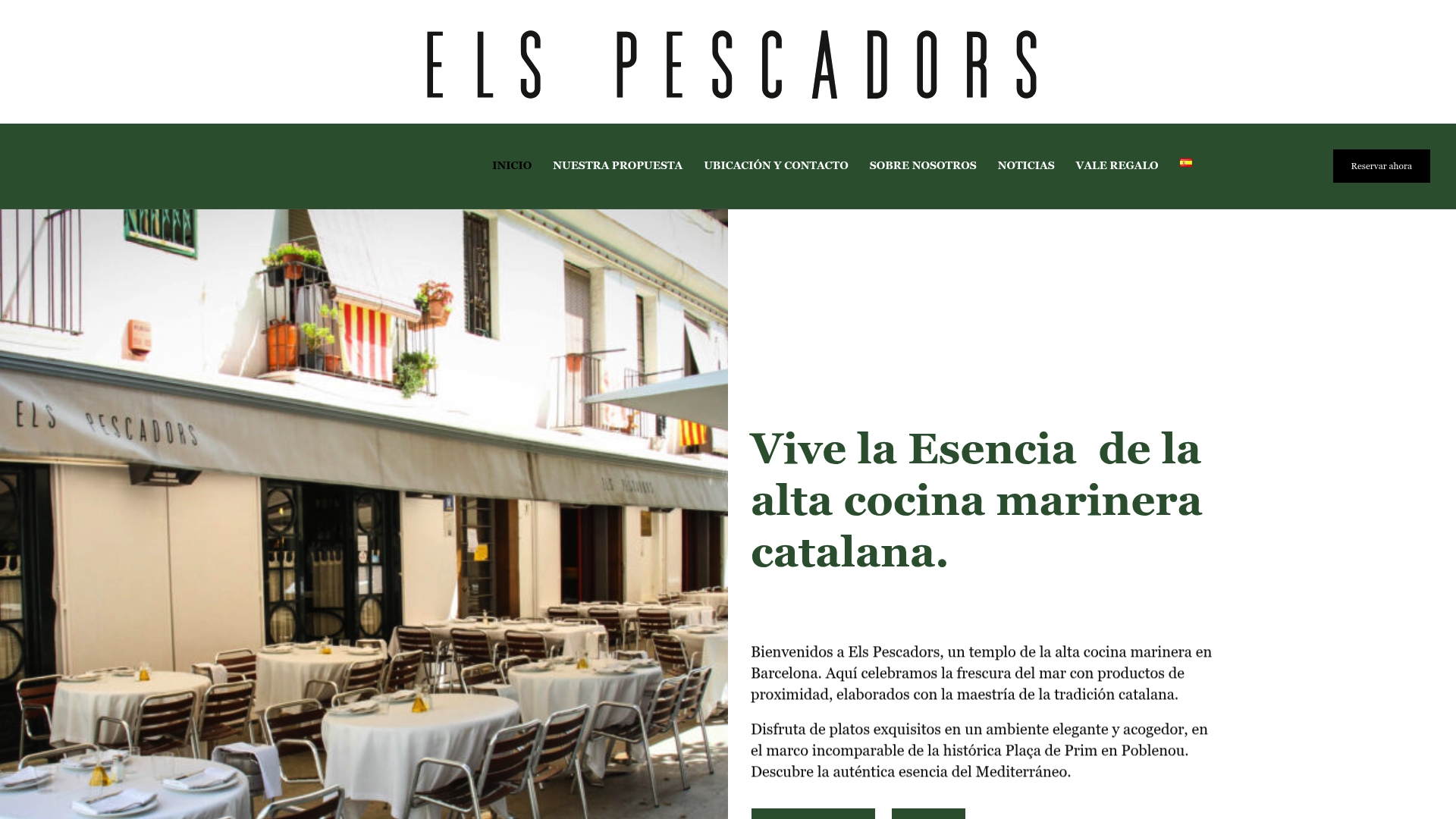
The menu at Elspescadors features traditional rice dishes, fresh catch, and seafood specialties prepared with the same respect for socarrat, timing, and freshness that defines the best of this cuisine. Whether you are a Barcelona local or a traveler looking for a defining meal, explore the full dining proposal to see what is on the menu and reserve your table. This is fine seafood dining in Barcelona done without compromise.
FAQ
What makes a seafood dish “must-try” in Mediterranean cuisine?
A must-try dish combines authentic regional preparation, culturally significant ingredients, and techniques that cannot be replicated with shortcuts. Paella, fideuà, and zarzuela each meet this standard through their distinct cooking methods and flavor profiles.
How do I know if paella is authentic?
Authentic Spanish seafood paella is served directly from the pan and features a socarrat, the crispy caramelized layer at the bottom. Pre-plated paella without this crust is a reliable sign of inauthentic preparation.
What is the difference between paella and fideuà?
Fideuà replaces rice with short fideos noodles and is traditionally served with alioli. Both dishes develop a socarrat, but the noodle version produces a crispier, more textured base with a slightly different flavor from the toasted noodles.
Is it safe to eat shellfish when traveling in the Mediterranean?
Shellfish is safe when cooked to at least 145°F (63°C) and sourced from reputable vendors. Choose restaurants with high turnover, visible fresh product, and avoid any shellfish that arrives at the table still closed or undercooked.
What seafood dishes should I try beyond paella?
Catalan zarzuela, fideuà, grilled shrimp with chimichurri, and Ibiza’s bullit de peix are all top seafood meals that reward travelers willing to look beyond the most familiar options. Each offers a distinct flavor profile rooted in specific regional traditions.