Catalan maritime cuisine, or cocina marinera catalana, is a coastal cooking tradition built around a handful of core dish families: the fish stews called suquet, the rice dishes known as arrossos, fideuà (a noodle-based cousin of paella), and mar i muntanya, the pairing of seafood with meat. Every one of these depends on peix de llotja, the day’s market catch, and often on Delta rice noted for its regional certification. What follows walks through the techniques, sourcing habits, and regional quirks that hold this tradition together.
TL;DR:
- For suquet, cook potatoes before adding firmer seafood, then add delicate rockfish only during the final few minutes to prevent it from overcooking.
- Choose creamy, spoonable rice for shellfish or rockfish stocks, and dry, separate grains for heartier plates; Delta de l’Ebre rice holds up during slow cooking.
- Ask the fishmonger what arrived at the morning auction and adapt suquet, rice, or noodle dishes to that catch rather than requesting a fixed species.
- Order suquet for a simpler fish and potato stew, while zarzuela brings mixed seafood in a richer sauce suited to celebrations and shared meals.
Table of Contents
- Core dish families of Catalan maritime cuisine
- Suquet de peix: anatomy, variants, and technique
- Arrossos mariners and the Delta de l’Ebre DOP
- Mar i muntanya and signature techniques (picada, sofregit, zarzuela)
- Fishing, the llotja, and sustainability in coastal practice
- Authoritative perspective: museums, show-cooking, and the restaurant practice
- Typical ingredients unique to Catalan seafood cooking besides fish and rice
- Pairing Catalan maritime dishes with traditional local wines and beverages
- Overview of dining customs and presentation style in Catalan coastal cuisine
- What this cuisine teaches about tradition and change
- Where to taste refined maritime cuisine in Barcelona
- FAQ
- Sources
Core dish families of Catalan maritime cuisine
Four families anchor the repertoire, and each reflects a different relationship between fishermen, cooks, and the sea.
Suquet is a fish and potato stew, built on a sofregit base and finished with picada, a ground mixture that thickens and brightens the broth. It began as practical fuel for fishing crews and now appears on menus from beach shacks to white-tablecloth dining rooms.

Arrossos split into two camps: meloso, a creamy, loose-grained rice closer to risotto, and sec, a drier style where grains separate and often pick up a crust at the bottom of the pan. Both lean on Delta de l’Ebre rice and whatever shellfish or rockfish the season offers.
Fideuà swaps rice for short, toasted noodles, a shift many coastal towns trace to fishermen using what was on hand. It is typically finished with alioli on the side rather than stirred in.
Zarzuela and the older salaons (salted and cured fish traditions) round out the picture: zarzuela as a festive, mixed seafood stew in a rich sauce, salaons as the preservation methods that let coastal communities eat fish through lean seasons.
- Suquet: fish, potatoes, sofregit, picada; weeknight to special-occasion.
- Arrossos: meloso or sec, built around Delta rice and seasonal catch.
- Fideuà: toasted noodles, alioli on the side, often shellfish-forward.
- Zarzuela: a celebratory mixed stew with a thicker, spiced sauce.
Suquet de peix: anatomy, variants, and technique
A proper suquet follows a fairly strict order even though the ingredients vary by town and season. The structure is what makes it suquet; the fish is almost secondary.
- Build the sofregit: onion, tomato, and often garlic cooked slowly until sweet and jammy.
- Add fish stock or water and bring it to a gentle simmer.
- Add potatoes first, since they need the longest cooking time and release starch that thickens the broth.
- Add firmer fish and shellfish, then the most delicate rockfish last, so nothing turns rubbery or falls apart.
- Stir in the picada, usually almonds, garlic, parsley, and sometimes toasted bread, to finish the broth’s body and flavor.
Coastal towns vary the fish list based on what the llotja lands that morning, from monkfish and scorpionfish to cuttlefish, and there is no single official recipe. Cooks are expected to adapt to the market.
Pro Tip: Add delicate rockfish only in the final few minutes of simmering, since it overcooks faster than the potatoes and shellfish do.
Arrossos mariners and the Delta de l’Ebre DOP
Rice choice matters as much as the seafood on top. DOP Arròs del Delta de l’Ebre protects rice grown in the Ebre delta, a wetland region whose growing conditions give the grain the starch structure that holds up in slow-cooked arrossos without turning to mush. For a dish that lives or dies by texture, that consistency is the whole point.
DOP Arròs del Delta de l’Ebre is the certification that identifies and protects rice grown specifically in the Ebre delta for use in regional seafood cooking, a detail that matters to anyone trying to judge whether a rice dish is built on the right base. [DOP Arròs del Delta de l’Ebre]
Choosing between styles comes down to texture and occasion:
- Meloso: creamy and spoonable, suited to rockfish and shellfish stocks eaten as a main course.
- Sec: dry-grained with separated kernels, often paired with rabbit, chicken, or mixed seafood for a heartier plate.
- Fideuà: the noodle alternative, typically built around shrimp, cuttlefish, or monkfish and served with alioli.
Seasonal pairing follows the catch: spring and summer favor lighter shellfish in meloso rice, while heartier mar i muntanya combinations suit sec rice in cooler months.
Mar i muntanya and signature techniques (picada, sofregit, zarzuela)
Mar i muntanya, literally “sea and mountain,” pairs seafood with inland meat or poultry in a single dish, a practice that reflects how coastal and inland Catalan communities traded ingredients for centuries. A classic example sets chicken or rabbit alongside prawns or cuttlefish, bound together by the same picada and sofregit that anchor suquet.
Two techniques carry nearly every dish in this tradition:
- Sofregit: onion, garlic, and tomato cooked down slowly into a sweet, concentrated base that starts most stews and rice dishes.
- Picada: a pounded mix of almonds, garlic, parsley, and sometimes saffron or toasted bread, stirred in near the end to thicken and sharpen flavor.
Zarzuela builds on this same foundation but pushes toward abundance: a mixed seafood stew in a thicker, often paprika-tinted sauce, traditionally served for celebrations and large gatherings. Other festive seafood platters follow the same logic, favoring variety and generous portions over the single-fish simplicity of a weeknight suquet. The throughline across all of it is that sofregit and picada are nearly inseparable from the category of dish, used across suquet, arrossos, mar i muntanya, and zarzuela alike.
Fishing, the llotja, and sustainability in coastal practice
“Peix de llotja” refers to fish and shellfish bought directly from the morning auction at a coastal fish market, and it shapes the cuisine more than any recipe book does. Regional gastronomy sources note that seasonal cycles and local market supply, not a fixed menu, determine what is cooked on a given day along the Catalan coast, with celebrated local products like Palamós prawns tied directly to their place and season.
Espai del Peix, run through the Museu de la Pesca in Palamós, runs show-cooking sessions, tastings, and workshops built around this same idea: using lesser-known, low-commercial-value species to ease pressure on the most popular fish and support more sustainable fishing overall.
For home cooks and diners, the practical takeaways are simple:
- Ask your fishmonger what came in that morning rather than requesting a specific species.
- Favor fish in season over whatever looks familiar from past visits.
- Treat suquet, arrossos, and fideuà as frameworks that flex around the catch, not fixed recipes.
Authoritative perspective: museums, show-cooking, and the restaurant practice
Bibliographic sources on Catalan maritime cuisine draw a clear line between cuina de barca, or ranxo, the austere, calorie-dense, one-pot cooking fishing crews made at sea, and cuina de cala, the more social cooking done onshore. Espai del Peix’s own programming traces how that ranxo spirit evolved into the show-cooking formats used today, turning fuel-for-work cooking into public demonstration and education.
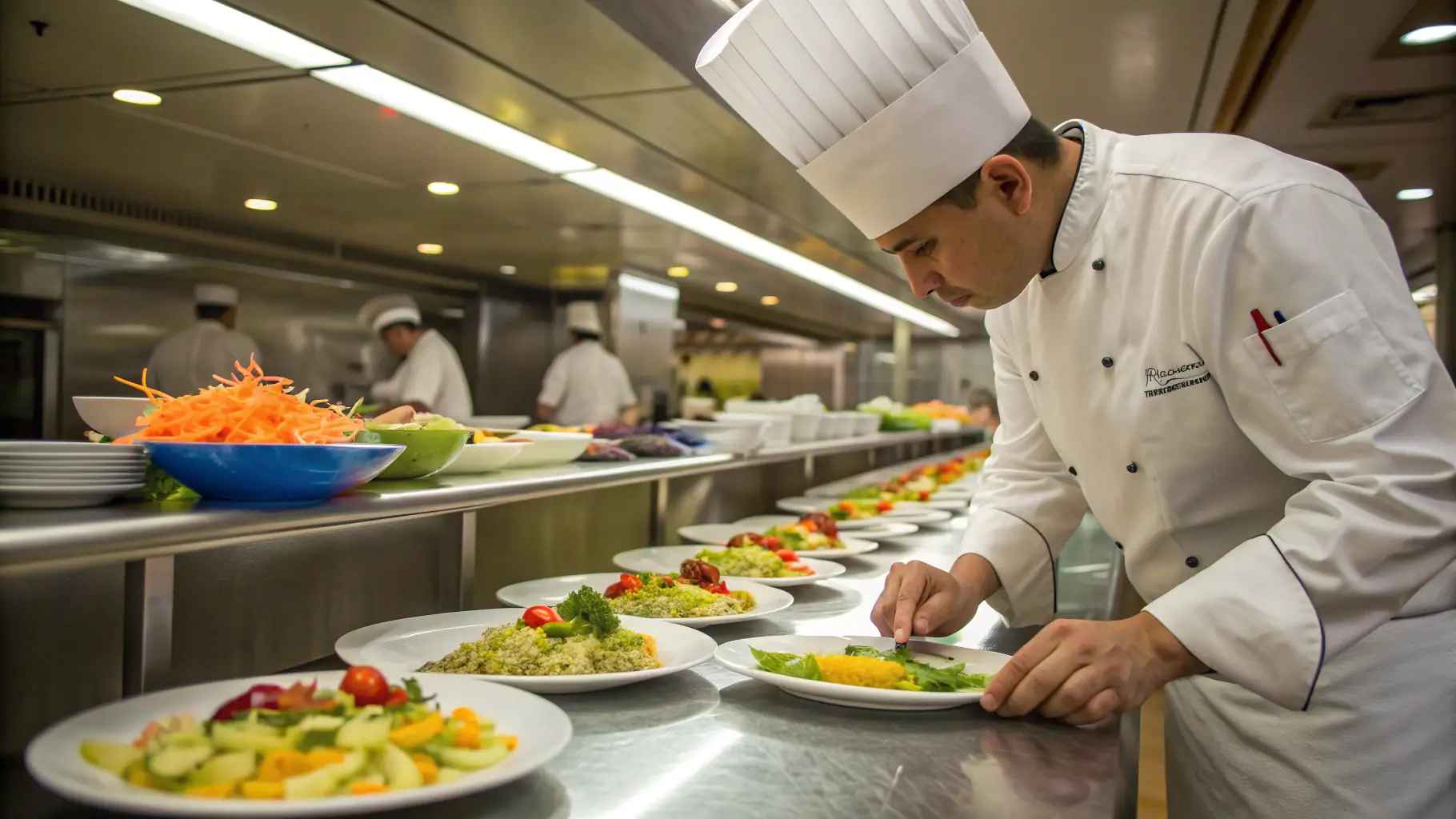
Fine dining borrows the soul of ranxo (the sofregit, the picada, the respect for the day’s catch) while applying sharper technique and plating. The result is not a departure from tradition but a continuation of it, adapted to a dining room instead of a boat deck.
Authenticity in this cuisine is dynamic: chefs preserve core sourcing principles, fresh, seasonal, sustainable, while innovating on technique and presentation.
Typical ingredients unique to Catalan seafood cooking besides fish and rice
Beyond fish and rice, a handful of ingredients define the flavor signature of this cuisine. Almonds and hazelnuts, toasted and ground into picada, give dishes body and a faint sweetness that balances the brine of shellfish. Saffron appears sparingly in rice dishes and some stews, lending color and a floral top note rather than overwhelming heat.
Alioli, a garlic and oil emulsion traditionally made without egg, rides alongside fideuà and grilled fish rather than being mixed in, letting diners control intensity bite by bite. Romesco, a roasted red pepper, tomato, almond, and hazelnut sauce, more commonly served with calçots, also turns up alongside grilled seafood in some coastal towns.
Cuttlefish ink colors and flavors certain rice and pasta preparations, giving them a briny depth distinct from tomato-based versions. Botifarra, a pork sausage, and rabbit or chicken supply the “muntanya” half of mar i muntanya dishes, while cured meats occasionally season a sofregit the way bacon might in other cuisines. Olive oil, used generously rather than sparingly, carries through nearly every stage of cooking, from the initial sofregit to a finishing drizzle at the table.
None of these ingredients work in isolation. A picada without almonds loses its texture; a fideuà without alioli loses its contrast. The ingredients function as a connected system built around balance rather than a single star component.
Pairing Catalan maritime dishes with traditional local wines and beverages
White wines from coastal and inland Catalan regions, often built on Xarel·lo, Macabeu, or Parellada grapes, the same varieties used in cava, tend to suit lighter suquets and shellfish-forward arrossos, since their acidity cuts through the richness of picada and olive oil. Cava itself, with its bright acidity and fine bubbles, pairs naturally with fried seafood and fideuà, refreshing the palate between bites of alioli-rich noodles.
Heartier mar i muntanya dishes, with their inland meat component, often call for a light, fruit-forward red rather than a white, something that can stand up to rabbit or chicken without overpowering the seafood half of the plate. Rosé, common along the coast, works as a flexible middle ground for zarzuela and other mixed seafood stews that carry more spice and body than a simple suquet.
Vermouth, served chilled with an olive or citrus twist, is a common aperitif before a seafood meal in Catalan coastal towns, setting the stage rather than competing with the main courses. Sparkling water or a light beer also appears at casual coastal meals, particularly with fried fish, where a crisp, low-intensity drink lets the fry itself stay the focus.
The general pairing logic holds across the cuisine: match the wine’s weight and acidity to the dish’s richness, and let a sauce like picada or alioli, rather than the fish alone, guide the choice.

Overview of dining customs and presentation style in Catalan coastal cuisine
Meals built around maritime cuisine tend to follow a relaxed, shared rhythm rather than a strict sequence of individually plated courses. Starters often arrive family-style, think plates of seafood to pass around, while a suquet or arròs frequently lands in the center of the table in its cooking vessel, encouraging diners to serve themselves.
Presentation favors rustic authenticity over heavy styling: a suquet is served in the same earthenware or metal pot it cooked in, and rice dishes often arrive in the paella pan itself, grains visible and slightly crusted at the edges if the style is sec. This is less about visual restraint than about signaling that the dish was cooked to order and eaten close to the source.
Timing also matters. Seafood meals in Catalan coastal towns tend to stretch over a couple of hours, with bread and alioli or a simple salad bridging the gap between courses, and coffee or a digestif closing the meal rather than dessert taking center stage in every setting. Group meals, especially those built around a shared platter like zarzuela, lean into conversation and pacing as much as the food itself, a holdover from the communal cala tradition rather than the solitary efficiency of cooking aboard a boat.
What this cuisine teaches about tradition and change
Catalan maritime cuisine stays alive precisely because it refuses to freeze into a fixed recipe. The dishes that define it, suquet, arrossos, fideuà, mar i muntanya, work because they are frameworks for whatever the llotja delivers that morning, not museum pieces to replicate exactly. Visit a fish market at dawn, order a suquet built on the day’s catch, or sit in on an Espai del Peix show-cooking session, and the pattern becomes obvious: technique holds steady while the ingredient list shifts with the season.
— YellowRock
Where to taste refined maritime cuisine in Barcelona
Our kitchen is built around principles of daily fresh catch, seasonal sourcing, and traditional techniques that define Catalan maritime cuisine. Our Menú de Temporada, offered at a set per-person rate, follows the season rather than a fixed script, while our Menú Degustación includes multiple courses built around market catch of the day.
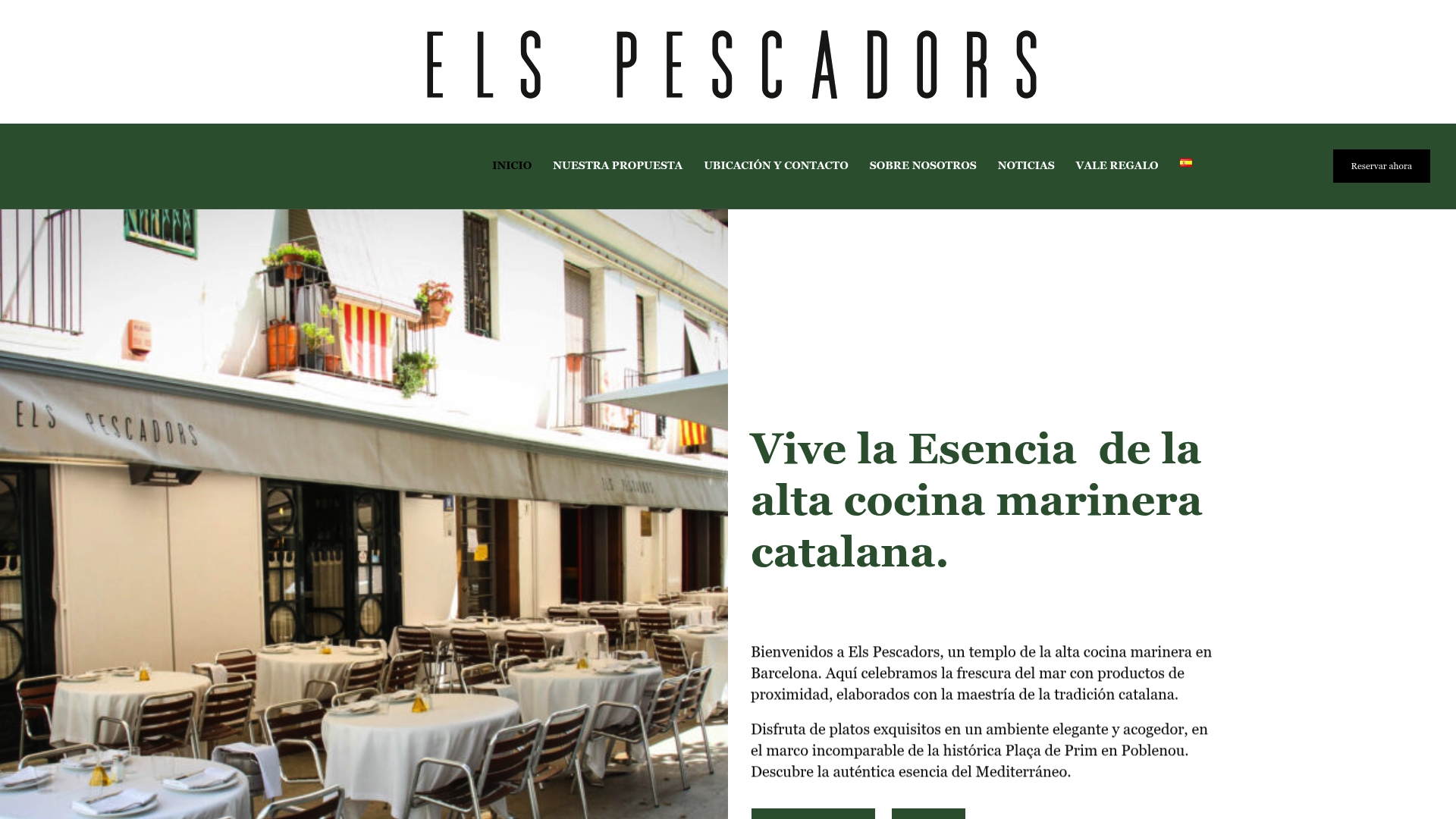
For groups looking to share a zarzuela-style spread or a full seafood feast, our Menú para Grupos is built for exactly that occasion. Reserve a table through Els Pescadors to taste the tradition described above, cooked the way the coast intended.
FAQ
What does “cocina marinera catalana” mean?
It refers to Catalan maritime cuisine, the coastal cooking tradition built around fresh market fish, rice dishes, and stews like suquet and zarzuela. The tradition centers on seasonal sourcing from local fish markets rather than fixed, rigid recipes.
What is the difference between suquet and zarzuela?
Suquet is a simpler, fisherman’s fish and potato stew built on sofregit and finished with picada, originally practical food for fishing crews. Zarzuela is a more festive, mixed seafood stew in a richer, thicker sauce, typically served for celebrations and larger gatherings.
Why is Delta de l’Ebre rice used for Catalan seafood dishes?
DOP Arròs del Delta de l’Ebre protects rice grown in the Ebre delta, prized for the texture it holds in slow-cooked seafood rice dishes. That consistency is why it remains the preferred base for both meloso and sec rice preparations across the region.
What is “peix de llotja” and why does it matter?
Peix de llotja is fish and shellfish bought directly from the morning auction at a coastal fish market, and it determines what a kitchen cooks that day. Regional gastronomy sources confirm that seasonal market cycles, rather than fixed menus, shape coastal cuisine.
Where can I learn about sustainable seafood traditions in Catalonia?
Espai del Peix, part of the Museu de la Pesca in Palamós, runs show-cooking sessions and workshops that promote lesser-known, sustainable species. These programs connect traditional technique with current conservation goals for coastal fishing.
Sources
- Espai del Peix — Museu de la Pesca project page
- Tast
- Gastronomia marinera a la Costa Brava
- Guia lectura / Cuina marinera — Biblioteca Virtual de Barcelona