
Arroz meloso de marisco is a creamy, spoonable seafood rice that sits between a soupy caldoso and a dry paella. Use short-grain rice like Bomba or Senia and about 3 parts hot fumet to 1 part rice, cooking it around 15 to 18 minutes over gentle heat. Done right, it serves four generously and comes out glossy, loose enough to pool on the plate, but never watery.
TL;DR:
- Proper short-grain rice like Bomba or Senia is essential for achieving the creamy, loose texture of arroz meloso de marisco.
- The optimal stock ratio is 2.5 to 3 parts liquid per part rice, with a gently simmered fumet providing more depth than store-bought options.
- Stirring the rice occasionally during cooking releases starch and builds creaminess, but aggressive mixing can turn the dish mushy.
- Adding seafood like prawns late in the process prevents overcooking and preserves texture, especially for delicate ingredients.
- Leftovers should be refrigerated and reheated with additional stock rather than frozen, to maintain rice and seafood quality.
Table of Contents
- What Goes Into Arroz Meloso de Marisco?
- Which Rice and Stock Make the Best Meloso?
- How to Cook Arroz Meloso de Marisco Step by Step
- How Do You Know When the Texture Is Right?
- Can You Vary the Seafood and What Should You Serve With It?
- What Does a Professional Kitchen Do Differently?
- When Should You Cook This at Home vs. Book a Table?
- Craving It Without the Prep? Els Pescadors Has You Covered
- Where These Techniques and Ratios Come From
- Sources
- FAQ
What Goes Into Arroz Meloso de Marisco?
The dish leans on a short list of ingredients, but every item pulls weight. For four servings, you need a moderate amount of short-grain rice (Bomba or Senia), hot fish and shellfish fumet, raw prawns or gambones with heads on, cleaned sepia or squid, one onion, three garlic cloves, one ripe tomato grated, two dried ñoras (or a spoonful of salmorreta paste), a pinch of saffron threads, and olive oil.
Season with salt only after tasting the fumet, since shellfish shells already carry plenty.
Substitutions matter here because seafood counters vary by week:
- No gambones? Frozen langostinos work, thawed slowly in the fridge overnight.
- Sepia unavailable? Squid rings or even monkfish cheeks hold up in the sofrito.
- Want extra brine? Add a handful of mussels or clams in their shells during the last five minutes.
- No ñoras on hand? A tablespoon of sweet paprika plus a touch of tomato paste gets close.
Which Rice and Stock Make the Best Meloso?
Short-grain rice rich in starch, specifically Senia and Bomba, is what separates a properly meloso texture from a mushy one. These varieties absorb liquid slowly and release starch without splitting the grain, which is exactly the creaminess you’re after.
For the stock, a proper fumet built from prawn heads and fish bones, simmered gently for 20 to 30 minutes, gives you far more depth than anything from a carton. If you’re short on time, a quality store-bought fish stock concentrate works, though you should still simmer it briefly with a few reserved shrimp shells to boost flavor.
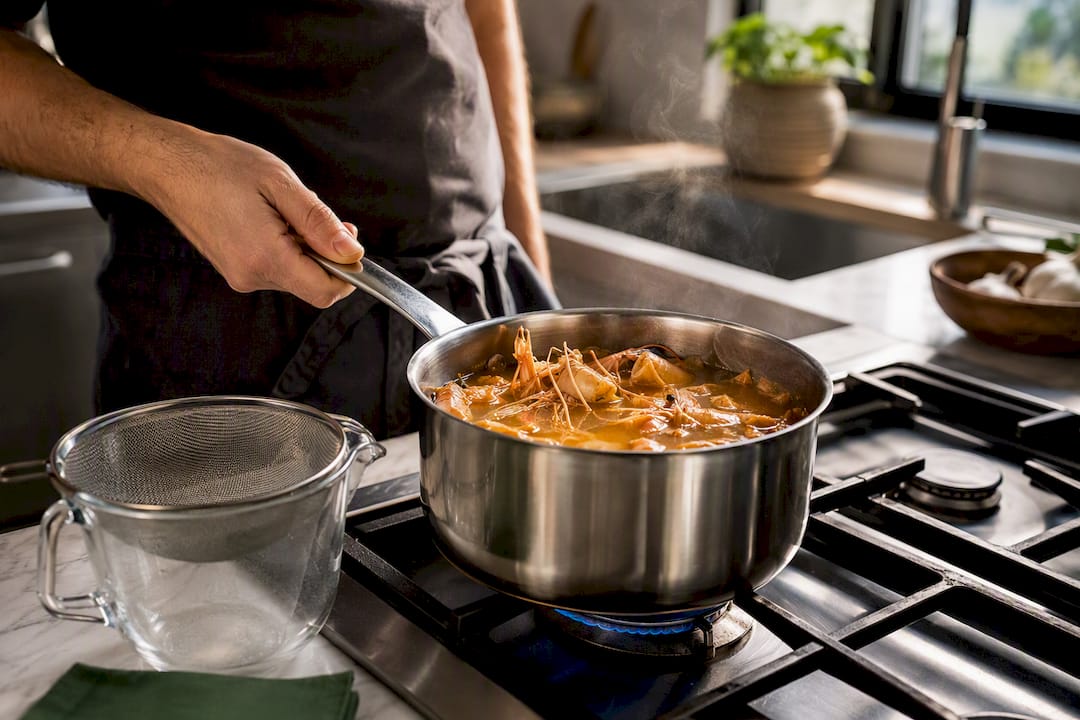
Stat check: the standard ratio for meloso is 2.5 to 3 parts stock per 1 part rice, noticeably wetter than a dry paella’s 2:1 but tighter than a brothy caldoso.
Keep two things in mind while cooking:
- Keep the stock simmering on a back burner to maintain cooking temperature; avoid adding cold liquid as it can stall the rice and affect texture.
- Reduce the fumet slightly before use if it tastes thin. A concentrated stock does more work with less volume, a point Choví’s cooking guide backs up when discussing why hotter, tighter stock improves absorption.
How to Cook Arroz Meloso de Marisco Step by Step
Start with mise en place. Peel the prawns, saving the heads and shells for the fumet if you haven’t made it yet. Dice the onion finely, mince the garlic, and grate the tomato. Measure your rice and have the hot stock simmering within arm’s reach, because meloso punishes hesitation.
- Build the sofrito. Heat the olive oil in a wide, shallow pan (a paellera works, but any broad skillet does). Sweat the onion over medium heat for 8 to 10 minutes until it turns deep gold, almost jammy. Add garlic, cook 1 minute, then stir in the grated tomato and let it cook down until it darkens and separates from the oil, about 5 minutes.
- Add the ñora paste or salmorreta. This concentrated base, built from soaked ñoras blended with garlic and a touch of oil, is what gives traditional marisco rice its depth, according to the technique described in Hogarmania’s arroz meloso recipe. Stir it into the sofrito and cook 2 minutes to release the aroma.
- Sear the sepia. Push the sofrito aside, raise the heat slightly, and sear the sepia pieces for 2 to 3 minutes until they pick up color.
- Nacarar the rice. Add the rice directly to the pan and stir for 1 to 2 minutes until the grains turn glassy and slightly translucent at the edges. This step seals the exterior of the grain and paces how fast starch releases later.
- Pour in the hot stock. Add the fumet all at once, bring it to a strong boil for 2 minutes, then drop to medium-low. Do not cover the pan.
- Cook around 15 to 18 minutes, stirring occasionally, not constantly. Frequent stirring is what actually builds the creaminess here, since it works the starch loose from the outside of each grain without breaking it.
- Add the raw prawns around the 12-minute mark so they cook through gently without turning rubbery.
- Rest 3 to 5 minutes off the heat, covered loosely with a cloth, before serving. This lets the rice finish absorbing the last bit of liquid.
Pro Tip: Crush a few of the reserved prawn heads directly into the sofrito right before you add the rice. Chefs at Els Pescadors use this move to layer a second hit of shellfish flavor on top of the fumet, and it costs you nothing but 30 seconds.
How Do You Know When the Texture Is Right?
The rice should have a visible sheen, almost like it’s coated in a thin film of sauce, and it should move slowly across the plate rather than sit in a puddle or stand up dry. If you tilt the pan and the rice barely shifts, that’s your cue to pull it off the heat.
Too dry? Splash in more hot stock, a few tablespoons at a time, and give it a gentle stir over low heat for another minute. Too soupy? Let it sit uncovered for a few extra minutes off the heat; the rice keeps absorbing liquid as it rests. If the grains have gone slightly past done and started breaking down, stop cooking immediately and let the rest period do the rest of the work rather than pushing more heat.
- Stir gently and only occasionally. Aggressive or constant stirring breaks the grains and turns meloso into mush.
- Add delicate seafood like prawns late so they don’t overcook while the rice finishes.
- Store leftovers in the fridge for up to two days, reheated gently with a splash of stock to loosen it back up.
Pro Tip: Skip the freezer entirely. Freezing degrades both the starch structure in the rice and the texture of the shellfish, so a rescued Sunday leftover is never worth a frozen one.
Can You Vary the Seafood and What Should You Serve With It?
Arroz meloso adapts well to what’s in front of you at the fish counter. A fish-only version works with chunks of monkfish or hake added at the same stage as the prawns. For a brinier, more coastal profile, toss in clams or mussels during the last five minutes so they open right at serving time. Precooked seafood, if that’s what you have, should go in during the final 2 minutes just to warm through.
The sofrito itself shifts the whole character of the dish. A ñora or salmorreta base leans smoky and slightly sweet, while a tomato-forward sofrito without ñora tastes brighter and more acidic.
- Serve alongside a simple green salad with a sharp vinaigrette to cut the richness.
- Crusty bread is non-negotiable for scraping the pan.
- A crisp Albariño or a dry Catalan white pairs cleanly with the shellfish notes.
What Does a Professional Kitchen Do Differently?
Melosidad doesn’t come from butter or cream, it comes from an emulsion between the stock and the sofrito, plus starch that’s released on the cook’s terms, not the rice’s. Nacarar the grain first, then let the stock do the talking.
Els Pescadors treats prawn heads as a two-stage ingredient: once simmered into the fumet, then briefly crushed into the pan during the sofrito stage for a second wave of aroma. That controlled starch release, paired with a properly nacarado grain, is the real technical gap between a home attempt and a restaurant plate. Explore more Catalan maritime technique in our guide to Mediterranean seafood dishes.
When Should You Cook This at Home vs. Book a Table?
If you’ve got a free hour, fresh prawns, and a good fumet on the stove, cooking arroz meloso at home on a Sunday is genuinely satisfying. But for a birthday, an anniversary, or when you want the rice to arrive exactly at its melting point without a minute of guesswork, that’s when I’d rather sit down and let a kitchen that does this daily handle it.
— YellowRock
Craving It Without the Prep? Els Pescadors Has You Covered
If measuring fumet ratios and timing prawns to the minute sounds like more effort than your Sunday has room for, Els Pescadors serves a properly meloso rice built on the same technique, decades of Catalan maritime practice, without you touching a single pan.
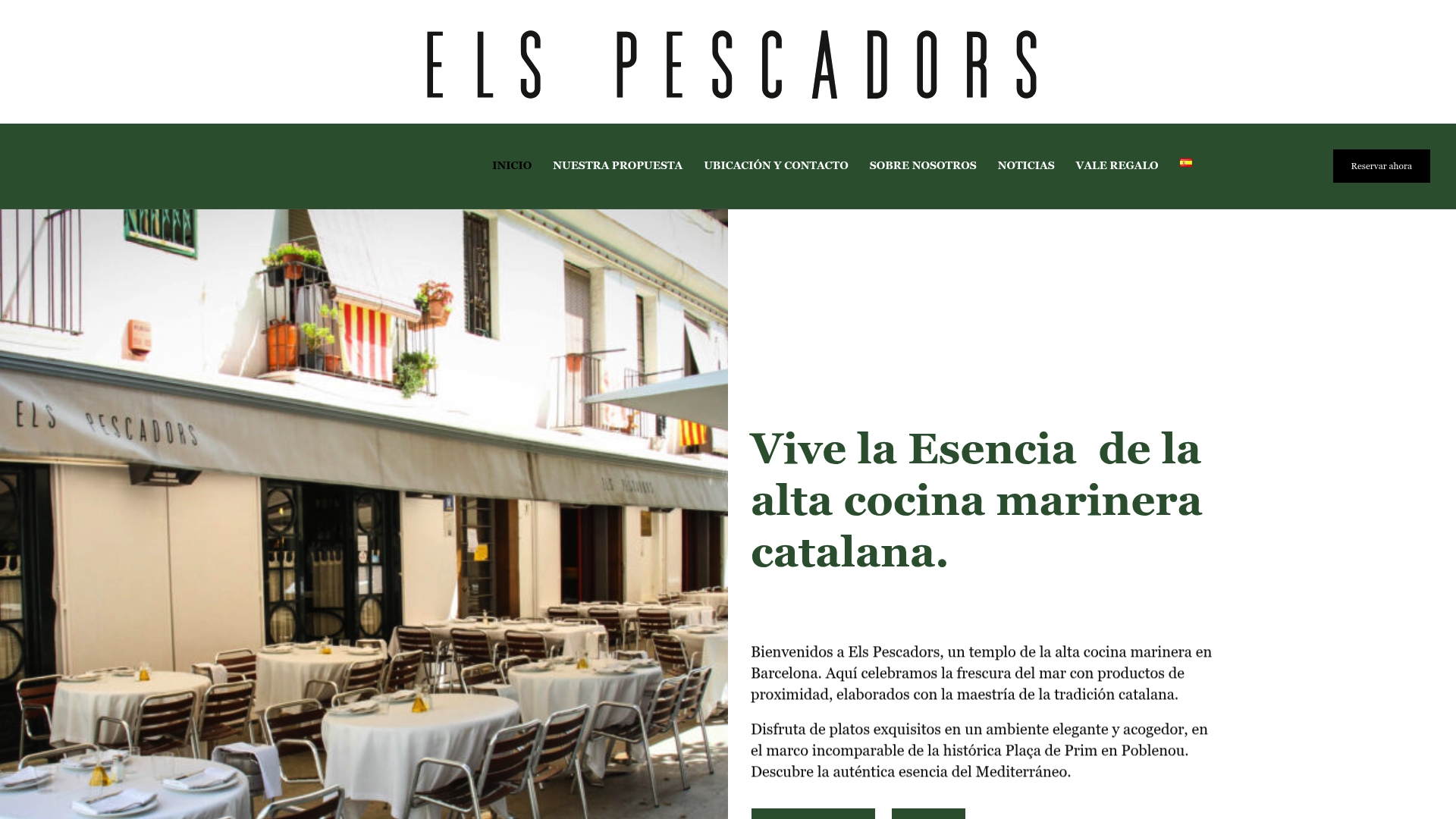
Our dining room in Barcelona’s Poblenou district specializes in exactly this kind of seafood rice, made fresh with daily catch and a fumet that simmers all morning. It’s a fitting stop whether you’re marking an occasion or simply want to taste the dish done at its highest level before attempting it yourself. For groups and celebrations, check out our group seafood dining ideas or browse our proposal for private events. Ready to taste it firsthand? Reserve your table and let us bring the meloso to you.
Where These Techniques and Ratios Come From
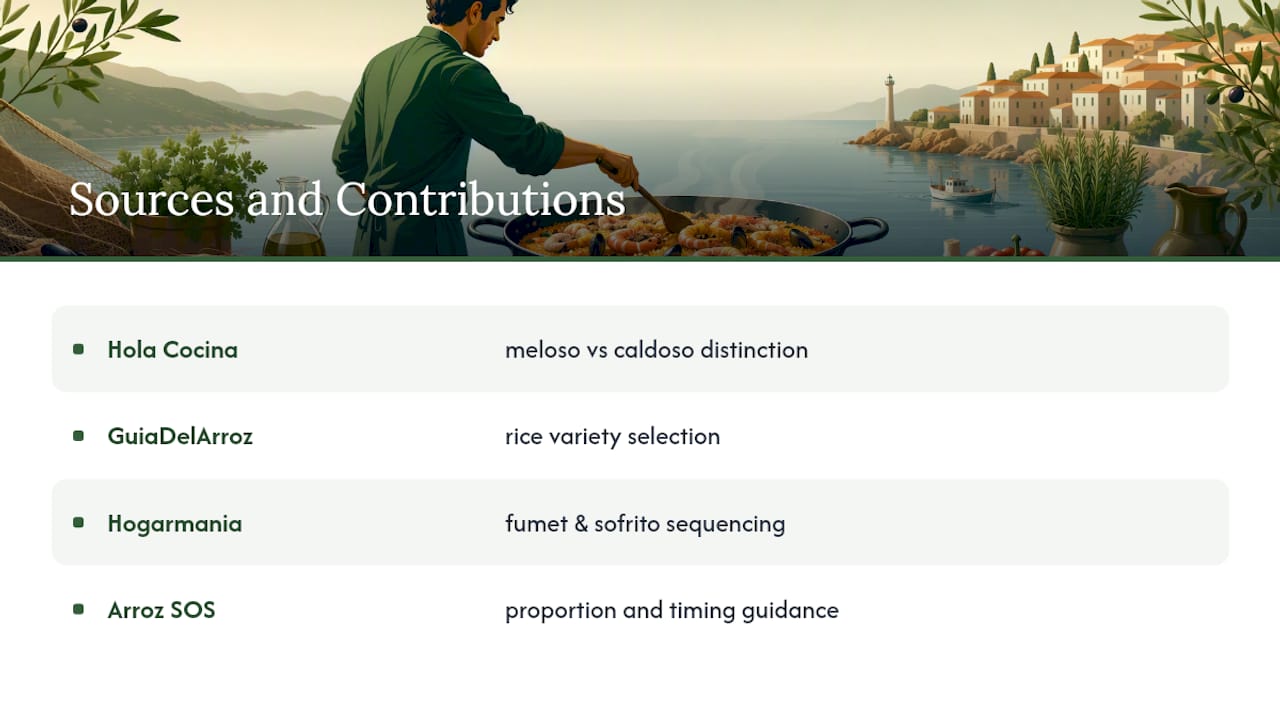
The rice varieties, stock ratios, and cooking times in this guide draw on established Spanish culinary references: Hola Cocina for the meloso versus caldoso distinction, GuiaDelArroz for rice variety selection, Hogarmania for fumet and sofrito sequencing, and Arroz SOS for proportion and timing guidance.
Sources
- Diferencias para preparar un arroz caldoso, un arroz meloso y un arroz seco — Hola Cocina
- Arroz meloso — GuiaDelArroz
- Arroz meloso de marisco — Hogarmania
- Aprende a calcular el caldo justo para un arroz perfecto — Arroz SOS
FAQ
What Ingredients Go Into Arroz Meloso de Marisco?
The core list is short-grain rice, hot seafood fumet, prawns or gambones, sepia or squid, onion, garlic, tomato, ñora or salmorreta paste, olive oil, and saffron.
What Makes Rice Turn Out Meloso Instead of Dry or Soupy?
Nacarar the rice briefly before adding stock, use about 3 parts hot fumet to 1 part rice, and stir occasionally so starch releases evenly without breaking the grains.
How Much Stock Do You Need for a Meloso Rice?
Use roughly 2.5 to 3 parts stock per 1 part rice, which lands between paella’s tighter ratio and a brothy caldoso.
Can You Freeze Leftover Arroz Meloso?
Freezing is generally discouraged as it can alter the rice and seafood texture; leftovers are best refrigerated and consumed soon after.