This glossary covers the fish and shellfish that define Catalan cooking, from Lluç (merluza) and molls (salmonetes) to rèmol, rape, bacaladilla, and prized crustaceans like gamba roja and cigala. Each entry pairs the Catalan name with its scientific name, a quick way to identify it, and how it typically lands on the plate.
TL;DR:
- Match cooking method to texture: rape and Lluç hold up in long stews, while moll de fang suits quick pan frying or grilling.
- Suquet and zarzuela gain depth from sofregit, an onion, tomato, and garlic base cooked slowly, and picada, a pounded mixture of nuts and garlic.
- Daily catch, not a fixed recipe, shapes kitchen choices; ask what arrived that morning because species and size determine the day’s preparation.
- EU rules require unprocessed fish labels to list scientific and commercial names, catch area, and wild caught or farmed status; ask staff when details are missing.
Table of Contents
- Which Catalan fish names should you learn first?
- How does Catalan cooking turn these fish into classic dishes?
- How can you verify a fish’s species and origin before ordering?
- How do working kitchens choose Catalan fish day to day?
- What actually matters when you’re reading a fish menu?
- Taste these fish the way Catalan kitchens intend
- FAQ
- Sources
Which Catalan fish names should you learn first?
Menus in Catalonia often list fish by regional names that have no obvious English equivalent, so matching the name to the species is the first real skill a curious diner or cook needs. The entries below draw on the EU multiannual plan for demersal stocks in the western Mediterranean, which identifies the species that anchor commercial fishing and, by extension, regional cuisine in this part of the Mediterranean.
- Lluç (merluza, hake), Merluccius merluccius: a slender, silvery fish with a pointed head, listed under the Catalan name ‘Lluç’ in the EU fish commercial names database. It appears year-round but is best in cooler months, and it holds up well in stews or simply grilled.
- Moll de fang (red mullet), Mullus barbatus: a small reddish fish with barbels under its chin, mapped to the Catalan name ‘Moll de fang’ by the EU commercial names registry. It is typically pan-fried whole or added to rice dishes.
- Moll de roca (striped red mullet), Mullus surmuletus: a rockier cousin of the moll de fang, slightly larger with more defined stripes, also recorded in the same EU database. Its firmer flesh suits grilling as much as frying.
- Rèmol empetxinat (turbot), Scophthalmus maximus: a flat, diamond-shaped fish with a bumpy, dark topside, listed as ‘Rèmol empetxinat’ in Catalonia by the EU fish names database. Its delicate white flesh is usually baked or roasted whole.
- Rape (monkfish), Lophius spp.: an oddly shaped fish with a huge head and a tail that carries all the usable meat, named among the demersal species tracked by the EU plan. The firm, almost lobster-like texture makes it a natural fit for stews and skewers.
- Bacaladilla (blue whiting), Micromesistius poutassou: a small, slender fish related to cod, caught in large volumes across the western Mediterranean. It is often fried whole or used in simpler, everyday preparations.
- Gamba roja (red shrimp), Aristeus antennatus: a deep-water shrimp with a deep red shell and a short, intense season tied to local landings. It is prized raw, lightly grilled, or as the finishing touch on a rice dish.
- Cigala (Norway lobster, langoustine), Nephrops norvegicus: a pale pink, slender crustacean with long claws, caught alongside hake and monkfish in the same demersal fisheries. It is typically grilled briefly or added whole to seafood stews.
Pro Tip: When a menu uses a name you don’t recognize, ask the server for the scientific name or the closest common equivalent. Catalan fish terminology shifts from one coastal town to the next, and a two-second question avoids ordering something unexpected.
How does Catalan cooking turn these fish into classic dishes?
Catalan cuisine sorts fish by texture and size before it ever decides on a recipe. Firm, meaty species like rape and Lluç hold together in long-simmered stews, while small, delicate fish like moll de fang are better suited to quick, high-heat cooking that keeps them from falling apart.
Two building blocks shape almost every fish dish in the region: the sofregit, a slow-cooked base of onion, tomato, and garlic, and the picada, a pounded mix of nuts, garlic, and sometimes fried bread or saffron stirred in near the end. Suquet de peix and zarzuela both rely on this combination to turn a simple broth into something layered, and both dishes lean on seasonal fresh catch rather than a fixed recipe. Classic zarzuela preparations typically build the sauce first, then add fish and shellfish in stages so nothing overcooks.
A few rules of thumb make ordering or shopping easier:
- Choose firm, meaty fish such as rape or Lluç for stews like suquet or zarzuela, since they survive longer cooking times.
- Save small, delicate fish such as moll de fang or moll de roca for quick pan-frying or grilling, where a few minutes per side is enough.
- Add crustaceans like gamba roja or cigala toward the end of cooking a rice dish or stew, so their flesh stays tender rather than rubbery.
Escabetx, a vinegar-based marinade, works well with small, oily fish, while bacaladilla often shows up fried whole in home kitchens where a lighter touch is the point.
How can you verify a fish’s species and origin before ordering?
EU rules require unprocessed fish sold to consumers to carry its scientific name, commercial name, catch area, and whether it was wild-caught or farmed. These requirements exist because fish fraud is a documented problem, not a hypothetical one.
Market testing has found mislabeling at rates high enough to justify routine DNA or protein-based verification, according to research summarized by the Labelfish project at the Max Rubner-Institut. That finding is the main reason species identification matters beyond simple curiosity: a name on a menu is not always the fish on the plate.
A short checklist helps close that gap when you’re buying or ordering:
- Ask for the scientific name when a common name seems vague or unfamiliar.
- Favor sellers or menus that mention daily catch or specific landing dates.
- Check printed labels for origin, catch method, and wild versus farmed status.
- Give preference to restaurants that state their traceability practices openly rather than leaving the question unanswered.
How do working kitchens choose Catalan fish day to day?
Seasonal fishing shapes what shows up on a Catalan menu far more than any fixed recipe does, which is why daily fresh catch plays such a central role in how Catalan kitchens plan service. A restaurant built around this rhythm treats the market, not a printed menu, as the starting point for each day’s dishes.
In practice, that often means Lluç going into a suquet when hake from that morning’s catch looks right for it, or moll de fang landing in a rice dish or getting pan-fried whole depending on size and supply that day. These are the kinds of calls a kitchen committed to seasonal, traceable sourcing makes constantly, species by species, rather than locking a menu months in advance.

What actually matters when you’re reading a fish menu?
Most advice about Catalan seafood focuses on memorizing dish names, but the names of the dishes matter far less than the names of the fish inside them. A suquet made with bacaladilla instead of rape is a different experience entirely, even if the sauce looks identical on the plate.

The bigger blind spot is seasonality and its benefits. Diners fixate on finding the “right” restaurant or the “authentic” version of a recipe, when the real variable is whether the fish was caught that week. A perfectly executed dish built on a tired, out-of-season fish will never taste as good as a simple preparation of something pulled from the water that morning.
If you take one thing from this glossary, let it be this: learn to ask what came in today, not what’s printed on the menu. Catalan cooking was built by fishing communities reacting to what the sea offered, and that habit, more than any single recipe, is what separates a memorable plate from an ordinary one.
— YellowRock
Taste these fish the way Catalan kitchens intend
We cook around daily fresh catch, so the Lluç, moll de fang, rape, and gamba roja described here show up on our tables close to how local fishing crews bring them in.
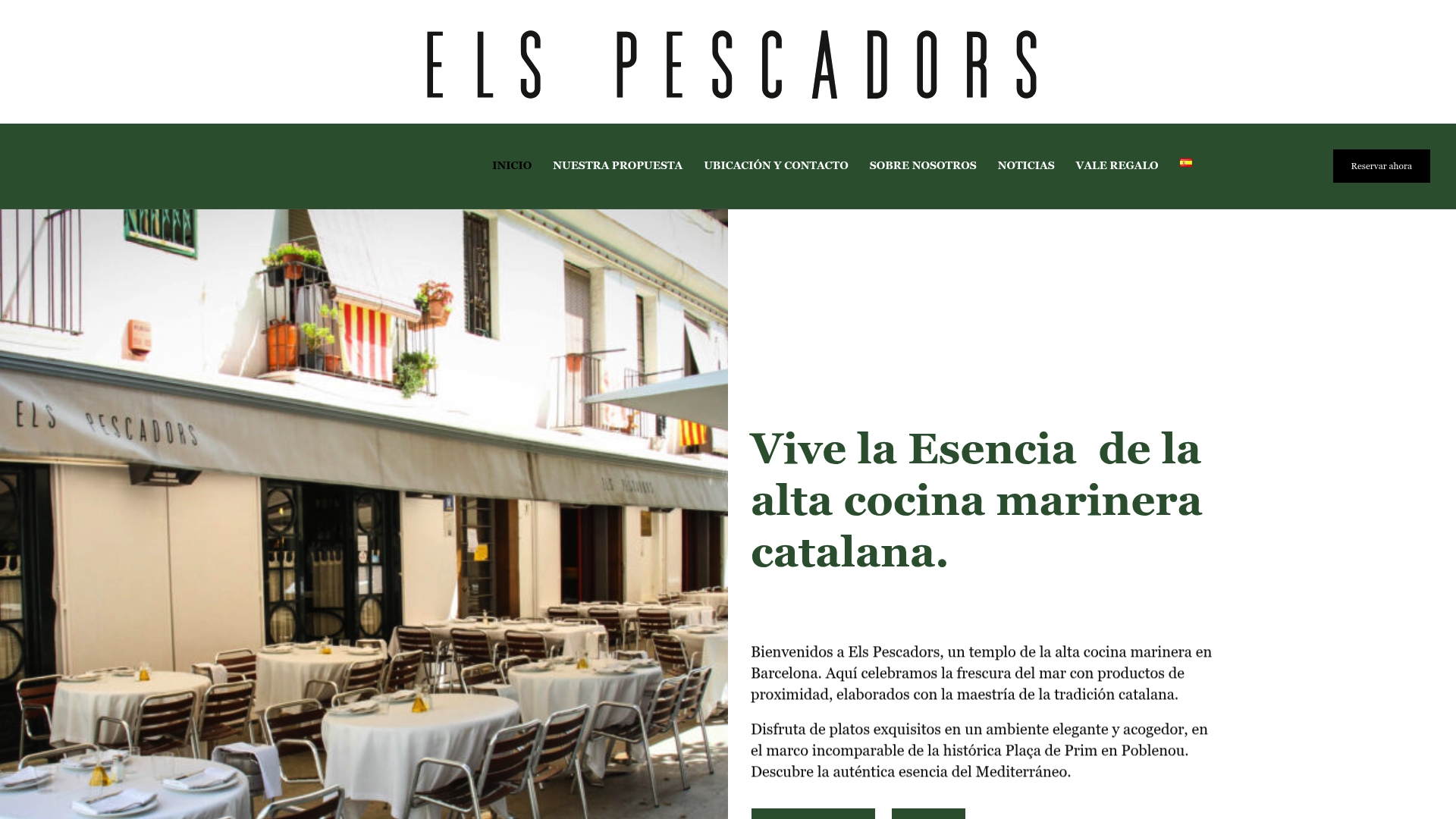
Our Menú de Temporada changes with the season, and our Menú Degustación offers a longer tasting format for anyone who wants to work through several of these species in one sitting. Reserve a table to see what’s come in today.
FAQ
What is the Catalan name for hake?
Hake, scientifically Merluccius merluccius, is called ‘Lluç’ in Catalonia according to the EU fish commercial names database. It’s one of the most common fish in Catalan cooking, often appearing in suquet or simply grilled.
What’s the difference between moll de fang and moll de roca?
Moll de fang (Mullus barbatus) and moll de roca (Mullus surmuletus) are both red mullets, but moll de roca tends to run slightly larger with more defined markings, per the EU commercial names registry. Both work well pan-fried or added to rice dishes, though moll de roca’s firmer flesh also takes well to grilling.
Why does seasonality matter so much for Catalan fish dishes?
Seasonality determines which species are abundant and at peak quality, which directly shapes what a Catalan kitchen cooks that day. Fresh, in-season fish like gamba roja during its short local window delivers noticeably better texture and flavor than the same species caught out of season.
How can I tell if the fish I’m served is correctly labeled?
Ask for the scientific name and catch origin, since EU rules require unprocessed fish to carry this information. Research from the Labelfish project found mislabeling common enough in some EU markets to warrant DNA or protein testing, so a specific answer from staff is a good sign.
What dishes typically feature rape (monkfish) in Catalan cooking?
Rape’s firm, meaty texture makes it a favorite for stews like suquet and zarzuela, where it holds up through longer cooking. It’s also common grilled or skewered, since the tail meat doesn’t fall apart the way more delicate fish can.
Sources
- Multiannual plan for demersal stocks in the western Mediterranean Sea (EU)
- Merluccius merluccius — Fish Commercial Names (EU)
- Mullus barbatus barbatus — Fish Commercial Names (EU)
- Scophthalmus maximus — Fish Commercial Names (EU)
- Labelfish — Max Rubner‑Institut (MRI)