Botifarra is defined as Catalonia’s quintessential fresh pork sausage, seasoned with little more than salt and pepper, and it sits at the center of traditional Catalan meals in a way no other ingredient does. The role of botifarra sausage in Catalan meals goes far beyond protein on a plate. It anchors the iconic dish botifarra amb mongetes, pairs grilled sausage with creamy hook beans, and shows up at Sunday lunches, neighborhood breakfasts, and regional festivals alike. Understanding botifarra means understanding how Catalonia eats, celebrates, and defines itself through food.
What varieties of botifarra sausage exist and how are they used in Catalan dishes?
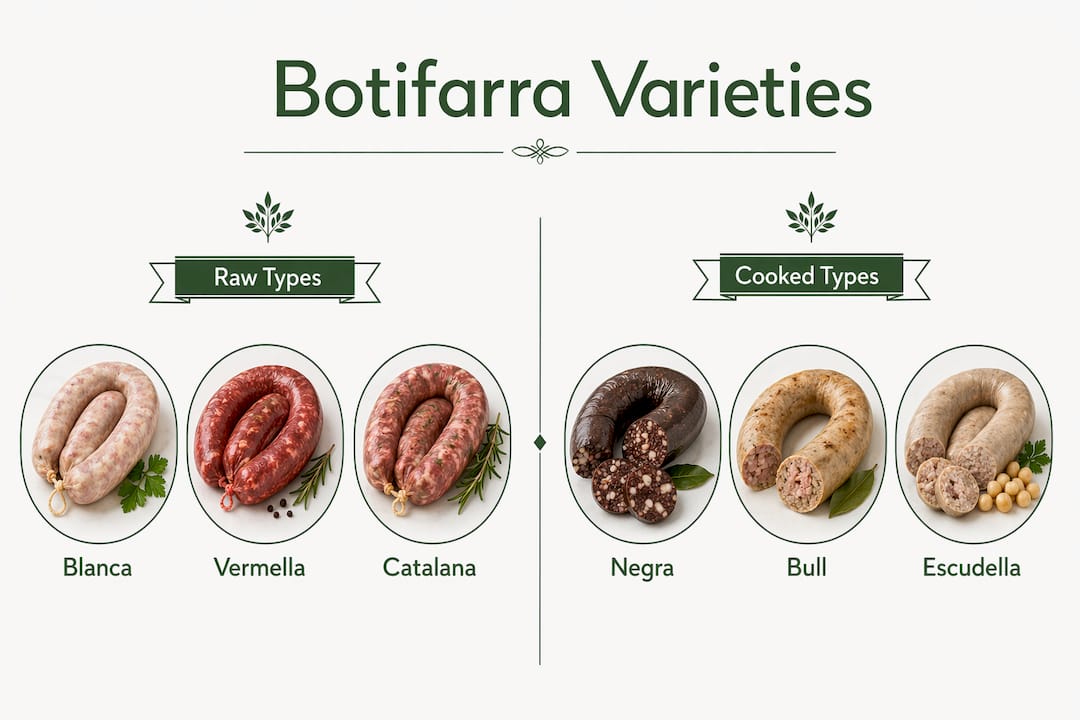
Botifarra comes in several distinct varieties, each with a specific role in Catalan cuisine dishes. The differences are not cosmetic. They reflect different moments in the meal, different cooking methods, and different flavor profiles built over centuries.
The three most common types are:
- Botifarra blanca (white botifarra): Made from lean pork and fat, seasoned with salt, pepper, and sometimes a touch of nutmeg. It is sold raw and grilled or pan-fried before serving. This is the variety most people mean when they say “botifarra.”
- Botifarra negra (black botifarra): A cooked blood sausage made with pork blood, fat, and rice or onion. It is eaten sliced, often cold or lightly warmed, and appears frequently on charcuterie boards and in stews.
- Botifarra d’ou: A specialty variety made with egg, giving it a pale yellow color and a softer, richer texture. It is less common but prized in certain inland Catalan towns.
- Botifarra crua: The raw, uncooked form used specifically for grilling. Its casing tightens over heat, producing the characteristic snap when you cut into it.
| Variety | State | Typical use |
|---|---|---|
| Botifarra blanca | Raw | Grilled or pan-fried, served with white beans |
| Botifarra negra | Cooked | Sliced cold, added to stews or charcuterie |
| Botifarra d’ou | Cooked | Eaten as a specialty, often at room temperature |
| Botifarra crua | Raw | Grilled over charcoal, the classic preparation |
The simple seasoning philosophy behind all varieties reflects a deliberate choice. Catalan producers use salt, pepper, and occasionally white wine or pine nuts. No heavy spices, no preservatives. That restraint is what makes botifarra so versatile across so many dishes.
How is botifarra traditionally prepared and served in Catalan meals?
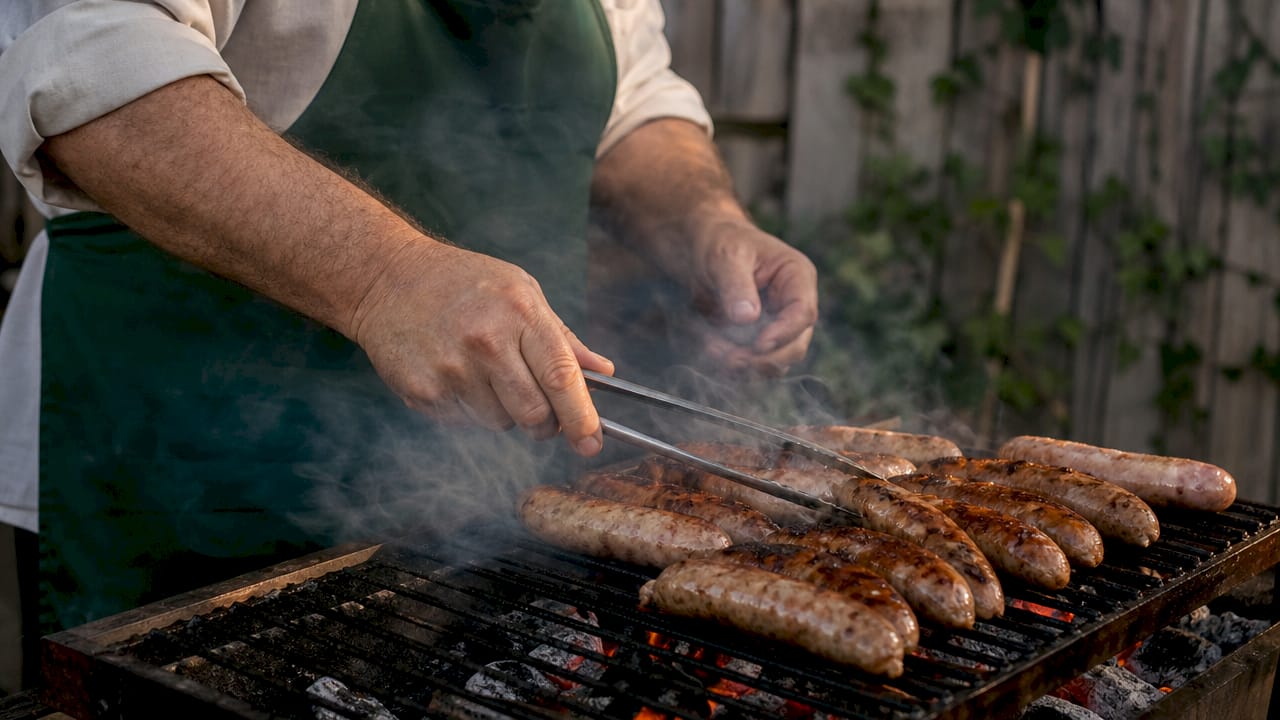
Grilling over charcoal is the gold standard for cooking fresh botifarra. The direct heat caramelizes the casing, creating a crispy exterior while keeping the interior juicy and firm. Pan-frying in a cast-iron skillet produces a similar result when a grill is not available.
The most important technique is one that many home cooks skip: prick the sausage lightly before cooking. This prevents the casing from bursting under heat and preserves the internal juices. Overcooking is the most common error. Botifarra should reach a firm but flexible texture, not a dry, shrunken one.
Traditional accompaniments follow a clear logic:
- Mongetes del ganxet: Hook-shaped white beans from the Maresme region, known for their creamy, buttery texture. They are the classic pairing.
- Pa amb tomàquet: Bread rubbed with ripe tomato and drizzled with olive oil. It appears on virtually every table in Catalonia.
- Allioli: A thick garlic and olive oil emulsion served on the side. It adds richness without competing with the sausage’s clean flavor.
The secret to authentic botifarra amb mongetes is finishing the beans in the fat rendered from the sausage during cooking. Warming the beans in that rendered pork fat integrates both components into a unified dish rather than two separate items on a plate. The beans absorb the sausage’s flavor and develop a silky, cohesive texture that no amount of butter or stock can replicate.
Pro Tip: Never cook botifarra straight from the refrigerator. Let it rest at room temperature for 15–20 minutes before grilling. Cold sausage hitting a hot grill cooks unevenly, leaving the center underdone while the casing chars.
Botifarra amb mongetes is served nearly universally in traditional Catalan restaurants, appearing on Sunday lunch menus, midweek fixed-price menus, and even morning menus. Its presence across all meal occasions is unusual for any single dish and speaks to how deeply embedded it is in daily Catalan life.
What is the cultural and economic significance of botifarra in Catalonia?
Botifarra is not a festival food. It is an everyday food that also gets celebrated at festivals, which is a meaningful distinction. The Fira de la Botifarra in La Garriga runs from 9:00 AM to 11:30 PM, filling the day with tastings, artisan showcases, and workshops dedicated entirely to this one sausage. That level of civic investment in a single ingredient signals genuine cultural pride, not manufactured tourism.
Local butcher shops called cansaladeries have produced botifarra for generations using family recipes. These shops are not artisan novelties. They are neighborhood institutions where locals buy sausage the same way their grandparents did. The economic ecosystem around botifarra supports small-scale pig farmers, spice merchants, and casing suppliers across the region.
Botifarra also anchors one of Catalonia’s most distinctive food rituals:
- Esmorzar de forquilla: Literally “fork breakfast,” this mid-morning meal is eaten around 10:00 AM in neighborhood taverns. It typically includes botifarra with white beans, bread with tomato, and a glass of wine or cava. It is a full, convivial meal eaten before noon, and botifarra is almost always on the table.
“Botifarra is not a delicacy reserved for special occasions. It is what Catalan workers have eaten for breakfast, lunch, and dinner for centuries. Its simplicity is its strength, and its consistency is its cultural power.”
The sausage’s role in Catalan food heritage extends to its symbolism. Botifarra represents the land, the pig, the farmer, and the cook. It connects urban Catalans to rural traditions that predate industrialized food by hundreds of years.
How does botifarra embody the philosophy and identity of Catalan cuisine?
Catalan culinary identity rests on a peasant philosophy: use what the land gives you, season it honestly, and cook it well. Botifarra is the clearest expression of that philosophy in sausage form. Its minimal seasoning of pork, salt, and pepper is not a limitation. It is a statement that the ingredient itself is enough.
This philosophy also explains why botifarra bridges what Catalans call “mar i muntanya,” the sea and mountain culinary tradition. Botifarra comes from the inland pig-farming regions, but it appears regularly alongside seafood in dishes that combine land and sea proteins. That connection between sea and mountain flavors is a defining feature of Catalan cooking, and botifarra is one of its most reliable anchors.
The key principles that define botifarra’s culinary identity:
- Simplicity over complexity: The sausage uses three to five ingredients. Every other element on the plate is chosen to complement, not compete.
- Texture as flavor: The contrast between crispy casing and creamy beans is the dish’s primary pleasure. Catalan cooks treat texture as seriously as taste.
- Fat as a cooking medium: Rendered sausage fat is not discarded. It becomes the sauce. This zero-waste approach is both practical and delicious.
- Consistency across generations: Traditional producers maintain the same recipes their grandparents used. Botifarra is a daily staple, not a culinary souvenir.
Pro Tip: When pairing botifarra with wine, reach for a young Penedès red or a Priorat. Both have enough acidity to cut through the pork fat without overwhelming the sausage’s clean, peppery flavor.
The rustic origins of Catalan cuisine show up most clearly in botifarra. It is a sausage that accommodates regional variation, including different bean types, different cooking fats, and different accompaniments, while preserving its essential character. That flexibility within a fixed identity is what keeps it relevant across centuries.
Practical cooking recommendations and botifarra sausage recipes
The foundation of any botifarra recipe is sourcing quality sausage. Fresh botifarra should have a firm casing with no cracks, a clean pork smell, and a pale pink interior. If the casing looks wet or the sausage feels soft, it is past its best.
For botifarra amb mongetes, the process is straightforward:
- Cook the sausage first: Grill or pan-fry over medium-high heat for 8–10 minutes, turning once. The casing should be golden and slightly blistered.
- Rest before cutting: Let the sausage rest for three minutes after cooking. Cutting immediately loses the juices you worked to preserve.
- Warm the beans in the fat: Add cooked mongetes del ganxet directly to the pan with the rendered fat. Stir over low heat for two minutes until the beans are coated and warm.
- Serve immediately: Botifarra amb mongetes is a dish that suffers from waiting. Serve it the moment the beans are warm.
Common mistakes to avoid when cooking with botifarra:
- Cooking over too-high heat: High heat chars the casing before the interior cooks through. Medium-high is the correct temperature.
- Skipping the resting period: Resting allows juices to redistribute. Skip it and the plate fills with liquid instead of the sausage retaining it.
- Using canned beans: Canned beans lack the texture of properly cooked dried mongetes del ganxet. The dish works, but the result is noticeably inferior.
- Adding heavy sauces: Botifarra does not need tomato sauce, cream, or stock. Adding them obscures the sausage’s clean flavor.
Pro Tip: For a variation, add a handful of wild mushrooms to the pan after removing the sausage. Cook them in the rendered fat before adding the beans. The mushrooms absorb the pork flavor and add an earthy depth that works particularly well in autumn.
Botifarra also pairs well with Catalan aperitivo traditions, where sliced botifarra negra appears alongside olives, anchovies, and vermouth as part of a pre-meal spread. This lighter application shows how the sausage adapts across the full arc of a Catalan meal.
Key Takeaways
Botifarra sausage is the defining ingredient of traditional Catalan meals, valued for its minimal seasoning, versatile varieties, and deep cultural roots that connect daily eating to regional identity.
| Point | Details |
|---|---|
| Core dish | Botifarra amb mongetes is the definitive Catalan preparation, pairing grilled sausage with creamy hook beans. |
| Variety matters | White, black, and egg varieties each serve distinct culinary roles across different meal occasions. |
| Cooking technique | Prick before grilling, cook at medium-high heat, and always finish beans in the rendered sausage fat. |
| Cultural depth | Botifarra appears at breakfast, lunch, dinner, and festivals, making it a daily staple rather than a seasonal specialty. |
| Culinary philosophy | Minimal seasoning and zero-waste cooking reflect Catalonia’s peasant food tradition, which values the ingredient over technique. |
Botifarra and the Catalan table: a personal view
The first time I ate botifarra amb mongetes at a neighborhood tavern in Barcelona, I made the mistake of expecting something elaborate. The plate arrived looking almost plain. Grilled sausage, white beans, bread with tomato. No garnish, no sauce, no theater. Then I tasted it, and I understood immediately why Catalans have been eating this dish for centuries.
What strikes me most about botifarra is how honest it is. The sausage does not hide behind spice blends or smoking techniques. It tastes like pork, pepper, and good fat. The beans taste like beans cooked in pork fat. That directness is rare in food, and it is increasingly rare in restaurants that feel pressure to add complexity where none is needed.
The cultural pride around botifarra is also genuine, not performed. At the Fira de la Botifarra in La Garriga, the people running the tastings are the same people who make the sausage. They are not food influencers or brand ambassadors. They are butchers and farmers who want you to understand what they make. That connection between producer and eater is something worth seeking out whenever you eat in Catalonia.
My honest recommendation: if you visit Barcelona and eat botifarra at a restaurant that serves it with a fancy reduction or a deconstructed presentation, you are not eating the real thing. Find a place that serves it simply, with beans and bread. That is where the tradition lives.
— YellowRock
Catalan culinary tradition at Elspescadors
Elspescadors sits in the historic Poblenou district of Barcelona, in Plaça de Prim, and its menu reflects the same respect for Catalan culinary tradition that makes botifarra so enduring. The restaurant draws on locally sourced, seasonal ingredients and the kind of honest cooking philosophy that defines the best of Mediterranean food.
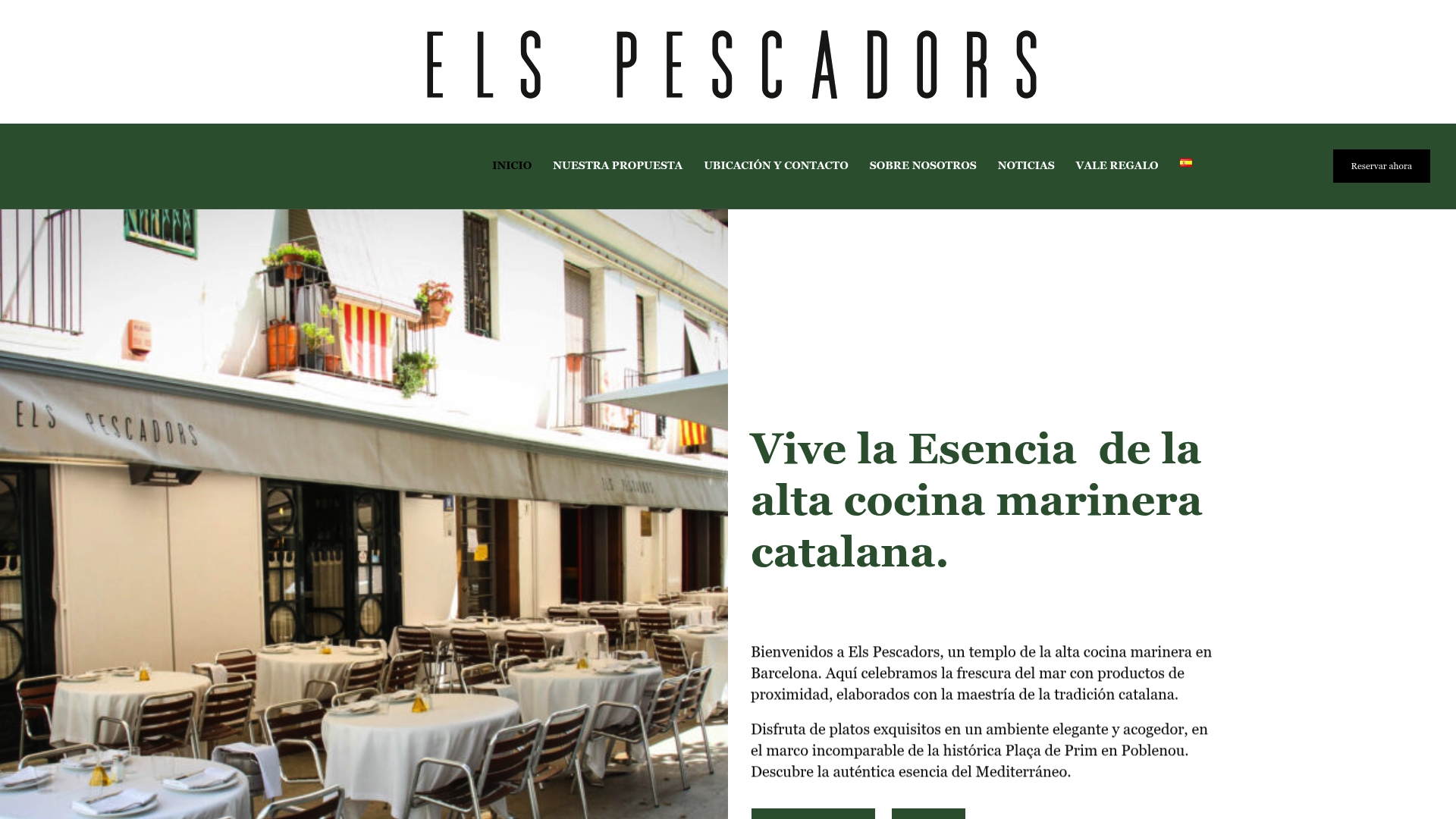
For food enthusiasts who want to experience authentic Catalan flavors in a refined setting, Elspescadors offers curated dining experiences that honor the region’s culinary heritage. Whether you are planning a group meal or a private dinner, the kitchen’s commitment to fresh, seasonal ingredients mirrors the same values that make botifarra a Catalan staple. Explore the Catalan tasting menu to see how traditional flavors translate into a modern dining experience in Barcelona.
FAQ
What is botifarra sausage?
Botifarra is a fresh Catalan pork sausage seasoned primarily with salt and pepper, available raw or cooked. It is the central ingredient in botifarra amb mongetes, Catalonia’s most iconic traditional dish.
What is the most traditional botifarra dish in Catalan cuisine?
Botifarra amb mongetes is the definitive preparation, pairing grilled botifarra with mongetes del ganxet white beans finished in the sausage’s rendered fat. It appears on menus across Catalonia at every meal occasion.
How do you cook botifarra correctly?
Prick the sausage lightly before cooking, grill or pan-fry over medium-high heat for 8–10 minutes, and let it rest for three minutes before serving. Overcooking is the most common error and results in a dry, tough texture.
What is esmorzar de forquilla?
Esmorzar de forquilla is a traditional Catalan mid-morning meal eaten around 10:00 AM in local taverns, typically featuring botifarra with white beans, bread with tomato, and wine. It is a hearty, convivial meal, not a light snack.
What makes botifarra different from other regional sausages?
Botifarra uses minimal seasoning, no heavy spices, and no preservatives, which distinguishes it from more heavily spiced sausages found in other Spanish regions. Its flavor comes from the quality of the pork itself, not from added complexity.