Fideuà catalana is a seafood dish built on short, toasted noodles simmered in concentrated fish stock instead of rice. Made right, you get noodles that stay firm and slightly caramelized on the outside (the rossejat effect), a broth-soaked interior, and a fumet flavor deep enough to stand up to fresh shellfish. Expect roughly an hour start to finish, and a pan that serves several generously alongside a bowl of alioli.
TL;DR:
- Using thicker hollow noodles ensures a longer simmer time and a firmer bite, reducing the risk of mushiness compared to thin varieties.
- Proper toasting of the noodles takes four to six minutes without stirring, resulting in a deep golden color that is essential for flavor and texture.
- Adding cold or lukewarm stock halts the cooking process, so always keep the fumet hot to ensure even cooking and proper timing.
- Sealing shellfish in at the start can make them tough; they should be added near the end of cooking to preserve their delicate texture.
- Professional kitchens focus on seasonal, fresh seafood and precise browning techniques, which are challenging to replicate at home but improve results substantially.
Table of Contents
- What Is Fideuà Catalana, Exactly?
- Ingredients for Fideuà Catalana (Serves 4)
- How to Make Fideuà Catalana Step by Step
- Variations and Smart Substitutions
- Common Mistakes That Ruin a Fideuà
- How to Serve Fideuà Catalana
- What a Professional Kitchen Gets Right About Fideuà
- Taste a Professionally Made Fideuà in Barcelona
- Sources
- FAQ
What Is Fideuà Catalana, Exactly?
Fideuà is a noodle dish from Gandía, on Spain’s Valencian coast, built the same way a seafood paella is built, just swap the rice for short vermicelli. The dish’s origin traces to Gandía fishermen who wanted a rice-style meal from what their boats brought in: bony small fish (morralla) for the stock, firm-fleshed fish, and shellfish. Alioli on the side is not an afterthought. It is close to standard.
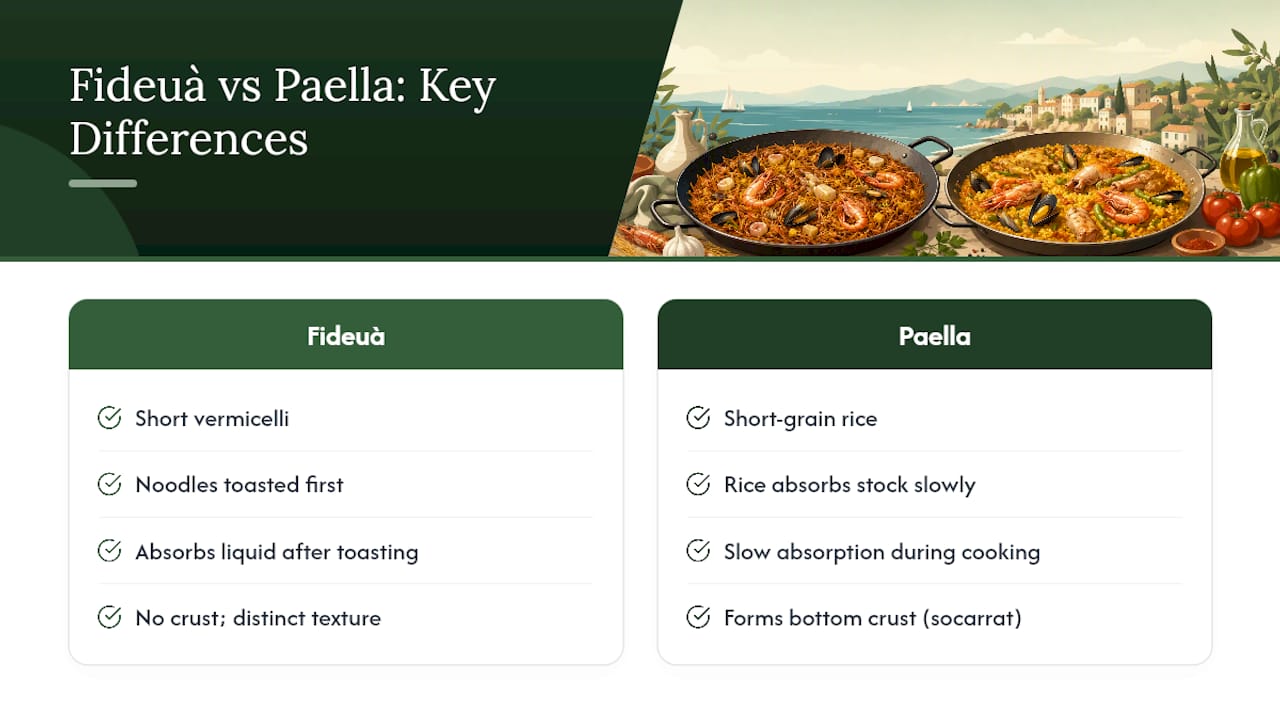
Here is where a lot of home cooks get confused between fideuà vs paella and start treating one as a substitute for the other. They are cousins, not the same dish. Paella depends on rice absorbing stock slowly enough to build a crust on the bottom of the pan. Fideuà depends on noodles that are toasted before they ever touch liquid, which changes both the cooking sequence and the flavor. A regional food outlet in Catalonia put it bluntly: fideuá is not paella with noodles thrown in — it is a distinct dish with its own technique, and treating it as a rice-dish workaround is the fastest way to get a mediocre version.
Ingredients for Fideuà Catalana (Serves 4)
Get your shopping list right and the rest of the recipe takes care of itself. For four people, a properly proportioned pot of Catalan noodle dish needs:
- Noodles: 300 g of short vermicelli, ideally the hollow, slightly thicker “fideus” cut for this dish rather than the very fine cabell d’àngel used in soups
- Seafood: 400 g total, mixed. A traditional split is squid or cuttlefish, peeled prawns or langoustines, and a handful of mussels or clams in the shell
- Fish stock (fumet): 750 ml, made from bones and small rockfish (morralla) if you can get them, or a high-quality store-bought fumet as backup
- Tomatoes: 2 medium, about 200 g, grated or finely chopped for the sofrito
- Garlic: 3 cloves, plus 1 to 2 extra if you’re making a picada
- Olive oil: 50 ml, a decent Spanish extra virgin, since it carries a lot of the dish’s flavor
- Pimentón (sweet smoked paprika), salt, and a pinch of saffron or coloring if you want the classic golden hue
These quantities and the roughly one-hour total cook time hold up whether you’re feeding four adults a full meal or stretching it as a starter for six. Noodle thickness matters more than most recipes admit. Thin cabell d’àngel cooks in under 10 minutes once stock hits the pan and turns mushy fast if you look away; the thicker hollow fideus tolerates a longer simmer and holds its bite, which is why most restaurant kitchens default to it. If you want ideas on which shellfish pair best with the broth, a rundown of essential seafood types in Catalan cooking is worth a look before you shop. For the picada, keep it simple: a slice of fried bread, a clove of garlic, parsley, and almonds if you have them.
How to Make Fideuà Catalana Step by Step
The order of operations is what separates a good fideuà from a forgettable one. Skip a step or rush the browning and you end up with something closer to soggy soup noodles than the dish Gandía’s fishermen invented.
- Build the fumet first. Simmer fish bones and morralla in water for 20 to 30 minutes, skimming occasionally. Strain it, then keep it hot on the back burner. A lukewarm stock added later will stall your cooking and throw off your timing.
- Sear the seafood separately. Get a wide, shallow pan (a paella or paellera works best) very hot, add a little oil, and sear the squid, prawns, or cuttlefish for a minute or two per side. Pull them out and set aside. This step alone prevents the rubbery, overcooked seafood that ruins so many home attempts.
- Toast the noodles (the rossejat). In the same pan, add the rest of the olive oil and the dry noodles. Spread them in a thin layer and let them sit. Resist the urge to stir constantly. You’re looking for an even, deep golden brown, almost the color of toasted almonds, which takes 4 to 6 minutes. Patience during this browning step is the single detail chefs point to most often when explaining why home versions fall short.
- Make a short sofrito. Push the noodles to one side or remove them briefly, then sauté the garlic until fragrant, add the grated tomato and a pinch of pimentón, and let it cook down for 3 to 4 minutes until it thickens and darkens slightly.
- Combine and add hot fumet. Mix the toasted noodles back into the sofrito, then pour in the hot stock, roughly 750 ml for 300 g of noodles. Give the pan one gentle shake to distribute everything evenly and do not stir again from this point forward.
- Simmer without touching. Let the noodles cook in the stock for 10 to 15 minutes over medium heat, depending on the thickness you chose. Thinner noodles will be closer to the 10 minute mark. If you want a light socarrat (the toasted bottom layer), raise the heat for the last minute once the liquid has mostly absorbed.
- Fold in the seafood and mussels. Nestle the seared seafood and any raw mussels or clams into the noodles about 5 minutes before the fideuà finishes, so they warm through and open without turning tough. Pulling delicate shellfish early and reincorporating it later instead of leaving it in from the start is a trick professional kitchens rely on to protect texture at scale.
- Finish with picada, rest, serve. Dot spoonfuls of picada over the top, or stir a little in, then let the pan rest off the heat for about 5 minutes before bringing it to the table.
Pro Tip: Keep your fumet at a low simmer the entire time you’re toasting noodles. Cold stock hitting a hot pan drops the temperature fast and throws off your 10 to 15 minute cooking window.
Variations and Smart Substitutions
Fideuà tolerates more flexibility than its reputation suggests, as long as you respect the toasting step. A few adjustments worth knowing:
- Noodle thickness changes everything about timing. Thin cabell d’àngel cooks in roughly 8 to 10 minutes once stock goes in and turns soft quickly, while thicker hollow fideus holds up for the full 12 to 15 minutes and gives you more margin for error.
- Frozen prawns and cleaned squid work fine if fresh isn’t available; thaw fully and pat dry before searing so they brown instead of steam. Avoid delicate white fish like sole or hake here. It breaks apart and disappears into the broth rather than holding its shape.
- Seasonal regional versions swap in sepia and cigalas (cuttlefish and small crayfish), a coastal Catalan combination that shows up often in local recipe coverage during warmer months when those seafoods peak.
- A vegetarian version swaps the fumet for a rich vegetable stock built with dried mushrooms, seaweed, or miso for umami depth, and skips the seafood entirely in favor of extra sofrito and picada.
- For time-saving shortcuts, a good bottled fumet, pre-toasted noodles from a Spanish grocer, or finishing the simmer in a hot oven instead of on the stovetop all cut active cooking time without wrecking the result.
Common Mistakes That Ruin a Fideuà
Most fideuà failures trace back to one of a handful of habits, and they are easy to fix once you know to watch for them.
- Stirring the noodles while they toast. Constant stirring cools the pan and browns unevenly; let them sit and check every minute instead.
- Crowding the pan. A pan too small for your noodle volume steams instead of toasts. Use a wide, shallow paellera, not a deep pot.
- Adding cold or lukewarm stock. This was covered above, but it’s worth repeating because it’s the most common single error: always keep your fumet hot.
- Leaving shellfish in from the start. Mussels and prawns added at the beginning turn tough by the time the noodles finish.
- Skipping the picada or alioli. A small picada of garlic, parsley, and fried bread near the end adds body without masking the marine flavor, and it’s a step too many recipes leave out entirely.
Pro Tip: Test noodle doneness by biting one, not by the clock. You want tender with a slight resistance at the core, since carryover heat during the rest will finish the job.
How to Serve Fideuà Catalana
Bring the pan straight to the table rather than plating in the kitchen. Presentation is part of the experience, and the pan holds heat long enough for everyone to serve themselves.
- Portion roughly one quarter of the pan per person for a main course, less if serving as a starter.
- Pass alioli separately in a small bowl. A thick, garlicky consistency works better than a thin one, since it should sit on top of the noodles rather than sink in.
- A few lemon wedges on the side give guests the option to brighten individual portions without changing the whole pan’s flavor.
- For wine, a dry white like Albariño or a crisp Catalan rosé handles the shellfish well; a light, chilled red also works if your mix leans toward squid and cuttlefish over prawns.
- Leftovers reheat best in a covered pan over low heat with a splash of extra fumet or water; the microwave tends to overcook whatever seafood is left.
What a Professional Kitchen Gets Right About Fideuà
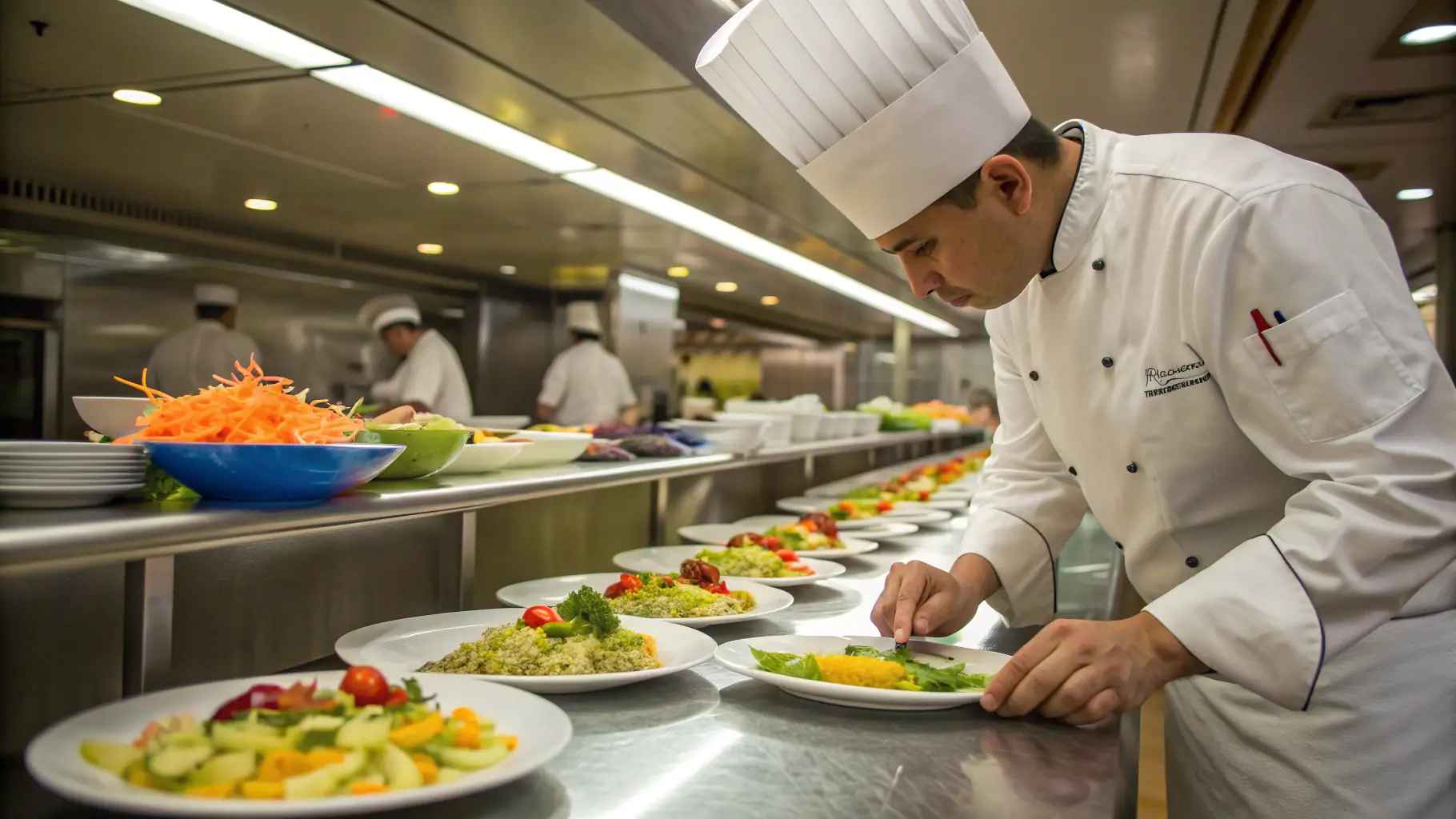
Home cooks and restaurant kitchens are solving the same problem at different scales, and that difference is instructive. Els Pescadors builds its approach around seasonal catch and Mediterranean technique, which in practice means the fish going into a fumet was likely swimming that morning, not sitting in a freezer for a week.
At scale, timing gets even less forgiving. A restaurant kitchen preparing fideuà for a full room can’t afford five minutes of guesswork on when to pull shellfish, so that step gets drilled into muscle memory the way most home cooks never get the chance to practice. That’s not a knock on cooking it yourself. It’s a reason tasting a version made under that kind of pressure teaches you what “done right” actually feels like on the palate, which makes the next attempt in your own kitchen sharper.
— YellowRock
Taste a Professionally Made Fideuà in Barcelona
If you’d rather see the rossejat technique done at full scale before attempting it yourself, or you simply want to skip the pan-watching for one night, Els Pescadors serves an expertly executed fideuà built on the same seasonal seafood and Mediterranean approach described on our menu, without any of the timing pressure landing on you.
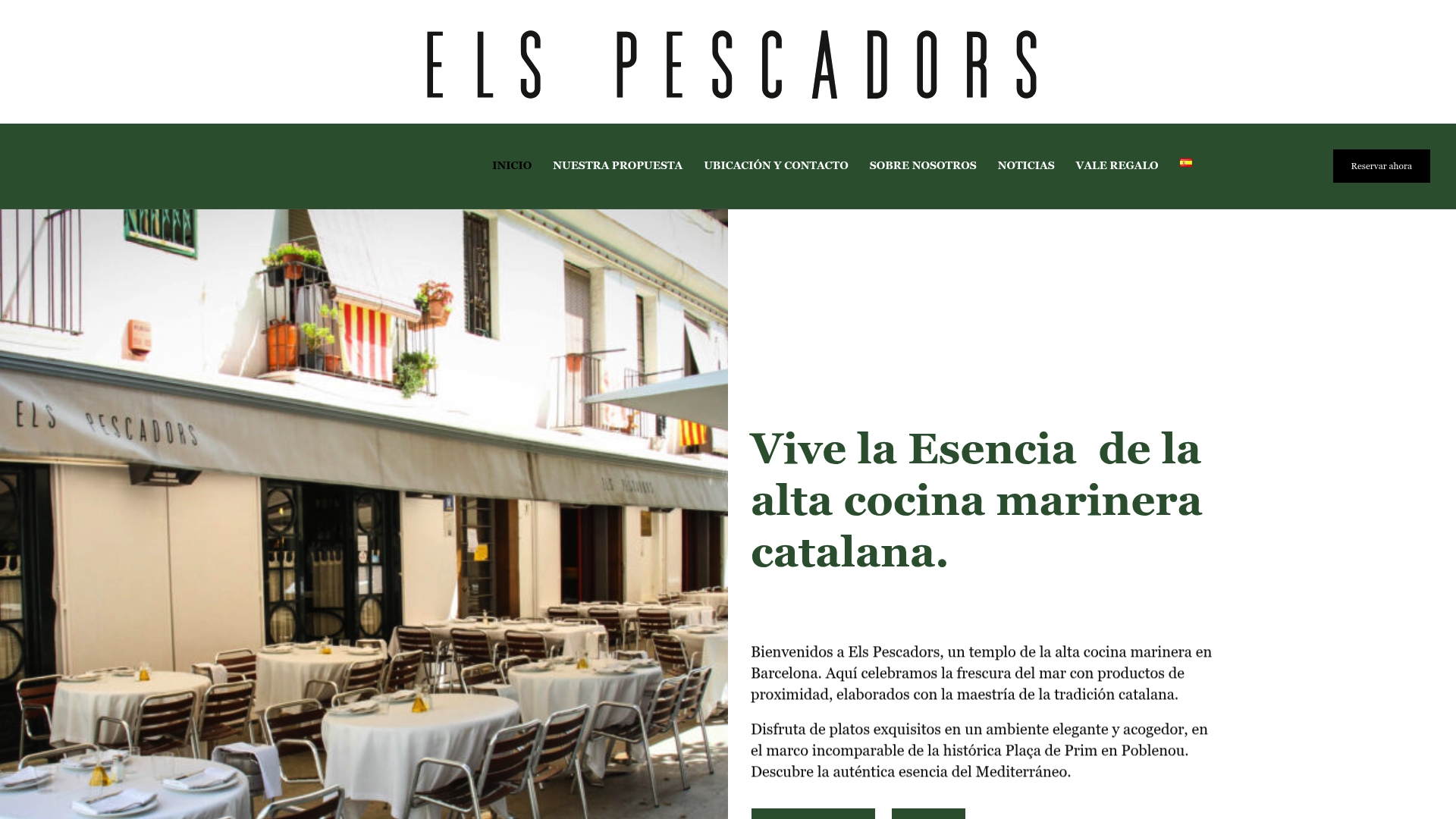
That’s the real advantage of eating it here instead of chasing the recipe cold: a kitchen that toasts hundreds of pans of noodles a season gets the browning window right every time, and you get to focus on the wine and the company instead of the clock. It’s a strong option for celebrations, client dinners, or anyone hosting a group who wants a fuss-free version of group seafood dining done well. If a special occasion or a gathering is coming up, book a table and let the kitchen handle the fumet.
Sources
- Receta fideuà catalana auténtica y fácil en 1 hora – La Cocina de Lara
- Fideuá — Wikipedia
- Que
- Catalunya
FAQ
What Is Fideuà in Spain?
Fideuà is a Spanish seafood dish from Gandía made with short toasted noodles cooked in fish stock instead of rice, traditionally served with alioli on the side.
How Is Fideuà Different From Paella?
The core difference is the starch and the cooking sequence: fideuà uses noodles that are toasted before liquid is added, while paella relies on rice absorbing stock slowly to form a crust, which is why fideuà vs paella comparisons often miss how differently each dish is actually built.
What Are the Ingredients in a Catalan Paella?
A Catalan seafood paella typically uses short grain rice, olive oil, garlic, tomato, saffron or pimentón, fish or shellfish stock, and a mix of seafood such as prawns, mussels, and squid, similar seasonings to fideuà but built around rice instead of noodles.
Can I Make Fideuà Without a Paellera?
A wide, shallow skillet works if you don’t own a paellera, since the goal is a thin, even layer of noodles that toasts rather than steams; a deep pot will not give you the same rossejat texture.
How Do I Know When the Noodles Are Properly Toasted?
Look for an even, deep golden color across the noodles, close to toasted almonds, which usually takes 4 to 6 minutes of steady heat without stirring.