Mar y montaña (mar i muntanya in Catalan) is a tradition of Catalan cooking that unites a mountain protein, like chicken or rabbit, with seafood, like langoustine or lobster, in a single slow-cooked stew or rice dish. It is not a modern surf-and-turf gimmick. It is a category of dishes with a defined structure: a sofrito base, a picada to bind the sauce, and a strict order of operations that keeps the seafood tender while the meat turns fully tender.
A few dishes define the category:
- Pollastre amb llagosta — chicken braised with lobster in a tomato and almond sauce
- Pollastre amb escamarlans — chicken with Norway lobster (langoustine), a lighter, sweeter pairing
- Arròs mar i muntanya — a rice version built on the same stock principles, often with rabbit or pork
What follows covers the real ingredients, the technique that separates an authentic version from a lazy one, a recipe template you can actually cook, and how a working kitchen handles the dish when it lands on a tasting menu.
Key Takeaways
Mar y montaña succeeds when a slow-built sofrito and a picada integrate mountain protein with seafood added last, in that exact order.
| Point | Details |
|---|---|
| It’s a defined category, not a mashup | Authentic mar y montaña requires a stew structure with sofrito and picada, not just any land-sea pairing. |
| Cooking order is non-negotiable | Brown the meat first, build the sauce, add seafood only in the final minutes to avoid rubbery texture. |
| Picada does the integrating | Toasted nuts, fried bread, and a touch of chocolate bind the sauce and unify sea and land flavors. |
| Match the fumet to the seafood | Using stock made from the same species you’re cooking keeps flavor consistent, especially in rice versions. |
| Els Pescadors applies the same principles professionally | The restaurant sources fresh daily catch and stages sea and land components separately before final assembly. |
Table of Contents
- What Ingredients Go Into an Authentic Mar y Montaña?
- What Technique Actually Makes a Mar y Montaña Dish Authentic?
- How Do You Actually Cook a Mar y Montaña at Home?
- How Does a Professional Kitchen Handle Mar y Montaña?
- How to Choose Fresh Seafood and Good Meat for This Dish
- Common Mistakes That Ruin a Mar y Montaña
- Sources
- FAQ
What Ingredients Go Into an Authentic Mar y Montaña?
The category rests on pairing something from inland Catalonia with something pulled from the Mediterranean that same morning. On the mountain side, cooks reach for chicken, rabbit, pork ribs, or butifarra sausage. On the sea side, the classic choices are cigalas (Norway lobster), langostinos, sepia (cuttlefish), or mussels, with whole lobster reserved for the richer, more festive versions.
Five combinations show up again and again in Catalan kitchens and old menus:
- Pollastre amb llagosta: chicken and lobster in a tomato sofrito, finished with picada. The showpiece version of the dish.
- Pollastre amb escamarlans: chicken with langoustine, milder and quicker to cook than the lobster version.
- Conill amb sépia: rabbit with cuttlefish, a landlocked pairing that leans on the cuttlefish’s own ink for depth.
- Costelles amb musclos: pork ribs with mussels, a rustic, budget-friendly rendition found in home kitchens more than restaurants.
- Arròs mar i muntanya: any of the above pairings rebuilt around rice instead of a stew base.
Coastal towns near the Costa Brava tend toward lobster and langoustine because that’s what the boats bring in; inland Catalonia leans on rabbit and pork because that’s what the farms produce. Seasonal substitution is part of the tradition, not a deviation from it: whatever seafood is running that week at the market replaces whatever the recipe calls for, as long as the cooking logic stays intact.
What Technique Actually Makes a Mar y Montaña Dish Authentic?
Anyone can throw chicken and shrimp in a pan. What separates a real mar y montaña from a bowl of mismatched proteins is two specific preparations: sofrito and picada. Purists define the dish by the presence of a slow-cooked stew built on both, and a quick sauté doesn’t qualify, no matter how good the ingredients are.
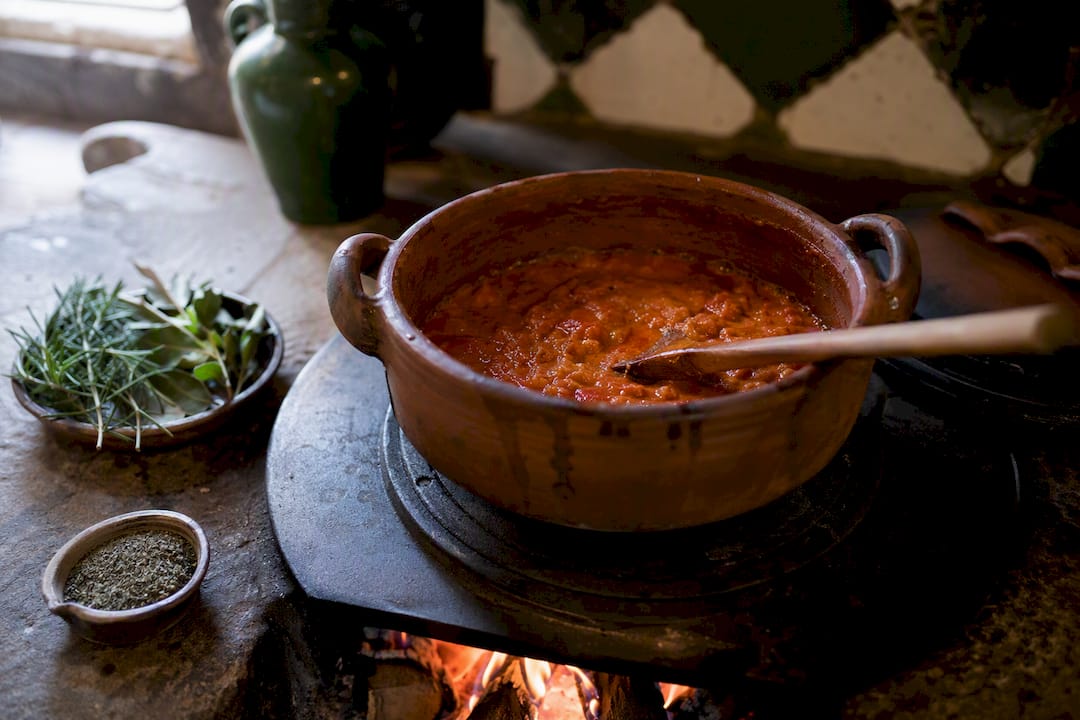
Sofrito is the slow-cooked base of onion, tomato, and sometimes garlic, built over low heat until it turns almost jammy. It takes 20 to 30 minutes and cannot be rushed. This is what gives the final stew its backbone.
Picada is the finishing paste, ground from toasted almonds or hazelnuts, garlic, sometimes fried bread, and occasionally a few grams of dark chocolate. Stirred in near the end, it binds the sauce and pulls the land and sea flavors into one coherent dish rather than letting them sit side by side. Food critic Pau Arenós has called mar y montaña a genuine culinary risk, one that only pays off when the sauce does the work of integration. Without a real picada, you have chicken next to shrimp. With one, you have a dish.
The cooking order matters just as much as the components:
- Brown the mountain protein first. Chicken, rabbit, or pork needs the longest cooking time, so it goes into the pot before anything from the sea.
- Build the sofrito around it, then add a stock, ideally a fumet made from the same species of seafood you’ll add later, so the flavor carries through instead of arriving as an afterthought.
- Let the meat simmer until nearly fork-tender. Check with a knife, not a clock.
- Stir in the picada to thicken and round out the sauce.
- Add the seafood last, in the final few minutes of cooking, and pull it the moment it turns opaque.
Pro Tip: If your sauce tastes flat or one-note, the fix usually isn’t more salt. Toast your almonds until they’re deep golden, not just warm, and add a small square of dark chocolate to the picada. The bitterness rounds out the sweetness of the seafood and gives the sauce a depth that salt alone can’t fake.
Skip step five and rush it, and you get rubbery lobster in an otherwise beautiful sauce. Overcooked seafood is the single most common failure point in this dish, and it happens because cooks treat the meat and the seafood as if they need the same amount of time.
How Do You Actually Cook a Mar y Montaña at Home?
This template scales to four people and works for either the classic stew or the rice version.
For the stew (guiso):
- 4 chicken thighs or 1 rabbit, cut into pieces
- 1 pound cigalas, langostinos, or a small lobster, split
- 1 onion, 2 ripe tomatoes, 2 garlic cloves (for the sofrito)
- A handful of almonds or hazelnuts, 1 slice fried bread, a small square of dark chocolate (for the picada)
- 2 cups fish or shellfish fumet
- Brown the chicken or rabbit in olive oil, then set it aside.
- Build the sofrito in the same pot, scraping up the browned bits.
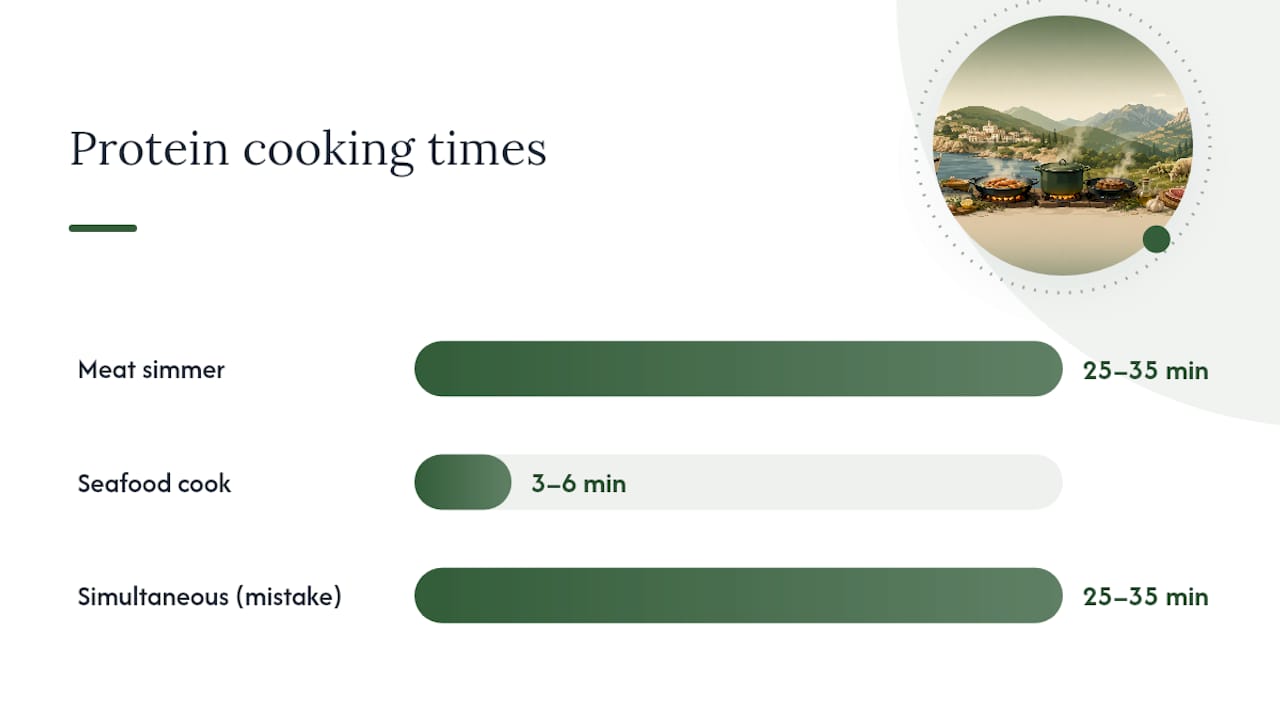
- Return the meat, add the fumet, and simmer 25 to 35 minutes until nearly tender.
- Stir in the picada and simmer another 5 minutes to let the sauce thicken.
- Add the seafood and cook just until it turns opaque, 3 to 6 minutes depending on size.
For the rice version (arròs mar i muntanya): swap the simmering liquid ratio and use a short grain variety like Bomba or Senia rice, which holds structure without turning gluey. Add the rice directly to the sofrito before the fumet goes in, and reserve the seafood for the final six to eight minutes of cooking, exactly as you would with a paella. You can find more on handling rice and fumet ratios in this guide to Mediterranean rice dishes.
Two quick fixes: if the sauce reduces too far and turns pasty, loosen it with a splash of extra fumet rather than water, which dilutes flavor. If you’ve already overcooked the seafood, pull it from the pot immediately, keep the sauce going, and add fresh seafood in the last few minutes instead of trying to save what’s already rubbery.
How Does a Professional Kitchen Handle Mar y Montaña?
A la carte kitchens don’t improvise this dish the way a home cook might on a Tuesday night. Fresh catch determines the seafood side of the menu daily, which means the mountain protein has to be chosen to match whatever came off the boat that morning rather than the other way around.
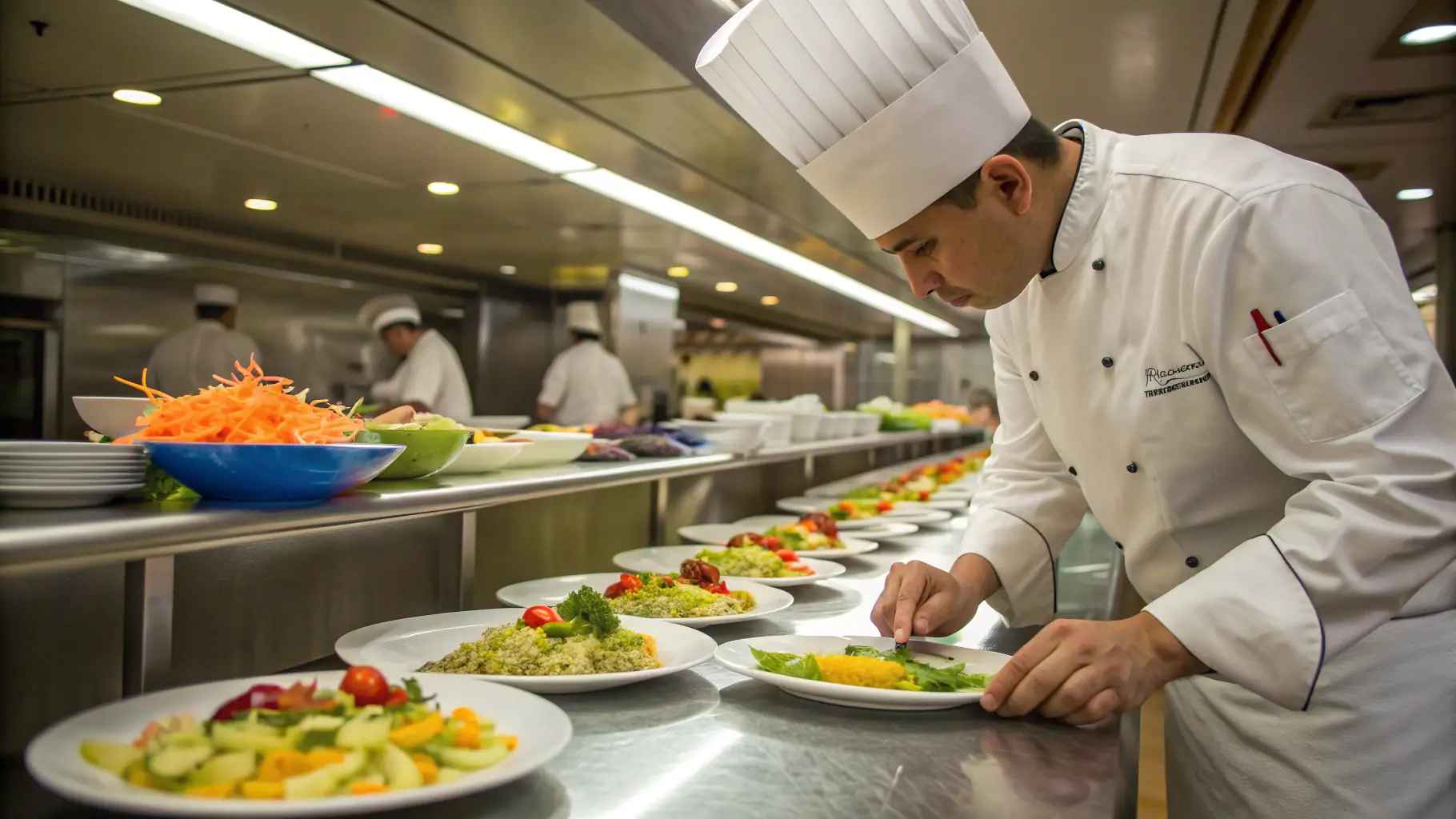
A tasting menu built around alta cocina marinera treats mar y montaña as a technical showpiece rather than a rustic stew. The mise en place separates land and sea components until the final assembly, so the seafood never sits in heat longer than the few minutes it needs.
Portioning also shifts the format: a restaurant is more likely to plate a refined arròs mar i muntanya on a tasting menu, where rice absorbs the fumet evenly across a smaller portion, while a heartier guiso suits a family-style group table better than an individual plate.
How to Choose Fresh Seafood and Good Meat for This Dish
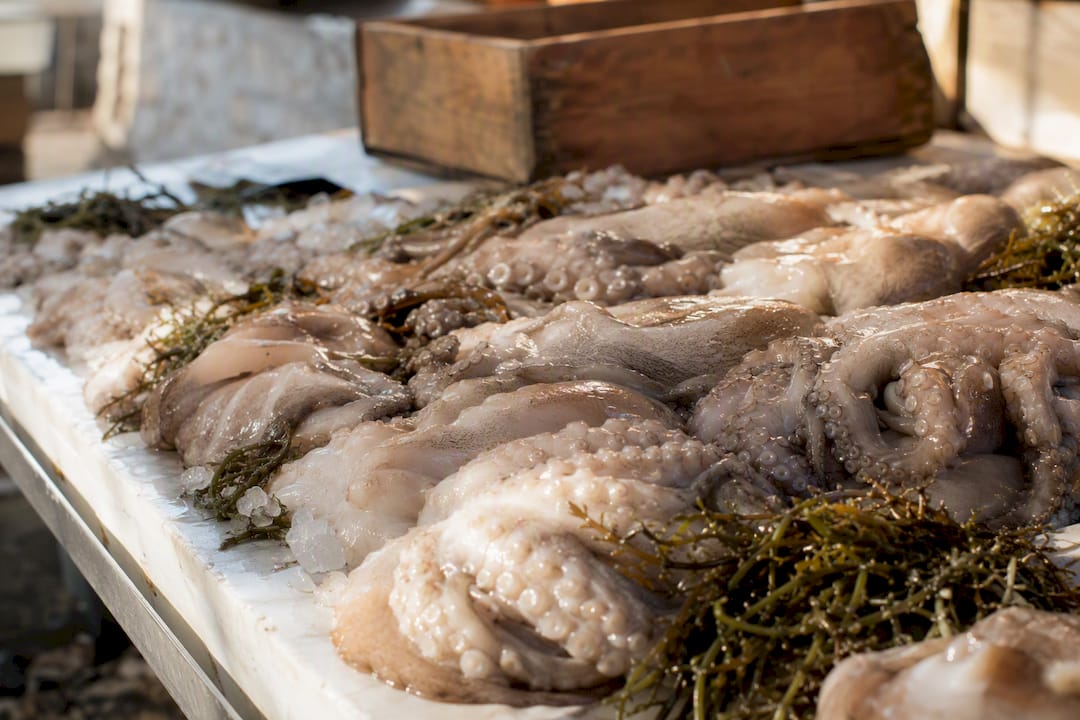
The dish only works if both proteins are excellent on their own before they ever touch each other. For seafood, buy from a market or fishmonger who can tell you the catch date, not just the price per pound. Cigalas and langostinos should smell like clean seawater, not ammonia, and their shells should feel firm rather than soft or slightly slimy. If you’re using whole lobster, look for one that’s still active or was very recently killed. Frozen shellfish works in a pinch, but thaw it slowly in the refrigerator rather than under running water, which waterlogs the meat and mutes the flavor the picada is supposed to highlight.
For the mountain side, skip the shrink-wrapped chicken breast and look for bone-in thighs or a whole rabbit from a butcher who can tell you where the animal came from. Bone-in cuts hold up better through the long simmer and contribute more gelatin to the sauce, which helps it thicken naturally alongside the picada. If butifarra sausage is part of your version, buy it fresh rather than cured, since the cured versions are drier and don’t render the same way into a stew.
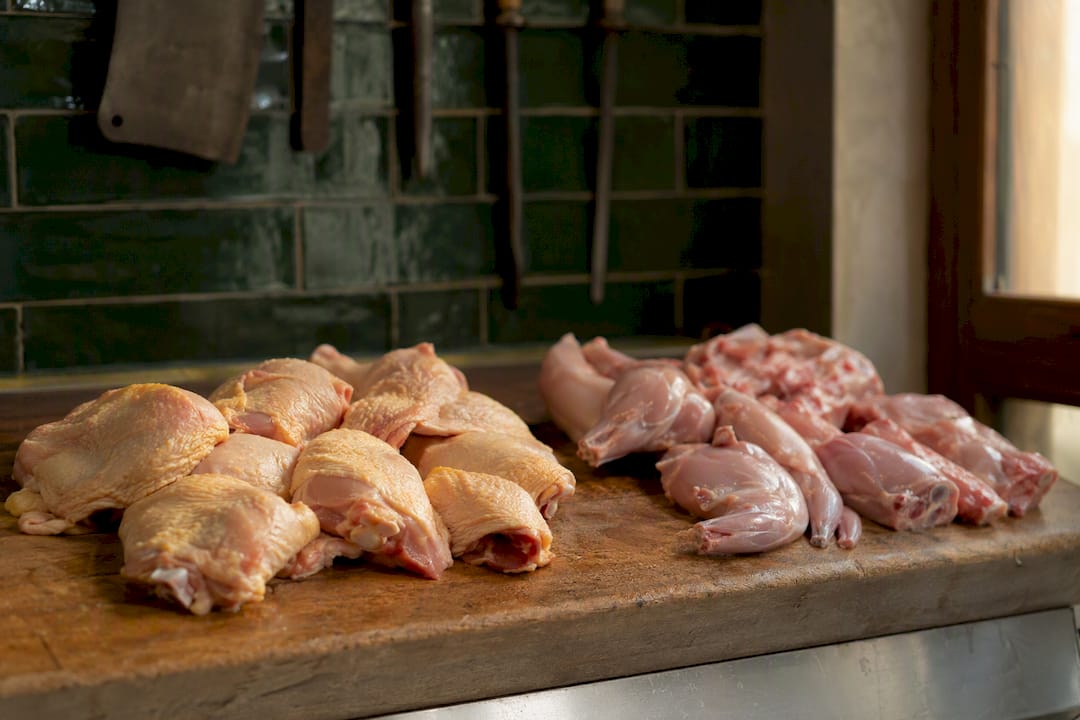
Timing your shopping matters too. Buy the seafood the same day you plan to cook, ideally within a few hours of the meat going into the pot, since the whole method depends on freshness at the final stage rather than the first.
Common Mistakes That Ruin a Mar y Montaña
The most common failure is timing: cooks add the seafood at the same time as the meat because it feels intuitive to “start everything together.” That’s exactly backward. The meat needs 25 to 35 minutes; the seafood needs 3 to 6. Add them together and you get overcooked shellfish sitting in an undercooked sauce.
The second mistake is skipping the picada entirely, or treating it as a garnish stirred in at the table instead of a structural part of the sauce. Without it, the dish reads as two proteins that happen to share a pot rather than one integrated dish.
Third, cooks often use plain water or a generic stock instead of a fumet built from the seafood species they’re actually cooking. A shrimp fumet under a lobster mar y montaña tastes thinner and less coherent than one made from the lobster shells themselves.
Finally, rushing the sofrito is a quiet killer. Onions and tomatoes need real time over low heat to break down into something sweet and concentrated. Ten minutes on high heat produces a sharp, acidic base that no amount of picada can fully rescue later.
Where Mar y Montaña Comes From
The dish is closely tied to the Empordà region and the coastal town of Palafrugell, home to the “niu,” a mar y montaña variant built around salt cod, cuttlefish, and rabbit. Some food historians trace its roots to Lenten adaptations, when cooks stretched limited protein by combining small amounts of meat with whatever the sea offered, later evolving into the richer, celebratory versions served today. What separates the real thing from a lazy imitation, critics agree, is technique and balance, not the mere fact that land and sea share a plate.
Where to Taste a Refined Mar y Montaña in Barcelona
Reading a recipe only gets you so far with a dish this dependent on timing and sourcing. Els Pescadors, in Barcelona’s historic Poblenou district, builds its approach to Catalan maritime cuisine around exactly the principles covered here: fresh catch sourced daily, seasonal menus that respect what the sea actually offers that week, and the kind of technical staging that keeps seafood from ever overcooking on the way to your table.
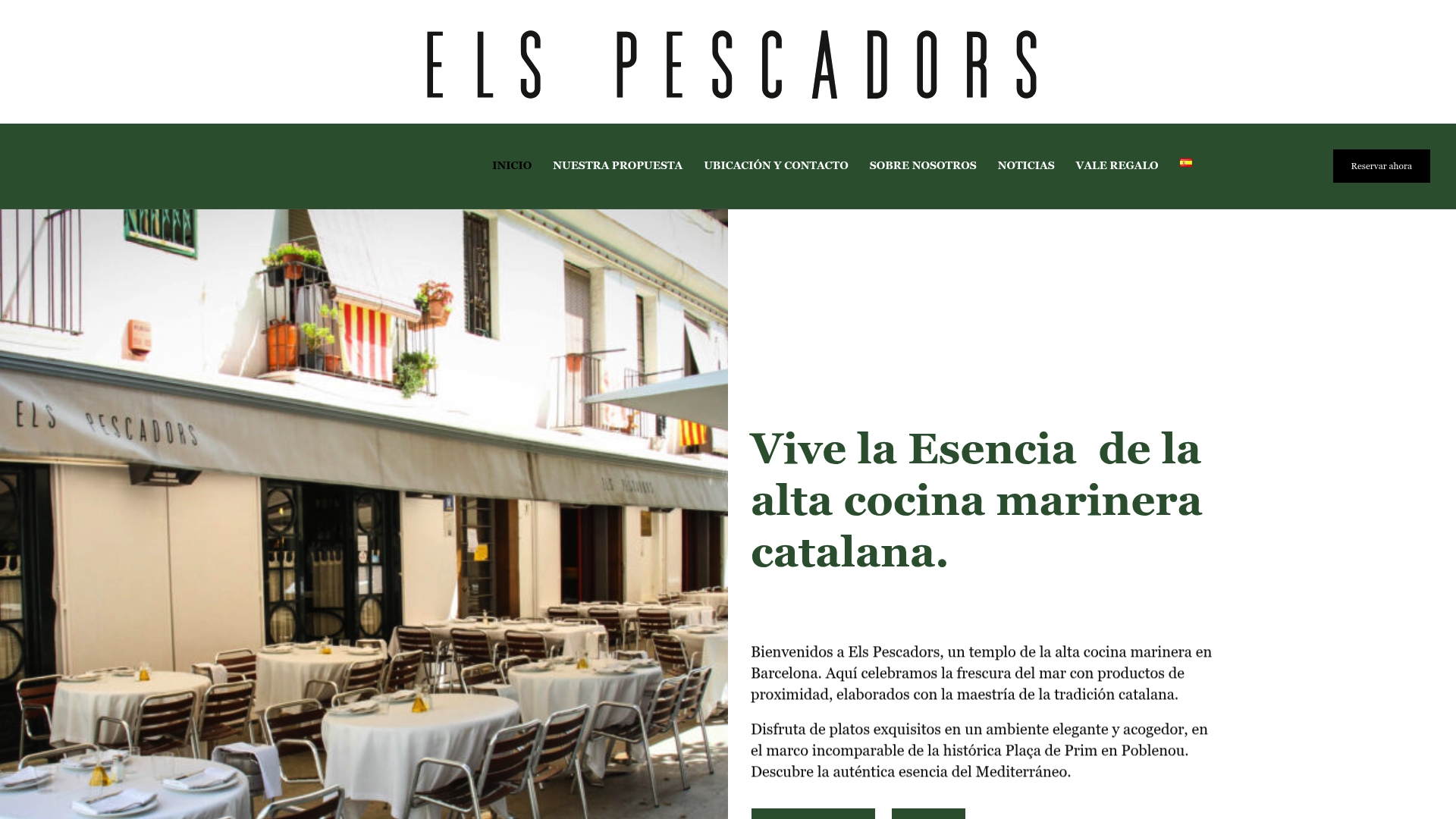
If you want to taste how a working kitchen translates mar y montaña without spending an afternoon over a stockpot, a group booking is the easiest way in. Consider:
- Reserving a group menu for a celebration or family gathering, where a hearty rice-based version fits the table format
- Booking a tasting menu if you want a smaller, more technical plating of the dish alongside other seasonal seafood courses
Check current group seafood dining ideas or explore Our Proposal to see current menu formats and book a table.
Sources
- Mar i muntanya – Wikipedia, la enciclopedia libre
- Mar i muntanya — Enciclopedia de Gastronomía
- Qué es un mar y montaña | Pau Arenós — El Periódico
- Mar i muntanya, el cim de la gastronomia — Ara
FAQ
What Is a Mar y Montaña?
It’s a Catalan dish combining a mountain protein, such as chicken or rabbit, with seafood like lobster or langoustine, unified through a sofrito and picada rather than simply served side by side.
What Goes Into a Mar y Montaña Paella?
A rice-based mar y montaña, sometimes called paella mar i muntanya, typically uses short-grain rice like Bomba, a matching seafood fumet, chicken or rabbit, and shellfish such as langoustine or mussels added in the final minutes of cooking.
What Does “Mar y Tierra” Mean on a Menu?
“Mar y tierra,” or “sea and land,” is a broader menu term for any dish pairing seafood and meat; mar y montaña is the specific Catalan tradition within that concept, defined by its stew structure and picada.
What Ingredients Are in Arròs Mar i Muntanya?
The rice version typically includes short-grain rice, a fumet made from the seafood being used, a mountain protein like rabbit or pork, and shellfish such as langoustine, cuttlefish, or mussels, with the seafood added last.