If you want a seasonal seafood tasting menu in Barcelona, A popular option in Poblenou offers a Menú Degustación built around daily fresh catch and Catalan maritime cooking. A typical menú degustación marisco Barcelona experience runs five to nine courses over roughly two hours, tracing local waters and seasonal shellfish. It suits travelers and food lovers who want a structured, premium introduction to Catalan seafood rather than an à la carte gamble.
TL;DR:
- Most tasting menus in Barcelona range from €72 to €160, with premium options exceeding €130, and last about 90 to 150 minutes depending on courses and wine pairing.
- Menus are built around daily fresh catch, with some focusing on seasonal or Atlantic seafood, and the lineup varies by what arrives at the port each morning.
- Travelers should book several weeks in advance for weekend dinners, particularly for groups of four or more, to secure availability during high season.
- Confirm dietary restrictions such as shellfish allergies or vegetarian needs upfront, and ask if substitutions or alternative menus are available for different allergies.
- Prioritize restaurants that emphasize sourcing transparency and seasonality, as these ensure a more authentic and varied tasting experience.
Table of Contents
- What Is a Seafood Tasting Menu in Barcelona?
- What Should a Tasting Menu Cost and How Long Does It Take?
- How Do You Pick the Right Tasting Menu for You?
- Booking Tips for a Smooth Seafood Tasting Menu Experience
- Els Pescadors: How Its Menus Match This Checklist
- What Barcelona’s Tasting Menu Trend Gets Wrong
- Ready to Book Your Barcelona Seafood Tasting Menu
- Sources
- FAQ
What Is a Seafood Tasting Menu in Barcelona?
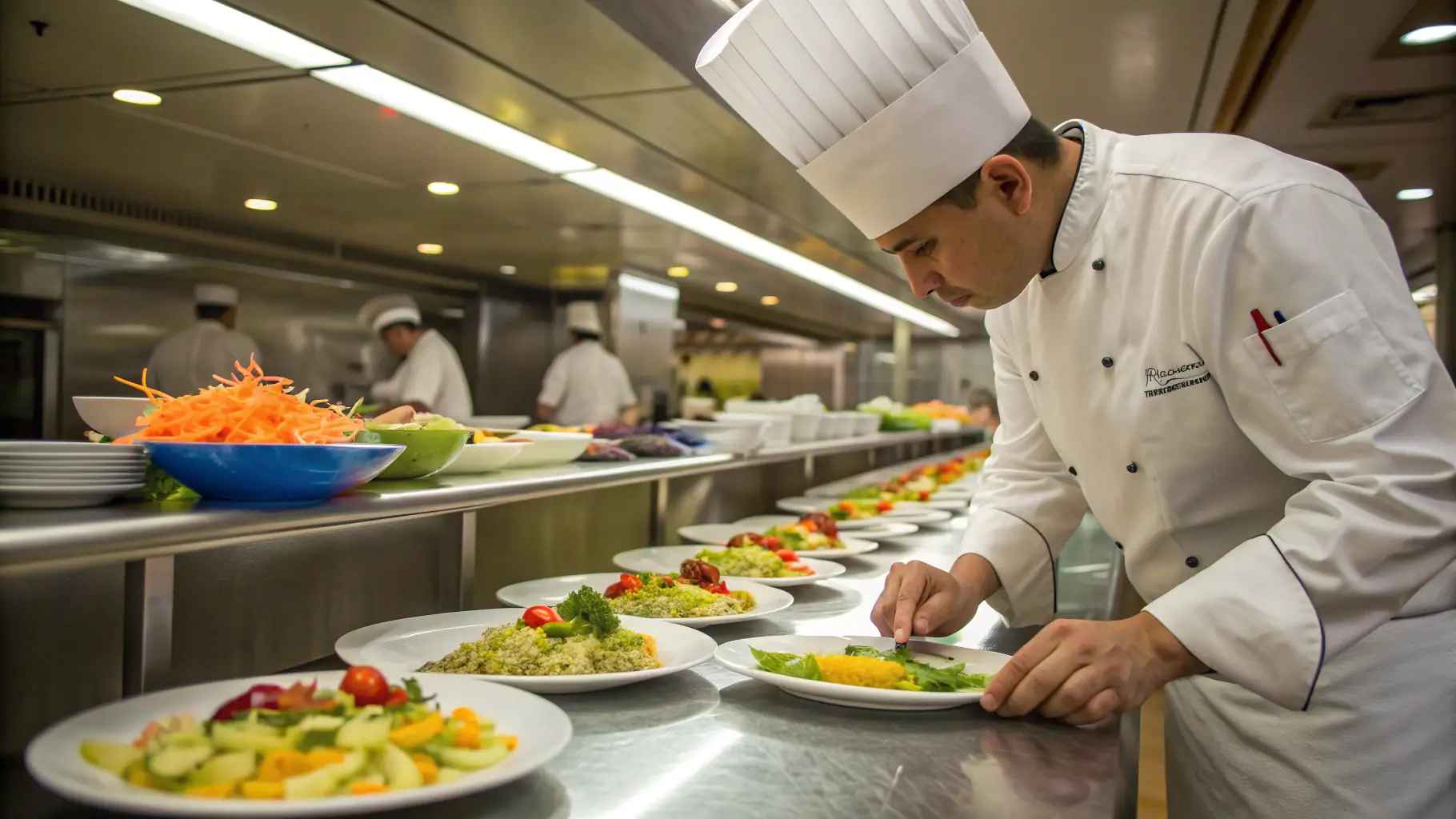
A menú degustación de marisco is a fixed sequence of small courses, usually built to move from lighter, rawer preparations toward richer cooked dishes and finishing with dessert. Kitchens pace the courses deliberately, often five to nine plates, so a diner tastes texture and temperature changes rather than filling up on one large plate.
Barcelona sits at an interesting culinary crossroads. Local Catalan cooking leans on Mediterranean staples: grilled prawns, cuttlefish, and rockfish stews. Many kitchens also draw on Galician and broader Atlantic seafood traditions, bringing in razor clams, percebes (goose barnacles), and larger crustaceans that don’t come from Mediterranean waters. The best menus blend both worlds instead of picking a side.
Expect to see a rotation of these preparations across a full tasting sequence:
- Crudo or lightly cured fish, served cold to open the palate
- Grilled or plan cha-cooked shellfish, like prawns or langoustines
- Suquet, a Catalan fish and potato stew with a saffron-tinted broth
- Rice or fideuà courses studded with seafood, often a mid-menu anchor
- A seafood-based broth or consommé course between heavier plates
Sourcing matters more than menu wording suggests. Els Pescadors publishes its Menú Degustación around daily fresh catch, which means the exact lineup shifts with what arrives at the port that morning rather than staying fixed on a printed card.
What Should a Tasting Menu Cost and How Long Does It Take?
Local food coverage puts Barcelona seafood tasting menus into rough bands, and knowing them before you book saves you from sticker shock or an underwhelming short menu.
By the numbers: local reporting on Barcelona marisquerías cites short tasting menus around €72 and longer formats around €95 as common reference points, with premium multi-course mariscadas running higher still.
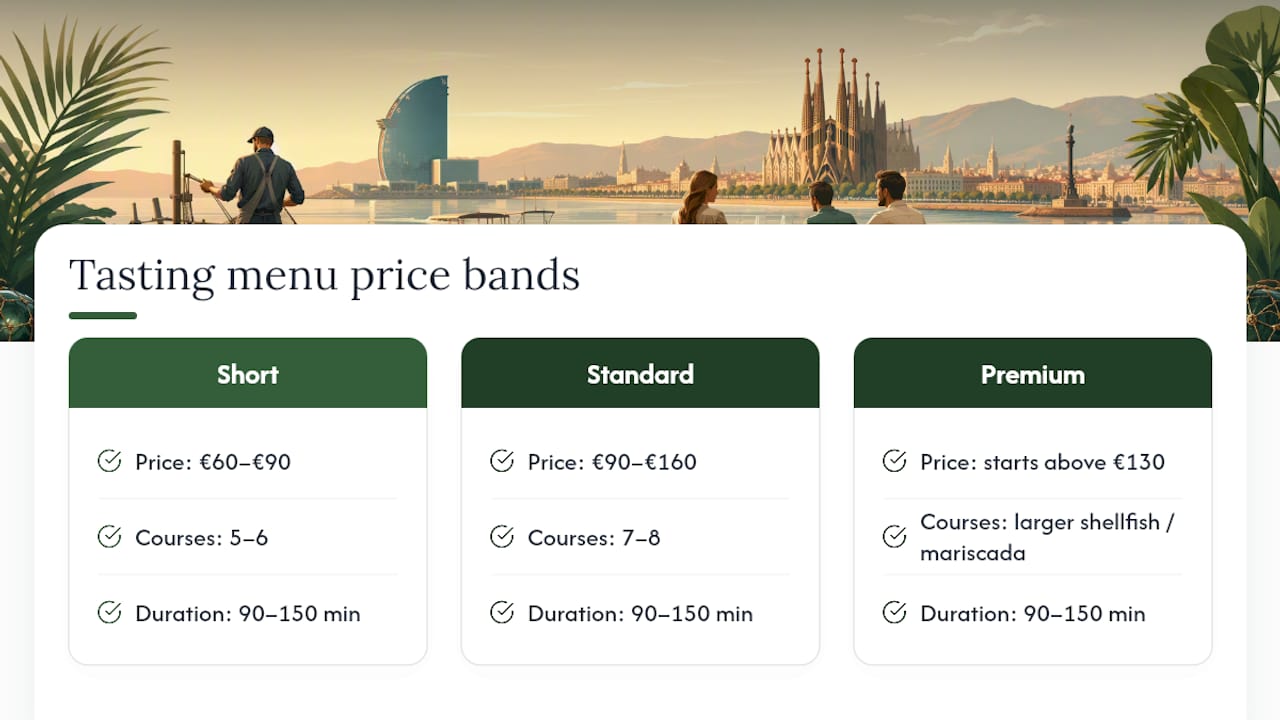
Three general bands hold up across the city. A short tasting menu, five or six courses, tends to land around €60 to €90 per person. A standard fine-dining tasting menu, typically seven to eight courses with a wider seafood range, usually falls between €90 and €160. Premium menus built around larger shellfish, rare catch, or an extended mariscada format often start above €130 and climb from there, especially with wine pairing added.
Duration scales with course count. Plan for 90 to 150 minutes at the table, longer if you add a sommelier pairing, since each pour needs its own explanation and timing. What actually drives the price up isn’t the number of courses so much as the ingredients themselves: percebes, large langoustines, or imported Atlantic shellfish cost the kitchen more than local Mediterranean staples, and that gets passed straight to the check.
How Do You Pick the Right Tasting Menu for You?
Not every menú degustación fits every diner, and the wrong pick usually comes down to skipping a few basic questions before booking.
Start with cuisine focus. Some menus lean hard into raw preparations and crudo, which rewards diners who already like sushi-adjacent textures. Others stay almost entirely cooked, better for anyone wary of raw shellfish. Course length matters too: a five-course menu suits a lunch stop between sightseeing, while an eight-plus course menu wants a full evening. Check the beverage program separately, since pairing options can add 30% or more to the base price, and confirm whether the restaurant accommodates larger groups if you’re traveling with more than four people.
Before you book, run through this checklist:
- Ask whether the menu changes daily or weekly, since seasonal sourcing means a printed menu online may not match tonight’s plates.
- Confirm how shellfish allergies get handled. Ask specifically whether substitutions are course-by-course or require a different menu entirely.
- Ask if wine pairing is optional or bundled into the price.
- For groups of six or more, ask about a dedicated group menu format rather than trying to order the standard tasting menu for everyone.
- Confirm the total run time expected, especially if you have a show or another reservation afterward.
Pro Tip: If a restaurant’s website lists a tasting menu with no price or course count, call or email before you commit. A vague listing is often a sign the kitchen builds the menu fresh around that day’s catch, which is a good thing, but you need a real number before you show up hungry.
Watch for red flags: menus with no seafood specifics at all, generic stock photos instead of real dish descriptions, or no mention of how allergies are handled. Those gaps usually mean the kitchen hasn’t thought through the tasting-menu format as carefully as the price suggests.
Booking Tips for a Smooth Seafood Tasting Menu Experience
Weekend dinner seatings at popular Barcelona seafood restaurants fill up fast, and travel guidance for fine dining reservations generally recommends booking several weeks ahead during high season, particularly for tables of four or more.
A few practical points make the night easier:
- Book lunch instead of dinner if your schedule allows. Kitchens often have more flexibility with pacing midday.
- Mention any shellfish allergy or vegetarian need at the time of booking, not when you sit down. Kitchens that build tasting menus around daily catch need to lead time to swap a course.
- Ask about corkage if you want to bring a specific bottle. Some Barcelona seafood restaurants allow it for a fee.
- If you’re traveling as a group, ask directly about a private room or a dedicated group menu format instead of trying to coordinate a shared tasting menu order at the table.
- Poblenou and the surrounding waterfront area are well served by metro and tram lines, so factor in a short walk from the nearest stop rather than assuming a taxi is required.
Els Pescadors: How Its Menus Match This Checklist
Els Pescadors runs three menu formats that map directly onto the criteria above. The Menú Degustación follows the daily fresh catch, so the exact course lineup shifts with what the boats bring in rather than sitting frozen on a static card. The Menú de Temporada leans further into seasonal Catalan maritime cooking, built around what’s genuinely in season rather than what’s convenient to stock year-round. For groups, the Menú para Grupos handles the logistics that trip up larger parties: a set format that avoids the chaos of eight people ordering eight different tasting sequences at once.
That structure answers most of the checklist questions before you even ask them. Sourcing transparency comes built in, since the restaurant states its focus on daily catch rather than leaving diners to guess. Group accommodation exists as a named, separate offering instead of an improvised workaround. If you want to check what’s currently in rotation before booking, the menu page is the place to start, and group organizers should go straight to the Menú para Grupos page to confirm minimums and formats.
What Barcelona’s Tasting Menu Trend Gets Wrong
Most guides to Barcelona seafood dining default to a roundup format: ten restaurants, one paragraph each, no real distinction between them beyond neighborhood and star rating. That approach undersells what actually separates a good tasting menu from a forgettable one, which isn’t the restaurant’s address or its Instagram presence. It’s whether the kitchen is cooking off a fixed printed menu or genuinely building courses around what arrived at the dock that morning.
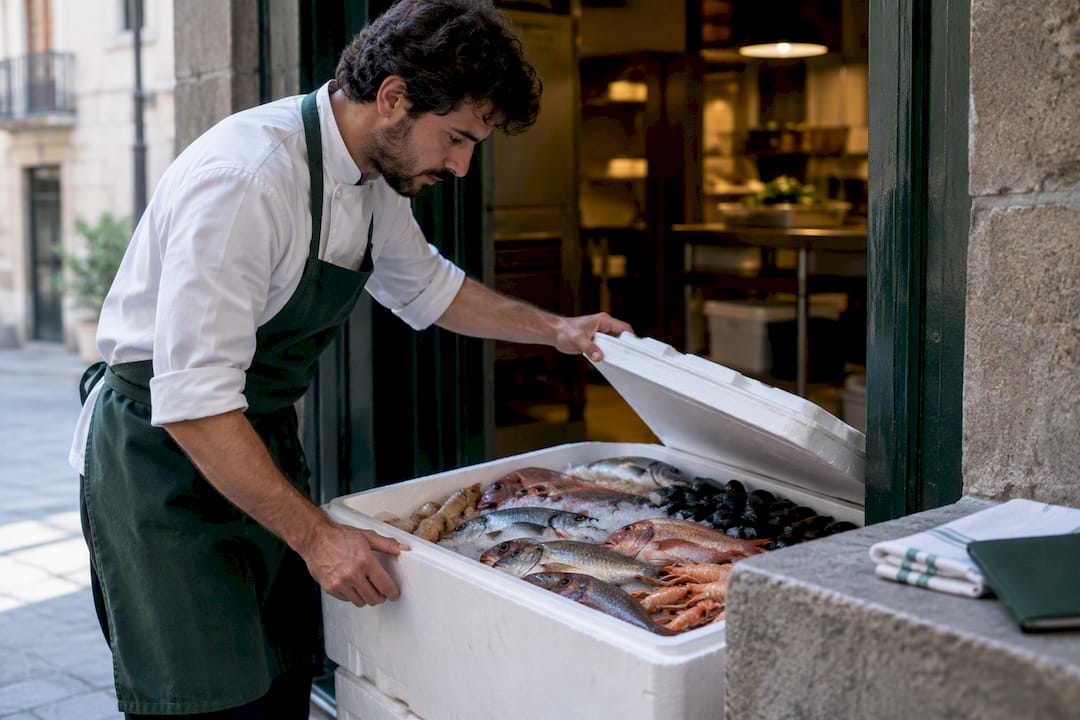
Conventional advice tells diners to book based on reviews and price point alone. Both matter, but neither tells you whether a menu will actually taste different in March than in August. A restaurant that treats seasonality as a real constraint, not a marketing line, will show it in small ways: a broth course that changes with what shellfish are running, a rice dish that swaps in whatever’s freshest that week. That’s worth more to a returning diner than a fixed nine-course sequence that never moves.
Prioritize sourcing transparency over sheer course count. A tighter five-course menu built on what’s actually fresh beats a padded nine-course menu recycling frozen shellfish to hit a number.
— YellowRock
Ready to Book Your Barcelona Seafood Tasting Menu
This restaurant offers a route to a genuine Catalan maritime tasting menu with a setting that pairs daily fresh catch with a tasting format built to move through the flavors this guide just walked through—from crudo to suquet to a shellfish-forward finish.
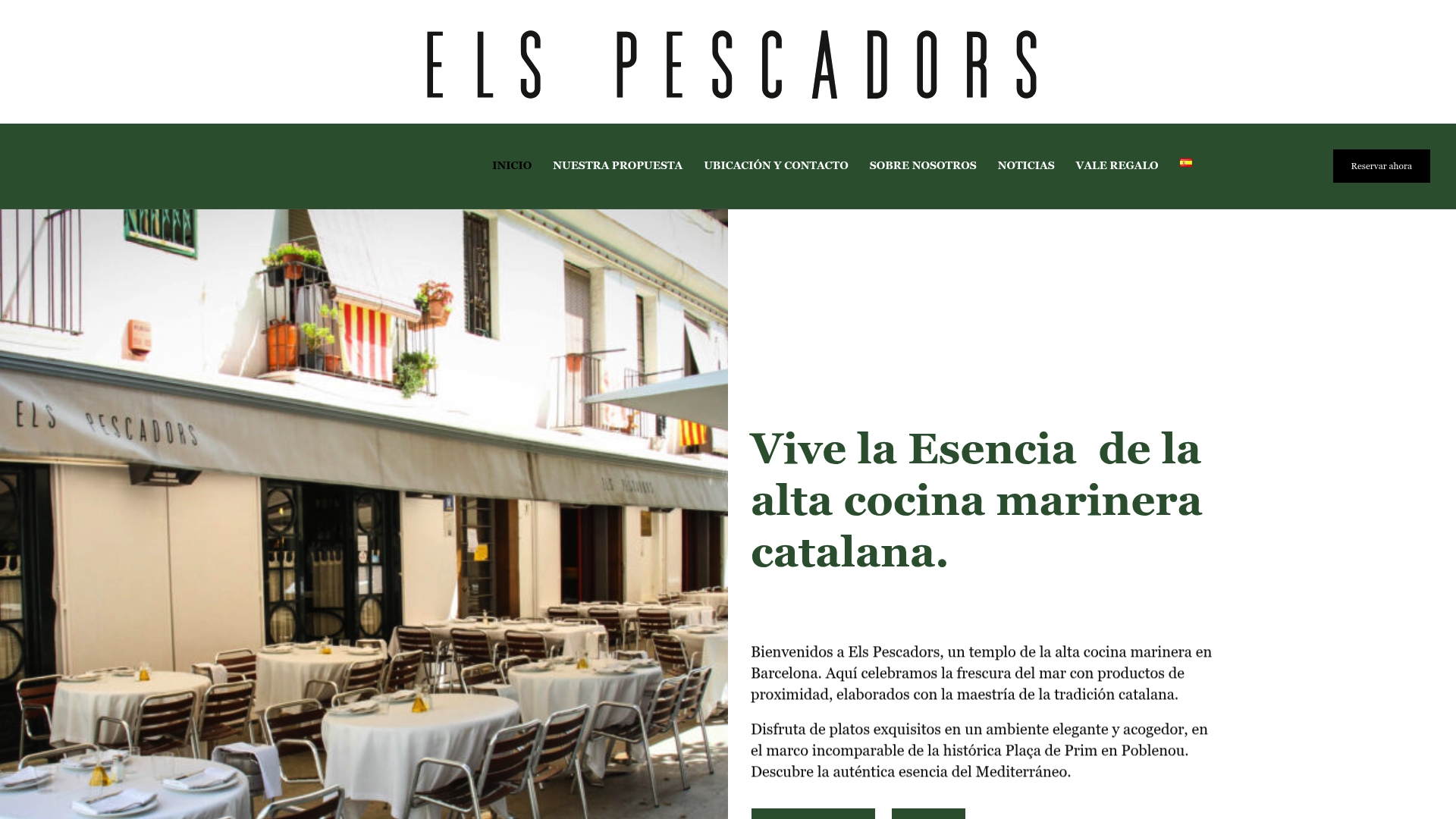
For a full seasonal seafood sequence, the Menú Degustación is the place to start, and it’s the format built specifically around what’s fresh that day. If you’d rather follow the current season’s specific dishes, check the Menú de Temporada at €39 per person, a fixed one-off price that makes budgeting simple before you arrive. Groups of six or more should look at the Menú para Grupos page directly, since it’s built for shared ordering rather than juggling individual tasting sequences at one table. Given how far ahead weekend dinner slots book up in high season, reserve as early as you can once your Barcelona dates are set.
Sources
For deeper context on tasting-menu formats and pacing, see the practical guide to a Catalan tasting menu and Els Pescadors’ primer on the seafood tasting menu format. For an outside look at how local critics frame Barcelona’s marisquería scene, read El Nacional’s coverage of Barcelona’s best seafood tasting menus.
- La marisquería de Barcelona con el mejor menú degustación a medio camino entre el Atlántico y el Mediterráneo
- Explaining Digital Reservations: What Every Traveler Should Know – Wild Foodz
FAQ
What Is a Menú Degustación de Marisco?
It’s a fixed-course tasting sequence built around seafood, typically five to nine courses moving from lighter raw or cured dishes to cooked and grilled preparations. In Barcelona, kitchens often blend Catalan Mediterranean staples with Atlantic and Galician shellfish traditions in the same sequence.
How Much Does a Seafood Tasting Menu Cost in Barcelona?
Short tasting menus run around €72, with longer formats closer to €95 based on local reporting, and premium mariscada-style menus can exceed €130. Els Pescadors’ Menú Degustación price is available directly through its menu page, while the Menú de Temporada is listed at €39 per person on the restaurant’s site.
How Far in Advance Should I Book?
Book several weeks ahead for weekend dinner seatings during high season, since popular Barcelona seafood restaurants fill those slots quickly. Lunch reservations generally offer more flexibility on shorter notice.
Can Tasting Menus Accommodate Shellfish Allergies?
Most kitchens can adapt a tasting menu for shellfish allergies, but you should flag it when booking rather than at the table. Confirm whether substitutions happen course by course or whether the restaurant offers a separate menu entirely.
Is Wine Pairing Included in the Price?
Ask directly when booking whether pairing is optional so you can budget accordingly.