Xató is both the nut-based sauce and the escarola salad it dresses; xatonada names the larger communal meal built around it. The sauce blends toasted almonds, hazelnuts, garlic, olive oil, vinegar, and dried nyora pepper into a thick, russet paste, and it coats a base of escarola, salted cod, tuna, anchovies, and olives. Say it “cha-TÓ.” Once you know the difference between the sauce, the salad, and the feast, the rest of Catalan winter cooking starts making a lot more sense.
TL;DR:
- The authentic xató sauce is a thick, raw-garlic and toasted nut paste made with nyora peppers, vinegar, and olive oil, and it provides the dish’s distinctive richness.
- The traditional salad combines bitter escarola, desalted salted cod, tuna, anchovies, and olives, all coated in the signature sauce and rested at least an hour before serving.
- Regional variations exist among five towns, differing mainly in the sauce’s texture and sharpness, reflecting local ingredients and traditions, but no version is considered definitively authentic.
- Proper preparation involves soaking salt-cured fish over 24 to 36 hours, slow oil emulsification using mortar, and resting the assembled salad to develop flavors; rushing these steps diminishes quality.
- Xató is a centerpiece of seasonal Catalan festivities around Carnival, with community competitions highlighting craft and technique in both home and restaurant settings.
Table of Contents
- What Is Xató: Sauce, Salad, and Xatonada Explained
- Origins and Regional Variations: The Five Towns That Claim Paternity
- Xató Ingredients: The Sauce, the Salad, and How It Differs From Romesco
- Traditional Xató Recipe: Step-by-Step
- Serving, Timing, and Practical Tips From Practitioners
- Cultural Significance: Xatonada Festivals and Mestre Xatonaire Competitions
- From a Restaurant Perspective: Practitioner Notes From Els Pescadors
- Why This Dish Deserves More Attention Than It Gets
- Sources
- FAQ
What Is Xató: Sauce, Salad, and Xatonada Explained
Ask five people in the Garraf or Penedès what xató means and you might get three different answers, all correct. Regional food writers have long noted this triple usage causes real confusion even among cooks who grew up eating it. The word covers the sauce itself, the finished salad, and the entire festive meal built around both.
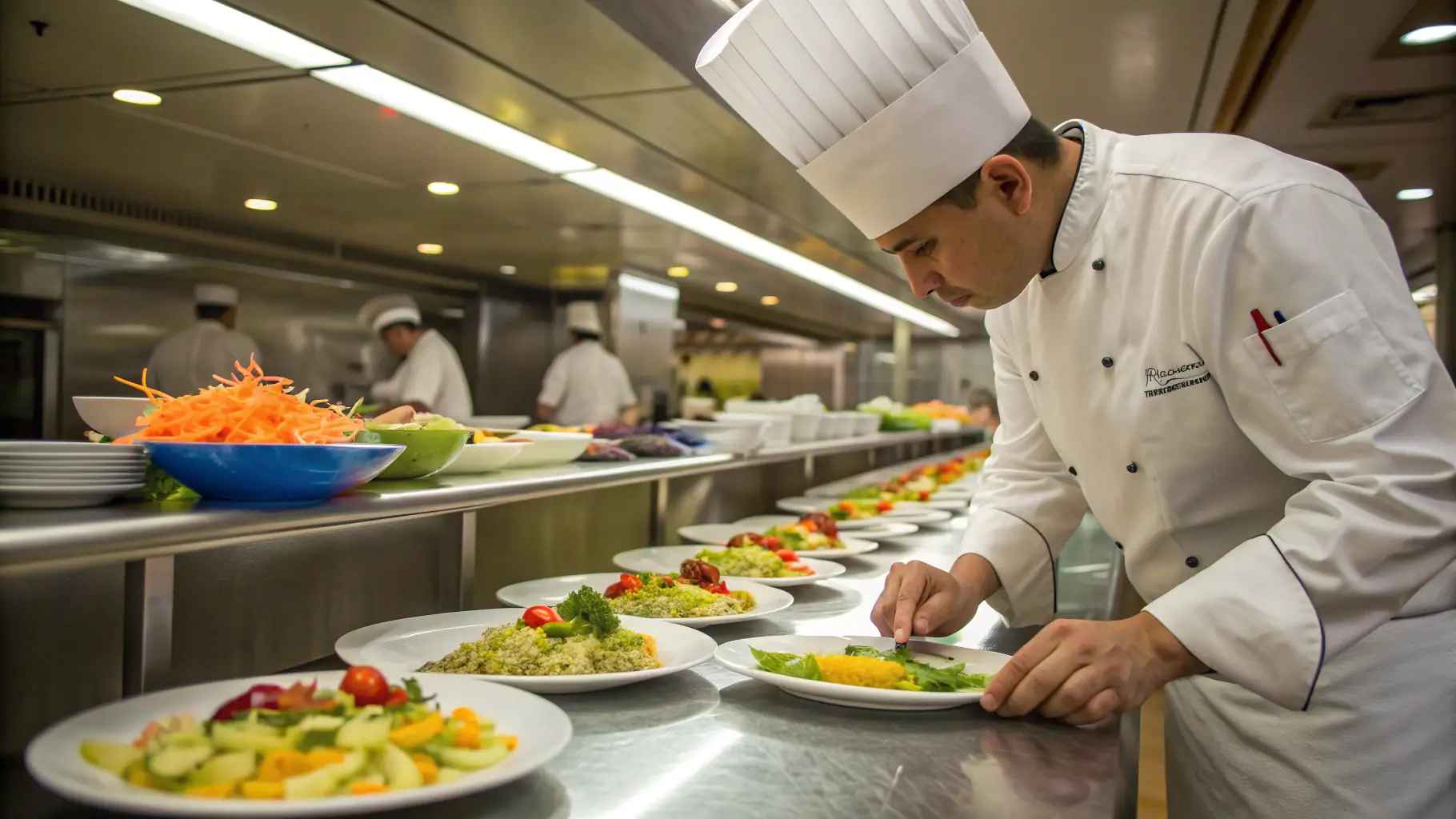
The sauce is the anchor. It’s a thick, garlicky, nut-heavy paste closer in spirit to a Catalan picada than a vinaigrette, and it’s what gives the dish its color and bite. The salad is what most people picture when they hear the word: bitter escarola leaves tossed in that sauce and topped with salt-cured fish. The xatonada is the whole event, the kind of meal where the salad shares the table with omelets, grilled sausage, and coca de llardons, all washed down with local wine.
A standard xató salad build looks like this:
- Escarola (curly endive) as the leafy base, prized for its bitter crunch against the rich sauce
- Salt-cured cod (bacallà), soaked and shredded
- Canned or jarred tuna, often the local cured variety
- White anchovy fillets or salted anchovies
- Black olives, typically arbequina or Aragon varieties
Don’t confuse xató with romesco or all i oli. It shares a family resemblance with both, nyora peppers and garlic show up in a lot of Catalan sauces, but xató keeps its own identity through the specific combination of raw garlic, toasted nuts, and salted fish on bitter greens.
Origins and Regional Variations: The Five Towns That Claim Paternity
The name most likely comes from “aixetonar,” the act of tapping a wine barrel during the harvest season, a link that regional coverage of the dish’s history traces back to written references from around 1850. Farmers would gather to taste the new wine, and someone would bring out escarola dressed with whatever nuts, garlic, and salted fish the pantry had on hand. Scholars and food journalists tend to favor this wine-tapping origin over more fanciful theories involving borrowed French words.
Paternity of the dish is genuinely disputed, and five towns each insist theirs is the original:
- Vilanova i la Geltrú — known for tonyina de sorra, a specific cured tuna cut, in its version
- Sitges — leans on a smoother sauce and a strong local festival tradition
- El Vendrell — home to some of the most active xatonada competitions today
- Vilafranca del Penedès — sits at the heart of wine country, tying the dish tightly to the harvest
- Calafell — favors raw garlic for a sharper, more pungent sauce
The differences aren’t cosmetic. Sauces made with raw vegetables tend to run darker and sharper, while versions built on cooked or escalivada-style vegetables come out softer and closer to romesco in texture, according to regional food guides covering the Garraf and Penedès. No single town has ever settled the argument, and honestly, that’s part of the fun of ordering xató in a new place.
Xató Ingredients: The Sauce, the Salad, and How It Differs From Romesco
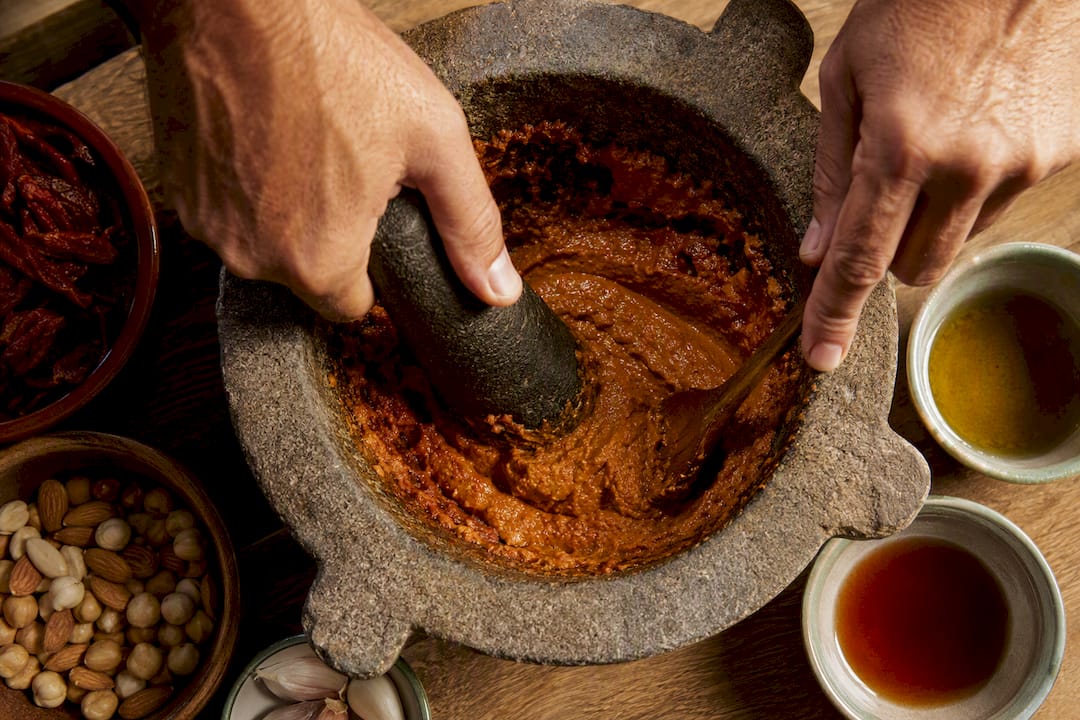
The sauce is where technique matters most. A working batch runs roughly: toasted almonds and hazelnuts combined, several rehydrated nyora peppers, garlic cloves, a splash of sherry vinegar, and olive oil added gradually until the mixture turns into a thick, spoonable paste. Nyora is the defining pepper here, dried, sweet, and mild, and while it’s widely available in Spanish markets, dried choricero or even a mild dried ancho pepper can stand in if you’re stuck.
A quick fact worth knowing: the dish’s first documented mention dates to around 1850, tied directly to wine harvest festivities rather than any restaurant kitchen, according to reporting on the dish’s origins.
The salad side stays simple by comparison:
- Escarola, torn by hand rather than sliced
- Desalted cod and tuna, flaked
- Anchovy fillets, whole or torn
- Olives, pitted or whole depending on preference
- Optional: hard-boiled egg wedges for color and richness
Romesco and xató get lumped together constantly, and that’s a mistake. Romesco usually relies on roasted or cooked vegetables like tomato and dried peppers, giving it a smoother, sweeter, almost velvety texture built for grilled meat and vegetables. Xató’s sauce is punchier and rawer, built around toasted nuts and vinegar rather than roasted vegetables, and it’s designed specifically to stand up to bitter greens and salty fish, not char-grilled protein.
Traditional Xató Recipe: Step-by-Step
This version respects the mortar-and-pestle method while giving you a blender shortcut if you’re short on time or forearm strength.
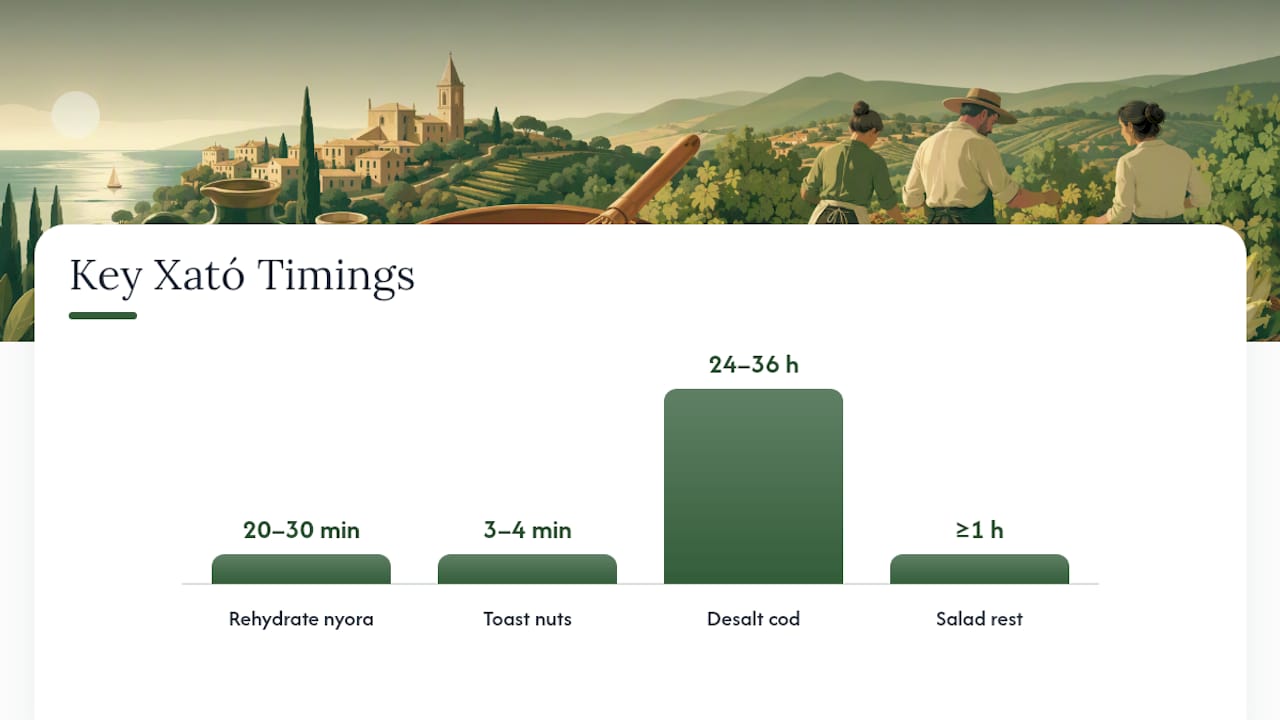
- Rehydrate the nyora. Soak 2 to 3 dried nyora peppers in warm water for 20 to 30 minutes until soft, then scrape the pulp from the skin with a spoon.
- Toast the nuts. Dry-toast about 1 cup of almonds and hazelnuts in a skillet over medium heat for 3 to 4 minutes, watching closely so they don’t burn.
- Build the sauce. In a large mortar, pound 3 to 4 garlic cloves with a pinch of salt into a paste, then add the toasted nuts and nyora pulp, grinding until mostly smooth. Add olive oil in a slow, steady stream, roughly a 2:1 ratio of oil to nuts, alternating with splashes of sherry vinegar, until the sauce thickens into a spoonable paste. A blender works too, but pulse in short bursts and add oil slowly to avoid over-processing the nuts into a gritty puree.
- Prepare the fish. If using salt-cured cod, desalt it by soaking in cold water in the refrigerator for 24 to 36 hours, changing the water two or three times. Drain and flake once softened.
- Assemble and rest. Toss torn escarola with the sauce, then top with the desalted cod, tuna, anchovies, and olives. Let the salad rest for at least one hour, ideally longer, so the fish and dressing integrate fully before serving.
Pro Tip: Add the oil to the mortar in a thin, patient stream while grinding, not all at once. Practitioners note that mortar technique produces a denser, correctly emulsified sauce compared with dumping everything into a blender, and rushing the oil is the single most common reason home sauces split or turn watery.
Handle salted fish with care: keep it refrigerated during desalting, discard the soaking water each time you change it, and never leave flaked cod or anchovies at room temperature for more than an hour before serving.
Serving, Timing, and Practical Tips From Practitioners
Xató belongs to winter and early spring, and it shows up most often around Carnival and Dijous Gras (Fat Thursday), when Catalan households and restaurants lean into hearty, festive food before Lent. The dish traveled from farmhouse kitchens to restaurant menus without losing that communal, seasonal feel.
Make the sauce a day ahead if you can. Cold storage actually helps the flavors settle. Desalt the cod slowly over an extended period to avoid overly salty or bland results.
Common fixes for common problems:
- Too acidic? Add oil in small increments rather than more vinegar; balance beats correction.
- Too oily? You likely rushed the emulsification. Start over with a slower oil stream.
- Sauce too coarse? Grind the nuts longer before adding oil. Coarse pieces won’t smooth out later.
Pro Tip: Practitioners consistently stress resting the dressed salad for at least an hour before serving, since the salted fish needs that time to release flavor into the sauce and greens.
Cultural Significance: Xatonada Festivals and Mestre Xatonaire Competitions
A xatonada isn’t just dinner, it’s a neighborhood event. Towns across the Garraf and Penedès host communal xatonada gatherings tied to Carnival and the old wine-tapping calendar, where the salad shares table space with tortillas, grilled sausage, and sweet coca de llardons.
Local pride runs deep enough that towns hold Mestre Xatonaire competitions, contests judging whose sauce strikes the best balance between nutty richness and vinegar bite. El Vendrell has become known for treating the dish as more than just a plate, using its local festivals to showcase craft and technique, often with schools and younger cooks involved in keeping the recipe alive.
At its core, xató is a symbol of Catalan identity built on the meeting of land and sea, mountain-grown nuts and garlic paired with salted fish pulled from the Mediterranean. That pairing is the same instinct behind a lot of traditional Catalan cuisine in Barcelona.
From a Restaurant Perspective: Practitioner Notes From Els Pescadors
Sourcing matters more than most home cooks expect. Fresh, properly desalted cod should smell like the sea, not like brine, and firm, glossy olives beat anything sitting in a dull, cloudy jar. In a restaurant setting, xató plates best as a shared starter, portioned around 3 to 4 ounces of dressed escarola per guest, enough to open the appetite without overwhelming the courses that follow. Serving xatonada as a communal starter fits naturally into group seafood dining, where the shared plate sets a relaxed, convivial tone before heavier dishes arrive.
Why This Dish Deserves More Attention Than It Gets
The biggest misconception about xató isn’t culinary, it’s linguistic. Most explanations online treat the word as if it only means “salad,” which flattens a much richer piece of food culture into a single dish description. Once you separate sauce, salad, and xatonada, the dish stops being a curiosity and starts making sense as a whole culinary system, one built around a festival, a technique, and a regional argument that’s been running for well over a century.
The conventional advice on this dish also oversells the blender shortcut. It works, but it changes the texture in ways that matter more than most recipes admit. If you only take one thing from this explainer, take the resting time seriously. An hour of patience does more for flavor than any tweak to the ingredient ratios.
What’s overrated is the idea that there’s a single “authentic” version. Five towns disagree, and that disagreement is the tradition. Cook the version that uses what’s fresh near you, rest it properly, and you’re doing it right.
— YellowRock
Sources
- El xató, ensalada catalana y su vínculo con la fiesta del vino (COPE)
- Ensalada xató: la receta tradicional que saca lo mejor de la escarola (El País – El Comidista)
- El Vendrell demuestra que el xató es más que un plato (Diari de Tarragona)
- Recepta de xató, el plat típic de Vilanova i la Geltrú (RTVE)
FAQ
What Does Xató Mean in Catalan?
In Catalan, xató refers to the sauce made from toasted almonds, hazelnuts, garlic, olive oil, vinegar, and nyora pepper, and by extension, the escarola salad dressed with it.
What Is Xató in English or Spanish Terms?
In Spanish and English, xató describes the same Catalan dish: a bitter escarola salad topped with salt-cured cod, tuna, anchovies, and olives, all coated in a thick nut-and-pepper sauce.
What’s the Difference Between Xató and Romesco?
Romesco relies on cooked or roasted vegetables for a smoother, sweeter sauce meant for grilled dishes, while xató’s sauce uses raw garlic and toasted nuts for a sharper bite designed to pair with bitter greens and salted fish.
What Ingredients Go Into a Xató Salad?
A traditional xató salad uses escarola as its base, topped with desalted cod, tuna, anchovies, and olives, all dressed in a sauce of toasted almonds, hazelnuts, garlic, olive oil, vinegar, and nyora pepper.
When Is Xató Traditionally Served?
Xató is most closely tied to Carnival and Dijous Gras (Fat Thursday), when Catalan towns host communal xatonada meals built around the salad and other festive dishes.