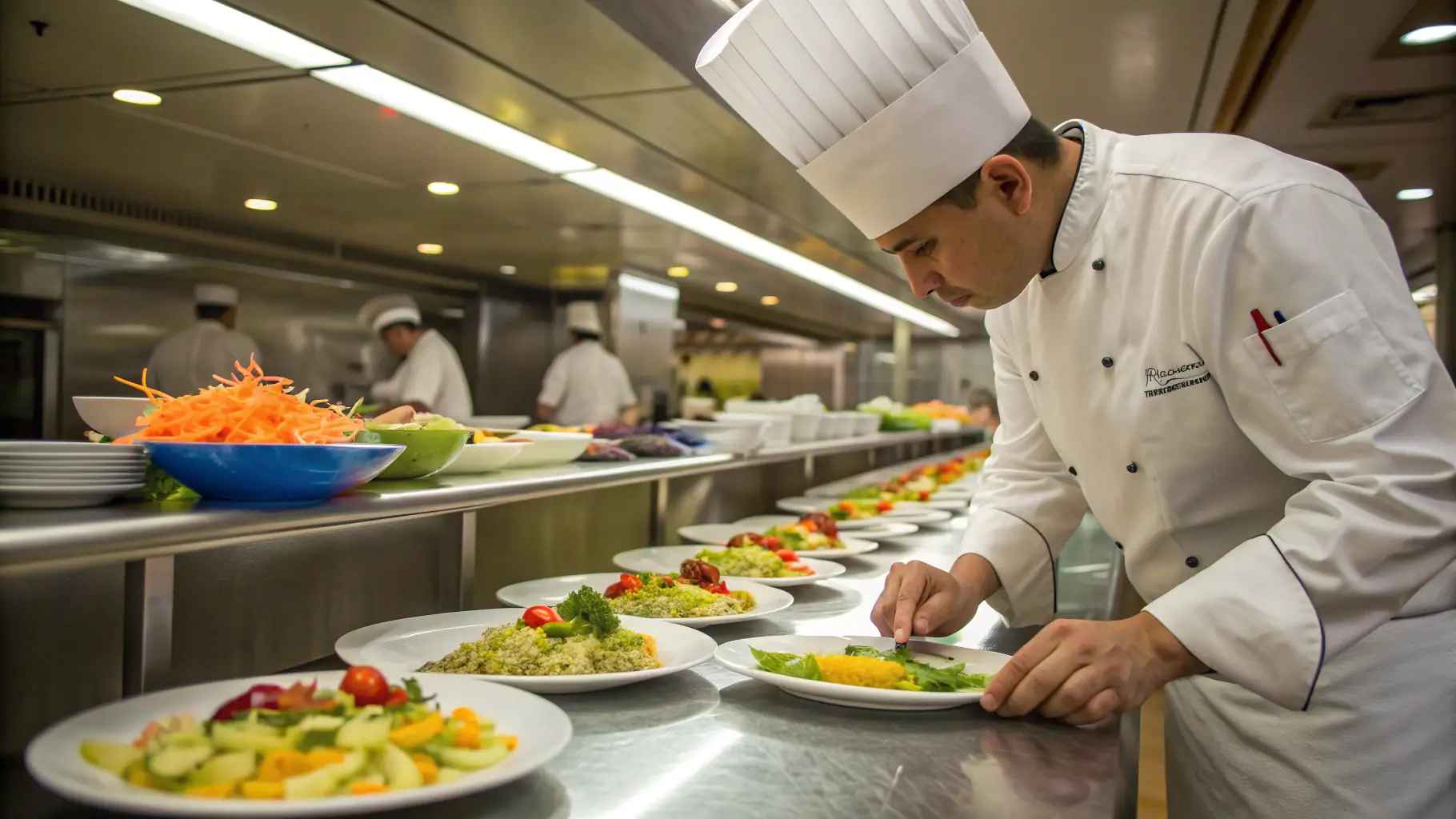
Sustainability is a core operational and commercial driver in dining. It reduces environmental impact while protecting margins and guest loyalty. Restaurants that treat green practices as measurable business levers rather than marketing badges are already seeing the payoff: lower waste costs, stronger supplier relationships, and guests who return because they trust what’s on the plate.
Three priorities to start with:
- Reduce food waste first. It’s the fastest route to cost savings and the impact guests notice most.
- Shift sourcing toward local and seasonal suppliers. This cuts supply-chain emissions and hedges against commodity price swings.
- Track at least one KPI from day one (food waste in kg per cover is the easiest starting point).
Key Takeaways
Sustainability in dining is a measurable business strategy: operators who track food waste, energy, and sourcing as KPIs consistently reduce costs, strengthen guest loyalty, and build supply-chain resilience.
| Point | Details |
|---|---|
| Start with food waste | Track kg per cover weekly — it’s the fastest route to cost savings and the metric guests notice most. |
| 40% willingness-to-pay | About 40% of restaurant guests will pay more for sustainable dishes; communicate provenance specifically to capture that premium. |
| Certifications that count | EU Ecolabel, EMAS, ISO 14001, and MSC/ASC are the relevant standards for Central European operators; pursue them in order of readiness. |
| Stage your investments | Waste reduction pays back in weeks; energy efficiency in 12–36 months; certification over years. Fund each stage from the savings of the last. |
| Elspescadors as a model | Elspescadors builds its menu around daily fresh catch and traceable local sourcing — a working example of sustainability embedded in operations, not added on top. |
Table of Contents
- What does sustainable dining actually mean for a restaurant?
- Why does sustainability matter for operators, guests, and regulators?
- What are the core environmental and operational impact areas?
- What high-impact practices can restaurants adopt right now?
- How do you measure sustainability? KPIs, tools, and certifications for Central Europe
- What is the real business case for sustainable dining?
- What does a realistic implementation timeline look like?
- How Elspescadors applies sustainability in dining
- Quick-start checklist for restaurant operators
- The part most operators underestimate
- Elspescadors: sustainable fine dining in Barcelona’s Poblenou
- Sources
- FAQ
What does sustainable dining actually mean for a restaurant?
Sustainable dining, in operational terms, means running a restaurant so that resource use is minimized, waste is reduced, sourcing is traceable, and the business remains viable long-term without externalizing costs onto the environment or the community. It is not a single certification or a marketing line. It is a set of daily decisions across procurement, kitchen workflow, and front of house operations.
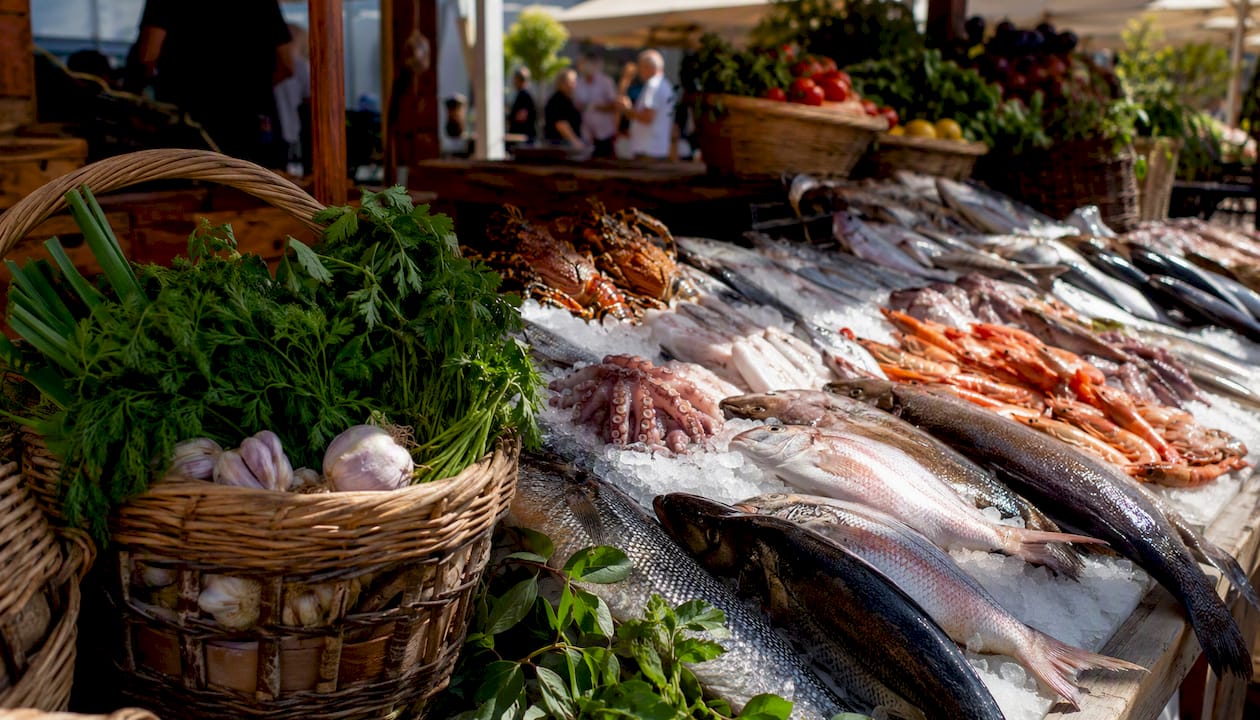
On the procurement side, it means buying from local and seasonal suppliers where possible, choosing certified seafood (MSC or ASC), and avoiding ingredients tied to deforestation or overfishing. In the kitchen, it means portioning discipline, nose-to-tail and root-to-stem cooking, and designing menus around what is actually available rather than forcing year-round availability of out-of-season produce. At the front of house, it means menu transparency (naming the farm or fishery), reusable serviceware, and honest communication about what the restaurant is doing and why.
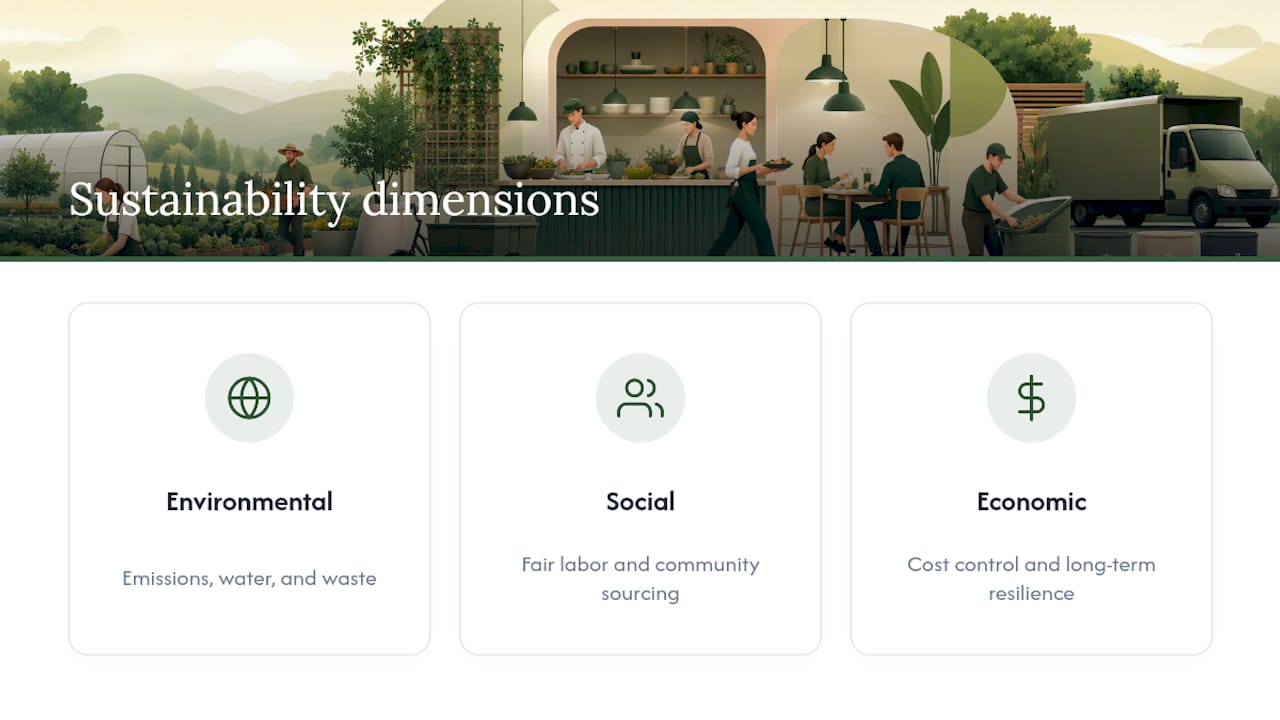
The scope covers three dimensions: environmental (emissions, water, waste), social (fair labor, community sourcing), and economic (cost control, long-term resilience). Operators who address all three tend to build more durable businesses than those who treat sustainability as a single-axis problem.
Why does sustainability matter for operators, guests, and regulators?
The pressure is coming from three directions at once, and they are reinforcing each other.
Environmental driver. A peer-reviewed systematic review identifies energy use, water consumption, and food waste as the priority environmental impact areas in food service. These are not abstract concerns: they translate directly into utility bills, disposal costs, and regulatory exposure.
Commercial driver. Survey data shows that about 40% of restaurant and café guests are willing to pay more for sustainable dishes, and 68% pay attention to food-waste practices when choosing where to eat.
40% of restaurant guests are willing to pay a premium for sustainable dishes — and 68% actively notice food-waste and energy-efficiency measures when choosing a venue.
That is not a niche audience. It is a plurality of your dining room, and it is growing. Lightspeed’s 2026 hospitality trends report frames it plainly: transparent sourcing, low-waste operations, and plant-forward options are now baseline guest expectations, not differentiators.
Regulatory and market driver. Across Central Europe, supply-chain traceability requirements are tightening. L.E.K. Consulting’s analysis of Europe’s sustainable food shift shows that regulatory pressure and procurement expectations from institutional buyers are creating both compliance obligations and value-creation opportunities for food businesses that move early.
What are the core environmental and operational impact areas?
A systematic review of food service sustainability groups the key impact areas as follows. Each one has a direct operational cost attached to it.
- Energy use. Commercial kitchens are energy-intensive. Ovens, refrigeration, and HVAC systems running inefficiently inflate utility costs and carbon footprint simultaneously.
- Carbon footprint. Supply-chain emissions (Scope 3) often dwarf on-site energy use. Ingredient sourcing decisions drive the majority of a restaurant’s total emissions.
- Water use. Dishwashing, food preparation, and cooling systems consume significant volumes. Water costs are rising across Central Europe.
- Food waste. Preparation waste, plate waste, and over-ordering are the single largest controllable cost leak in most kitchens. They also carry disposal costs and methane emissions from landfill.
- Packaging and single-use items. Takeaway packaging and single-use plastics face tightening EU regulation and generate visible waste that guests notice.
- Sourcing impacts. Overfishing, deforestation-linked supply chains, and unethical labor practices in supplier networks create reputational and regulatory risk.
Pro Tip: Design menus around demand forecasts, not aspirational variety. Circular menu design — where trim from one dish becomes a component of another — cuts preparation waste by a meaningful margin without requiring capital investment. It also forces the kitchen to think in systems rather than individual recipes.
What high-impact practices can restaurants adopt right now?
The National Restaurant Association’s sustainability guidance organizes practical steps into a clear hierarchy. Here is a prioritized version adapted for Central European operators.
High-impact, low-cost (start immediately):
- Implement FIFO (first in, first out) inventory controls to cut spoilage.
- Introduce portion standards and track plate waste weekly.
- Set up composting for organic waste; partner with a local collection service.
- Audit your menu for ingredients with high carbon or water footprints and flag substitutes.
Medium-term investments (3–12 months):
- Build supplier partnerships with local farms and fisheries; negotiate seasonal supply agreements. A practical guide to building local supplier relationships covers the sourcing mechanics in detail.
- Engineer menus seasonally so the kitchen is never fighting availability.
- Switch to reusable or compostable serviceware for takeaway and events.
- Install LED lighting and programmable thermostats if not already in place.
Capital investments (12+ months):
- Upgrade to energy-efficient commercial kitchen equipment (induction cooking, heat-recovery ventilation).
- Explore on-site solar or renewable energy procurement contracts.
- Pursue formal certification (EU Ecolabel, EMAS, or ISO 14001).
On staff engagement: sustainability tasks embedded in daily checklists stick better than standalone training sessions. Assign waste-tracking ownership to a specific person per shift. When the team sees the numbers weekly, behavior changes faster than any policy document can drive.
On guest communication: weave provenance and rationale directly into menus and server scripts. “Caught this morning by a day-boat fishery in the Costa Brava” does more for perceived value than a generic “sustainably sourced” label. Specificity converts practices into premium pricing power. Avoid vague claims that guests cannot verify — that is where greenwashing accusations start.

Pro Tip: When communicating sustainability to guests, name the supplier, not just the practice. “From Mas Claret farm, 40 km away” is a claim a guest can picture. “Locally sourced” is not.
How do you measure sustainability? KPIs, tools, and certifications for Central Europe
Measurement is where most operators stall. The good news: you do not need expensive software to start. Your POS system, energy bills, and a weekly waste log cover the core KPIs.
For certifications relevant to Central European operators:
- EU Ecolabel: Covers environmental performance across energy, water, waste, and chemicals. Applicable to restaurants and accommodation services. Recognized across EU member states.
- EMAS (Eco-Management and Audit Scheme): The EU’s voluntary environmental management standard. More rigorous than ISO 14001 in its public reporting requirements; strong credibility with institutional clients and procurement bodies.
- ISO 14001: The international environmental management system standard. Widely recognized, flexible in scope, and a practical first step before pursuing EMAS.
- MSC (Marine Stewardship Council) / ASC (Aquaculture Stewardship Council): Relevant for any restaurant serving seafood. MSC covers wild-caught fish; ASC covers farmed seafood. Both require chain-of-custody certification from suppliers.
What is the real business case for sustainable dining?
Green Leadership in HoReCa research makes the argument directly: operators who embed sustainability as operational KPIs report lower costs, stronger customer loyalty, and improved resilience against supply disruptions. This is not a soft benefit. In volatile commodity markets, local procurement and efficient equipment act as financial hedges against global energy and ingredient price shocks.
The cost picture breaks down like this:
- Initial costs: Equipment upgrades, supplier onboarding, staff training, and certification fees. These are real but one-time or amortized.
- Ongoing savings: Waste reduction typically delivers the fastest payback. Energy efficiency follows. Improved yield from better portioning and circular menu design compounds over time.
- Revenue upside: With 40% of guests willing to pay a premium for sustainable dishes, a restaurant that communicates its practices clearly can justify higher menu prices without losing covers.
Survey data from Expert Market shows that 80% of restaurant owners plan to focus on sustainable and ethical sourcing in 2026 — making it the top operational priority across the sector.
The risk side is equally concrete. Regulatory fines for non-compliance with EU packaging and waste rules are rising. Supply-chain disruptions from climate events hit restaurants with narrow, non-local supplier bases hardest. And reputational damage from a greenwashing accusation or a food-provenance scandal can cost more than any certification ever would.
For operators considering sustainable seafood restaurants, the business case is particularly strong: seafood is one of the most scrutinized categories for sourcing ethics, and guests who care about it tend to be high-value, repeat diners.
What does a realistic implementation timeline look like?
Phasing matters. Trying to do everything at once burns cash and exhausts staff. Here is a staged roadmap:
Months 0–3 (audit and quick wins):
- Conduct a baseline waste audit (weigh bins for two weeks).
- Review energy bills and identify the top three consumption sources.
- Map your current supplier base: what percentage is local, certified, or traceable?
- Implement FIFO, portion standards, and a composting arrangement.
- Brief the team on the why and assign KPI ownership by role.
Months 3–12 (medium-term investments):
- Renegotiate supplier contracts to include seasonal and local commitments.
- Pilot a seasonal menu change and measure food-cost impact.
- Install LED lighting and programmable HVAC controls.
- Begin tracking the KPI table above monthly and review with management.
- Research EU Ecolabel or EMAS requirements and assess readiness.
Months 12+ (certification and capital):
- Submit for EU Ecolabel, EMAS, or ISO 14001 depending on scale and ambition.
- Evaluate energy-efficiency equipment upgrades with ROI projections.
- Publish a short annual sustainability report (even a one-page summary builds credibility with guests and procurement partners).
Typical cost drivers: equipment upgrades dominate capital spend; supplier onboarding and certification fees are the main ongoing costs. Staff training is largely a time cost, not a cash cost, if it is embedded in existing onboarding and shift briefings.
Pro Tip: Stage your investments by payback period. Waste reduction and portion control pay back within weeks. Energy efficiency pays back in 12–36 months. Certification pays back over years through pricing power and procurement access. Do them in that order and each stage funds the next.
How Elspescadors applies sustainability in dining
Elspescadors, located in Barcelona’s historic Poblenou district, operates as a fine seafood restaurant built around Catalan maritime cuisine. Its sustainability model is not a bolt-on program. It is embedded in how the kitchen sources, designs menus, and communicates with guests.
The restaurant’s core practices map directly to the KPI framework above:
- Local and seasonal sourcing: Menus are built around the daily fresh catch and seasonal availability, reducing the carbon footprint of ingredient transport and eliminating the need to force out-of-season produce.
- Sustainable seafood certification: Elspescadors prioritizes sustainable fish sourcing, selecting species and suppliers aligned with MSC and ASC standards where applicable. This directly addresses the overfishing risk that affects Mediterranean seafood supply chains.
- Menu transparency: Provenance is woven into the guest experience. Guests know where the fish came from and why it was chosen. This is the kind of specificity that survey data links to willingness-to-pay premiums.
- Waste minimization through menu design: Seasonal tasting menus allow the kitchen to use whole fish and minimize trim waste, applying root-to-stem and nose-to-tail logic to seafood.
For Central European operators, the Elspescadors model offers a transferable lesson: sustainability works best when it is the reason the menu exists, not a filter applied afterward. Building procurement around what is available and traceable, rather than what is convenient, produces better food and a cleaner supply chain simultaneously. The seafood dining trends shaping 2026 point in the same direction: guests are increasingly choosing restaurants that can tell a credible sourcing story.
Quick-start checklist for restaurant operators
Days 0–14:
- Weigh your waste bins for five consecutive service days. Separate pre-consumer (prep) from plate waste.
- Pull your last three energy bills and calculate kWh per cover.
- List your top 20 ingredients by spend and flag which are local, certified, or traceable.
- Brief your head chef and one front-of-house lead on the sustainability plan and assign KPI ownership.
- Identify one quick win to implement this week (FIFO, portion cards, or composting).
Days 15–90:
- Set up a weekly waste log (a shared spreadsheet works fine to start).
- Pilot one seasonal menu change and track food-cost variance.
- Contact two local suppliers about seasonal supply agreements.
- Add one provenance detail to the menu for your highest-volume dish.
- Review energy use monthly and set a 5% reduction target for the next quarter.
For a deeper dive into the operational mechanics of sustainability in food services, the Wild Foodz operator guide covers practical measures across kitchen and front-of-house in detail.
KPI ownership by role: assign food waste tracking to the sous chef, energy monitoring to the operations manager, and sourcing percentage to the head of procurement (or the owner, in smaller operations). When one person owns a number, it gets measured.
The part most operators underestimate
The hardest part of making sustainability stick in a restaurant is not the sourcing or the equipment. It is the daily discipline of measurement when service is busy and margins are thin. Most operators start with good intentions and stall when the first waste audit reveals numbers that feel overwhelming rather than motivating.
The fix is simpler than most consultants suggest: track one number per week, not ten. Food waste per cover is the right starting point because it is visible, controllable, and directly tied to cost. Once the team sees that number move, the culture shifts. The second KPI becomes easier to add. The third easier still.
What guests respond to is equally misunderstood. Generic sustainability claims (“we care about the planet”) generate skepticism. Specific, operational transparency (“we composted 12 kg of trim this week and it goes to a local urban farm”) generates trust. The local sourcing benefits that operators often treat as a procurement detail are, for guests, the most compelling part of the story. Tell it that way.
Elspescadors: sustainable fine dining in Barcelona’s Poblenou
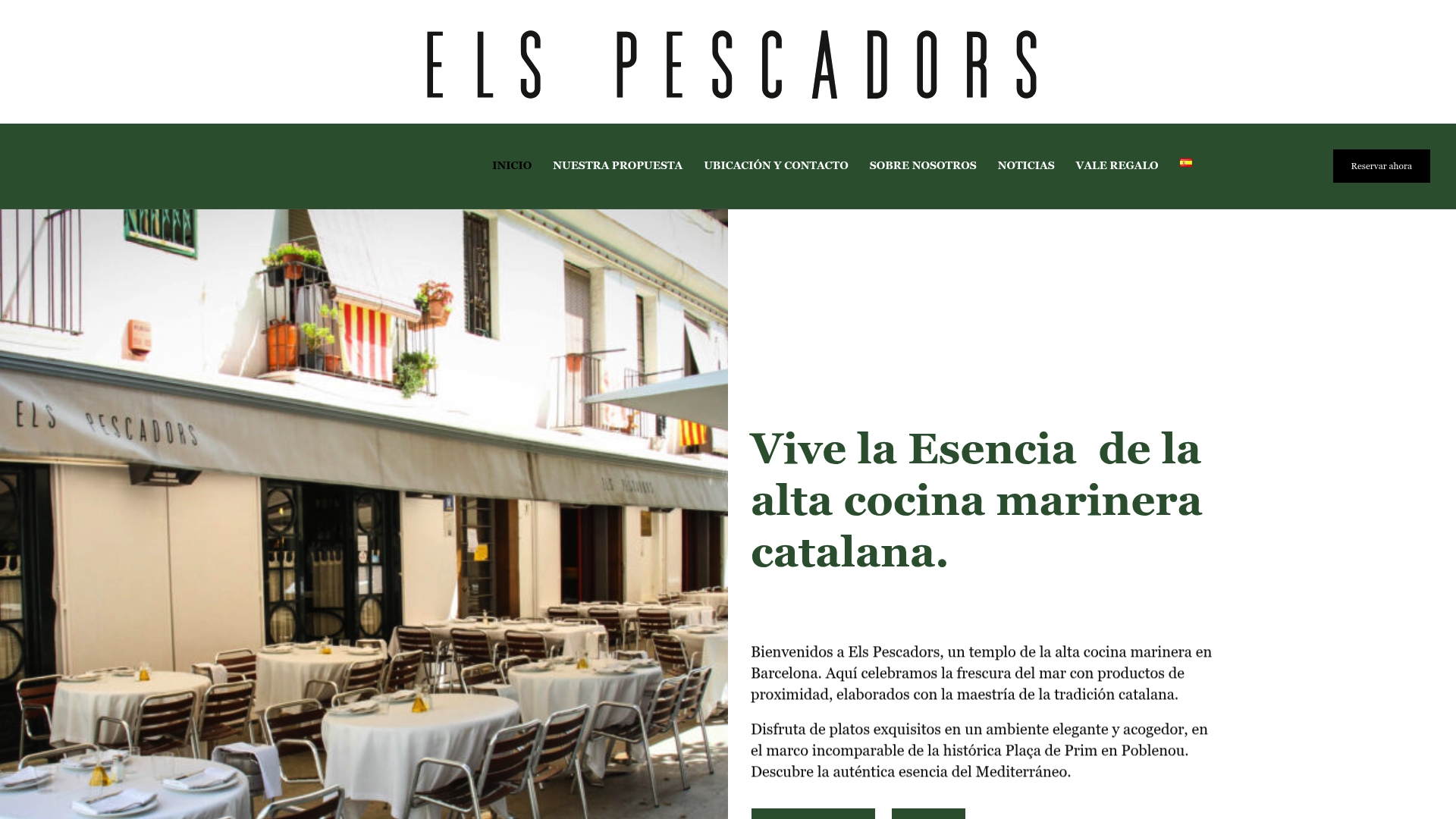
Elspescadors brings together everything this guide covers in a single dining experience. Located in Plaça de Prim in Barcelona’s Poblenou district, the restaurant has built its menu around daily fresh catch, seasonal Catalan seafood, and traceable local sourcing — not as a marketing position, but as the operational foundation of how the kitchen works.
For guests who want to experience what genuinely sustainable fine dining looks like in practice, or for event organizers planning a group meal where provenance and quality matter, Elspescadors offers seasonal tasting menus and group dining options that reflect the principles in this guide. Reserve your table or explore the group menu at Elspescadors.
Sources
- Hospitality Trends 2026: The year of intentional dining – Lightspeed
- ‘Forty per cent of restaurant and café guests are happy to pay more for sustainable dishes’
- Sustainability in food service: A systematic review – PMC
- Green Leadership in HoReCa: From Responsibility to Competitive Advantage
- Sustainability
- Europe’s Sustainable Food Shift: Where the Next Wave of Value Creation Lies | L.E.K. Consulting
FAQ
What is sustainable dining?
Sustainable dining means operating a restaurant so that resource use, waste, and sourcing impacts are minimized across environmental, social, and economic dimensions. In practice, it covers local and seasonal procurement, waste reduction, energy efficiency, and transparent communication with guests.
Why is sustainability important in restaurants?
Restaurants face rising costs, tightening EU regulations, and guests who increasingly expect traceable sourcing and low-waste operations.
What is the 30/30/30 rule for restaurants?
The 30/30/30 rule is an informal food-cost management guideline suggesting that food, labor, and overhead each account for roughly 30% of revenue, leaving a 10% margin. It is not a sustainability-specific framework, but waste reduction directly improves the food-cost component of this ratio.
How can a restaurant start measuring its sustainability performance?
Start with three KPIs you can track from existing data: food waste in kg per cover (weigh bins weekly), energy in kWh per cover (from utility bills), and local sourcing as a percentage of total food spend (from invoices). These three metrics cover the highest-impact areas and require no specialist software to begin.
How does Elspescadors approach sustainable dining?
Elspescadors builds its menu around the daily fresh catch and seasonal Catalan seafood, prioritizing suppliers aligned with MSC and ASC standards. Provenance is communicated directly to guests, and the kitchen uses seasonal tasting menus to minimize waste — a model where sustainability is the operational foundation, not a marketing layer.