The best ruta gastronómica Poblenou mar links three stops: an early morning at Mercat del Poblenou, a seafood lunch at Els Pescadors in Plaça de Prim, and a sunset aperitif at Platja del Bogatell. Together they cover market-fresh ingredients, a proper sit-down meal, and the sea air that makes Poblenou’s food scene distinct. Plan for roughly half a day without the tasting menu or a full day if you include it, and reserve your lunch table a few days in advance.
TL;DR:
- Visiting the market early in the morning ensures access to the freshest fish before stalls sell out, especially on weekdays before 10:00 a.m.
- Reserving a seafood lunch at Els Pescadors a few days in advance is essential for weekend service or terrace seating, and a full meal lasts about 2 to 3 hours.
- Walking between the market, restaurant, and beach takes approximately 15 minutes each, making the route suitable for a half-day or full-day experience.
- Ordering whole fish and seasonal rice dishes at the restaurant allows for an authentic taste of Poblenou’s traditional seafood cuisine.
- Asking vendors about fish origin and seasonality helps support responsible sourcing and highlights local, sustainable catches.
Table of Contents
- A quick seafood itinerary: top stops and what to do at each
- How to plan timing, reservations, and route logistics
- What to order: seafood dishes and local specialties to try in Poblenou
- Sustainability, seasonality, and responsible visiting on the Poblenou waterfront
- Practical budget and local etiquette: paying, tipping, and dining rhythm
- What Poblenou’s seafood culture gets right
- Book a seafood table at Els Pescadors
- Sources
- FAQ
A quick seafood itinerary: top stops and what to do at each
This route works because each stop builds on the last: you see the ingredients before you eat them, then you walk them off by the water. Here is the order that makes sense for most visitors, whether you have half a day or a full one.
- Mercat del Poblenou (9:00 to 10:30 a.m.): Walk the fish and shellfish stalls at this neighborhood market, inaugurated in 1889 and remodeled in 2005, to see what came in that morning.
- Coffee and pastry near Rambla del Poblenou (10:30 to 11:00 a.m.): A short espresso stop keeps you fueled for the walk to Plaça de Prim without filling you up before lunch.
- A stroll through the old maritime core (11:00 to 11:45 a.m.): The narrow streets around Taulat and Plaça de Prim still carry the neighborhood’s fishing and textile history, which shapes the local menus you are about to try.
- Seafood lunch at Els Pescadors (1:30 to 3:30 p.m.): Order from the daily catch, a signature rice dish, or a tasting menu, and ask the kitchen what came from the market that morning.
- Beach aperitif at Platja del Bogatell (5:00 to 6:30 p.m.): This Sant Martí beach is a short walk from the restaurant area and a natural place to close the day with a vermouth or a glass of cava.
- Optional tapas stop (7:00 p.m. onward): If you check the Ruta Gourmet Poblenou event calendar, you may find a participating bar open for a final bite.
Lunch is the anchor of the day, so build the market visit and beach stop around it rather than the other way around.
How to plan timing, reservations, and route logistics
Getting the sequence right matters more than covering distance. Poblenou is compact enough to walk between every stop on this route.
- Start at Mercat del Poblenou before 10:00 a.m. on a weekday, since stalls sell their best fish early and Saturdays draw longer lines.
- Book your lunch table at Els Pescadors a few days ahead, especially for weekend service or a terrace seat in Plaça de Prim.
- Budget 2 to 3 hours for a seated seafood lunch or tasting menu, since Catalan tasting formats typically run at that pace when paired with wine.
- Walk from the market to Plaça de Prim in about 15 minutes, and from the restaurant to Platja del Bogatell in another 15 to 20 minutes.
- Check the nearest metro stops (Poblenou or Llacuna on L4) if you are arriving from outside the neighborhood, since parking is limited near the market and the beach.
A half-day version drops the beach stop and tapas add-on; a full day keeps all six and ends around sunset.
What to order: seafood dishes and local specialties to try in Poblenou
Poblenou’s kitchens lean on a handful of dishes that reward asking questions before you order. A suquet de peix, a tomato-and-potato fish stew, shows off whatever whole fish came in that day. Grilled fish, often served whole and priced by weight, lets you taste the catch with almost nothing added. Rice dishes, from a simple arroz de marisco to a black rice with squid ink, are usually built for two or more diners to share. Bacalao, salted cod rehydrated and cooked in olive oil or with a light tomato sauce, is a Catalan staple worth trying even outside the summer season.
- Ask before you buy: at market stalls, request the fish’s origin and whether it was caught that day or the day before.
- Look for whole fish on ice: stalls that display fish on crushed ice, rather than pre-filleted, tend to sell the freshest catch.
- Try conservas: tinned mussels, anchovies, or bonito from a specialty stall make an easy take-home souvenir.
- Pair with local drinks: a glass of cava or a dry white wine suits grilled fish, while vermouth works well before the meal.
A market approached the right way rewards patience: vendors at Mercat del Poblenou are generally open to recommending the day’s best catch and its origin when asked directly, and a polite question can turn into a quick tasting or a useful tip. For a deeper look at pairing options, this wine pairing guide covers the basics of matching wine to seafood.
Sustainability, seasonality, and responsible visiting on the Poblenou waterfront

Ask vendors and kitchens where the fish came from and whether it is in season before you order. Local, seasonal catches tend to travel a shorter distance and put less pressure on overfished stocks. The waterfront near Platja del Bogatell has also moved toward more responsible operations, with recent municipal initiatives improving accessibility and introducing deposit-and-return schemes for reusable cups at some beach-area bars in 2026.
Pro Tip: Bring a reusable water bottle and skip single-use cups at beach bars that offer a deposit-and-return option, since it cuts down on plastic waste along the promenade.

For more on why sourcing choices matter, this guide to local sourcing in restaurants breaks down what to look for beyond a menu description.
Practical budget and local etiquette: paying, tipping, and dining rhythm
A market snack or pastry runs a few euros, a mid-range seafood lunch with a shared rice dish and wine lands in the moderate range for Barcelona, and a full tasting menu costs more and offers multiple courses over a longer sitting. Cash still works at most market stalls, though cards are standard at restaurants and beach bars.
- Tipping is optional: rounding up or leaving small change is common, but nothing close to American norms.
- Share the rice: most rice and seafood platters are built for the table, not for one person.
- Ask for la carta: requesting the menu by name is normal and expected, even at smaller bars.
- Terrace seating fills up fast: if you want a table outside in Plaça de Prim, say so when you book.
Budgeting a bit more for lunch and less for the market snack keeps the day balanced without surprises.
What Poblenou’s seafood culture gets right
Poblenou’s food scene works because it never separates the market from the table. The neighborhood’s old maritime core, once tied to fishing and the textile trade, still shapes how kitchens here buy and cook. Els Pescadors, a long-established restaurant in Plaça de Prim, has built its menu around that same daily rhythm of fresh catch and seasonal rice dishes, a practice recognized as a finalist for culinary quality in 2018. What outsiders often miss is that the best meal in Poblenou usually starts hours earlier, at a market stall, not at the table.
— YellowRock
Book a seafood table at Els Pescadors
If this route has you craving a proper seafood lunch, Els Pescadors offers a seasonal tasting menu, a daily carta, and terrace seating steps from Plaça de Prim.
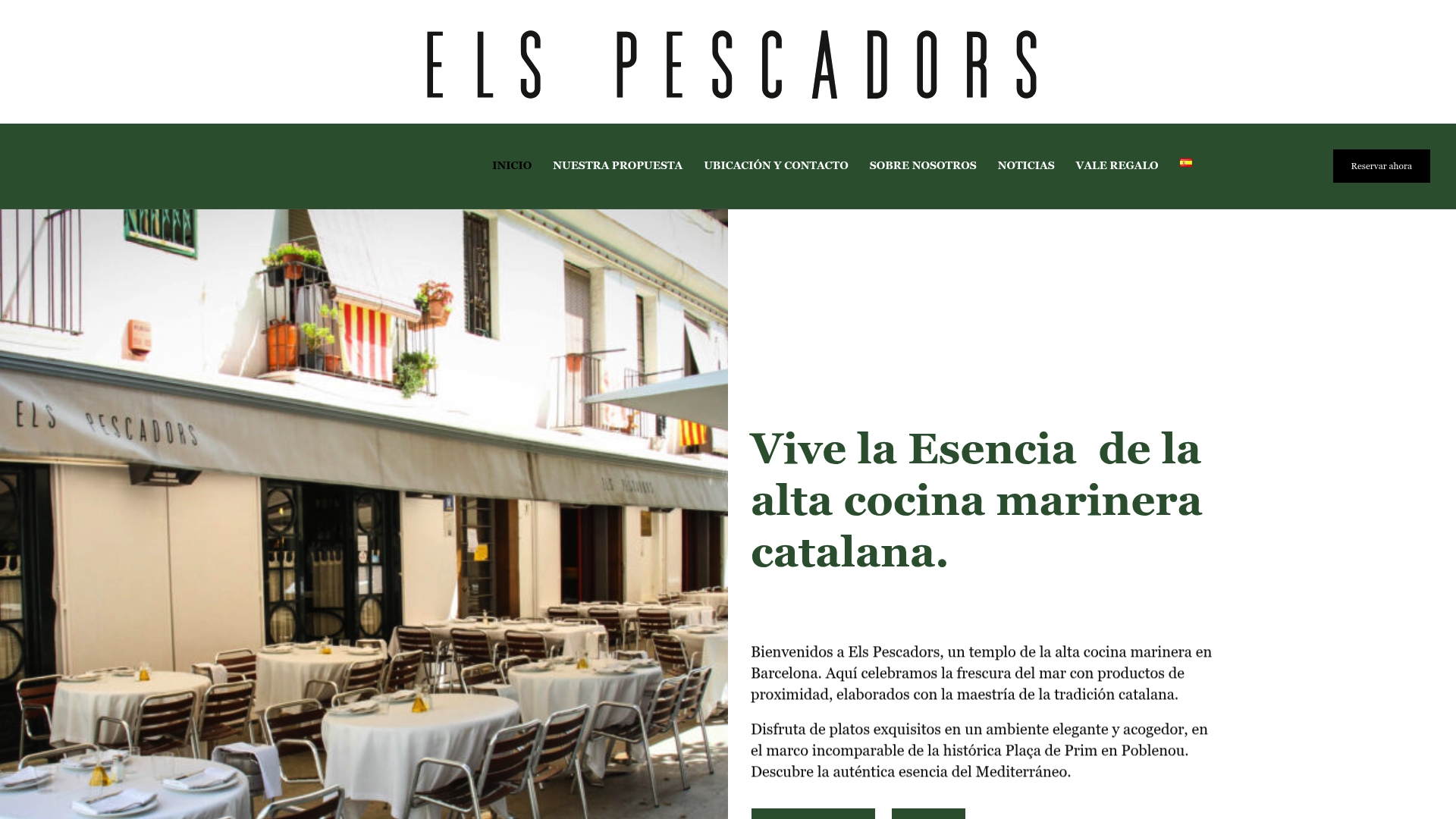
- Reserve the Menú Degustación for a full multi-course seafood experience.
- Check the Menú de Temporada for seasonal rice and fish dishes at a set price per person.
- Ask about the Menú para Grupos if you are planning a celebration with a larger group.
Sources
Mercat del Poblenou sits at Plaça de la Unió and remains the neighborhood’s main source for fresh fish, shellfish, produce, and specialty goods. Morning hours give you the widest selection, since the best cuts and whole fish tend to sell out by early afternoon.
- Mercat del Poblenou | Mercats de Barcelona | Ajuntament de Barcelona
- Ruta Gourmet Poblenou | Guía Barcelona | Ayuntamiento de Barcelona
If the market stall you want is sold out, nearby specialty shops around Rambla del Poblenou often carry conservas and cured fish as a backup.
FAQ
How long does the Poblenou seafood route take?
A half-day version covering the market and lunch takes about 4 to 5 hours, while a full day that adds the beach aperitif and an optional tapas stop runs closer to 8 to 9 hours. Start the market visit before 10:00 a.m. to leave enough time for a relaxed lunch.
What is the best time to visit Mercat del Poblenou?
Weekday mornings before 10:00 a.m. give you the freshest fish and shorter lines, since the market’s fish and shellfish stalls tend to sell their best catch early. Saturdays are busiest and may have wider variety but longer waits.
Do I need a reservation for a seafood lunch in Poblenou?
Yes, especially for a tasting menu or a terrace table during weekend service. Book a few days ahead and expect a seated meal to run 2 to 3 hours if you order a multi-course menu.
Is there an organized food route or event in Poblenou?
Yes, the Ruta Gourmet Poblenou runs through participating local restaurants from June 15 to December 31, 2026, where visitors collect stamps toward a prize draw. Check the event listing for current participating venues before you go.
What should I eat on a Poblenou seafood route?
Look for a suquet de peix, grilled whole fish sold by weight, a shared rice dish, and bacalao prepared with olive oil or tomato. Pair any of these with a local white wine, cava, or vermouth for a typical Catalan meal.