A wine list and a sommelier are not rivals. The list is the printed (or digital) menu of what the restaurant sells, with prices by the glass or bottle. The sommelier is the person who built that list, knows every bottle on it and can help you pick the one that suits your dish, your taste and your budget. Use the list to see your options, then use the sommelier to narrow them down.
If you are heading to a seafood restaurant in Barcelona, this matters even more. Fish, shellfish and rice dishes reward a good match, and Spain’s wine regions offer far more than the few names most visitors recognize.
TL;DR
- The wine list is the product: bottles, glasses and prices. The sommelier is the guide who selected it and can explain it.
- A sommelier can recommend pairings, open and decant wine, serve it at the right temperature and handle glassware, according to the Court of Master Sommeliers.
- Give three things when you ask for help: what you are eating, what you like to drink, and your budget.
- You do not need wine vocabulary. Plain, honest words work better than technical ones.
- If there is no dedicated sommelier, the server can use the same brief to guide you.
Table of Contents
- What a wine list is, and what it is not
- What a sommelier actually does
- Sommelier vs wine list: which should you use?
- How to talk to a sommelier
- When there is no sommelier on the floor
- Wine list or wine menu?
- Ordering wine with seafood in Barcelona
- Perspective
- Plan your table with us
- A quick checklist before you order
- FAQ
- Sources
What a wine list is, and what it is not
A wine list is a menu of wines available to buy, usually separate from the food menu. It shows each wine with its price by the glass or by the bottle. That is all it does. It cannot tell you whether a Rioja is lighter than you expect, whether a white will drown a delicate fish, or which bottle on page three is the best value.
Lists are organized in different ways. Some group wines by region, some by grape variety and some by style. According to a wine service textbook from Nicolet College, a style-based list can help guests who know what they like but not specific varieties or regions. Here is a short look at common wine list formats and how they guide guests toward wines they enjoy.
In practice you will meet three kinds of list:
| Format | How it is organized | Best for |
|---|---|---|
| By region | Rioja, Priorat, Penedès, Rías Baixas and so on | Guests who already know a region they like |
| By grape | Garnacha, Albariño, Xarel·lo and so on | Guests who remember grape names |
| By style | Crisp whites, light reds, sparkling, and similar | Guests who know taste but not names |
A list also says something about the restaurant. A short, focused list suggests a kitchen that has chosen wines to suit its food. A very long one can be a pleasure for enthusiasts and a puzzle for everyone else, which is exactly when a human guide helps.
What a sommelier actually does
A sommelier is a trained wine professional. The Court of Master Sommeliers describes the role as providing wine service, curating wine lists, coordinating food pairings and facilitating wine education. In some restaurants the sommelier also oversees the wider beverage selection and manages the cellar.
Two jobs matter to you as a guest.
Behind the scenes, they build the list. A sommelier may shape it to complement the cuisine, suit a range of tastes and include wines that guests actually buy. So the printed list already carries their judgment. The wines were chosen to work with the food in that room.
At the table, they help you choose and serve. They can recommend pairings, open and decant the wine, serve it at the correct temperature and make sure the glassware and presentation are right. Decanter makes the same point: the sommelier helps decode choices, match dishes and ensure the bottle arrives in good condition.

Sommelier, wine director and other titles
You may see other titles. In larger operations a wine director manages the broader wine program, while a sommelier works with guests on the floor. In a small restaurant, one person may do both, or the service team may share the work. What matters for you is simple: whoever knows the list best is the person to ask.
Sommelier vs wine list: which should you use?
Both, in order. Here is how they compare on what a guest cares about.
| What you need | Wine list | Sommelier |
|---|---|---|
| See every wine and price | Yes | Can describe them |
| Match wine to your dish | No | Yes |
| Find something to your taste | Only if you know the names | Yes, from a few words of description |
| Stay within budget | You compare prices yourself | Can suggest options at a price you point to |
| Serve wine properly | No | Opening, decanting, temperature, glassware |
| Discover something new | Limited by what you recognize | Can offer a sample of an unfamiliar wine |
The list gives you the choices. The sommelier gives you the shortlist. Food & Wine suggests a practical way to combine them: narrow a very large list to a few appealing bottles, then ask the sommelier to compare them. That way you use the expert’s knowledge without reading every page.
How to talk to a sommelier
Most people worry about sounding uninformed. You do not need to. Tasting Table quotes a sommelier who advises guests to communicate simply and honestly rather than reaching for every wine term they know. The sommelier’s aim is to find you a delicious wine, not to test you.
The three-part brief
Wine Spectator recommends being direct and relaxed. Say what you are eating, name a wine or grape you enjoy, describe what you like and state your budget clearly. In practice that sounds like this:
- The food: “We are having grilled prawns and a seafood rice.”
- The taste: “We usually like crisp, dry whites, nothing heavy.”
- The budget: point to a price on the list and say “around here.”
Words that help
If you cannot name a grape, describe the feeling. The same Wine Spectator guide notes that words like fresh, fruity, herbal, mineral or earthy help a sommelier find a suitable wine. Mention a bottle you loved at home, even if you only remember the label’s color.
Handling the budget
Price is the part guests find hardest to say aloud. If a recommendation is above what you want to spend, WineHQ suggests asking something like: “Could you show me something closer to this price?” Pointing to a price on the list is a standard, discreet way to communicate your range. A good sommelier will simply offer another bottle.
Be honest about what you taste
If the sommelier offers a sample of something unfamiliar, tell them what you think. Tasting Table notes that honest feedback lets them suggest a wine better aligned with your preferences. “A little too sharp for me” is useful information.
A phrase in Catalan
In Barcelona, a few words of the local language are welcome. “Què em recomanes?” means “What do you recommend?” in Catalan. In Spanish, “¿Qué me recomienda?” does the same job. Either one opens the conversation.
When there is no sommelier on the floor
Many restaurants, including small and mid-sized ones, do not have a dedicated sommelier at every service. That does not leave you alone with the list. Staff who know it can use the same brief of budget, food and preference to guide you, as the Wine Guide points out. Ask your server which wines they would pour with the dish you chose.
A few questions work with any team member:
- “Which of these whites goes best with the fish we ordered?”
- “Is there something local you would suggest by the glass?”
- “We want a bottle for two, around this price. What would you pick?”
Ask for wines by the glass if you are ordering different dishes. It lets each plate have its own match and lets you try more.
Wine list or wine menu?
Both terms are understood. In most English-speaking restaurants “wine list” is the usual phrase for the document that shows what wines are for sale, with prices. “Wine menu” is heard too, and nobody will misunderstand you. In Spanish it is a carta de vinos, and in Catalan a carta de vins. Asking for either gets you the same page.
Ordering wine with seafood in Barcelona
Seafood is one of the easiest cuisines to match, and one of the easiest to get wrong with a heavy red. Light, fresh, mineral wines tend to suit shellfish and white fish. Rice dishes with a stock or saffron base can take a bit more body. If you are unsure, describe the dish to the person helping you and let them choose.

Spain also gives you an easy way into the list: order by region or style. Regions that come up often include Priorat, Penedès (home of Cava), Rioja, Rueda and Rías Baixas, the home of Albariño. If you want a deeper walk-through of matching fish, shellfish and rice, our practical guide to pairing seafood with wine covers the logic dish by dish. And for the general logic of choosing wines to suit a menu, see this look at planning a wine pairing dinner.
One more tip: tell the team how you plan to eat. A long tasting menu calls for a different approach from a single main course. A bottle that suits the first course may not suit the fifth, so ask about wines by the glass or a progression. Our guide on how to plan a Catalan tasting menu explains how the meal unfolds.
Perspective
At Els Pescadors we cook Catalan maritime cuisine in Plaça de Prim: fresh fish, seafood and traditional rice dishes made with seasonal, locally sourced ingredients. We think of the table as one conversation between the plate and the glass.
That is why we would never tell a guest that the list is enough on its own, or that the wine is an afterthought. Our dishes are built around the day’s catch and the season, so the best bottle on a Tuesday may not be the best bottle on a Friday. A printed list cannot know that. A person who knows the kitchen can.
Our advice is the same as what we would tell a friend. Choose your food first, whether from La Carta, the Carta del Día or the Menú Degustación. Then say what you like and what you want to spend, and ask your server to suggest what goes with it. You will drink better, and you will enjoy the food more.
YellowRock
Plan your table with us
If you would rather settle the food before you think about wine, start with the menu that fits your evening. Our Menú de Temporada is €39 per person. For a longer evening, our Menú Degustación takes you through the seafood and rice dishes of the season, and groups can look at the Menú para Grupos. Not sure which format suits you? Read our comparison of à la carte and tasting menus.
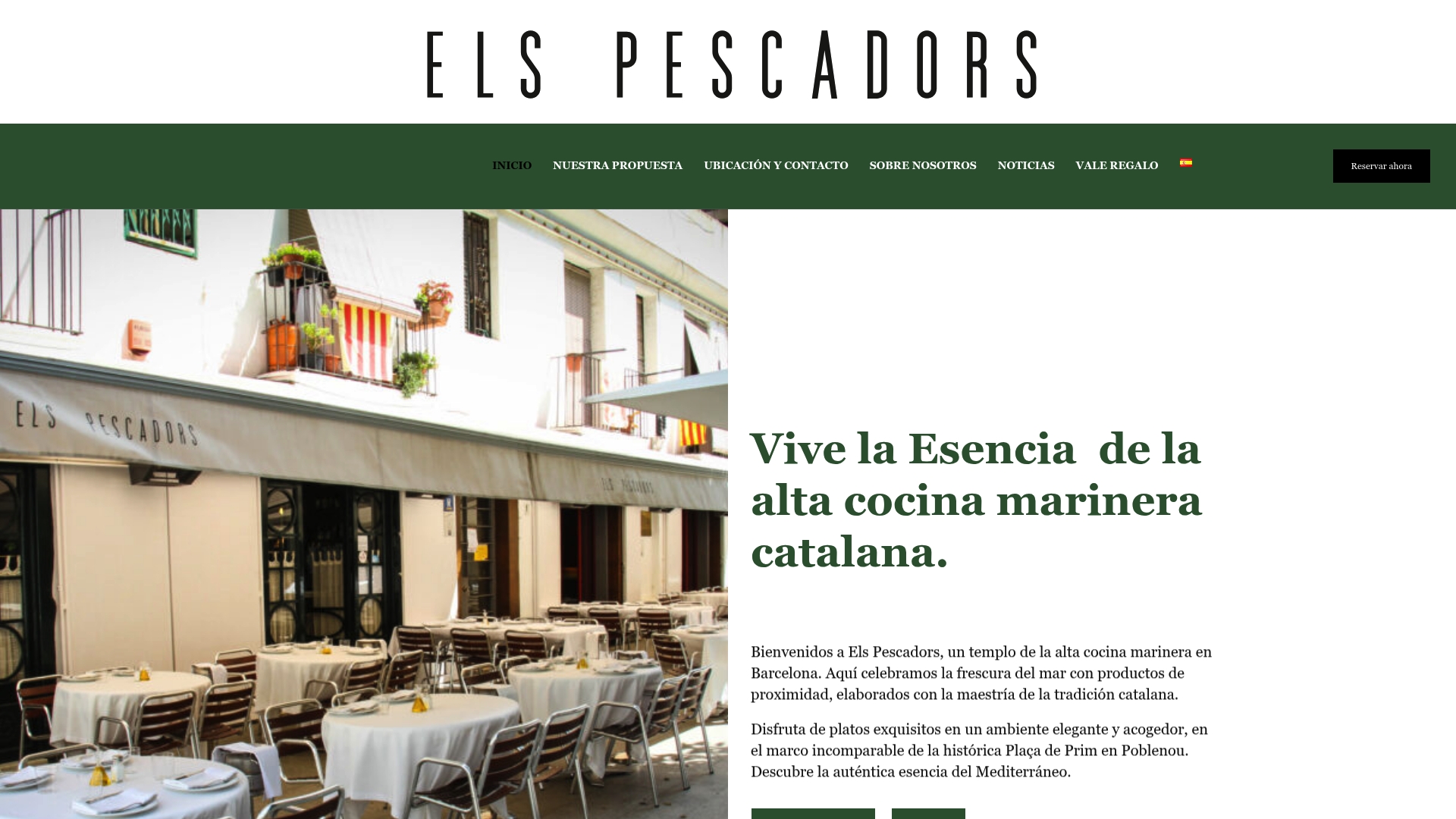
When you are ready, book a table at Els Pescadors and tell us what you are in the mood for. Our guide to reserving a fine dining table explains what to mention when you book.
A quick checklist before you order
- Choose your food first. The wine follows the dish.
- Skim the list for style or region names you like.
- Pick two or three candidates, or none.
- Tell the sommelier or server what you are eating, what you enjoy and your budget.
- Ask about by-the-glass options if your table is eating different dishes.
- Taste the wine when it is poured, and say so if something is not right for your palate.
- Give honest feedback on samples. It helps the recommendation.
FAQ
Is a sommelier the same as a wine list?
No. The wine list is the menu of wines for sale, with prices by the glass or bottle. The sommelier is the professional who curates that list, advises you on pairings and serves the wine. You use the list to see your options and the sommelier to narrow them down.
How do I talk to a sommelier if I know nothing about wine?
Say what you are eating, describe the wines you usually enjoy in plain words, and point to a price you are comfortable with. You do not need technical vocabulary, and honest, simple language is what sommeliers prefer. Words like fresh, fruity, mineral or earthy are enough.
What if the restaurant has no sommelier?
Ask your server. Staff who know the list can use the same information, your dish, your taste and your budget, to point you to a suitable bottle or glass. Asking which wine they would pour with your dish is a good starting question.
Is it a wine list or a wine menu?
Both are understood. “Wine list” is the more common term for the document showing the wines on offer and their prices, and it is usually separate from the food menu. In Spain, ask for the carta de vinos.
Does the word sommelier only apply to wine?
It is most associated with wine, but the role can extend to the wider beverage selection. The Court of Master Sommeliers notes that some sommeliers oversee the beverage program beyond wine.
Sources
- What Does a Sommelier Do? Role and Skills, Court of Master Sommeliers
- Sales and Service for the Wine Professional, Nicolet College
- What is a sommelier? Ask Decanter
- A Sommelier Explains The Best Way To Order Wine, Tasting Table
- 7 Expert Tips for Ordering Wine at a Restaurant, Food & Wine
- 7 Tips for Ordering Wine at a Restaurant, Wine Spectator
- Ordering wine in a restaurant, with confidence, WineHQ
- How to Order Wine at a Restaurant Without Panicking, Wine Guide
- Wine List, Il Villaggio Cherry Hill
- Wine Pairing Dinner: How to Plan One